President Joe Biden signed legislation Thursday designed to curtail a dramatic rise in hate crimes against Asian Americans and Pacific Islanders.
The House sent the bill to the White House after passing it by a vote of 364-62 on Tuesday. Senators had voted 94-1 in favor of the bill in April.
The legislation will expedite Justice Department reviews of hate crimes and make grants available to help local law enforcement agencies improve their investigation, identification and reporting of incidents driven by bias, which often go underreported.
Speaking at a ceremony in the White House East Room attended by lawmakers of both parties, Biden praised members of Congress for their bipartisanship on the issue, saying they proved "democracy can work and deliver for the American people."
Biden said for too long, all of this hate has been hiding "in plain sight." He said for centuries, Asian Americans "have helped build this nation only to be often stepped over, forgotten or ignored."
The president said "hate can be given no safe harbor in America," adding that "silence is complicity."
To many Asian Americans, the pandemic has invigorated deep-seated biases that in some cases date back to the Chinese Exclusion Act of more than a century ago.
And as cases of the illness began to rise in the U.S., so too did the attacks, with thousands of violent incidents reported in the past year.
Yet to some activists, including organizations representing gay and transgender Asian Americans, the legislation is misguided. More than 100 groups have signed onto a statement opposing the bill for relying too heavily on law enforcement while providing too little funding to address the underlying issues driving a rise in hate crimes.
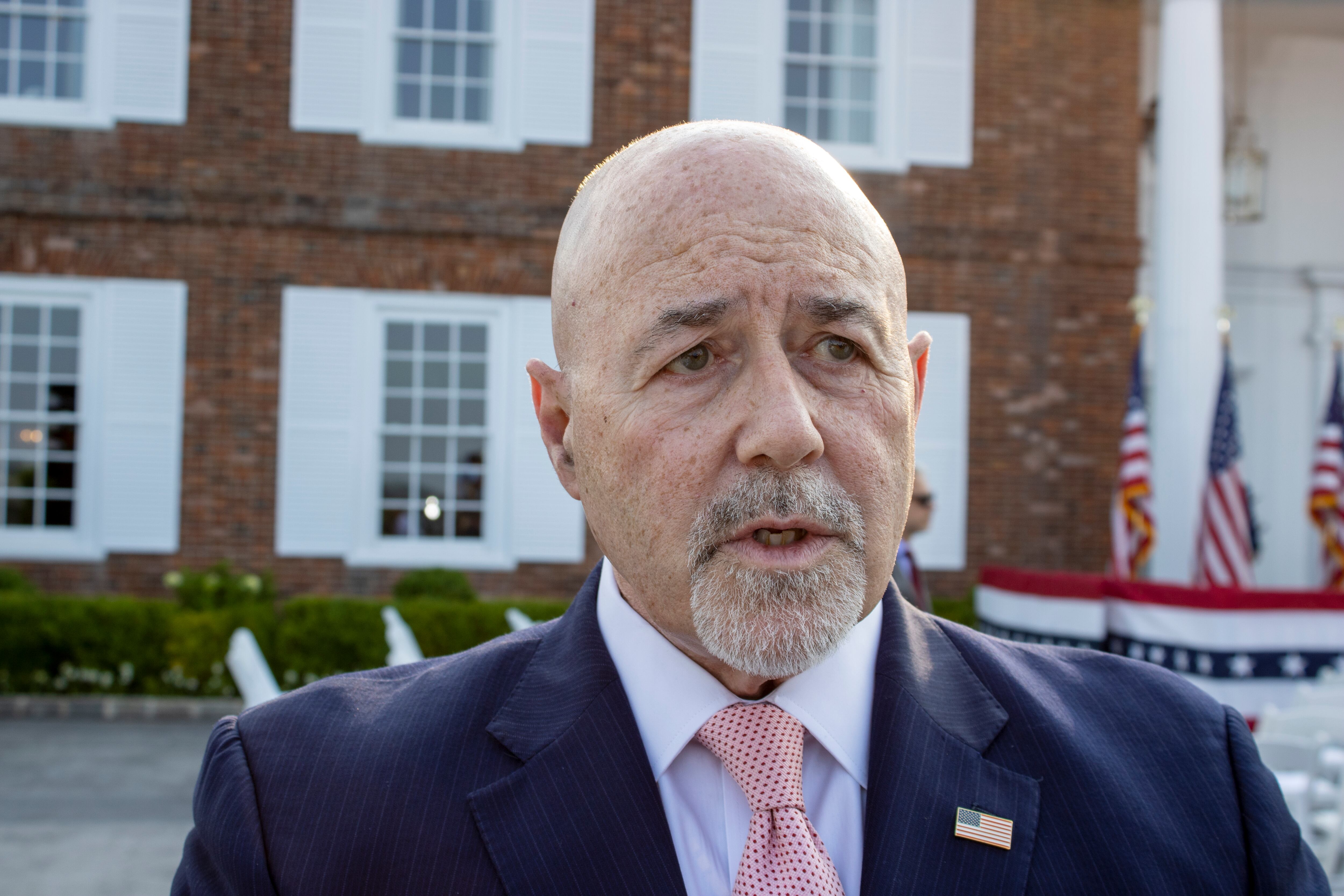
The lawyer for former NYPD commissioner Bernard Kerik turned over thousands of pages and documents to a special counsel as part of an investigation into Kerik's alleged involvement to overturn the results of the 2020 election.
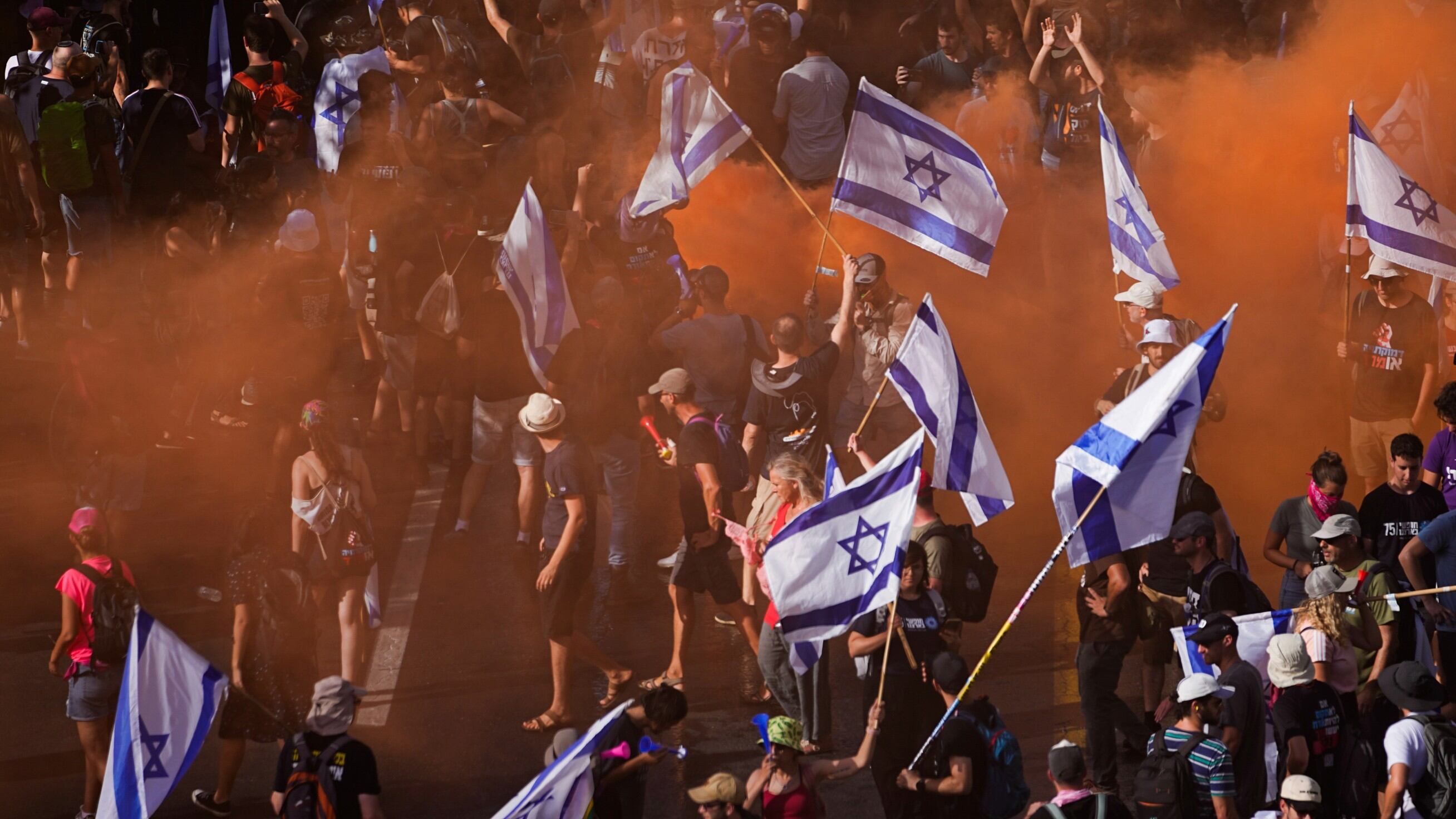
Israel’s parliament on Monday approved the first major law in Prime Minister Benjamin Netanyahu’s contentious plan to overhaul the country’s justice system, triggering a new burst of mass protests and drawing accusations that he was pushing the country toward authoritarian rule.
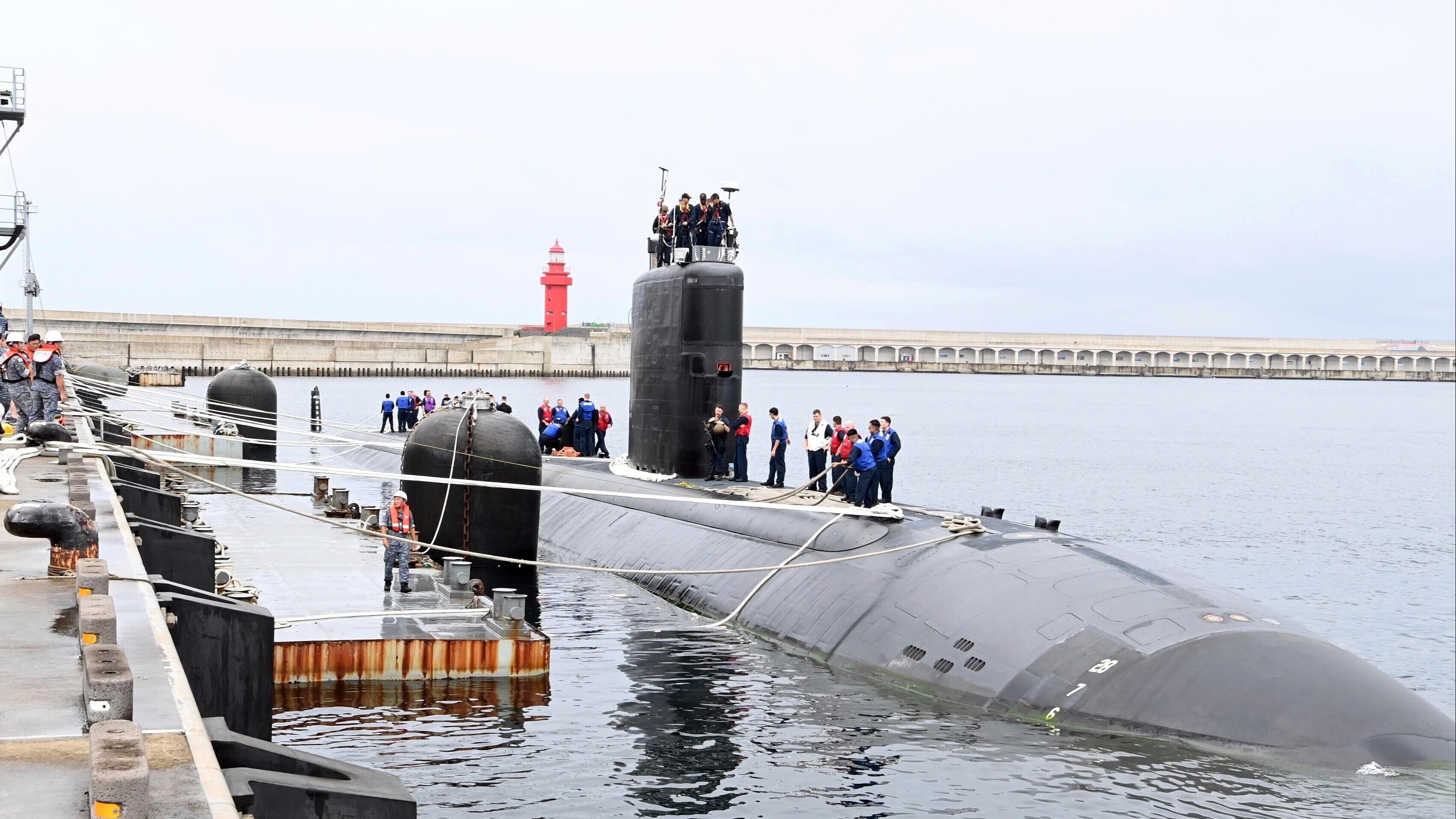
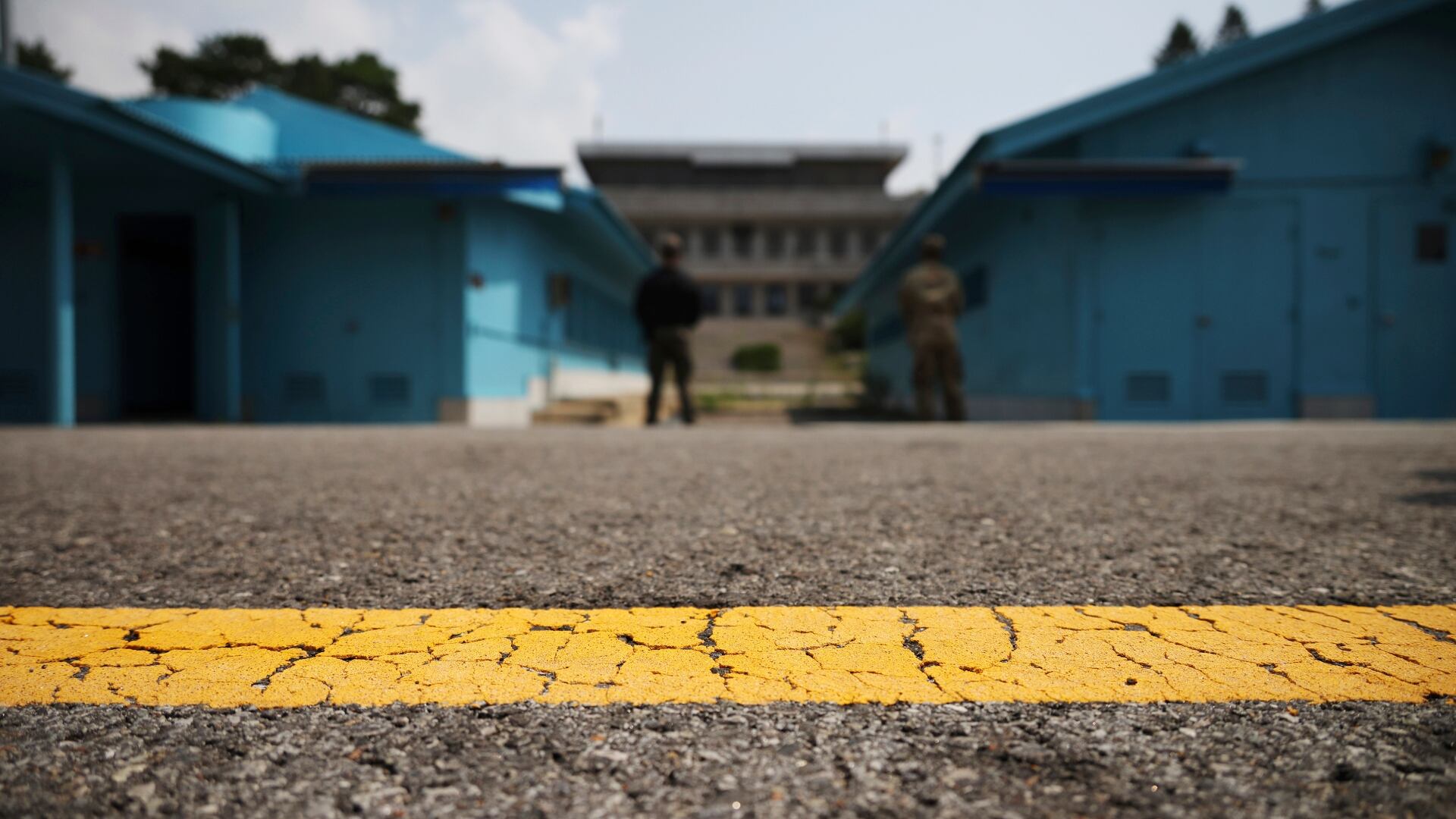
North Korea fired two short-range ballistic missiles into its eastern sea, South Korea’s military said Tuesday, adding to a recent streak in weapons testing that is apparently in protest of the U.S. sending major naval assets to South Korea in a show of force.
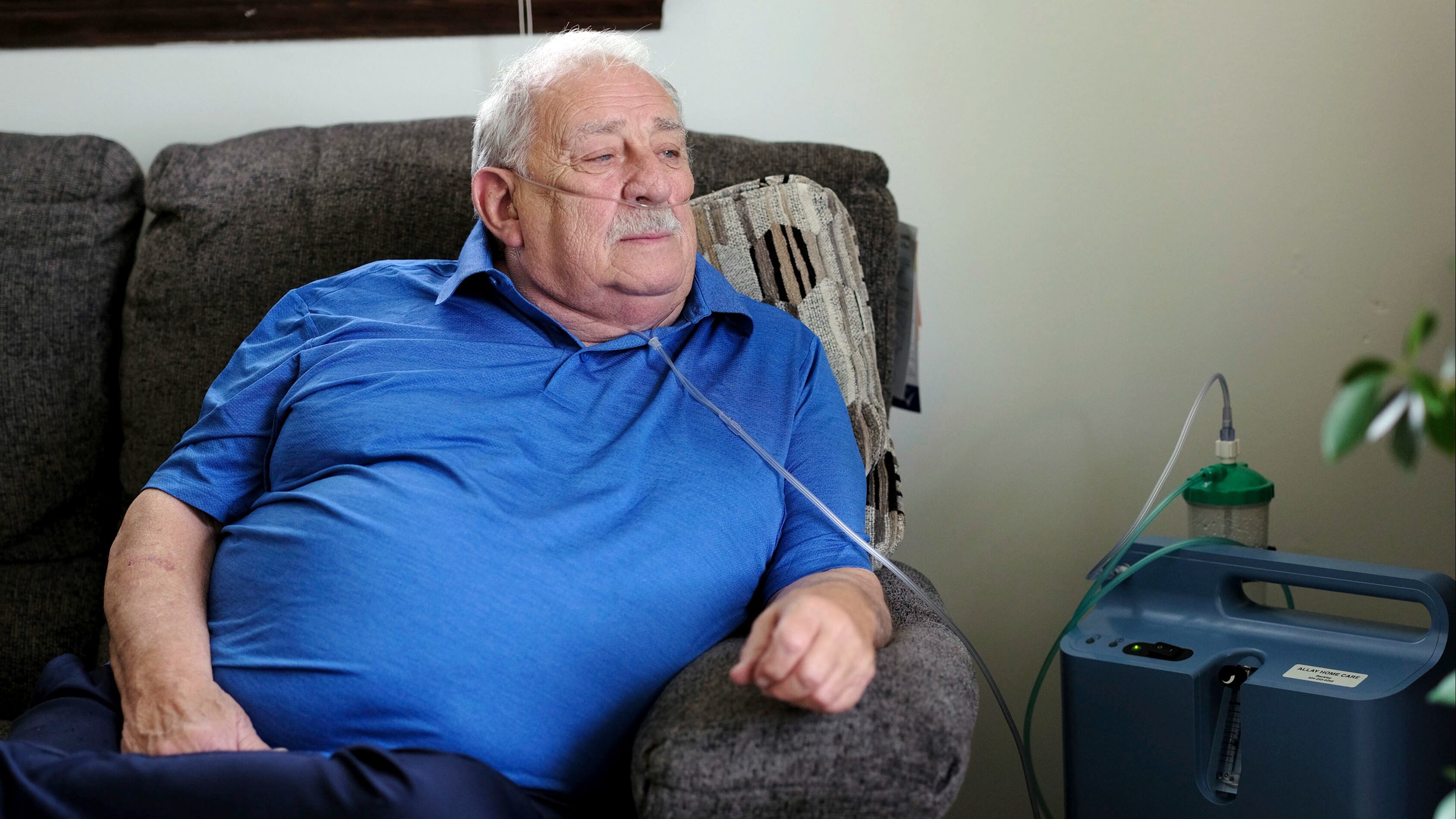
Now the federal Mine Safety and Health Administration has proposed a rule that would cut the current limit for silica exposure by half — a major victory for safety advocates. But there is skepticism and concern about the government following through after years of broken promises and delays.
A state trooper's account of officers denying migrants water in 100-degree Fahrenheit (37.7 Celsius) temperatures and razor wire leaving asylum-seekers bloodied has prompted renewed criticism.