President Joe Biden has chosen a new leader for the National Security Agency and U.S. Cyber Command, a joint position that oversees much of America's cyber warfare and defense.
Air Force Lt. Gen. Timothy Haugh, the current deputy commander of Cyber Command, would replace Army Gen. Paul Nakasone, who has led both organizations since May 2018 and was expected to step down this year, according to a notice sent by the Air Force this week and confirmed by a person familiar with the announcement. The person spoke on condition of anonymity to discuss personnel matters not yet made public.
If confirmed, Haugh will take charge of highly influential U.S. efforts to bolster Ukraine's cybersecurity and share information with Ukrainian forces fighting Russia's invasion. He will also oversee programs to detect and stop foreign influence and interference in American elections, as well as those targeting criminals behind ransomware attacks that have shut down hospital systems and at one point a key U.S. fuel pipeline.
Politico first reported that Haugh was picked.
It's unclear whether Haugh will be affected by a Republican senator's blockade of all military nominations. Sen. Tommy Tuberville of Alabama has for months objected to the Pentagon's policy of providing travel money and support to troops seeking abortions but based in states with abortion bans.
Haugh's nomination to lead both the NSA and Cyber Command reflects the White House's intention to keep one person in charge of both organizations. That arrangement is known as a “dual-hat” posting.
Some key Republicans have long wanted to split the leadership, saying each organization is important enough to require a full-time leader. Nakasone has long advocated for keeping the dual hat, saying it gives him and future leaders access to more powers more efficiently.
The Biden administration established a small study group last year to review the leadership structure. The review signaled support for keeping the position as is.
An official familiar with the matter said the group’s review found that having a single head in charge of both agencies better mirrored how U.S. allies’ cyber and intelligence operations were structured and made it easier to act quickly on information — a critical aspect of countering cyberwarfare. The official spoke to The Associated Press on the condition of anonymity to be able to discuss sensitive matters.
The group also found that within the U.S., having a single head also streamlined decisions and enabled the U.S. to more quickly act on intelligence, rather than have the information move through the leadership of both structures before recommendations could be made on a response.
The group reviewed case studies of intelligence and cyber operations to determine whether the dual hat structure was necessary and briefed the defense secretary, the chairman of the Joint Chiefs of Staff, the Office of the Director of National Intelligence and relevant congressional committees on its findings, the official said.
According to a service biography, Haugh is a career signals intelligence officer and recipient of the Bronze Star, given to service members for heroism or outstanding achievement in a combat theater. He has been deputy commander at U.S. Cyber Command since August.
A new report by the Foreign Correspondents Club of China warns that press freedom in the most populous country in the world is declining at an alarming speed. Cheddar News speaks with Steven Butler, Asia Program Coordinator at the Committee to Protect Journalists, about the hardships journalists face in China.
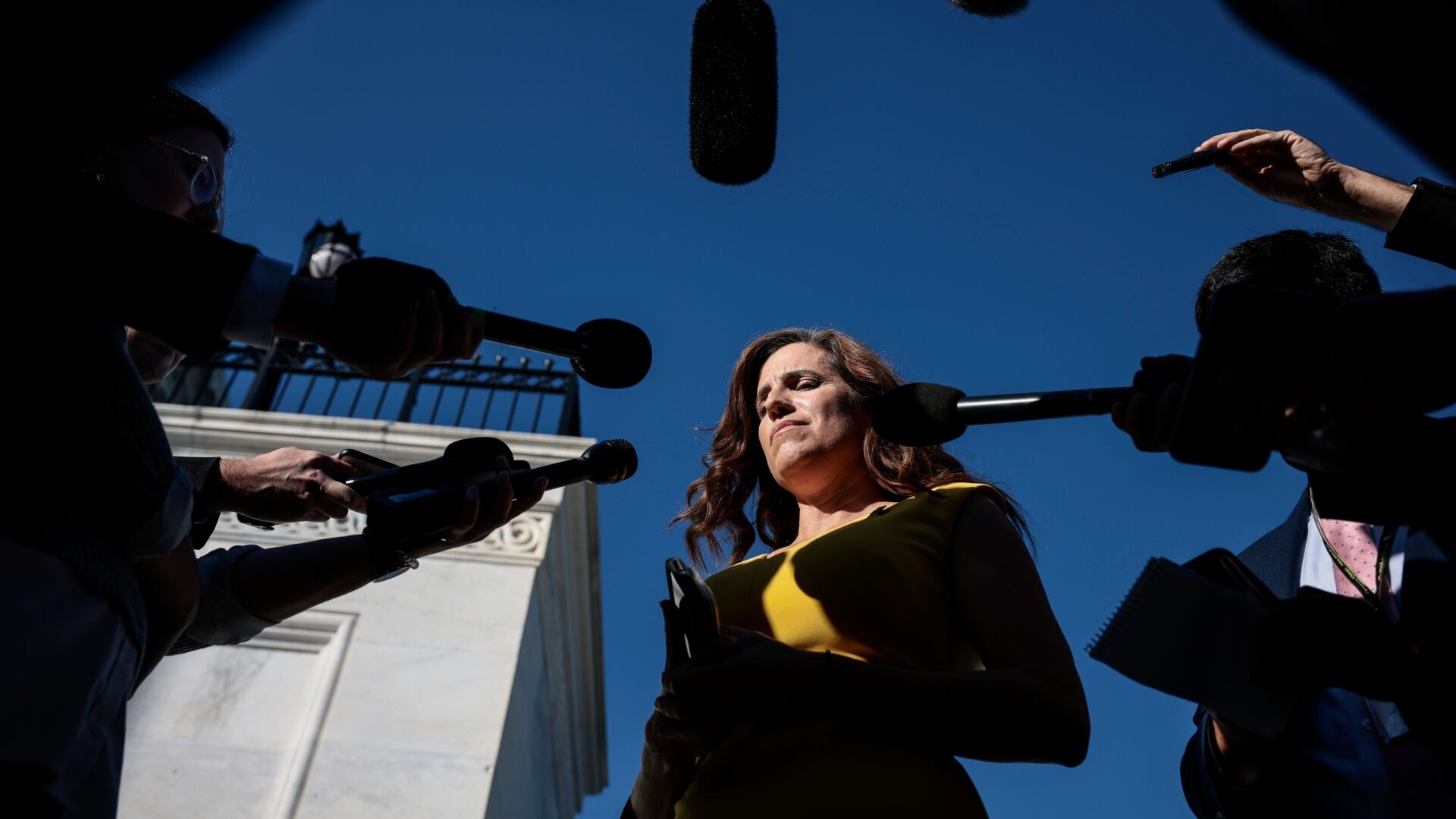
Rep. Nancy Mace (R-S.C. 1st District) joined Cheddar to discuss her cannabis legalization bill, the States Reform Act, and the prospects for gaining bipartisan support for a bill that has garnered the endorsement of e-commerce giant Amazon. This legislation is supported by businesses large and small, Amazon obviously being the most recent and largest business to support it," Mace said. "They don't want to sell pot. But what it does do is it affects their working employment pool." She stated that 10 percent of eligible new hires for Amazon are affected by restrictive marijuana laws. The representative also explained that the bill leaves equity provisions up to the states rather than mandating them on a federal level.
After a number of tragic subway incidents, the MTA is facing increased pressure to install subway platform screens to help prevent injury or death. However, according to an earlier report from the MTA, installing these prevented measures isn't feasible. New York City Council Member Keith Powers, joined Cheddar to discuss more.
Across the country, states are working to redraw their congressional lines in what is often known as gerrymandering. These news lines are expected to determine the balance of power between Democrats and Republicans within the next decade. Senior Counsel for the Brennan Center's Democracy Program, Michael Li, joined Cheddar to discuss more.
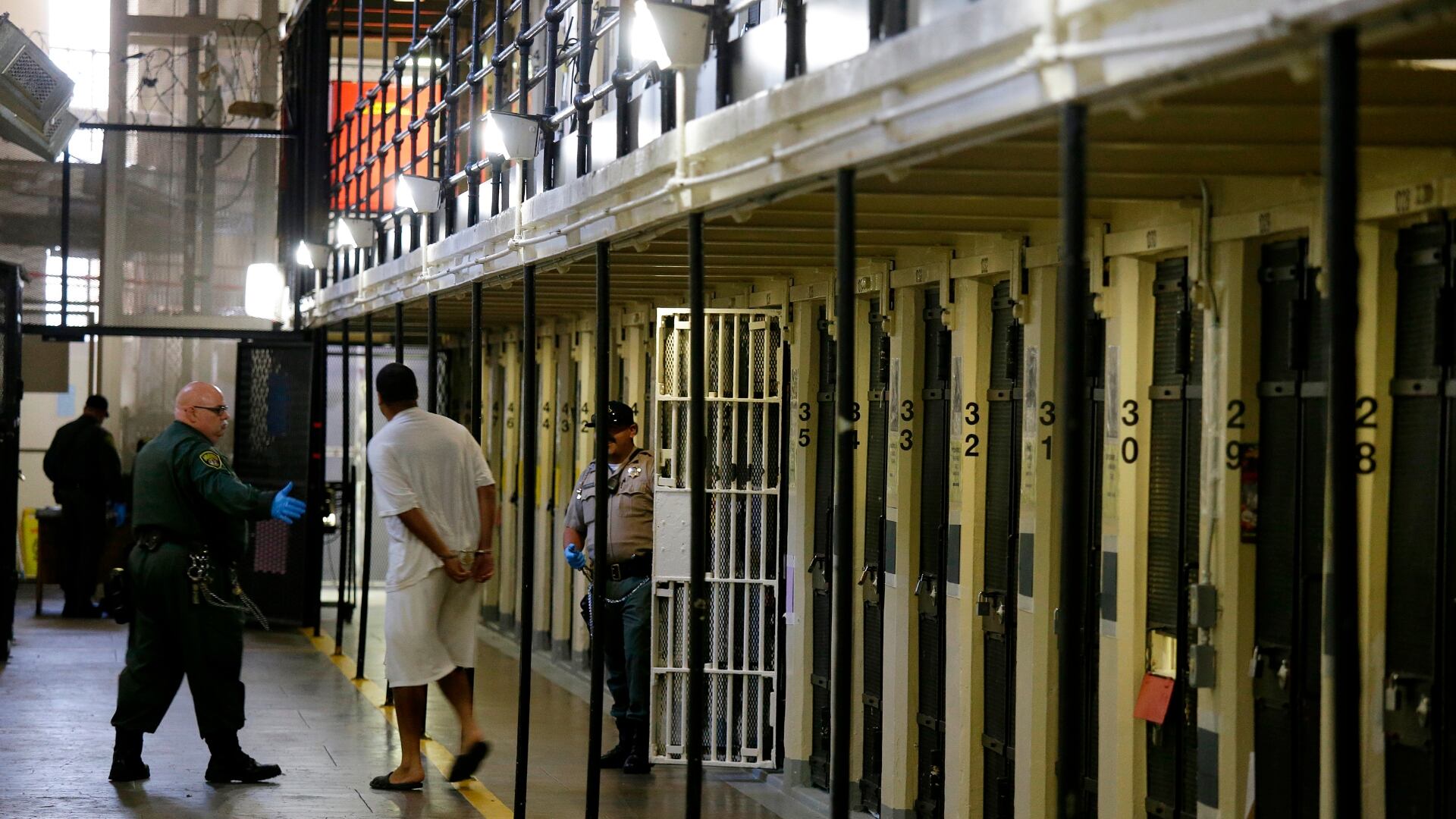
The state of California is officially planning to close its death row in the next two years. That state's governor Democrat Gavin Newsom says the plan is now to move all condemned inmates to other prisons and turn it into, as he calls it, a positive healing environment. Former U. S. Assistant Attorney and Legal Analyst, David Katz, joined Cheddar to discuss more.
Anthony Saccaro, Founder and President of Providence Financial, joins Cheddar News' Closing Bell, where he elaborates on why he is excited that the market is beginning to rebound and believes February has the potential to be a good month after a turbulent January.
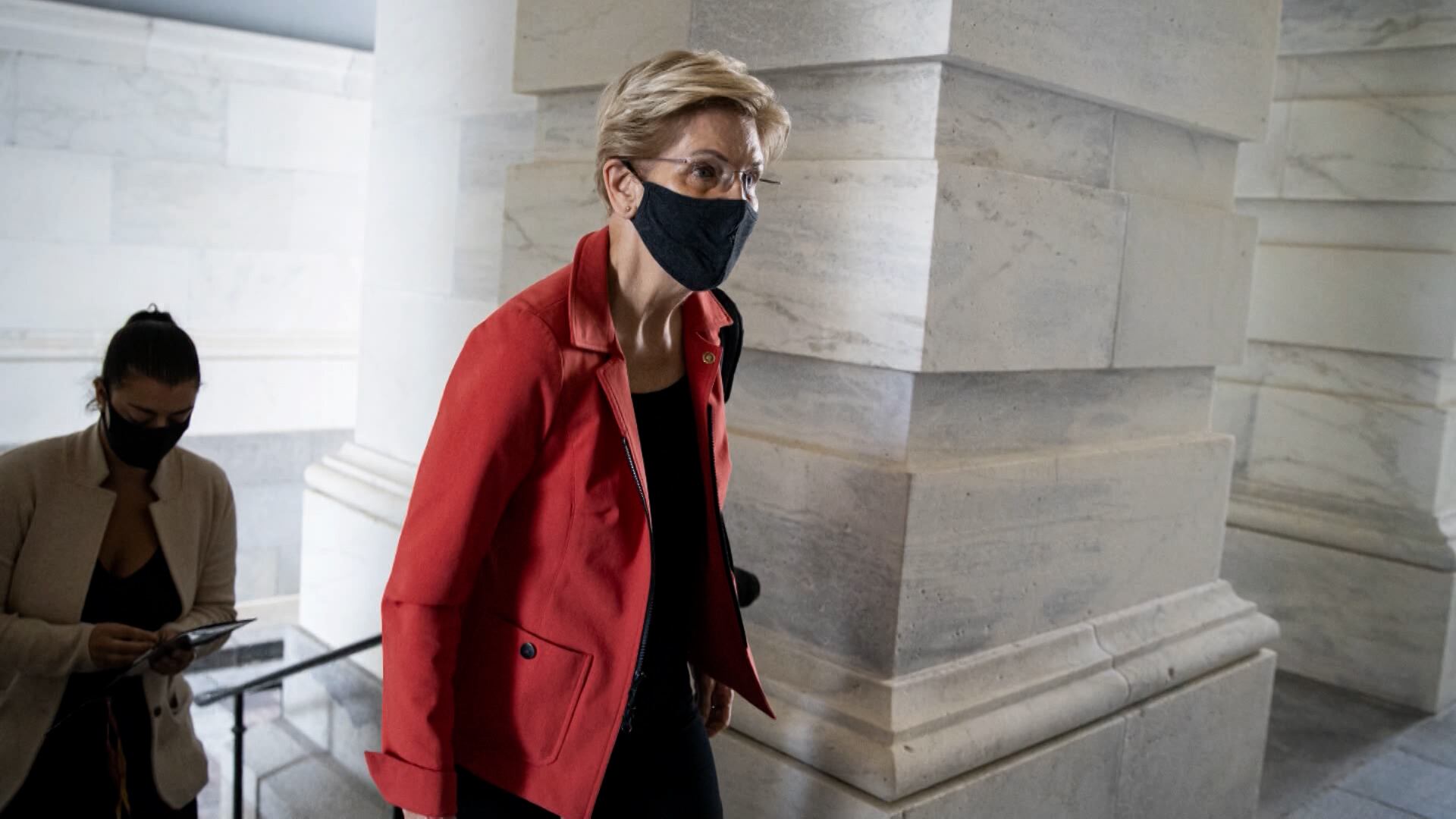
Cryptocurrency is expected to become a part of our daily lives — but what sort of environmental impact does it have? As the U.S. becomes the crypto mining capital of the world, climate advocates are worried about mining companies reopening old coal plants, using massive amounts of energy, wasteful hardware, and more. Congressional Democrats led by Senator Elizabeth Warren are demanding answers from mining firms about their electricity use and waste levels. John Belizaire, CEO of Soluna Computing, joins Cheddar Climate to discuss the congressional letters, how crypto mining can become a green industry, and more.
The Supreme Court will reconsider race-based affirmative action in college admissions. The court will examine admissions policies at Harvard University and The University of North Carolina Chapel Hill, which count the race of applicants as a factor in admissions. The court has upheld affirmative action policies in the past, saying it helps to create more diverse student bodies. However, the conservative Supreme Court could be skeptical and even possibly hostile to such policies. Nick Anderson, Higher Education Writer, Washington Post joined Cheddar's Opening Bell to discuss.