District of Columbia National Guard stand outside the Capitol, Wednesday night, Jan. 6, 2021, after a day of rioting protesters. It's been a stunning day as a number of lawmakers and then the mob of protesters tried to overturn America's presidential election, undercut the nation's democracy and keep Democrat Joe Biden from replacing Trump in the White House. (AP Photo/John Minchillo)
By Eric Tucker
President Joe Biden has directed law enforcement and intelligence officials in his administration to study the threat of domestic violent extremism in the United States, an undertaking being launched weeks after a mob of insurgents loyal to Donald Trump stormed the U.S. Capitol.
The disclosure Friday by White House press secretary Jen Psaki is a stark acknowledgment of the national security threat that officials see as posed by American extremists motivated to violence by radical ideology. The involvement of the director of national intelligence, an office created after the Sept. 11, 2001, attacks to prevent international terrorism, suggests that American authorities are examining how to pivot to a more concerted focus on violence from extremists at home.
The threat assessment, coordinated by the national intelligence office, the FBI, and the Department of Homeland Security, will be used as a foundation to develop policy, the White House said. In addition, the National Security Council will do its own policy review to see how information about the problem can be better shared across the government. And the administration will work on a more coordinated approach, with a focus on addressing social media and radicalization, she said.
“The Jan. 6 assault on the Capitol and the tragic deaths and destruction that occurred underscored what we all know: The rise of domestic violent extremism is a serious and growing national security threat,” Psaki said, adding that the administration will confront the problem with resources, policies and “respect for constitutionally protected free speech and political activities.”
The riot at the Capitol, which led last week to Trump's second impeachment, raised questions about whether a federal government national security apparatus that for years has moved aggressively to combat threats from foreign terror groups and their followers in America is adequately equipped to address the threat of domestic extremism. It's an issue that has flared periodically over the years, with different attacks — including a massacre at a Pittsburgh synagogue — renewing debate over whether a law specific to domestic terrorism is needed.
It is unclear when the threat assessment will conclude or whether it will precipitate law enforcement and intelligence getting new tools or authorities to address a problem that officials say has proved challenging to combat, partly because of First Amendment protections.
FBI Director Chris Wray said last fall that, over the past year, the most lethal violence has come from anti-government activists, such as anarchists and militia types.
Law enforcement agencies are under scrutiny for their preparations for Jan. 6, when a violent mob of Trump supporters overran the police and stormed into the Capitol. More than 150 people are facing charges so far, including a man who was photographed wearing a “Camp Auschwitz” shirt, as well as QAnon conspiracy theorists and members of militia groups.
Even as tech giant Google implements a vaccination mandate, charging its employees to declare their vaccine status within a time frame or risk dismissal, the federal government is tangled up in the court system trying to impose one of its own. Cindy Cohn, the executive director of the Electronic Frontier Foundation, and Harry Nelson, founder and managing partner of Nelson Hardiman LLP, joined Cheddar to debate the ethics, efficacy, and legality surrounding the issue. While Cohn noted that she thinks the federal mandate might be legally sound, her organization is also concerned with a separate question of privacy. "At EFF what we're most interested in is the digital surveillance that's going along with some of these attempts to try to track and confirm whether people are vaccinated or not," she said.
A new report from CNBC says Instagram recently reached a new milestone -- 2 billion monthly active users. It comes amid a year of controversy for the photo-sharing app and its parent company, Meta. SocialFlow CEO Jim Anderson joins Cheddar News' Closing Bell to discuss.
There is a new way for investors to bet on cannabis - the AdvisorShares Poseidon Dynamic Cannabis ETF targets about 20 of the biggest names in U.S. cannabis. It comes at a time when it's still difficult for investors to access the space. Cheddar News cannabis reporter Chloe Aiello spoke with co-founder and managing director for Poseidon Investment Management, Emily Paxhia.
Victor Li, an economics professor at the Villanova School of Business, joins Cheddar News' Closing Bell, where he discusses the latest Fed decision and the implications it has on the stock market.
After nearly two years of the pandemic, U.S. consumers are ready to spend big this holiday season. However, shoppers may be faced with limited inventory as the U.S. continues to face shortages of key products and extended order backlogs. Per Hong, partner at consulting firm Kearney, joined Cheddar's Opening Bell to discuss the country's path forward.
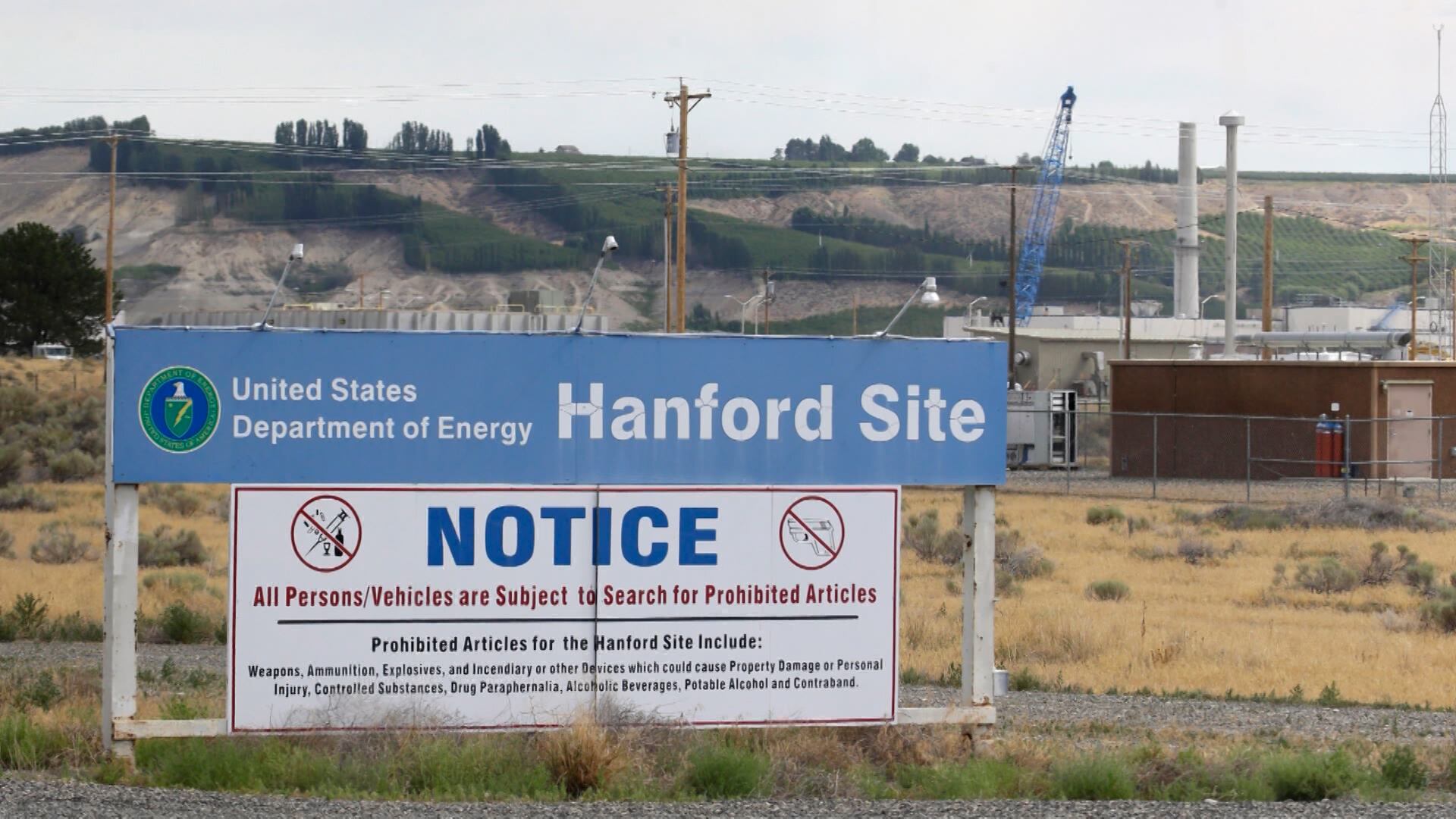
The U.S. Government is making its first major move toward encouraging nuclear energy in the U.S., as it pushes toward a sustainable future. Scott Waldman, White House reporter for Politico's E&E News joined Cheddar News to break down the developments. "There's definitely an audience for this now since we're looking at the value of nuclear in terms of climate policy," he said, regarding the prospects for bipartisan support.
CEOs of the top U.S. airlines are set to testify in front of a Senate committee Wednesday. Lawmakers will ask airline executives about how they used pandemic-related federal aid, specifically in light of staffing issues and widespread cancellations. Among those expected to participate are the CEOs of American, United, and Southwest Airlines. David Slotnick, Senior Aviation Business Reporter at The Points Guy, joined Cheddar News to discuss.