District of Columbia National Guard stand outside the Capitol, Wednesday night, Jan. 6, 2021, after a day of rioting protesters. It's been a stunning day as a number of lawmakers and then the mob of protesters tried to overturn America's presidential election, undercut the nation's democracy and keep Democrat Joe Biden from replacing Trump in the White House. (AP Photo/John Minchillo)
By Eric Tucker
President Joe Biden has directed law enforcement and intelligence officials in his administration to study the threat of domestic violent extremism in the United States, an undertaking being launched weeks after a mob of insurgents loyal to Donald Trump stormed the U.S. Capitol.
The disclosure Friday by White House press secretary Jen Psaki is a stark acknowledgment of the national security threat that officials see as posed by American extremists motivated to violence by radical ideology. The involvement of the director of national intelligence, an office created after the Sept. 11, 2001, attacks to prevent international terrorism, suggests that American authorities are examining how to pivot to a more concerted focus on violence from extremists at home.
The threat assessment, coordinated by the national intelligence office, the FBI, and the Department of Homeland Security, will be used as a foundation to develop policy, the White House said. In addition, the National Security Council will do its own policy review to see how information about the problem can be better shared across the government. And the administration will work on a more coordinated approach, with a focus on addressing social media and radicalization, she said.
“The Jan. 6 assault on the Capitol and the tragic deaths and destruction that occurred underscored what we all know: The rise of domestic violent extremism is a serious and growing national security threat,” Psaki said, adding that the administration will confront the problem with resources, policies and “respect for constitutionally protected free speech and political activities.”
The riot at the Capitol, which led last week to Trump's second impeachment, raised questions about whether a federal government national security apparatus that for years has moved aggressively to combat threats from foreign terror groups and their followers in America is adequately equipped to address the threat of domestic extremism. It's an issue that has flared periodically over the years, with different attacks — including a massacre at a Pittsburgh synagogue — renewing debate over whether a law specific to domestic terrorism is needed.
It is unclear when the threat assessment will conclude or whether it will precipitate law enforcement and intelligence getting new tools or authorities to address a problem that officials say has proved challenging to combat, partly because of First Amendment protections.
FBI Director Chris Wray said last fall that, over the past year, the most lethal violence has come from anti-government activists, such as anarchists and militia types.
Law enforcement agencies are under scrutiny for their preparations for Jan. 6, when a violent mob of Trump supporters overran the police and stormed into the Capitol. More than 150 people are facing charges so far, including a man who was photographed wearing a “Camp Auschwitz” shirt, as well as QAnon conspiracy theorists and members of militia groups.
Although this week's weather is predicted to be less severe than the 2021 storm, Texans are preparing for the worst - stocking up on supplies and emptying shelves in grocery stores, once again. Some Texans still have not recovered from last year's tragedy, and are heading into the next few weeks with anxiety for what's to come. Leslie Beyer, CEO of the Houston-based energy workforce & technology council, joins Cheddar News to discuss if the Texas grid will fail again.
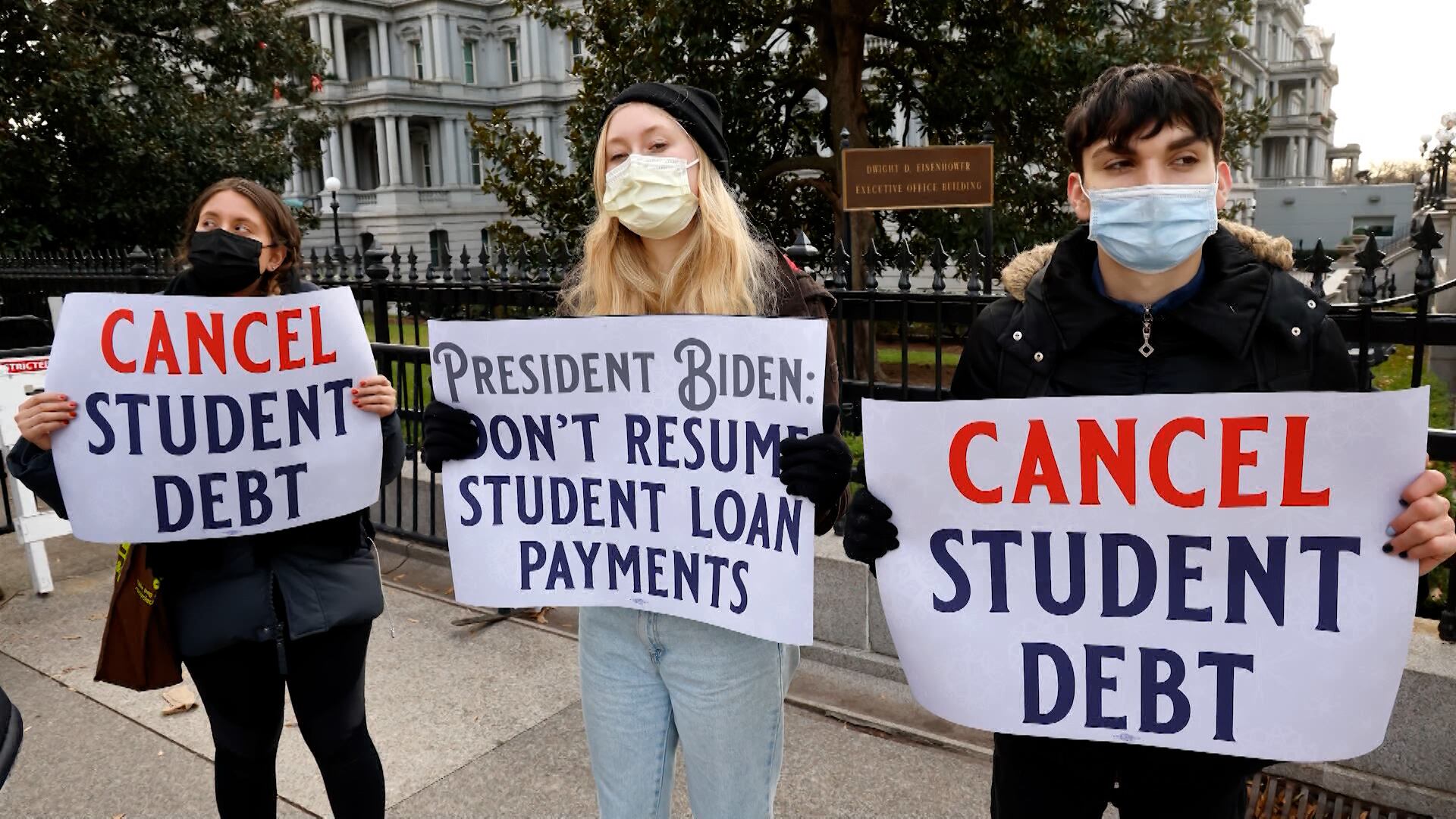
Student loan debt continues to be a major concern for tens of millions of Americans who collectively owe about $1.7 trillion. Black college students often take on larger amounts of student debt in order to pay for a higher education. In turn, they are more likely to struggle post-graduation with repaying their debt, creating a racial wealth gap divide. Andre Perry, senior fellow at Brookings Institution joined All Hands to help break down the black student debt crisis.
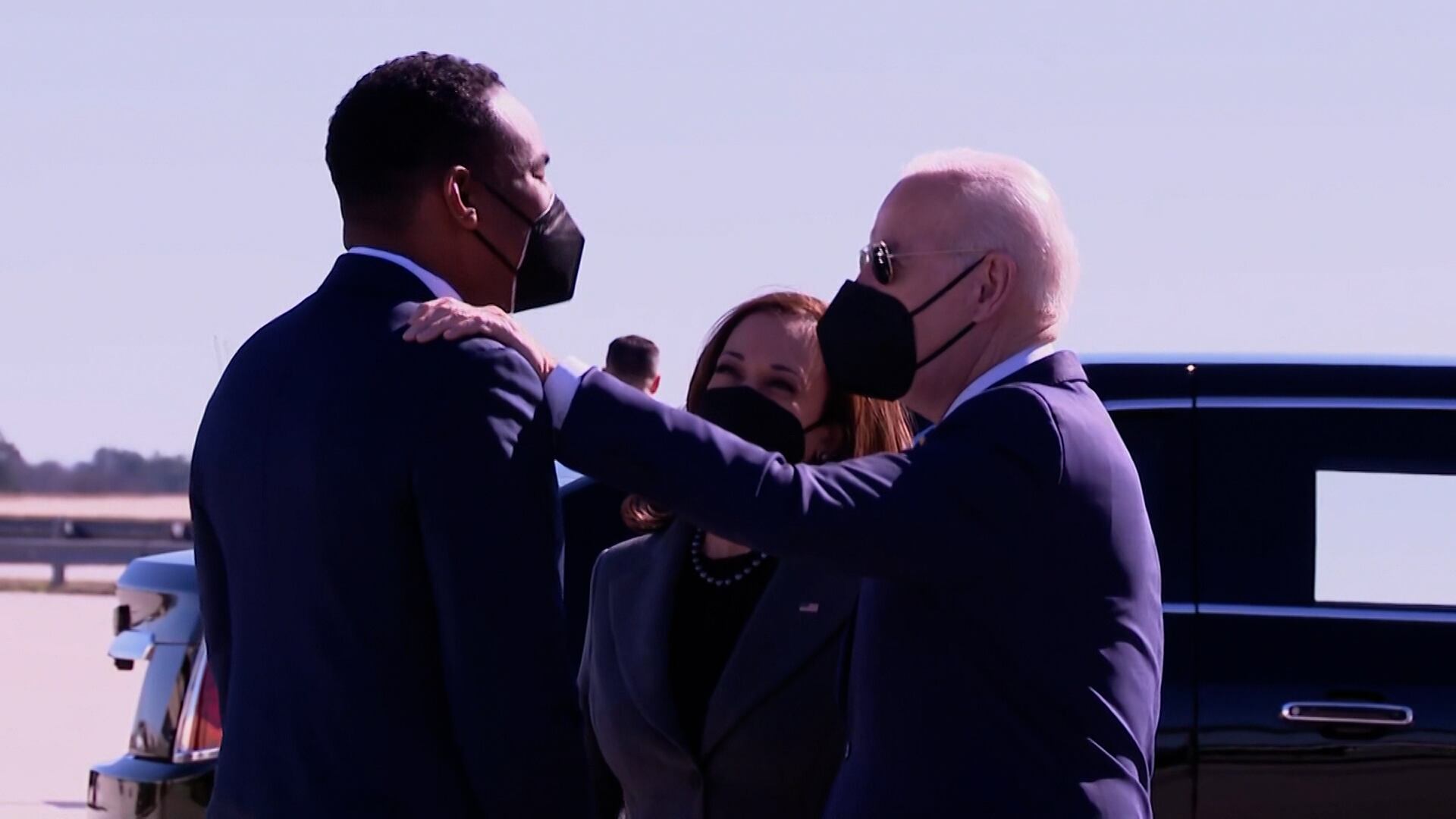
After two NYPD officers were killed with an illegal gun, President Biden made a trip to New York City to speak on the issue of gun violence fed by the "iron pipeline" of illegal firearms that make their way from the South to the Big Apple. Kris Brown, the president of the gun violence prevention organization Brady United, joined Cheddar to discuss what this visit from the president could mean for the future of gun laws in America. "He's asked Congress to pass things like expanding the Brady background check system, but with the filibuster a barrier to so much action right now in the Congress, he's looking at solutions that involve funding at the federal level and really involve enforcement."
Following the surprising big beat on estimates for the January jobs report, William M. Rodgers III, vice president and director of the Institute for Economic Equity at the Federal Reserve Bank of St. Louis, joined Cheddar News to break down the data. “We ended 2021 with a strong crescendo to a recovery that had taken hold, and we started 2022 in good fashion." He also discussed the dueling pressures of wage growth and inflation.
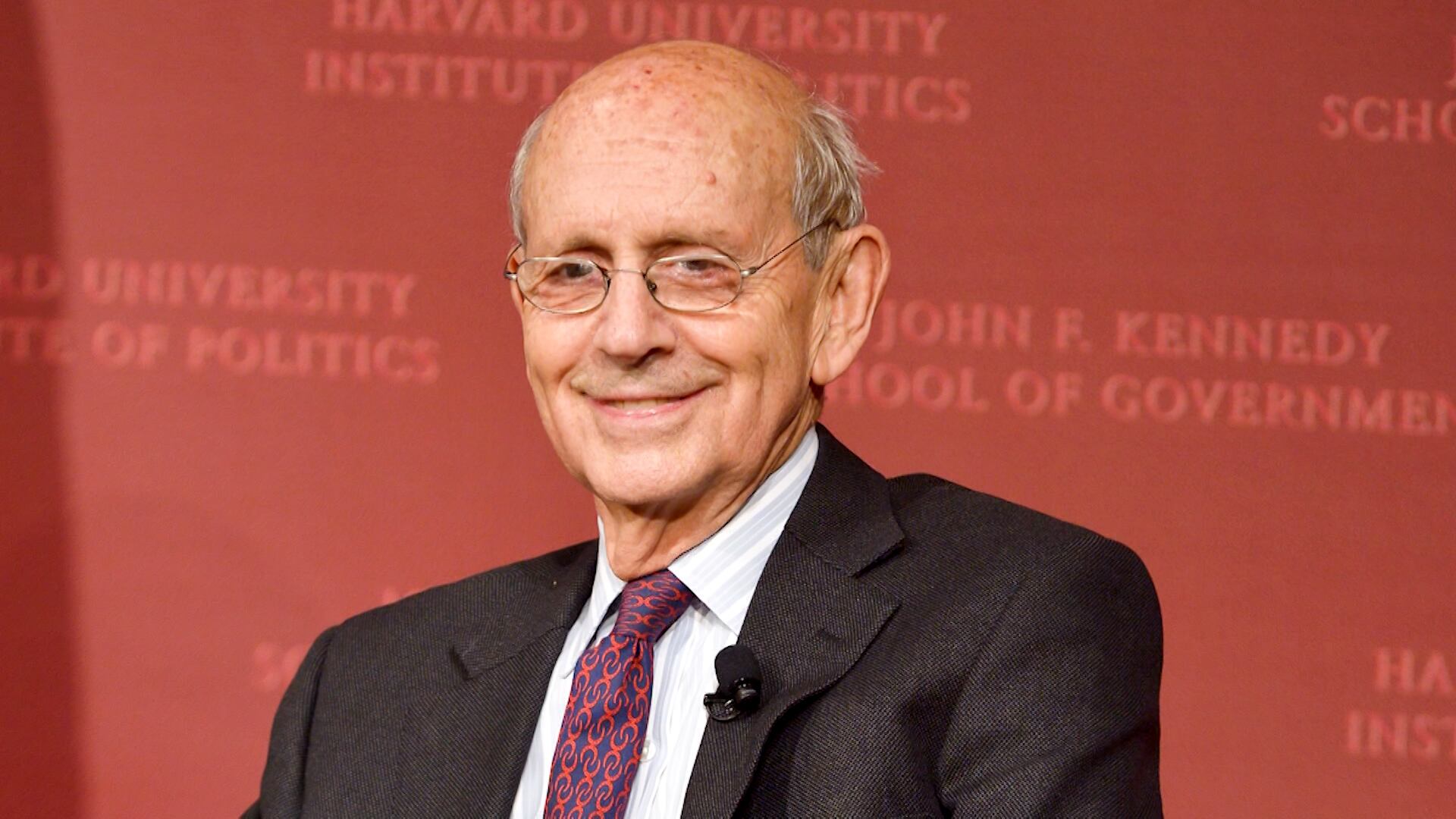
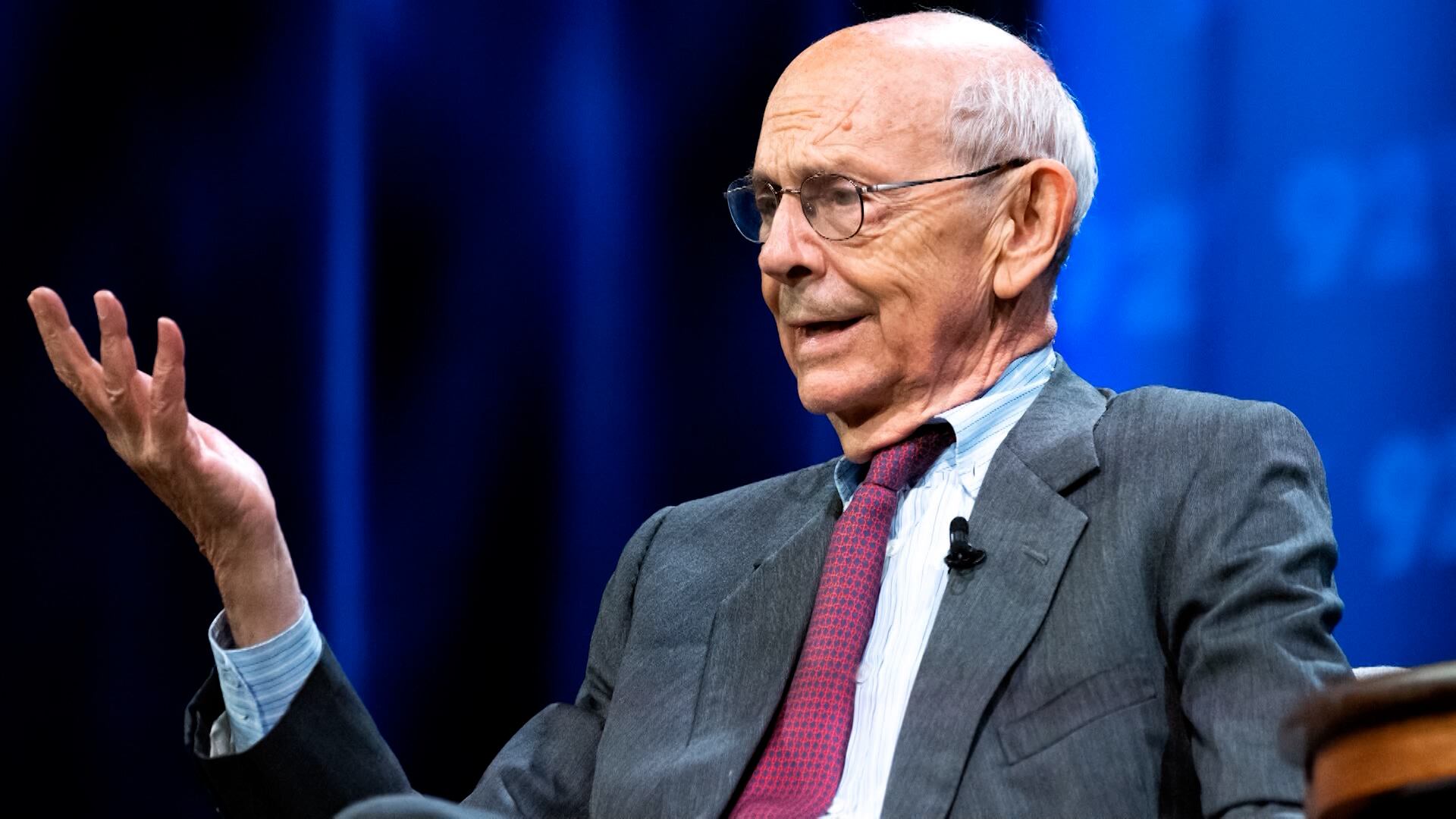
Jessica Mason Pieklo, senior vice president and executive editor of the Rewired News Group and co-host of the podcast. "Boom! Lawyered," joins Cheddar Politics to discuss Justice Stephen Breyer's retirement, legacy and potential replacement on the Supreme Court.
The Biden administration delivered a temporary win for student loan borrowers this year by extending the moratorium on federal payments for a few more months. That moratorium is coming to an end on May 1st and borrowers will again have their monthly loan payment plopped in their lap.
Stephanie Vanderslice, a creative writing professor paying off debt through the Parent Plus program, and Mike Pierce, executive director of the Student Borrower Protection Center, join Cheddar Politics to discuss.
2022 was already going to be a big year for the Supreme Court. We have decisions on major issues like abortion and gun rights on the way. Then, Justice Stephen Breyer announced his retirement and that set up a major confirmation fight for later this year. Amy Howe, co-founder of SCOTUSblog, joins Cheddar Politics to discuss.
The Labor Department released a better-than-expected report of 467,000 jobs added in January. Heather Boushey, Council of Economic Advisers Member for President Biden, joined Cheddar to tout the administration's handling of the economy amid the pandemic and the upward revisions for the previous month. "It also shows that, because of the revisions, the economy was stronger over the past couple of months," she said. "I don't think that this can be said enough, but economic forecasting during an historic pandemic is extremely difficult." Boushey also addressed issues involving wage growth versus the rapid rise of inflation.