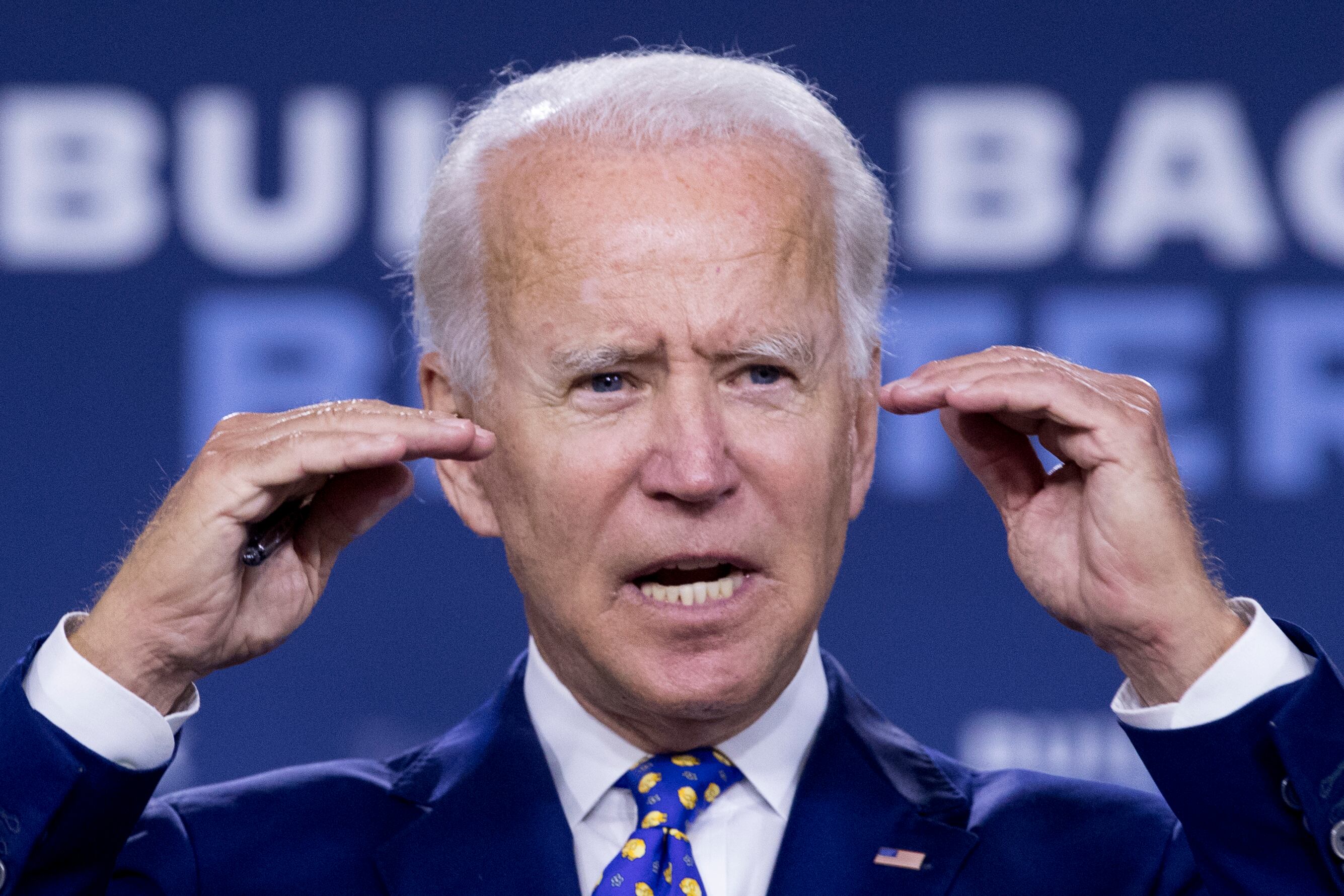
In this July 28, 2020 file photo, Democratic presidential candidate former Vice President Joe Biden speaks at a campaign event at the William "Hicks" Anderson Community Center in Wilmington, Del. Biden will not travel to Milwaukee to accept Democratic presidential nomination. (AP Photo/Andrew Harnik)
By Bill Barrow
Updated 1:55 pm ET
Joe Biden will not travel to Milwaukee to accept the Democratic presidential nomination because of concerns over the coronavirus, party officials said Wednesday, signaling a move to a convention that essentially has become entirely virtual.
It is the latest example of the pandemic's sweeping effects on the 2020 presidential election and the latest blow to traditional party nominating conventions that historically have marked the start of fall general election campaigns.
"From the very beginning of this pandemic, we put the health and safety of the American people first," said Democratic National Committee Chair Tom Perez. "We followed the science, listened to doctors and public health experts, and we continued making adjustments to our plans in order to protect lives. That's the kind of steady and responsible leadership America deserves. And that's the leadership Joe Biden will bring to the White House."
Neither the Biden campaign nor DNC officials offered details about how Biden might accept the nomination, which even in the pandemic could be a made-for-screen event that reaches tens of millions of voters via television and online.
A DNC official said all speakers and presenters for the Aug. 17-24 convention are now expected to speak from remote locations.
Wisconsin Gov. Tony Evers, a Democrat, praised Biden for leading by example.
"The upcoming Democratic convention is different than we'd imagined. A lot has changed since we set out on this journey more than a year ago now, but the one thing that hasn't is Democrats' commitment to putting health and safety first," Evers said in a statement. "It has never been more important for elected officials to lead by example — that's the kind of leader Joe is, and that's the kind of president we need. I know he will continue to have a presence in Wisconsin, virtually or otherwise, and I look forward to doing everything we can to win Wisconsin."
President Donald Trump has abandoned his own plans to accept the Republican nomination in person. On Wednesday, he mused about potentially making his acceptance speech from the White House.
Biden and Democrats for months have moved toward a virtual convention, first by delaying the convention from its original mid-July date to the week before Republicans' scheduled convention in Charlotte, North Carolina.
DNC officials later authorized organizers to plan for virtual proceedings, then added an explicit call for delegates not to travel to Milwaukee. More than 4,000 delegates already were casting mail ballots for Biden's nomination and a platform that had been written and approved in meetings conducted online. But until Wednesday, it was expected that Biden and his running mate would speak from Milwaukee.
Biden is in the final days of deciding on a vice president, who he has said will be a woman.
Trump was far more reluctant than Biden to alter his convention plans, as he sought to downplay the pandemic's significance and push the country to return to normal operations. Trump jousted with North Carolina Gov. Roy Cooper, a Democrat, because Cooper wouldn't guarantee the president that he'd lift restrictions on large public gatherings so that Trump could pack Charlotte's NBA arena.
Trump then said he'd travel to Jacksonville, Florida, to make his address, a decision welcomed at the time by Republican Gov. Ron DeSantis. Florida has since seen its COVID-19 cases spike, part of a national trend that led Trump to yield to public health experts and cancel the event.
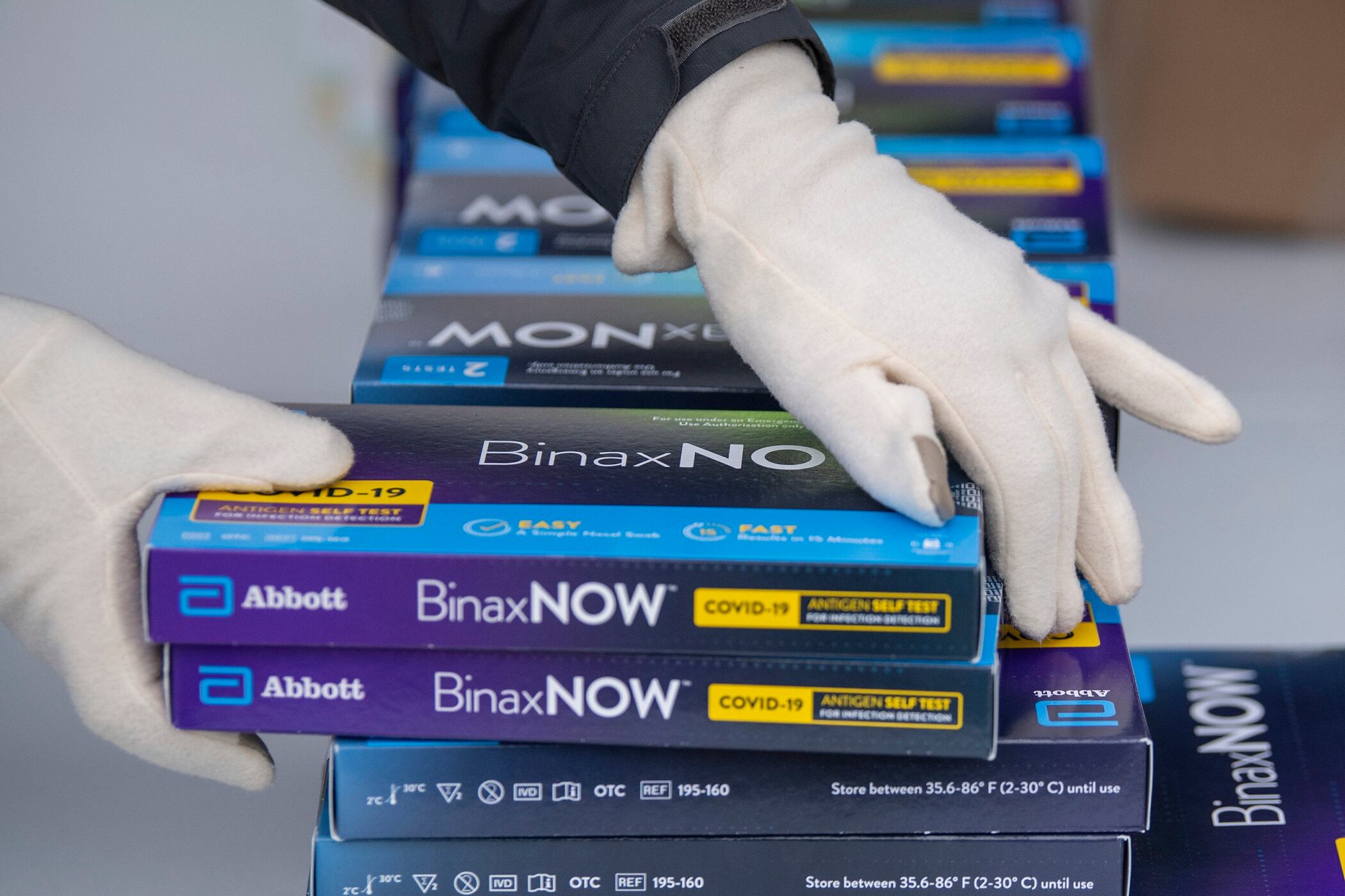
The Biden administration on Tuesday quietly launched its website for Americans to request free at-home COVID-19 tests, a day before the site was scheduled to officially launch.
Just 27% of voters aged 18-29 approve of the job Biden is doing as president, according to a survey from The Economist and YouGov late last year. Santiago Mayer, executive director of Voters of Tomorrow, joins Cheddar Politics to discuss why President Biden is losing support among young voters.
Jesse Lehrich, co-founder of Accountable Tech, joins Cheddar News to discuss it being one year since Trump was exiled from social media and the former President's new platform 'Truth Social.'
Cliff Albright, co-founder of the group Black Voters Matter, joins Cheddar Politics to discuss why he boycotted President Biden's voting rights speech this week, and the push from Senate Democrats to debate and vote on the Freedom to Vote Act and the John Lewis Voting Rights Advancement Act.
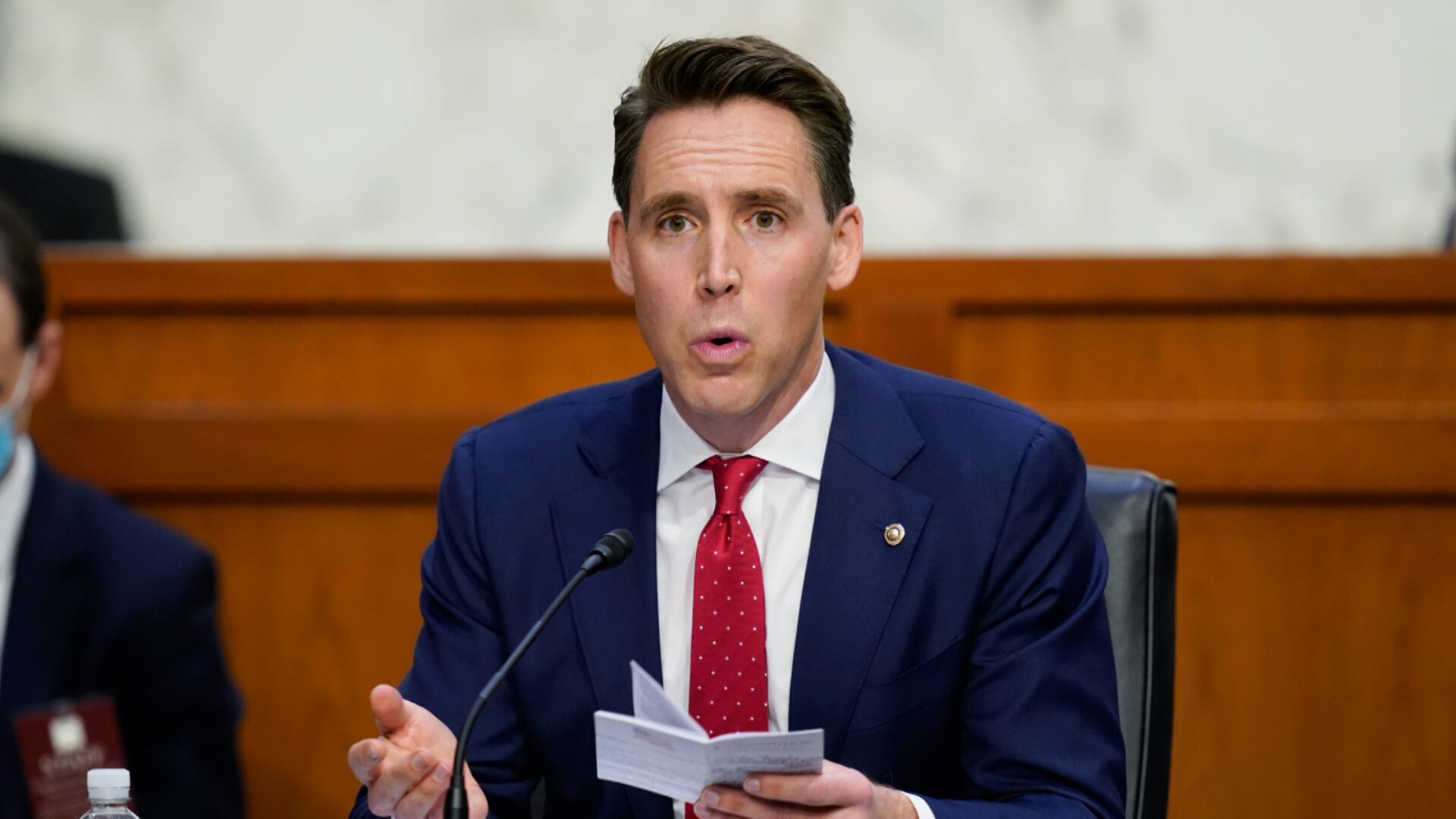
Senator Jon Ossoff (D-Ga.) has teamed up with fellow Democratic senator and former astronaut Mark Kelly to introduce the Ban Congressional Stock Trading Act, a bill to essentially end stock trading by sitting lawmakers. From the other side of the aisle, Senator Josh Hawley (R-Mo.) introduced his own legislation to enact something similar. The dueling bills come at a time when it's popular to constrain members of Congress from owning and trading stocks. Karl Evers-Hillstrom, a business and lobbying reporter at The Hill, spoke to Cheddar about the significance of the bills, and what they could mean for lawmakers, their families, and staffers moving forward.
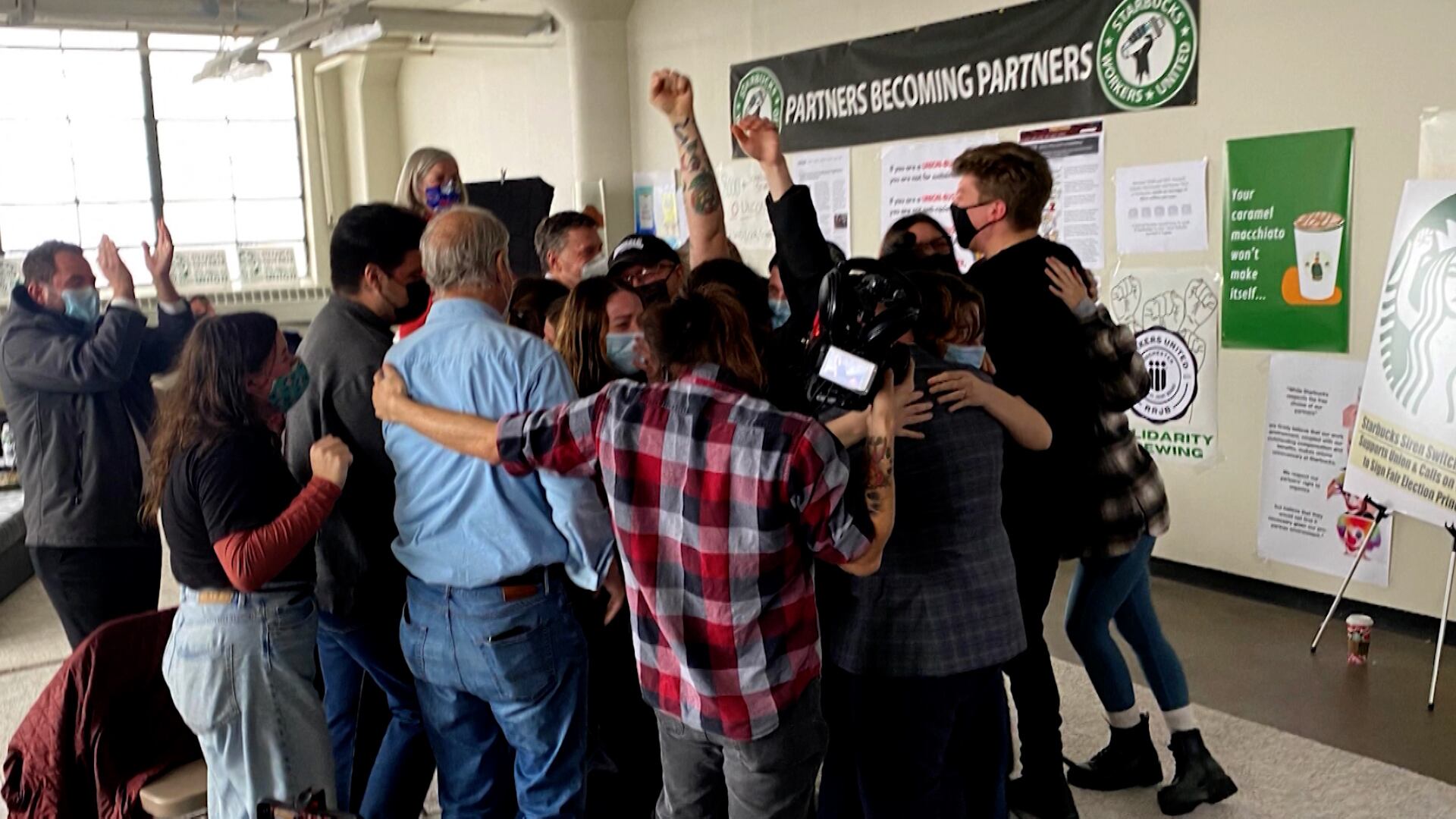
A second Starbucks location in the U.S. has officially voted to unionize. On Monday, the National Labor Relations Board announced workers at the Starbucks store located in the Buffalo, NY suburb of Cheektowaga voted 15-9 in favor of being represented by Workers United, an affiliate of the Service Employees International Union. The New York Times reports votes were tallied in December but remained inconclusive as the union challenged the ballots of several employees it said did not work at the store. A Starbucks spokesperson has said that it may appeal the labor board's decision, which comes as several other Starbucks stores across the country are also pushing to form a union. Danka Dragic, shift supervisor for the second Starbucks store in the country to unionize, joined Cheddar News' Closing Bell to discuss.
Earlier today, Minnesota Republican Representative, Tom Emmer, introduced a bill that would prevent the Federal Reserve from issuing a central bank digital currency directly to American consumers. According to the Congressman from Minnesota, requiring Americans to open a fed account to access a digital currency, would "put the Fed on insidious path akin to China's digital authoritarianism." Rep. Tom Emmer joined Cheddar's None of The Above to discuss more.
Sixteen of the country's most prestigious universities have been hit with a lawsuit claiming those schools illegally conspired to eliminate competitive financial aid offers for students. Just some of the schools mentioned include Yale, Brown, Columbia, UPenn, and Cornell. Author of "Who Gets In and Why" and Professor of practice at Arizona State University, Jeff Selingo, joined Cheddar to discuss more.