By Bill Barrow
Updated 1:55 pm ET
Joe Biden will not travel to Milwaukee to accept the Democratic presidential nomination because of concerns over the coronavirus, party officials said Wednesday, signaling a move to a convention that essentially has become entirely virtual.
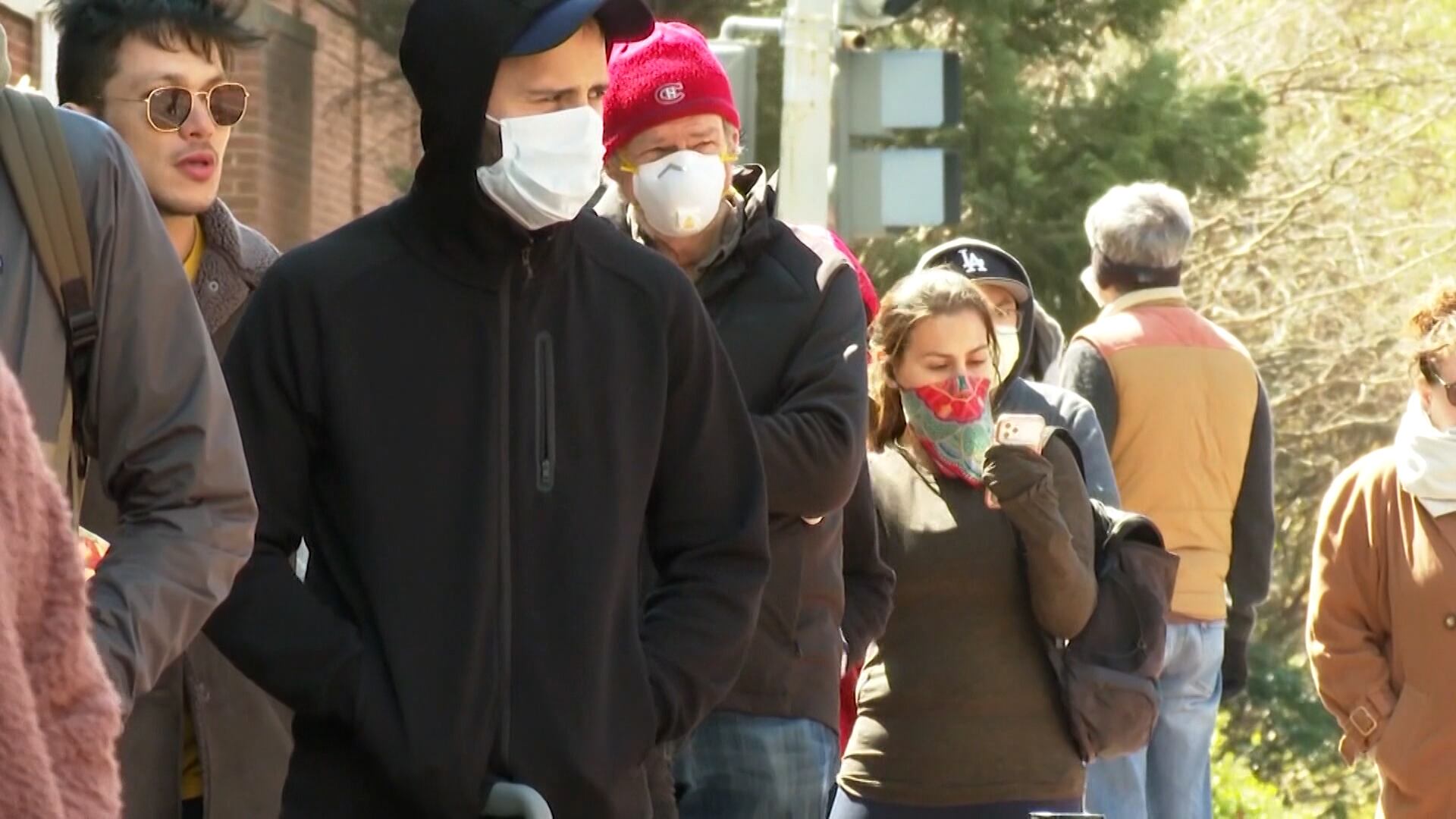
It is the latest example of the pandemic's sweeping effects on the 2020 presidential election and the latest blow to traditional party nominating conventions that historically have marked the start of fall general election campaigns.
"From the very beginning of this pandemic, we put the health and safety of the American people first," said Democratic National Committee Chair Tom Perez. "We followed the science, listened to doctors and public health experts, and we continued making adjustments to our plans in order to protect lives. That's the kind of steady and responsible leadership America deserves. And that's the leadership Joe Biden will bring to the White House."
Neither the Biden campaign nor DNC officials offered details about how Biden might accept the nomination, which even in the pandemic could be a made-for-screen event that reaches tens of millions of voters via television and online.
A DNC official said all speakers and presenters for the Aug. 17-24 convention are now expected to speak from remote locations.
Wisconsin Gov. Tony Evers, a Democrat, praised Biden for leading by example.
"The upcoming Democratic convention is different than we'd imagined. A lot has changed since we set out on this journey more than a year ago now, but the one thing that hasn't is Democrats' commitment to putting health and safety first," Evers said in a statement. "It has never been more important for elected officials to lead by example — that's the kind of leader Joe is, and that's the kind of president we need. I know he will continue to have a presence in Wisconsin, virtually or otherwise, and I look forward to doing everything we can to win Wisconsin."
President Donald Trump has abandoned his own plans to accept the Republican nomination in person. On Wednesday, he mused about potentially making his acceptance speech from the White House.
Biden and Democrats for months have moved toward a virtual convention, first by delaying the convention from its original mid-July date to the week before Republicans' scheduled convention in Charlotte, North Carolina.
DNC officials later authorized organizers to plan for virtual proceedings, then added an explicit call for delegates not to travel to Milwaukee. More than 4,000 delegates already were casting mail ballots for Biden's nomination and a platform that had been written and approved in meetings conducted online. But until Wednesday, it was expected that Biden and his running mate would speak from Milwaukee.
Biden is in the final days of deciding on a vice president, who he has said will be a woman.
Trump was far more reluctant than Biden to alter his convention plans, as he sought to downplay the pandemic's significance and push the country to return to normal operations. Trump jousted with North Carolina Gov. Roy Cooper, a Democrat, because Cooper wouldn't guarantee the president that he'd lift restrictions on large public gatherings so that Trump could pack Charlotte's NBA arena.
Trump then said he'd travel to Jacksonville, Florida, to make his address, a decision welcomed at the time by Republican Gov. Ron DeSantis. Florida has since seen its COVID-19 cases spike, part of a national trend that led Trump to yield to public health experts and cancel the event.