President Joe Biden signed an executive order on Tuesday that will ramp up the number of background checks conducted before gun sales.
The administration is touting the measure as bringing the U.S. as close as possible to universal background checks without Congress passing additional legislation, which would be unlikely given the stalemate on the issue in Congress.
"Again and again, [Biden] has called for Congress to act, including by banning assault weapons and high-capacity magazines, requiring background checks for all gun sales, requiring safe storage of firearms, closing the dating violence restraining order loophole, and repealing gun manufacturers’ immunity from liability," the White House said.
The order also calls on Congress to encourage greater use of so-called "red flag" laws, which allows members of the community to petition a court to determine whether an individual is dangerous and should be legally denied access to firearms.
The administration stressed that these laws are only effective when the public is aware of their existence and knows how to use them. Currently, 19 states and the District of Columbia have red flag laws on the books.
Finally, the White House is urging the Federal Trade Commission to issue a public report investigating whether and how gun manufacturers market firearms to minors.
Biden signed the order in Monterey Park, California, where a gunman recently killed 11 people and injured nine others.
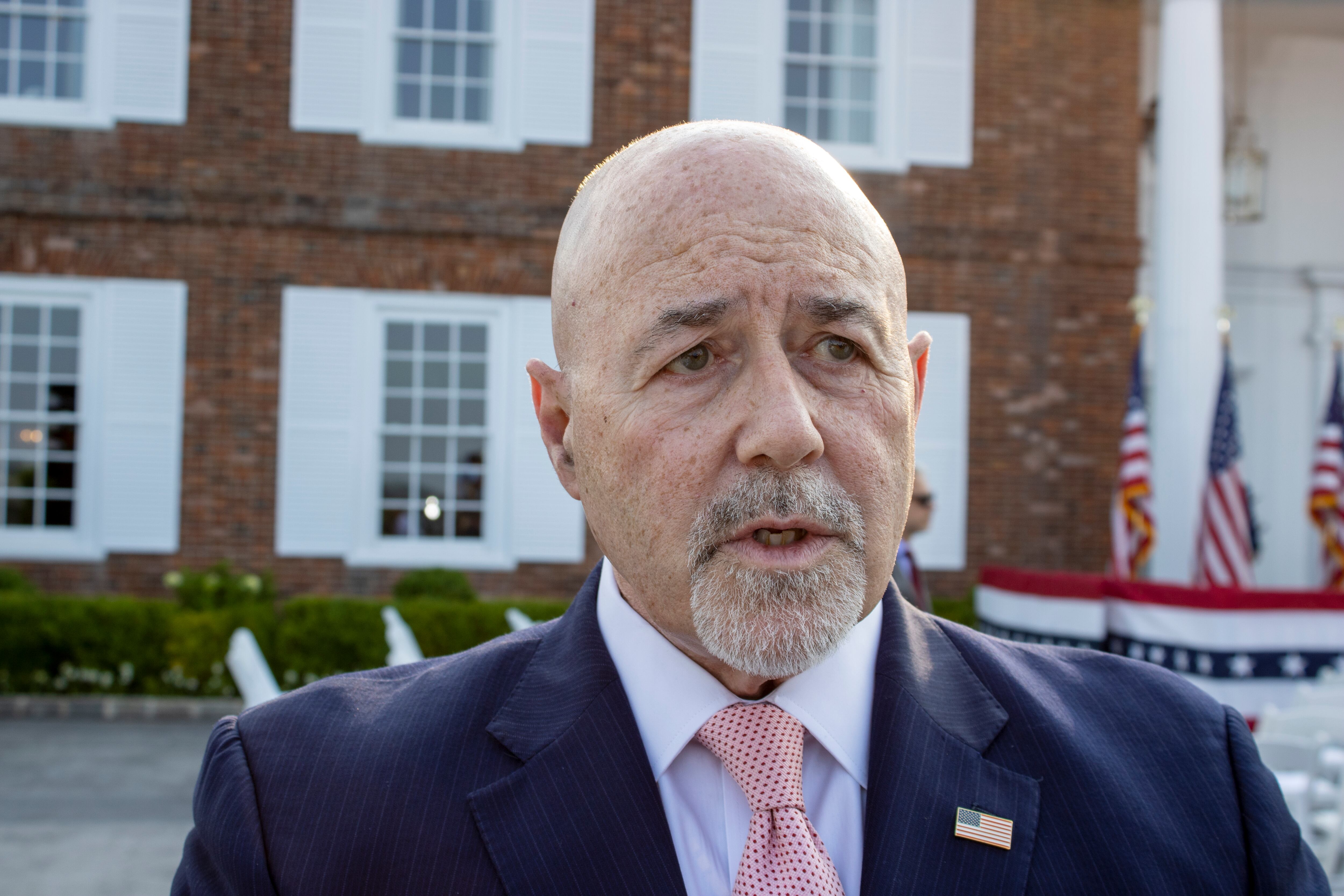
The lawyer for former NYPD commissioner Bernard Kerik turned over thousands of pages and documents to a special counsel as part of an investigation into Kerik's alleged involvement to overturn the results of the 2020 election.
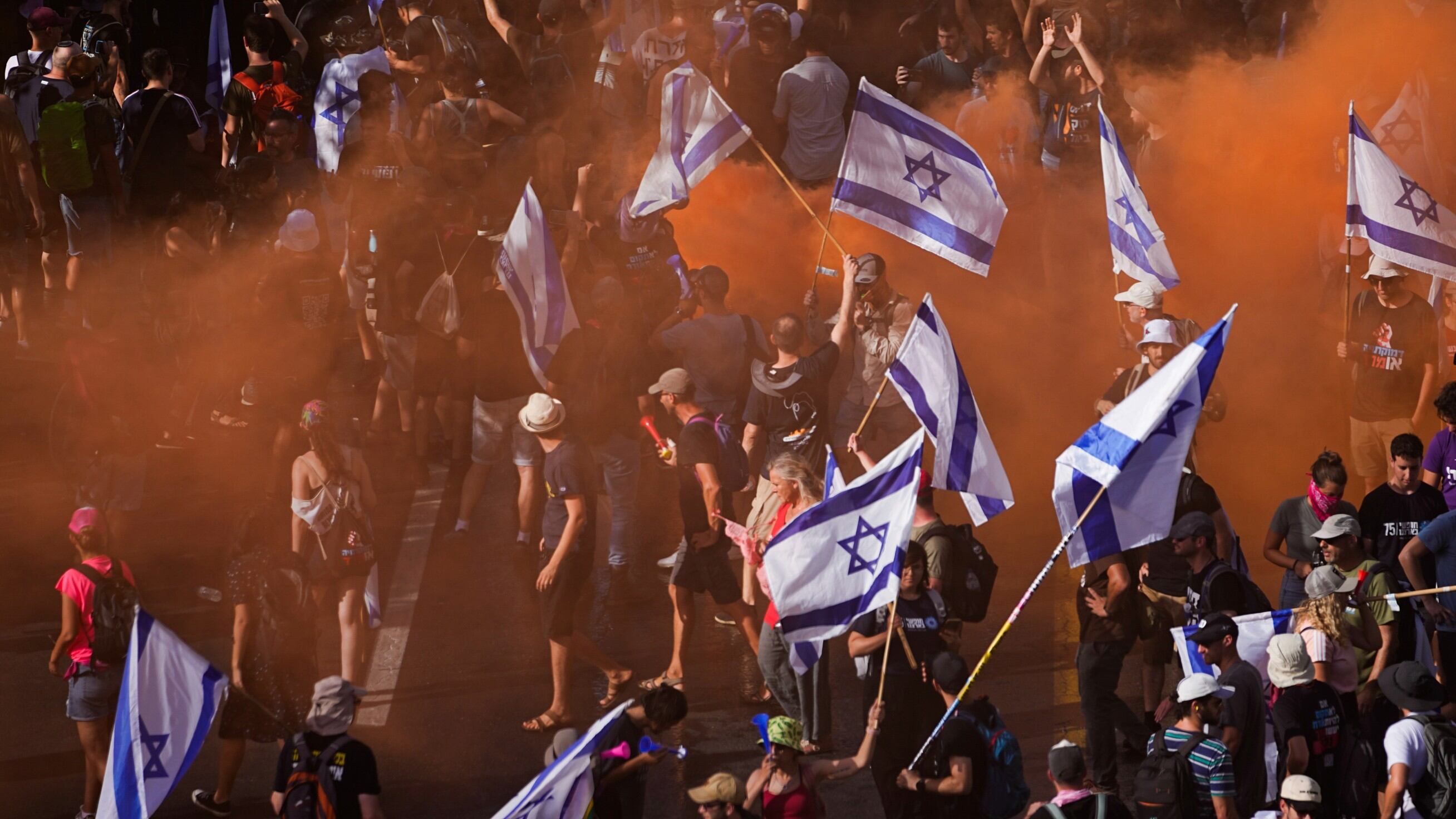
Israel’s parliament on Monday approved the first major law in Prime Minister Benjamin Netanyahu’s contentious plan to overhaul the country’s justice system, triggering a new burst of mass protests and drawing accusations that he was pushing the country toward authoritarian rule.
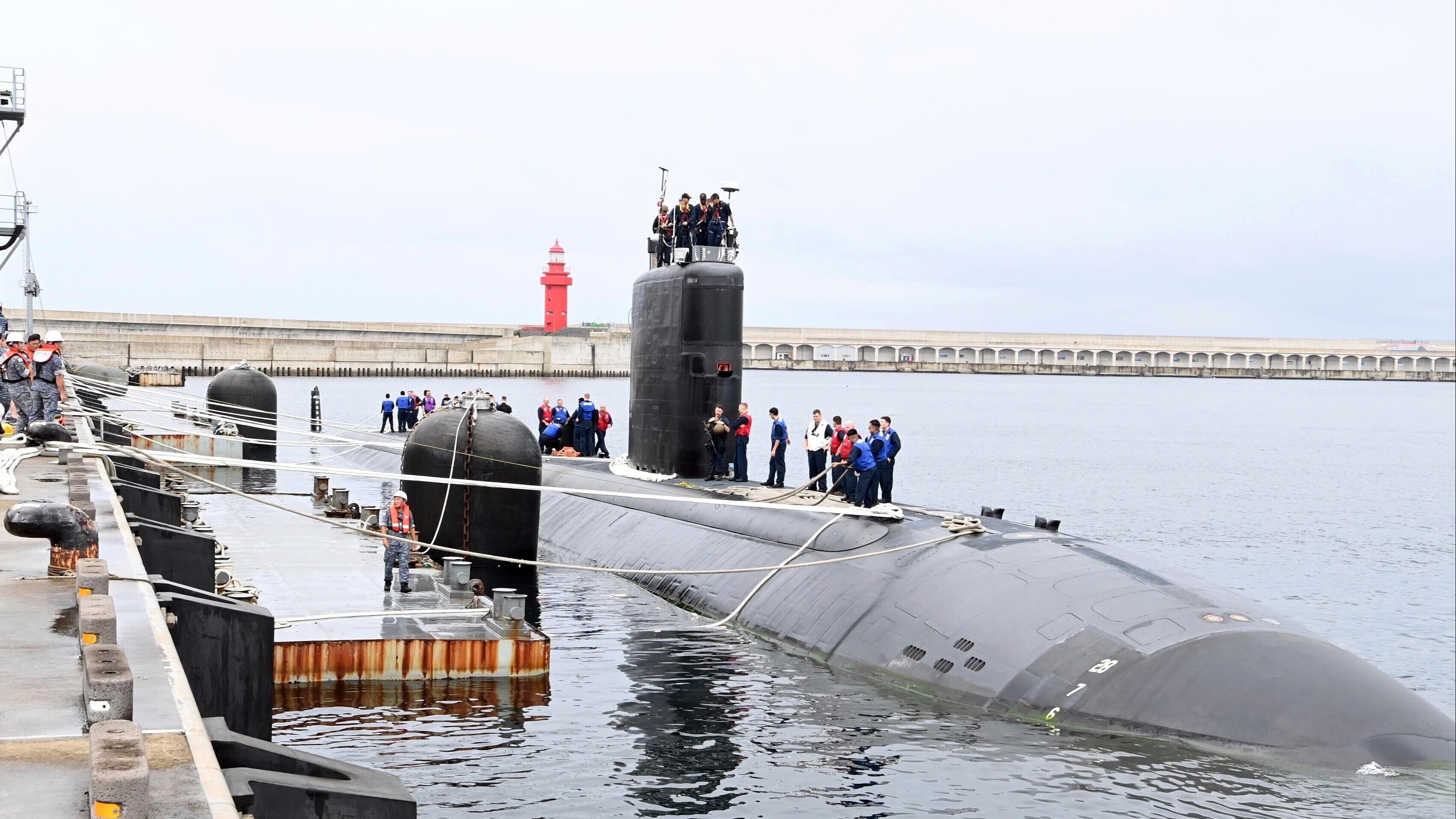
North Korea fired two short-range ballistic missiles into its eastern sea, South Korea’s military said Tuesday, adding to a recent streak in weapons testing that is apparently in protest of the U.S. sending major naval assets to South Korea in a show of force.
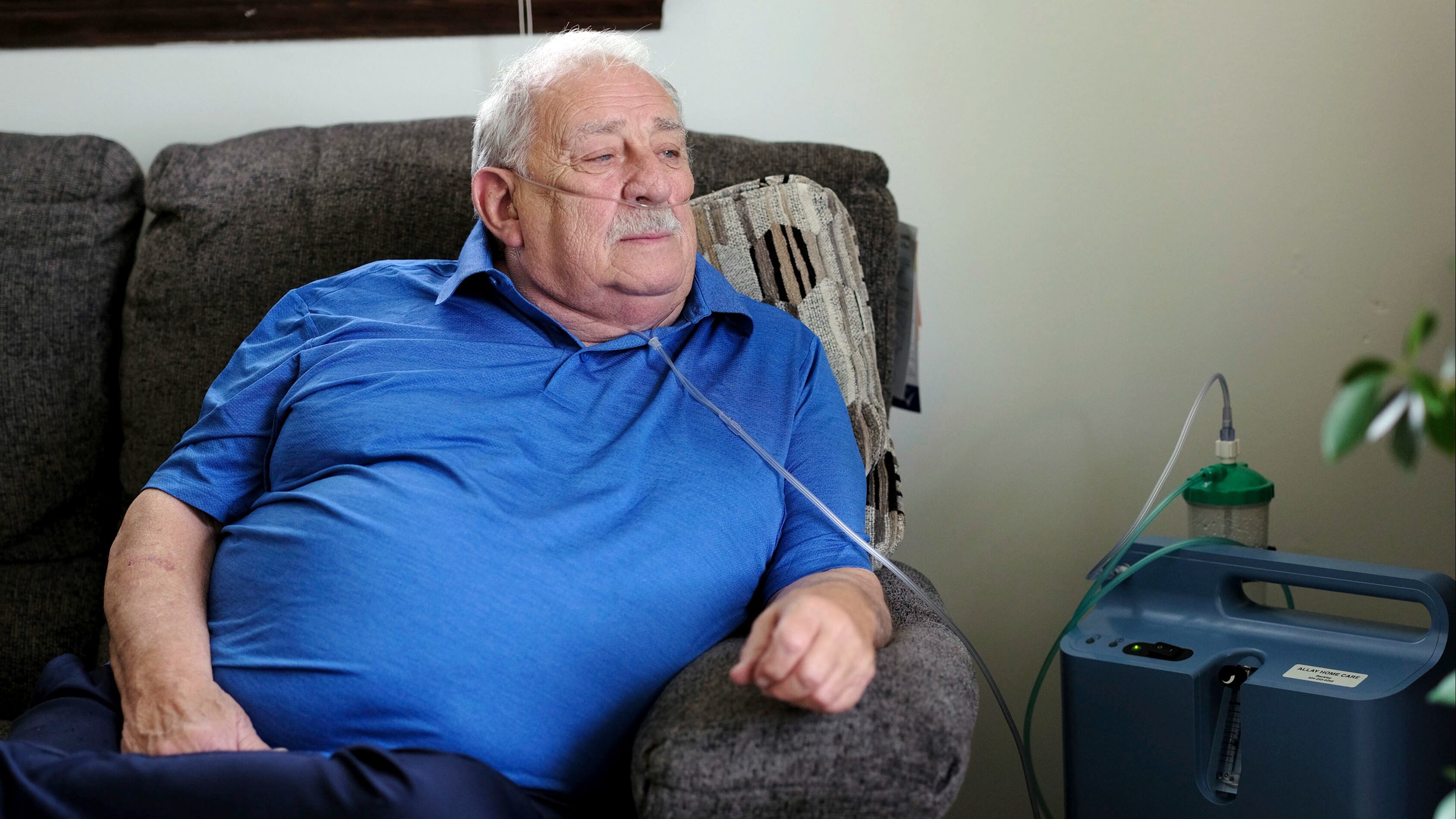
Now the federal Mine Safety and Health Administration has proposed a rule that would cut the current limit for silica exposure by half — a major victory for safety advocates. But there is skepticism and concern about the government following through after years of broken promises and delays.
A state trooper's account of officers denying migrants water in 100-degree Fahrenheit (37.7 Celsius) temperatures and razor wire leaving asylum-seekers bloodied has prompted renewed criticism.