President Joe Biden signed an executive order on Tuesday that will ramp up the number of background checks conducted before gun sales.
The administration is touting the measure as bringing the U.S. as close as possible to universal background checks without Congress passing additional legislation, which would be unlikely given the stalemate on the issue in Congress.
"Again and again, [Biden] has called for Congress to act, including by banning assault weapons and high-capacity magazines, requiring background checks for all gun sales, requiring safe storage of firearms, closing the dating violence restraining order loophole, and repealing gun manufacturers’ immunity from liability," the White House said.
The order also calls on Congress to encourage greater use of so-called "red flag" laws, which allows members of the community to petition a court to determine whether an individual is dangerous and should be legally denied access to firearms.
The administration stressed that these laws are only effective when the public is aware of their existence and knows how to use them. Currently, 19 states and the District of Columbia have red flag laws on the books.
Finally, the White House is urging the Federal Trade Commission to issue a public report investigating whether and how gun manufacturers market firearms to minors.
Biden signed the order in Monterey Park, California, where a gunman recently killed 11 people and injured nine others.
Read the full executive order here.
Updated March 14, 2023 at 4:55 p.m. ET after Biden signed the executive order.
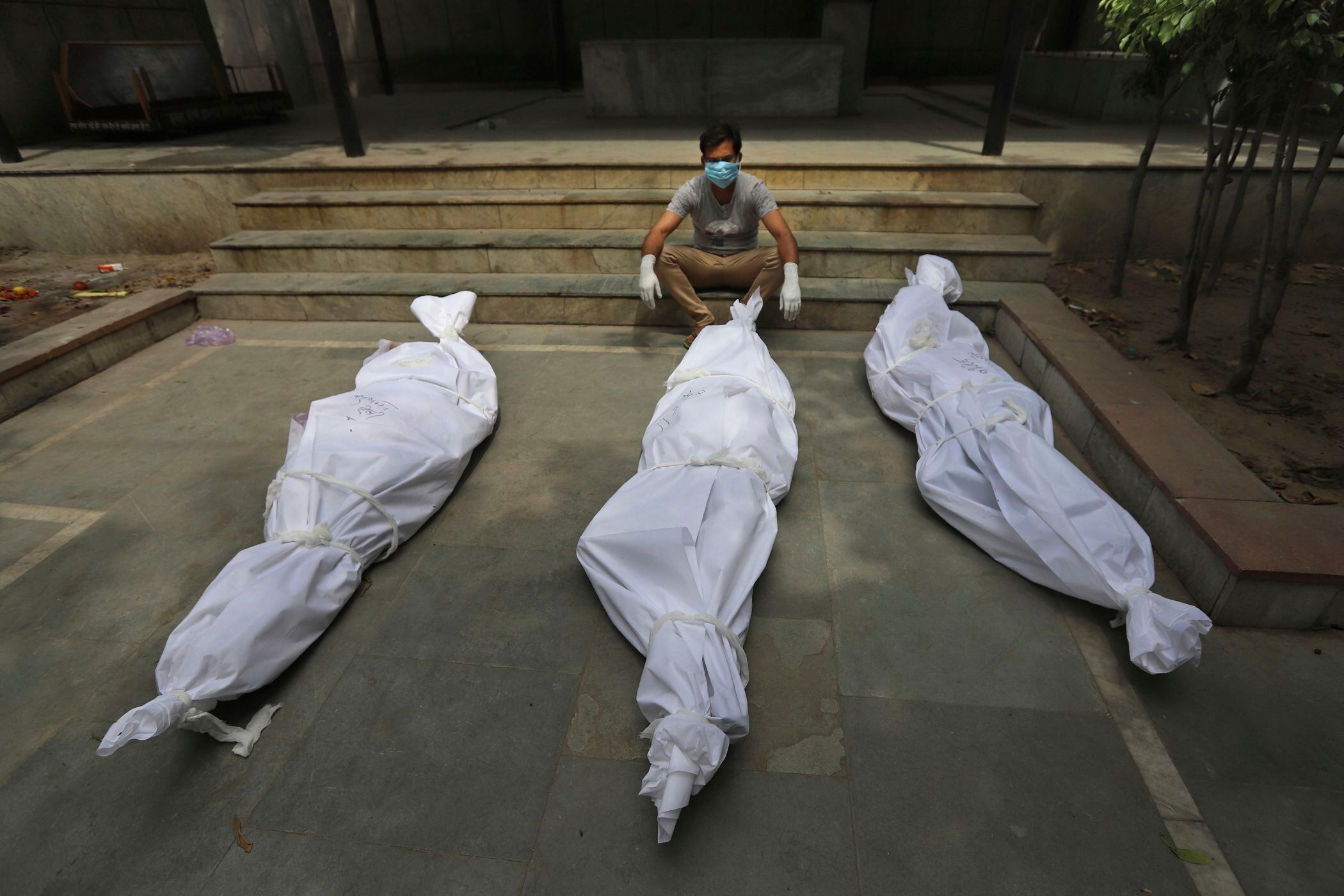
India’s official death toll has passed 200,000, but the true number is likely far higher.
MindMed CEO J.R. Rahn spoke to Cheddar about the psychedelic mental health therapy company taking the big step forward going public on the Nasdaq exchange.
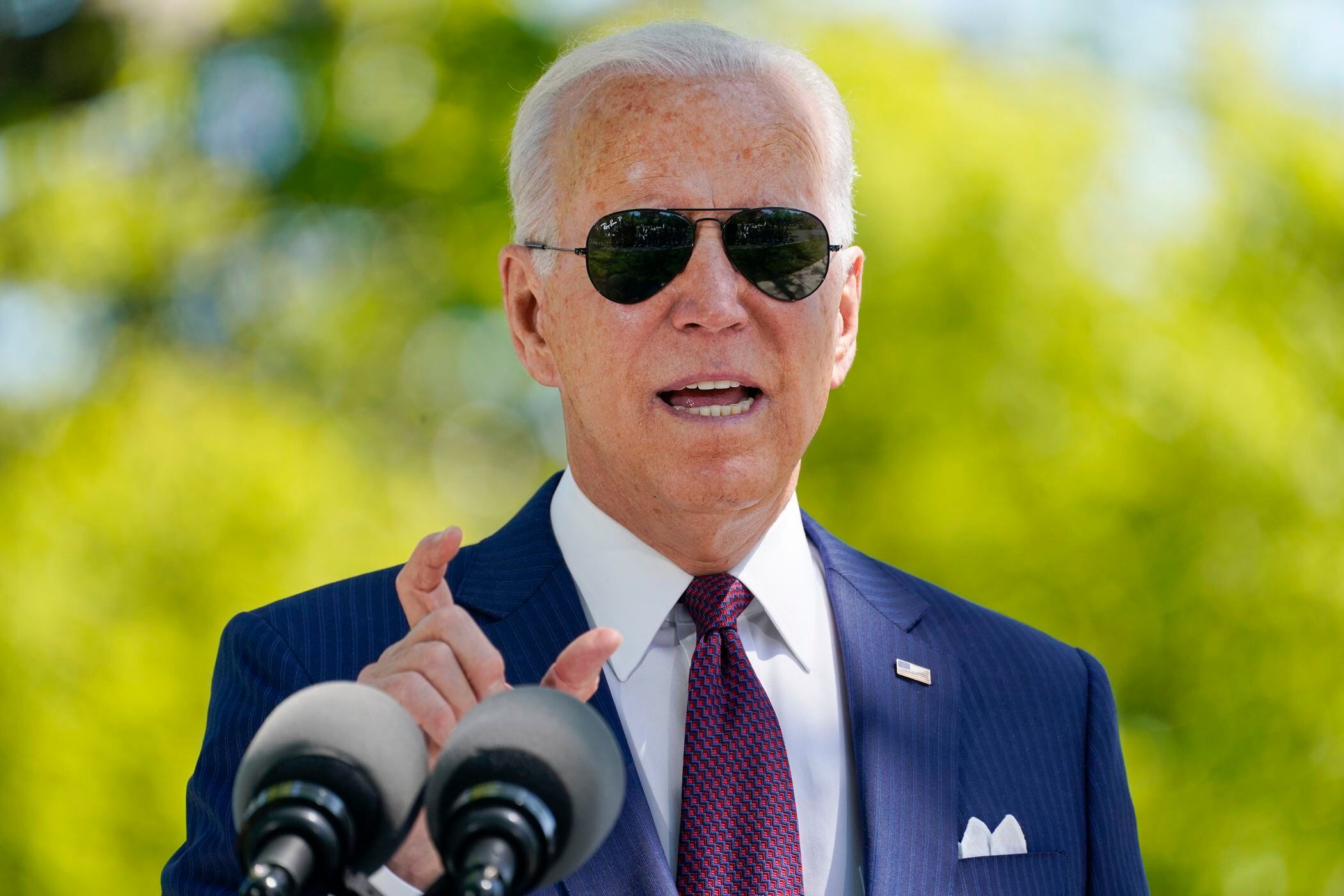
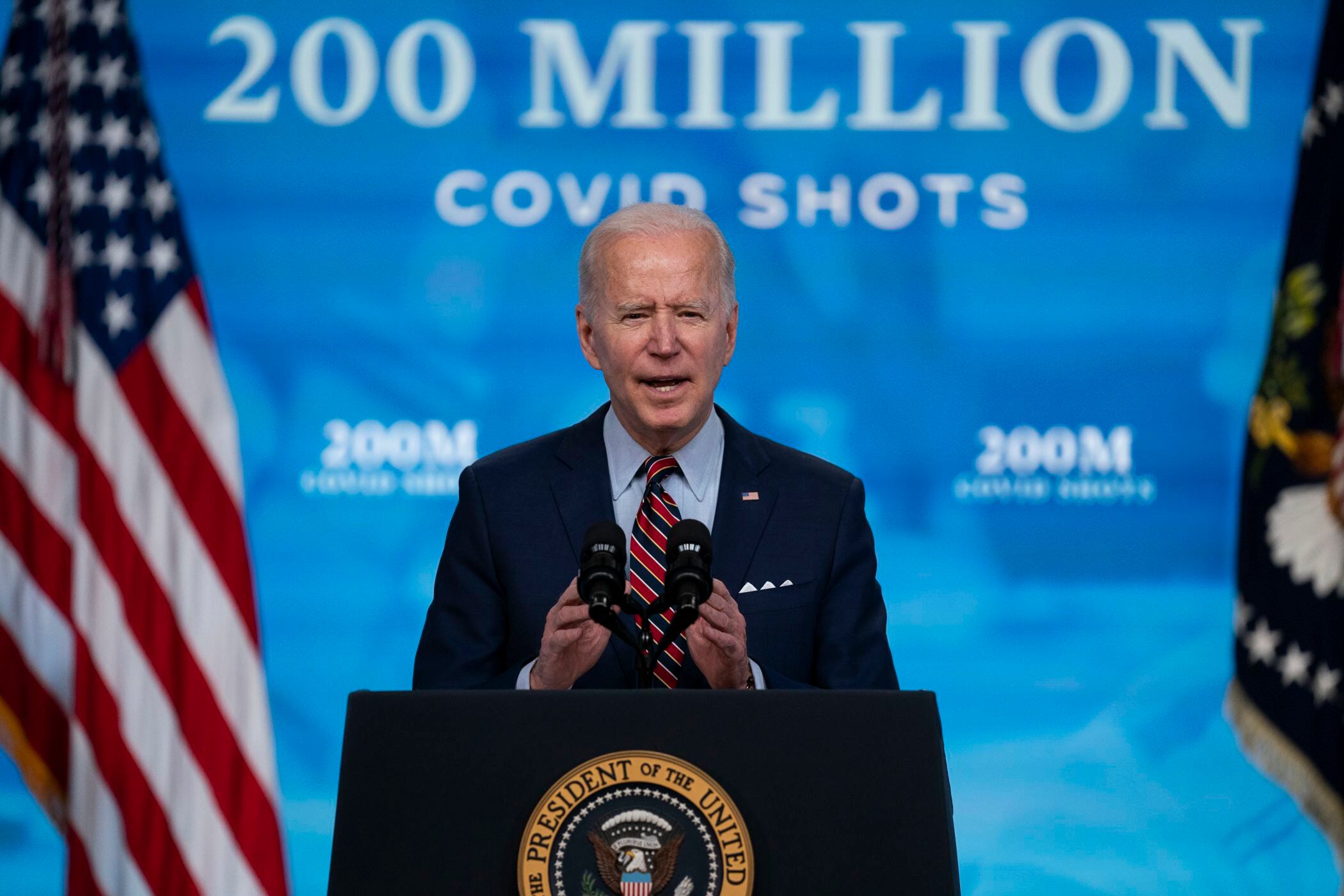
President Joe Biden spent his first 100 days in office encouraging Americans to mask up and stay home to slow the spread of COVID-19.
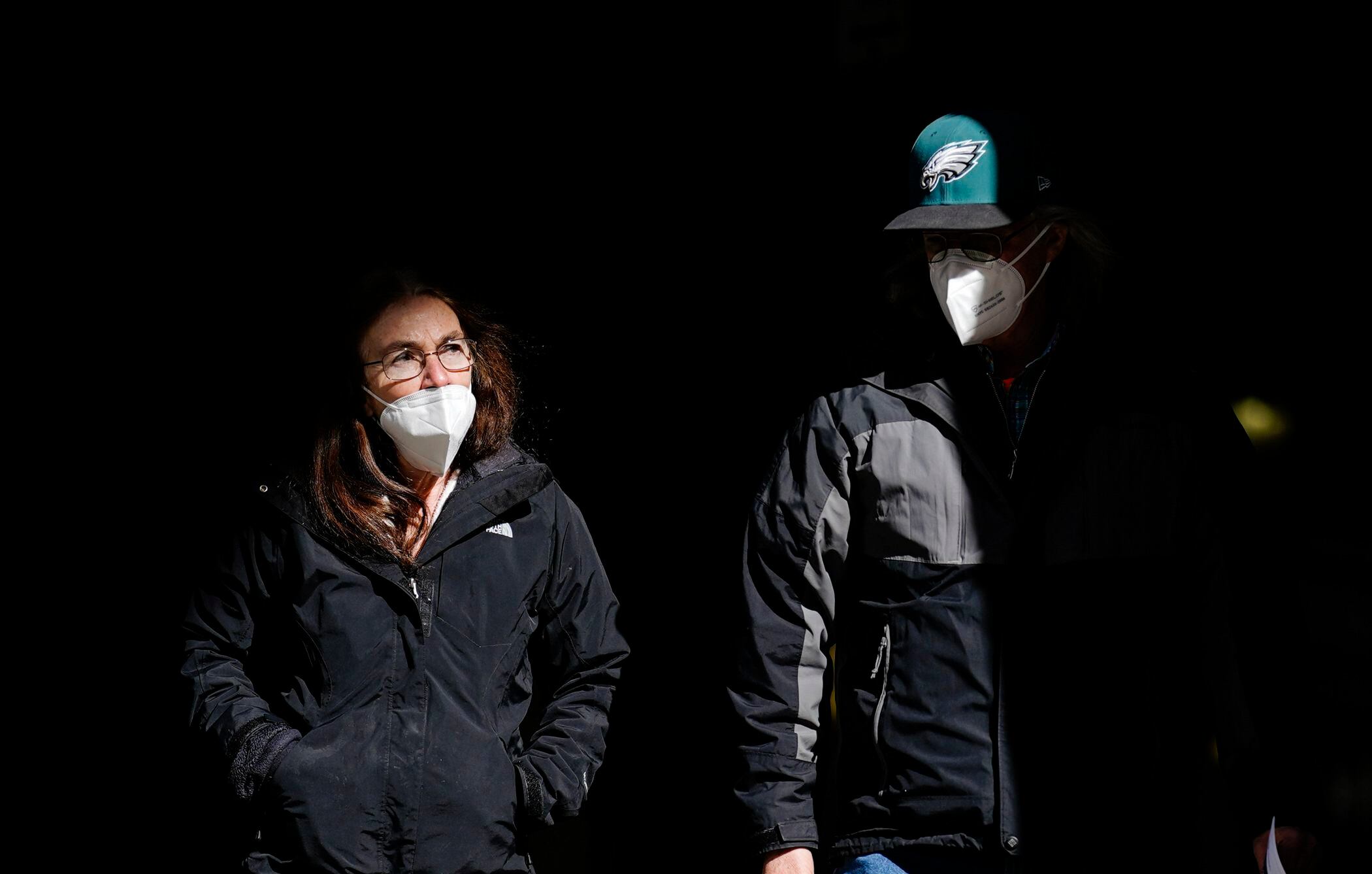
U.S. health officials say fully vaccinated Americans don't need to wear masks outdoors anymore unless they are in a big crowd of strangers.
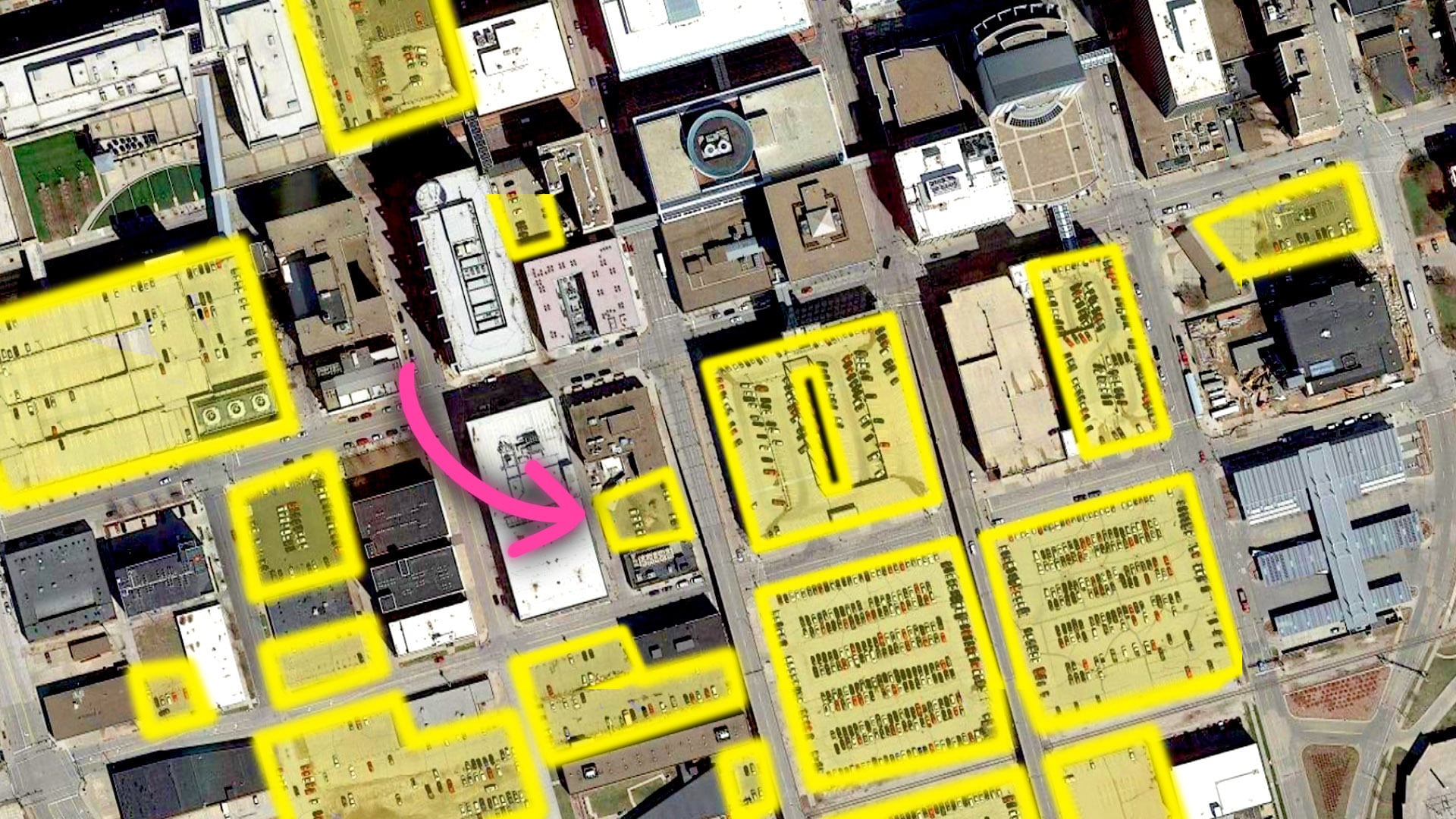
Car culture in the U.S. spurred a parking boom since the early 1900s. As a result, cities are chock full of parking lots and garages. Cheddar explains why this happened and the often unseen damage it's doing to our urban centers.
Jill and Carlo talk about optimism on the pandemic and economy, a big demographic shift that will have implications for the midterms, Apple rolling out its new privacy tool, and the Oscars ratings.
The first numbers from the 2020 census are out and they show Republican-controlled Southern and Western states gaining congressional seats.
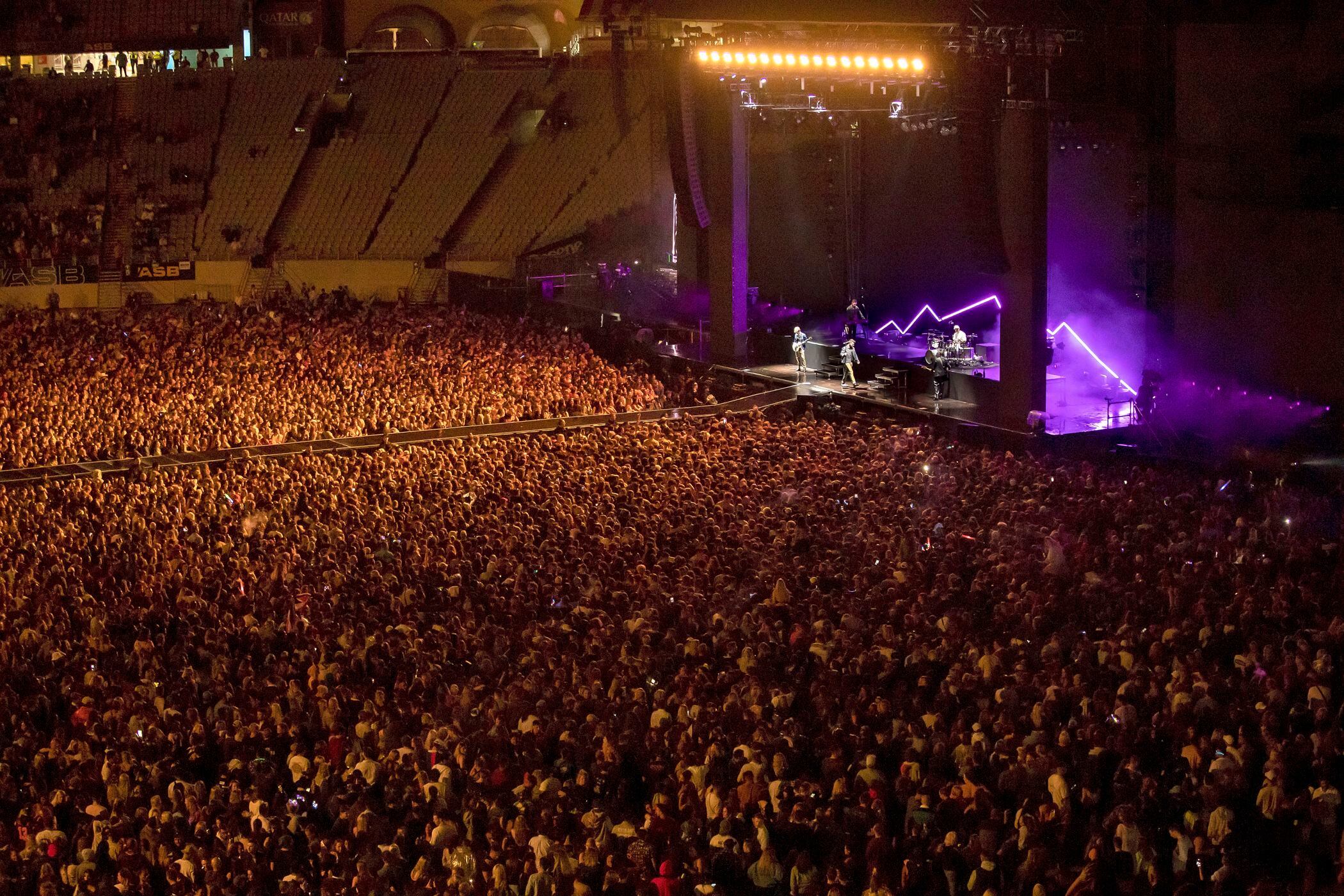
While much of the world remains hunkered down, the band Six60 has been playing to huge crowds in New Zealand, where social distancing isn’t required after the nation stamped out the coronavirus.
The White House says the U.S. will begin sharing its entire stock of AstraZeneca COVID-19 vaccines with the world once it clears federal safety reviews.
Even before COVID, Modern Monetary Theory (MMT) was coming into vogue among left-leaning economists and policy-makers. But what is it? And what are the arguments for and against it?