President Joe Biden signed an executive order on Tuesday that will ramp up the number of background checks conducted before gun sales.
The administration is touting the measure as bringing the U.S. as close as possible to universal background checks without Congress passing additional legislation, which would be unlikely given the stalemate on the issue in Congress.
"Again and again, [Biden] has called for Congress to act, including by banning assault weapons and high-capacity magazines, requiring background checks for all gun sales, requiring safe storage of firearms, closing the dating violence restraining order loophole, and repealing gun manufacturers’ immunity from liability," the White House said.
The order also calls on Congress to encourage greater use of so-called "red flag" laws, which allows members of the community to petition a court to determine whether an individual is dangerous and should be legally denied access to firearms.
The administration stressed that these laws are only effective when the public is aware of their existence and knows how to use them. Currently, 19 states and the District of Columbia have red flag laws on the books.
Finally, the White House is urging the Federal Trade Commission to issue a public report investigating whether and how gun manufacturers market firearms to minors.
Biden signed the order in Monterey Park, California, where a gunman recently killed 11 people and injured nine others.
Read the full executive order here.
Updated March 14, 2023 at 4:55 p.m. ET after Biden signed the executive order.
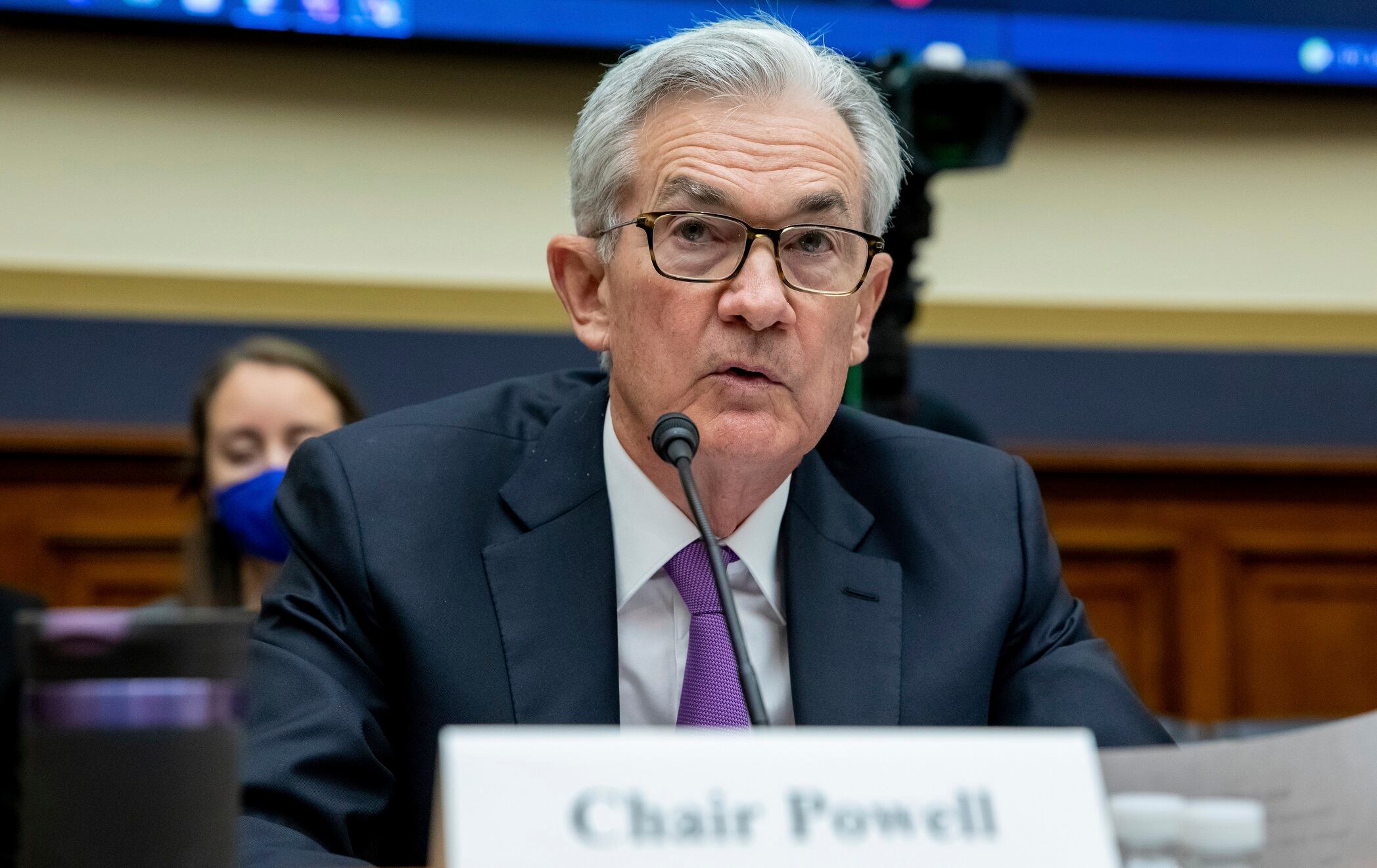
The Federal Reserve has nixed the controversial word "transitory" to describe inflation in its latest policy statement. The change in language comes as the Fed plans to speed up its tapering of monthly asset purchases.
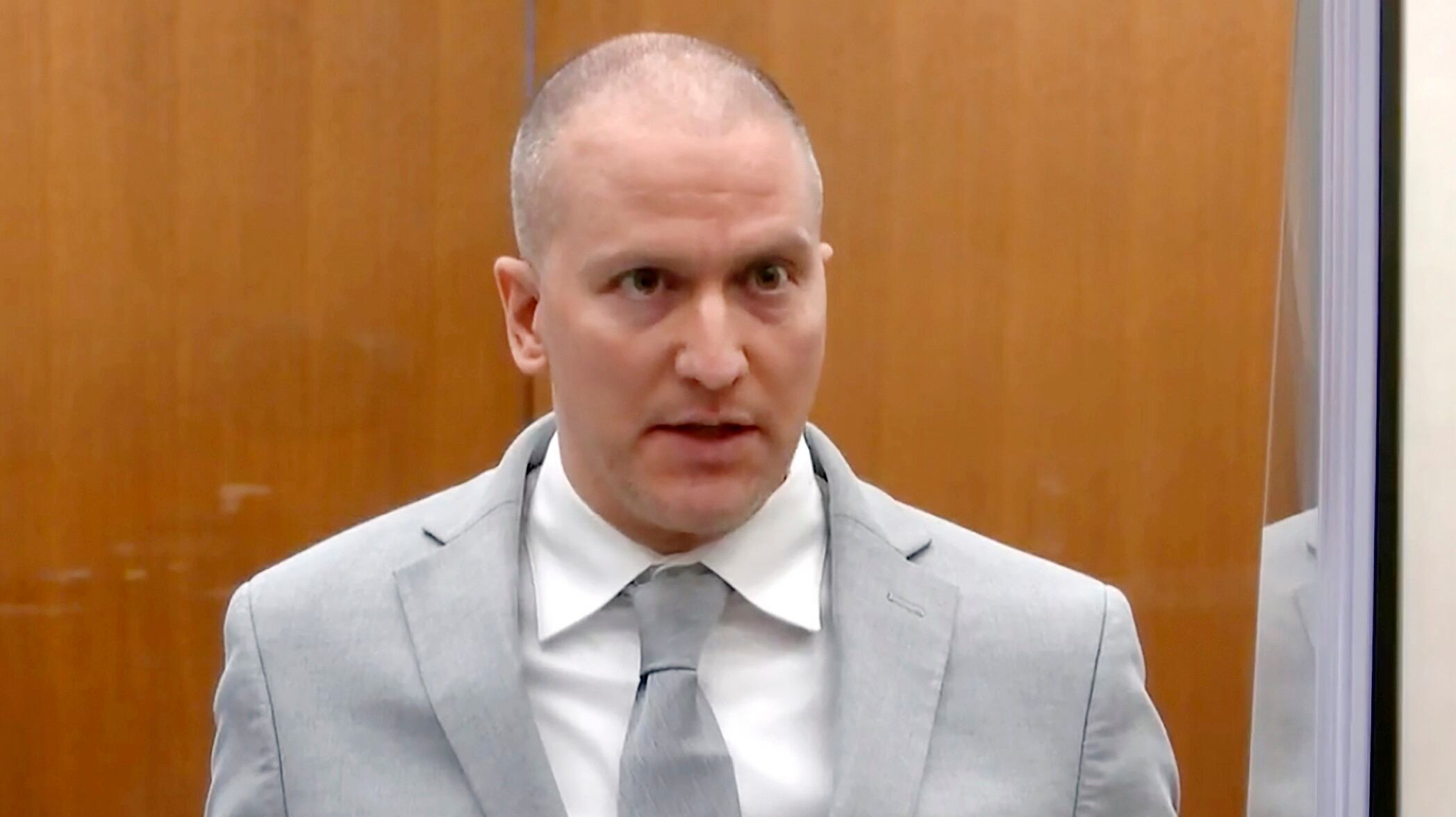
Former Minneapolis police Officer Derek Chauvin has pleaded guilty to a federal charge of violating George Floyd’s civil rights.
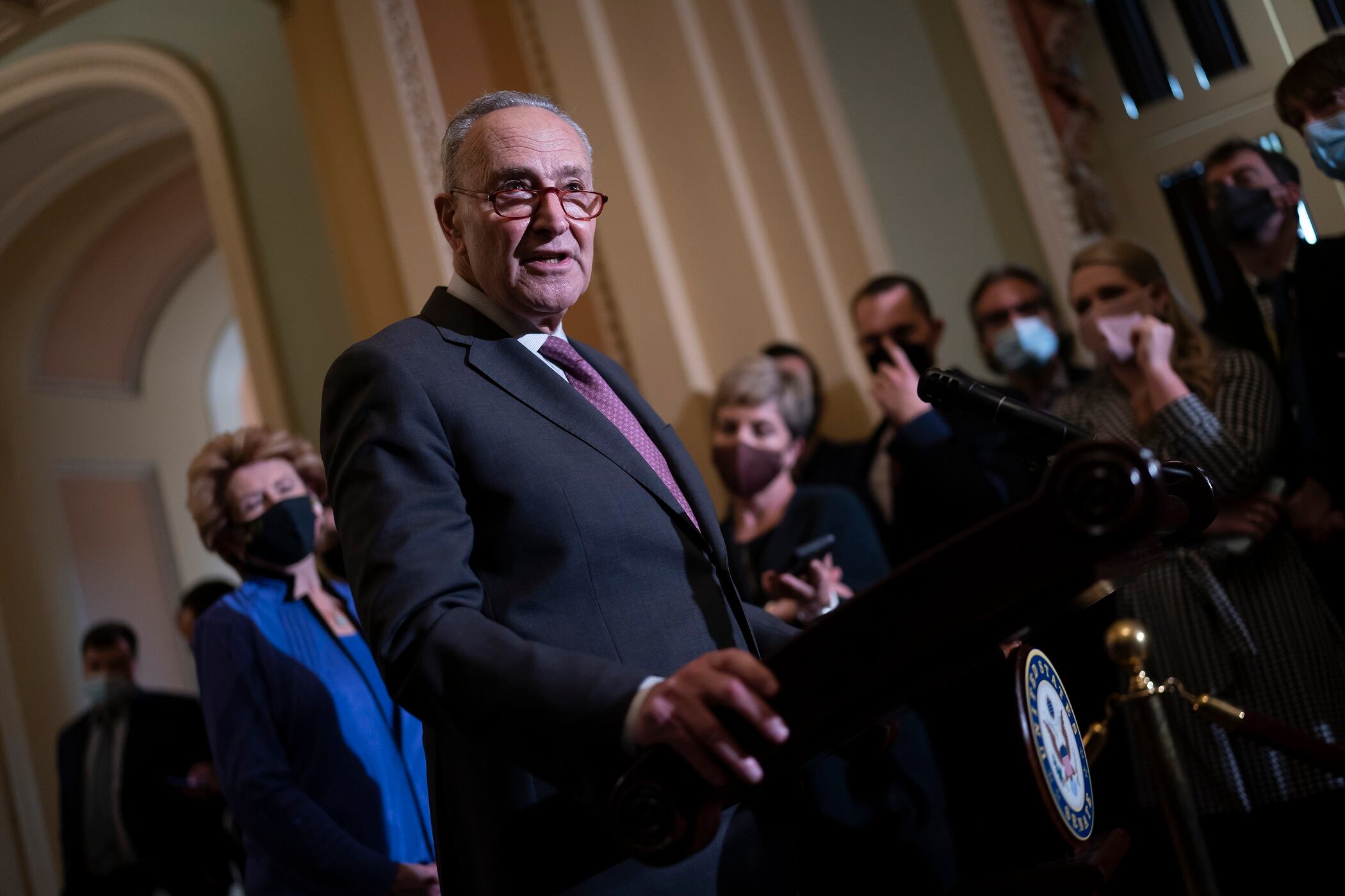
Congress has approved a $2.5 trillion debt limit hike, sending legislation to avert a catastrophic default to President Joe Biden for his signature.
Despite the hype and headlines earlier this year around meme stocks and Robinhood, the SEC and FINRA have made few concrete changes around retail investing.
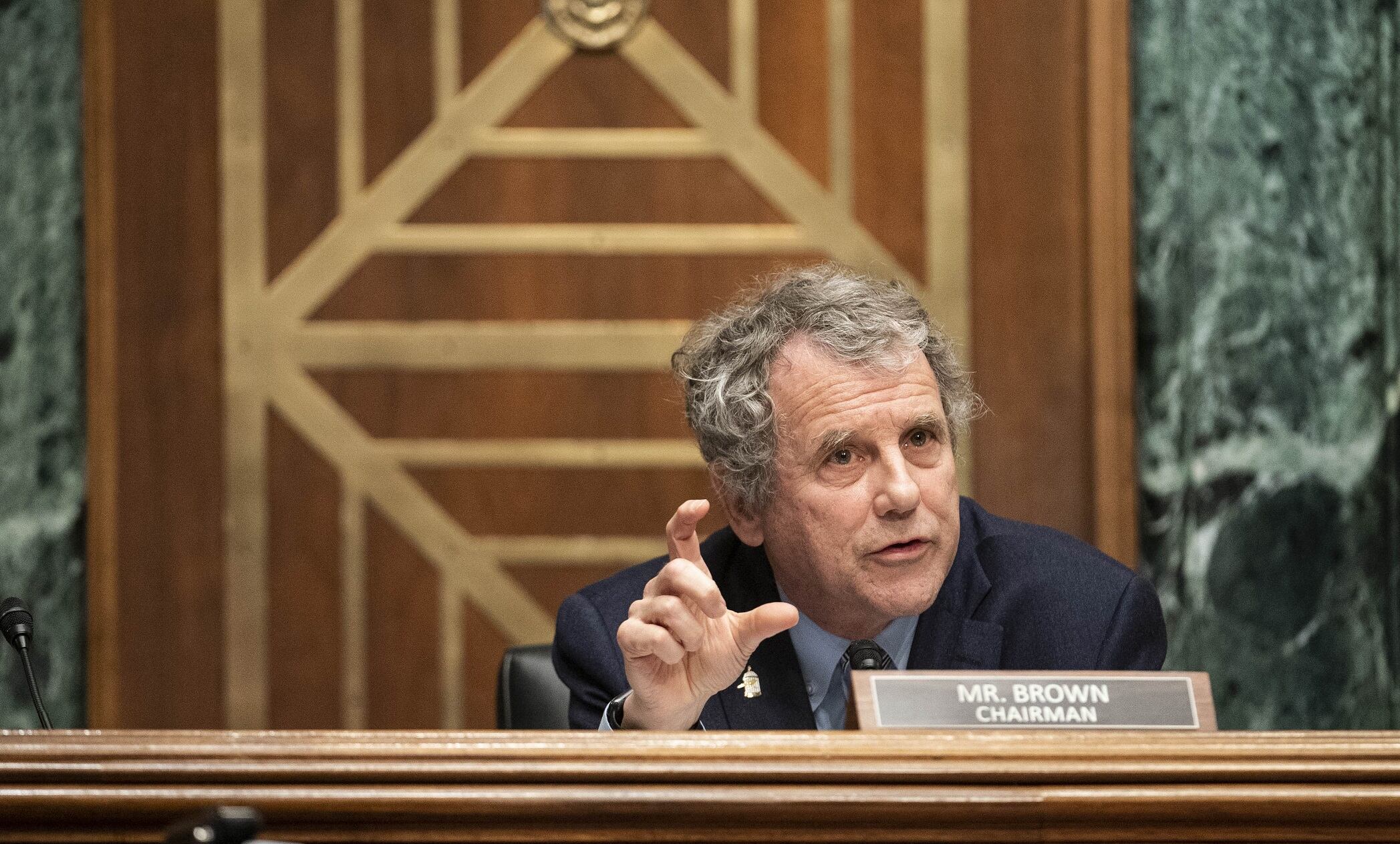
The Senate Committee on Banking, Housing and Urban Affairs held a hotly debated hearing regarding fiat-backed stablecoins on Tuesday that still led to a conclusion the space needed some form of regulation.
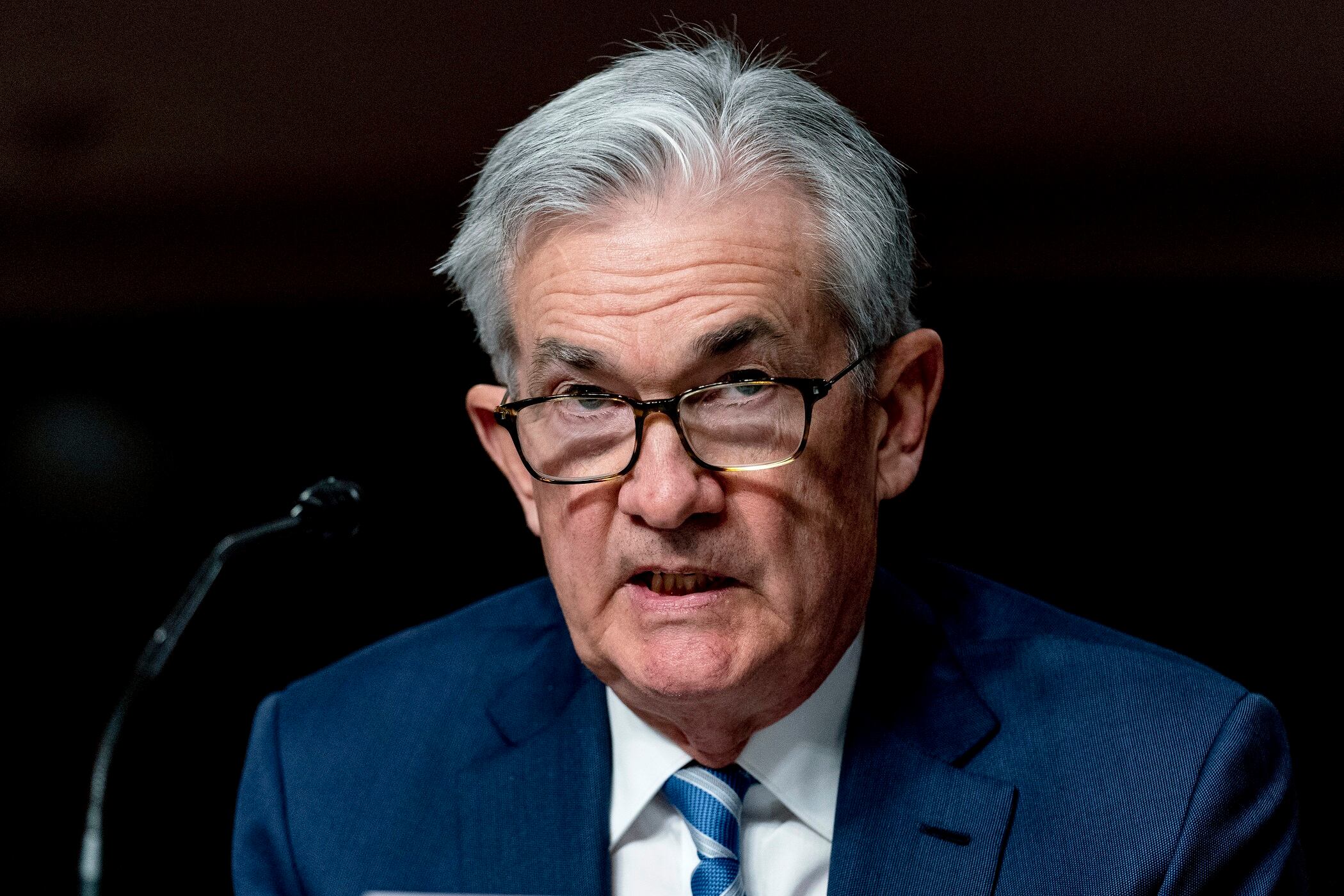
Under Chair Jerome Powell, the Federal Reserve is poised this week to execute a sharp turn toward tighter interest-rate policies with inflation accelerating and unemployment falling faster than expected.
Cheddar has been covering the biggest news of the week with some of the biggest names in the biz. In case you missed it, we've pulled together some of the highlights that will keep you informed as we get ready for the week ahead.
Prices were up 6.8 percent year-over-year In November, according to the latest consumer price index from the U.S. Bureau of Labor Statistics.
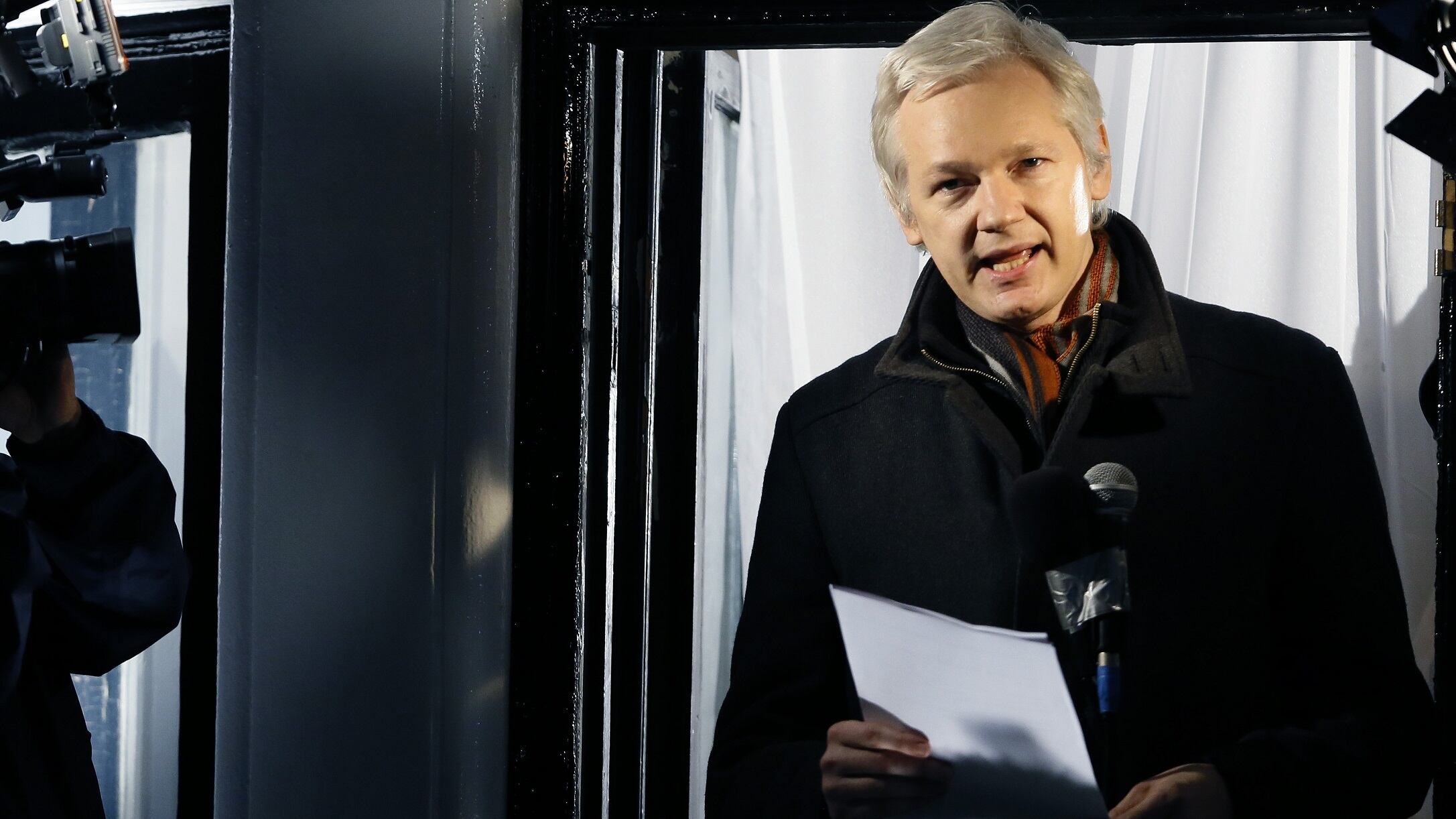
A British appellate court opened the door Friday for Julian Assange to be extradited to the United States by overturning a lower court's decision that the WikiLeaks founder's mental health was too fragile to withstand the American criminal justice system.
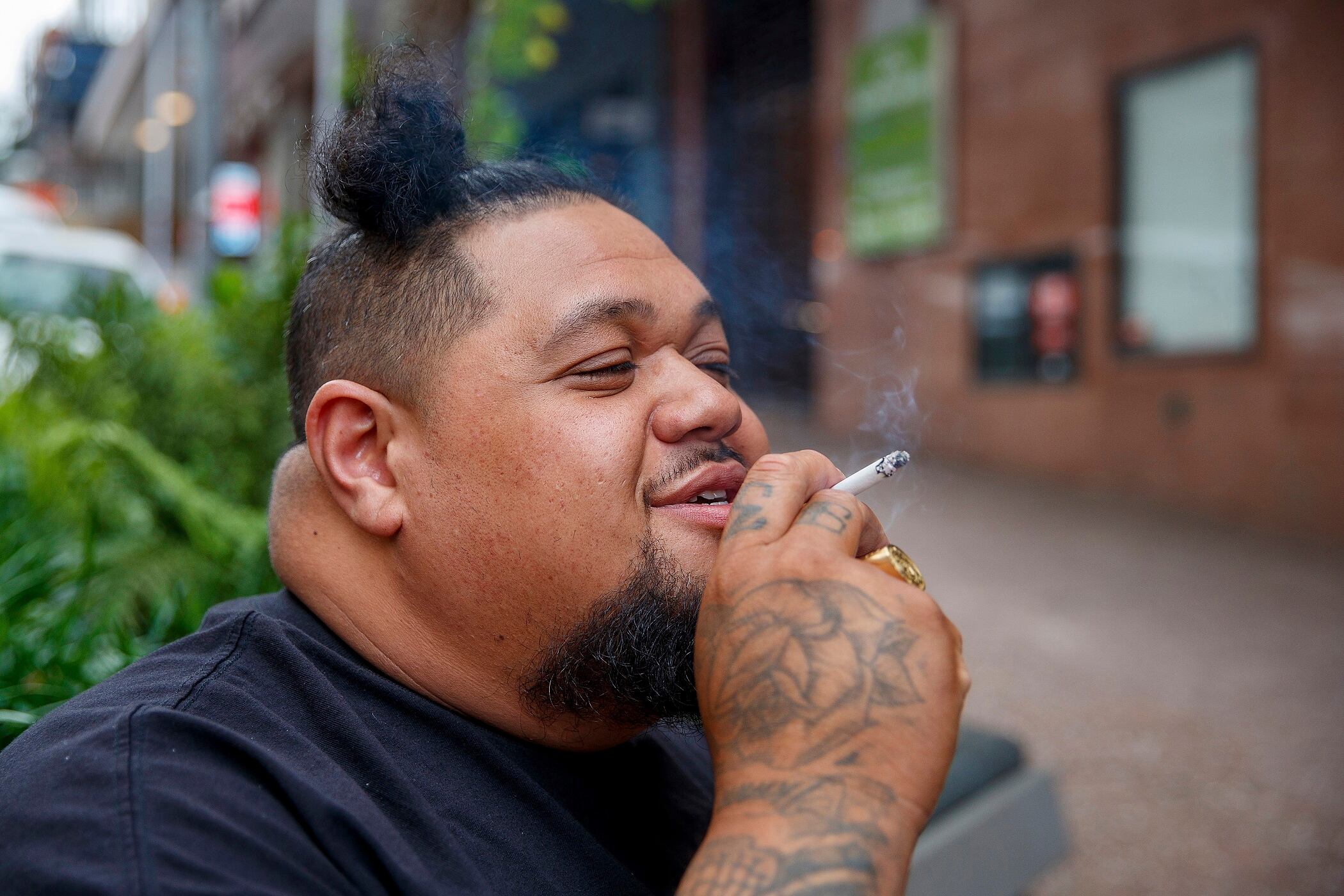
New Zealand’s government believes it has come up with a unique plan to end tobacco smoking — a lifetime ban for those aged 14 or younger.