President Joe Biden signed an executive order on Tuesday that will ramp up the number of background checks conducted before gun sales.
The administration is touting the measure as bringing the U.S. as close as possible to universal background checks without Congress passing additional legislation, which would be unlikely given the stalemate on the issue in Congress.
"Again and again, [Biden] has called for Congress to act, including by banning assault weapons and high-capacity magazines, requiring background checks for all gun sales, requiring safe storage of firearms, closing the dating violence restraining order loophole, and repealing gun manufacturers’ immunity from liability," the White House said.
The order also calls on Congress to encourage greater use of so-called "red flag" laws, which allows members of the community to petition a court to determine whether an individual is dangerous and should be legally denied access to firearms.
The administration stressed that these laws are only effective when the public is aware of their existence and knows how to use them. Currently, 19 states and the District of Columbia have red flag laws on the books.
Finally, the White House is urging the Federal Trade Commission to issue a public report investigating whether and how gun manufacturers market firearms to minors.
Biden signed the order in Monterey Park, California, where a gunman recently killed 11 people and injured nine others.
Adam Mosseri, head of Instagram, faced withering questions on Capitol Hill about the reports the social media app was aware of the severe mental health impacts it was having on teenage girls. Karen Kornbluh, the director of digital innovation and democracy for the German Marshall Fund, joined Cheddar to discuss the rare show of bipartisan outrage on display at the Senate hearing. "The senators came really loaded for bear on both sides of the aisle," she said. Kornbluh explained how senators like Richard Blumenthal (D-Conn.) set up fake Instagram accounts with teen girl profiles in order to research the effects firsthand.
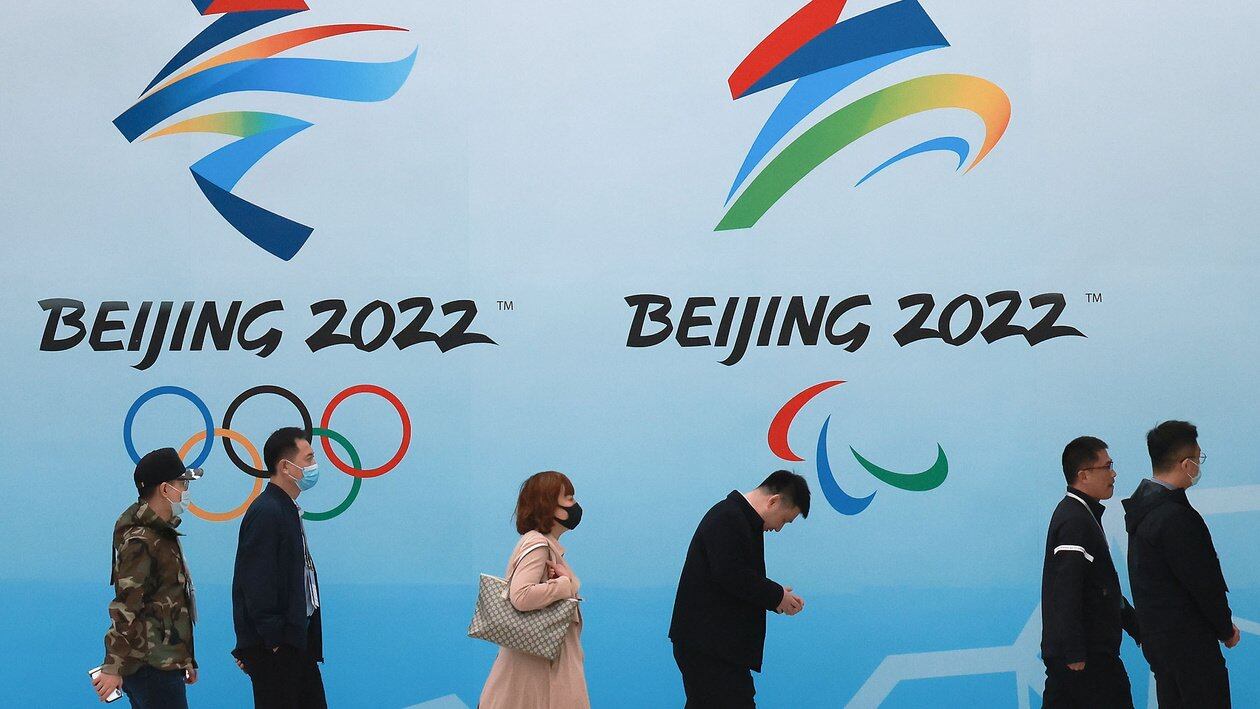
The Biden administration will not send an official U.S. delegation to the 2022 Winter Olympics in Beijing as a statement against China's "ongoing genocide and crimes against humanity in Xinjiang." Weifeng Zhong, senior research fellow at George Mason University's Mercatus Center, joins Cheddar News to discuss the boycott.
Back in 2010, several large companies pledged to work towards stopping deforestation by 2020. Companies like Nestle and Carrefour even went further to say that they would eliminate deforestation from their supply chains altogether. However, fast forward to 2020, many of these companies have failed to reach that goal. Associate Director of Forest at the CDP Nadia Bishai, joined Cheddar to discuss more.
Instagram Chief Executive Adam Mosseri is set to testify before Congress for the first time. Mosseri’s appearance follows reports that showed Facebook and Instagram are aware of the harms their apps and services cause, including to teen mental health. Nicole Gill, co-founder and executive director of Accountable Tech joins Cheddar News to preview the hearing.
Chamber of Progress CEO Adam Kovacevich joined Wake Up With Cheddar to break down what to expect from the cryptocurrency executives appearing on Capitol Hill and how it could impact future crypto regulation. "I think what most people want to see from regulation is essentially channeling the good and the potential and putting in place guardrails to minimize the bad," he said.
Markets opened higher as investors shrugged off weaker-than-expected job growth and Omicron fears. George Seay, CEO, Annandale Capital joined Cheddar's Opening Bell to discuss.
Less than six months after making its public debut on the NYSE, Chinese ride-hailing giant Didi says it will delist in the U.S. and pivot to Hong Kong instead. Chinese regulators are citing cybersecurity and data concerns. Shehzad Qazi, Managing Director, China Beige Book International joined Cheddar's Opening Bell to discuss.