President Joe Biden signed an executive order on Tuesday that will ramp up the number of background checks conducted before gun sales.
The administration is touting the measure as bringing the U.S. as close as possible to universal background checks without Congress passing additional legislation, which would be unlikely given the stalemate on the issue in Congress.
"Again and again, [Biden] has called for Congress to act, including by banning assault weapons and high-capacity magazines, requiring background checks for all gun sales, requiring safe storage of firearms, closing the dating violence restraining order loophole, and repealing gun manufacturers’ immunity from liability," the White House said.
The order also calls on Congress to encourage greater use of so-called "red flag" laws, which allows members of the community to petition a court to determine whether an individual is dangerous and should be legally denied access to firearms.
The administration stressed that these laws are only effective when the public is aware of their existence and knows how to use them. Currently, 19 states and the District of Columbia have red flag laws on the books.
Finally, the White House is urging the Federal Trade Commission to issue a public report investigating whether and how gun manufacturers market firearms to minors.
Biden signed the order in Monterey Park, California, where a gunman recently killed 11 people and injured nine others.
Railroad unions report that workers for Norfolk Southern who were present at the derailment and chemical spill site in East Palestine, Ohio, have been falling ill.
The Biden administration on Thursday released a plan for improving the nation's cybersecurity by shifting the burden from individuals, small businesses, and local governments to federal agencies and major tech providers.
COVID-19's origins remain hazy. Three years after the start of the pandemic, it's still unclear whether the coronavirus that causes the disease leaked from a lab or spread to humans from an animal.
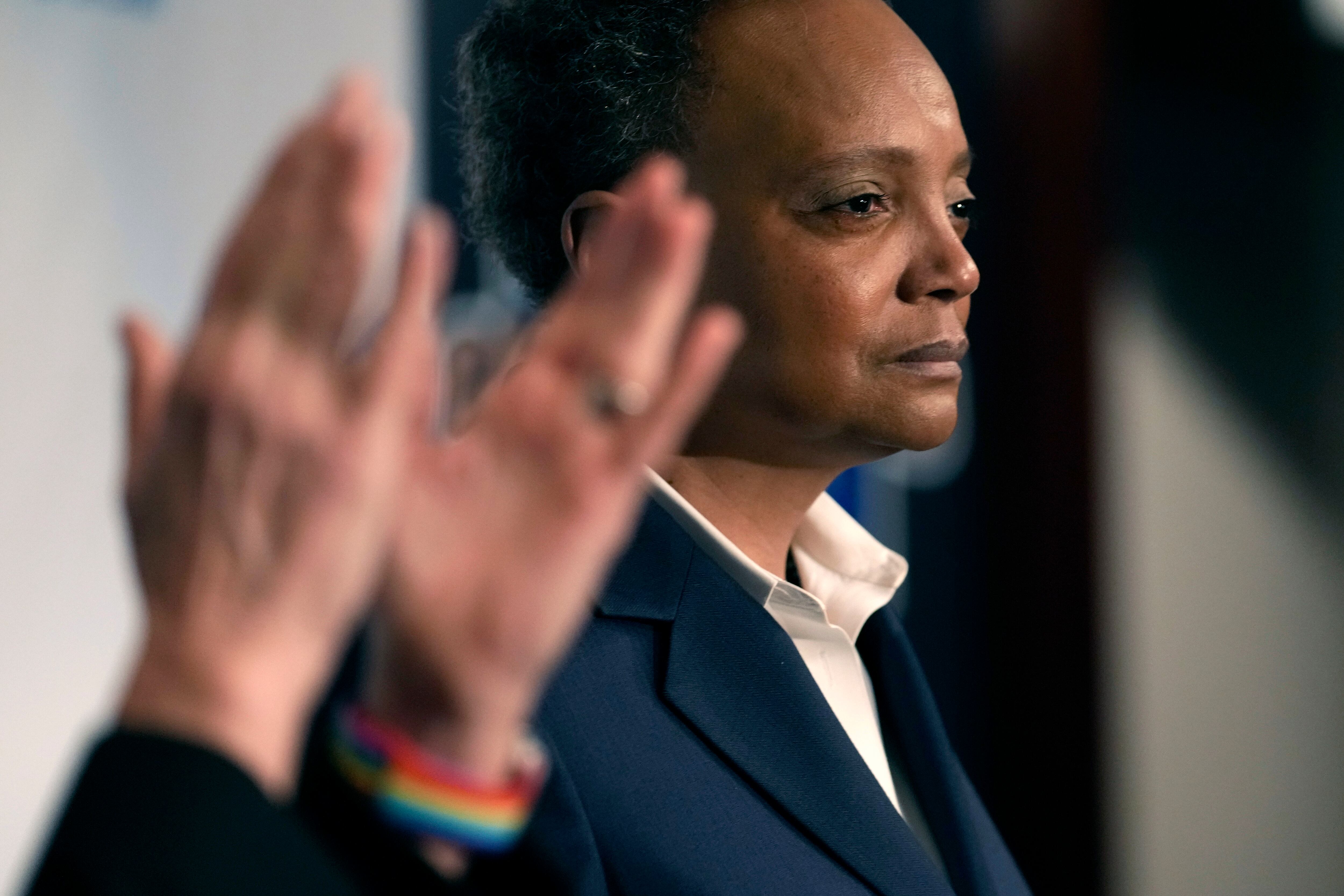
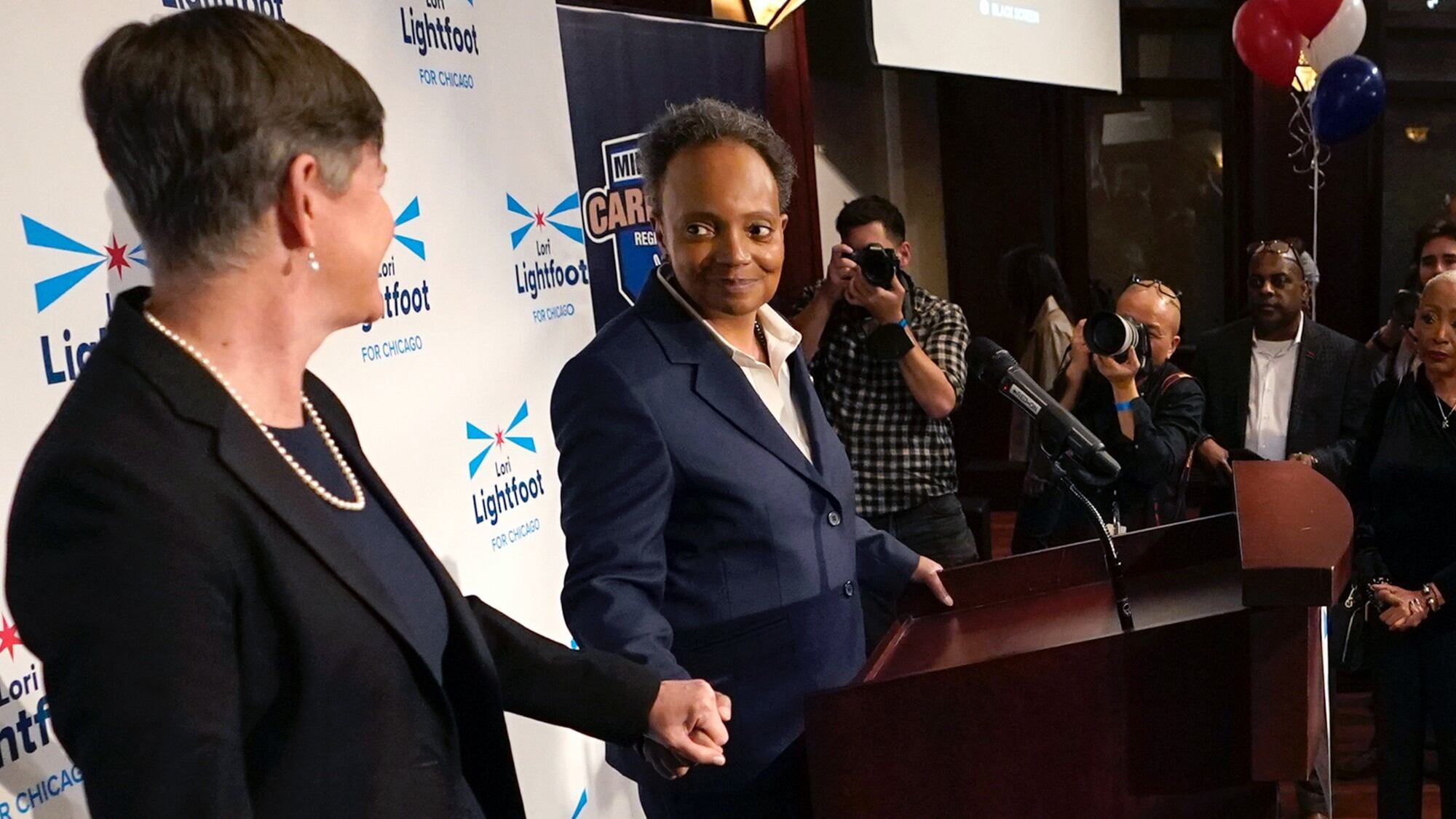
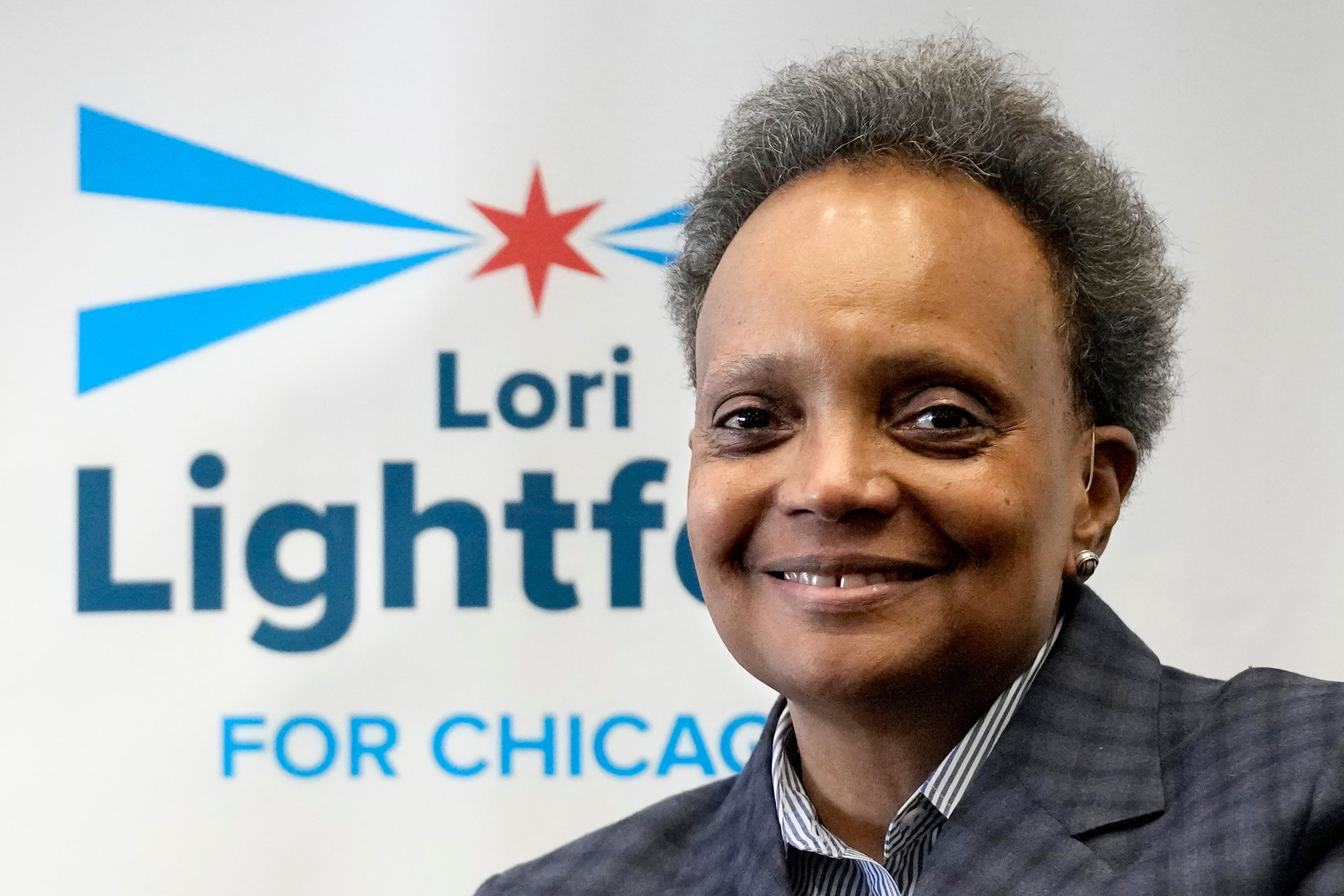
Paul Vallas and Brandon Johnson will meet in a runoff to be the next mayor of Chicago after voters on Tuesday denied incumbent Lori Lightfoot a second term, issuing a rebuke to a leader who made history as head of the nation’s third-largest city.
Chicago Mayor Lori Lightfoot has lost her bid for a second term. None of the nine candidates in Tuesday’s election won more than 50% of the vote, so Paul Vallas and Brandon Johnson will meet in a runoff to succeed her.
A large cross-section of Americans is at risk of falling below the poverty line as the program that provided more than 32 million people with extra SNAP benefits during the pandemic is set to end. Families received at least $95 extra per month to spend on food.
Conservative justices in the Supreme Court’s majority seem likely to sink President Joe Biden’s plan to wipe away or reduce student loans held by millions of Americans.