By Aamer Madhani, Robert Burns, and Qassim Abdul-Zahra
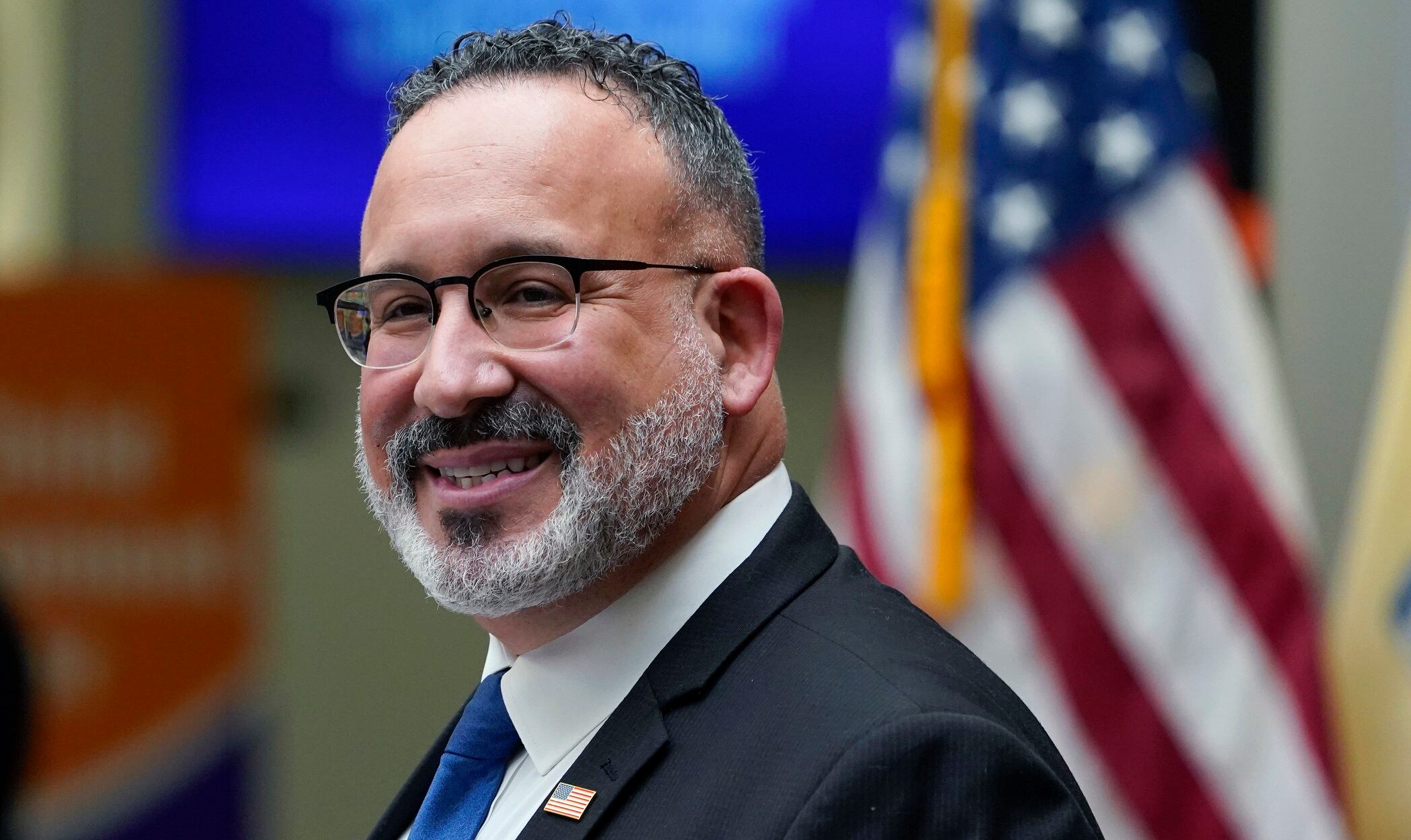
President Joe Biden and Iraqi Prime Minister Mustafa al-Kadhimi are expected to announce on Monday that they’ve agreed to end the U.S. military’s combat mission in Iraq by the end of the year, according to a senior Biden administration official.
The plan to shift the American military mission, whose stated purpose is to help Iraq defeat the Islamic State group, to a strictly advisory and training role by year’s end — with no U.S. troops in a combat role — will be spelled out in a broader communique to be issued by the two leaders following their White House meeting on Monday afternoon, said the official, who spoke on the condition of anonymity to discuss the yet to be announced plan.
The announcement to end the U.S. combat mission in Iraq, while it may not result in a substantial troop reduction, comes on the heels of Biden's decision to fully withdraw from Afghanistan nearly 20 years after President George W. Bush launched that war in response to the Sept. 11, 2001 attacks. Less than two years later, Bush started the war in Iraq. Biden has vowed to continue counterterrorism efforts in the Middle East but shift more attention to China as a long-term security challenge.
The senior administration official said Iraqi security forces are “battle tested" and have proved themselves “capable" of protecting their country. Still, the Biden administration recognizes that IS remains a considerable threat, the official said.
Indeed, the IS terror organization is a shell of its former self since it was largely routed on the battlefield in 2017. Still, it has shown it can carry out high-casualty attacks. Last week, the group claimed responsibility for a roadside bombing that killed at least 30 people and wounded dozens in a busy suburban Baghdad market.
The U.S. and Iraq agreed in April that the U.S. transition to a train-and-advise mission meant the U.S. combat role would end, but they didn’t settle on a timetable for completing that transition. The announcement comes less than three months before parliamentary elections slated for Oct. 10.
Al-Kadhimi faces no shortage of problems. Iranian-backed militias operating inside Iraq have stepped up attacks against U.S. forces in recent months, and a series of devastating hospital fires that left dozens of people dead and soaring coronavirus infections have added fresh layers of frustration for the nation.
For al-Kadhimi, the ability to offer the Iraqi public a date for the end of the U.S. combat presence could be a feather in his cap ahead of the election.
Biden administration officials say al-Kadhimi also deserves credit for improving Iraq’s standing in the Mideast.
Last month, King Abdullah II of Jordan and Egyptian President Abdel Fattah al-Sisi visited Baghdad for joint meetings — the first time an Egyptian president has made an official visit since the 1990s, when ties were severed after Saddam Hussein invaded Kuwait.
In March, Pope Francis made an historic visit to Iraq, praying among ruined churches in Mosul, a former IS stronghold, and meeting with the influential Shiite cleric Grand Ayatollah Ali al-Sistani in the holy city of Najaf.
The U.S. and Iraq have been widely expected to use the face-to-face meeting to announce plans for the end of the combat mission, and al-Kadhimi before his trip to Washington made clear that he believes it’s time for the U.S. to wind down the combat mission.
“There is no need for any foreign combat forces on Iraqi soil,” al-Kadhimi told The Associated Press.
The U.S. troop presence has stood at about 2,500 since late last year when former President Donald Trump ordered a reduction from 3,000.
The U.S. mission of training and advising Iraqi forces has its most recent origins in former President Barack Obama’s decision in 2014 to send troops back to Iraq. The move was made in response to the Islamic State group’s takeover of large portions of western and northern Iraq and a collapse of Iraqi security forces that appeared to threaten Baghdad. Obama had fully withdrawn U.S. forces from Iraq in 2011, eight years after the U.S. invasion.
The distinction between combat troops and those involved in training and advising can be blurry, given that the U.S. troops are under threat of attack. But it is clear that U.S. ground forces have not been on the offensive in Iraq in years, other than largely unpublicized special operations missions aimed at Islamic State group militants.
Pentagon officials for years have tried to balance what they see as a necessary military presence to support the Iraqi government’s fight against IS with domestic political sensitivities in Iraq to a foreign troop presence. A major complication for both sides is the periodic attacks on bases housing U.S. and coalition troops by Iraqi militia groups aligned with Iran.
The vulnerability of U.S. troops was demonstrated most dramatically in January 2020 when Iran launched a ballistic missile attack on al-Asad air base in western Iraq. No Americans were killed, but dozens suffered traumatic brain injury from the blasts. That attack came shortly after a U.S. drone strike killed Iranian military commander Qassim Soleimani and senior Iraqi militia commander Abu Mahdi al-Muhandis at Baghdad International Airport.
The U.S. military mission since 2014 has been largely focused on training and advising Iraqi forces. In April, in a joint statement following a U.S.-Iraqi meeting in Washington, they declared, “the mission of U.S. and coalition forces has now transitioned to one focused on training and advisory tasks, thereby allowing for the redeployment of any remaining combat forces from Iraq” at a time to be determined later.
Monday's communique is also expected to detail U.S. efforts to assist the Iraqi government’s COVID-19 response, education system and energy sector.
___
Associated Press writer Samya Kullab contributed to this report.