President Joe Biden on Wednesday announced his administration will extend the moratorium on federal student loan payments until August 31, easing the fears of millions of borrowers who would have to resume payments on May 1 after two years of pandemic relief.
"I know folks were hit hard by this pandemic," the president said in a Twitter video announcing the extension. "And though we've come a long way in the last year, we're still recovering from the economic crisis it caused. This continued pause will help Americans breathe a little easier as we recover and rebuild from the pandemic."
The past two years have been a boon for the more than 43 million Americans who hold a combined $1.6 trillion in federal student loan debt. At the onset of the COVID-19 pandemic in March 2020, the CARES Act instituted a moratorium on federal student loan payments and the accumulation of interest on those loans.
The original moratorium lasted through September 2020, which President Donald Trump extended through the end of December, and again through January 31, 2021.
President Joe Biden came into office and extended the payment pause through September 30, 2021, again through January, and for a third time, after much public pressure earlier this year, with the moratorium set to end on the first of May. Now it has been pushed back yet again.
Progressive lawmakers and student debt groups met the decision with praise but called on the president to cancel wide swathes of student debt through an executive order.
"We recognize that extending the payment pause is important to borrowers struggling to shoulder the harm caused by the pandemic, economic shocks, and inflation," Natalia Abrams, the president and founder of the Student Debt Crisis Center, said in a statement. "However, President Biden's piecemeal, short-term approach is not enough to meet these challenging times."
Supporters of cancellation argue the president's powers under the Higher Education Act of 1965 allow him to forgive student debt without an act of Congress. They say he's already used this authority to pause federal loan payments and the accumulation of interest.
The Departments of Justice and Education last year reviewed whether or not the president has the legal authority to cancel debt via executive order. The results of that review are contained in a heavily redacted memo, released by the Debt Collective in October after a Freedom of Information Act request, which did not offer any clarity to the public.
White House Press Secretary Jen Psaki has not provided a timeline for when the memo's contents would be made public, despite repeated questions over the past several months, saying the president continues to consider his options.
Biden has already canceled $15 billion of federal student debt for certain borrowers without any congressional input. The cancellation applies to borrowers with total and permanent disabilities, some borrowers who applied for the Public Service Loan Forgiveness program, students defrauded by the ITT Technical Institute, and students who did not complete degrees at institutions that have since shuttered.
Biden's decision and the larger conversation around debt cancellation have prompted backlash from some. Sen. Tom Cotton (R-Ark.) in a tweet called the continued extension of the moratorium "an insult" to borrowers who have paid off their debt.
Many have already noted that the extension only lasts for a little over four more months, at which time the administration is likely to face the same calls to extend the moratorium or cancel some amount of federal student debt outright.
The moratorium is also set to end just two months before the midterm elections, and the political calculation will loom large as the White House decides whether to extend again later this year.
"[T]oday's news should also be a reminder that the student debt crisis continues to loom over the financial futures of families across the country," Mike Pierce, executive director of the Student Borrower Protection Center, said in a statement.
"Come August, people with student debt will have no one to blame but Joe Biden if they still remain trapped in America's broken student loan system because he didn't keep his promise to cancel student debt," he said.
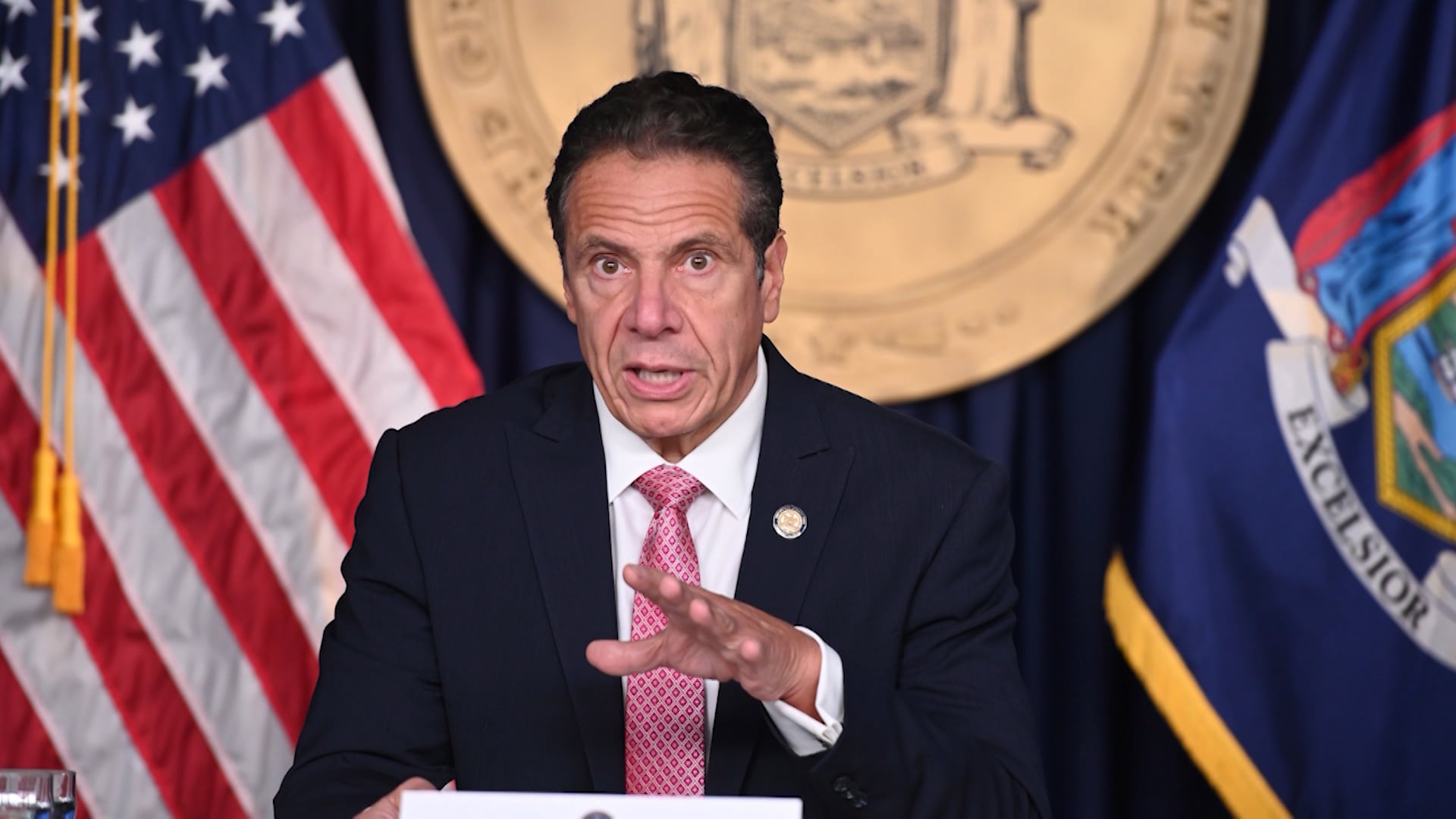
Andrew Cuomo is reportedly planning his comeback. According to the Wall Street Journal, the former New York governor and his aides are considering how to make his first public appearance since he abruptly resigned last August amid sexual harassment allegations. Jake Lahut, politics reporter for Insider, joined Cheddar's Opening Bell to discuss Cuomo's potential return to politics.
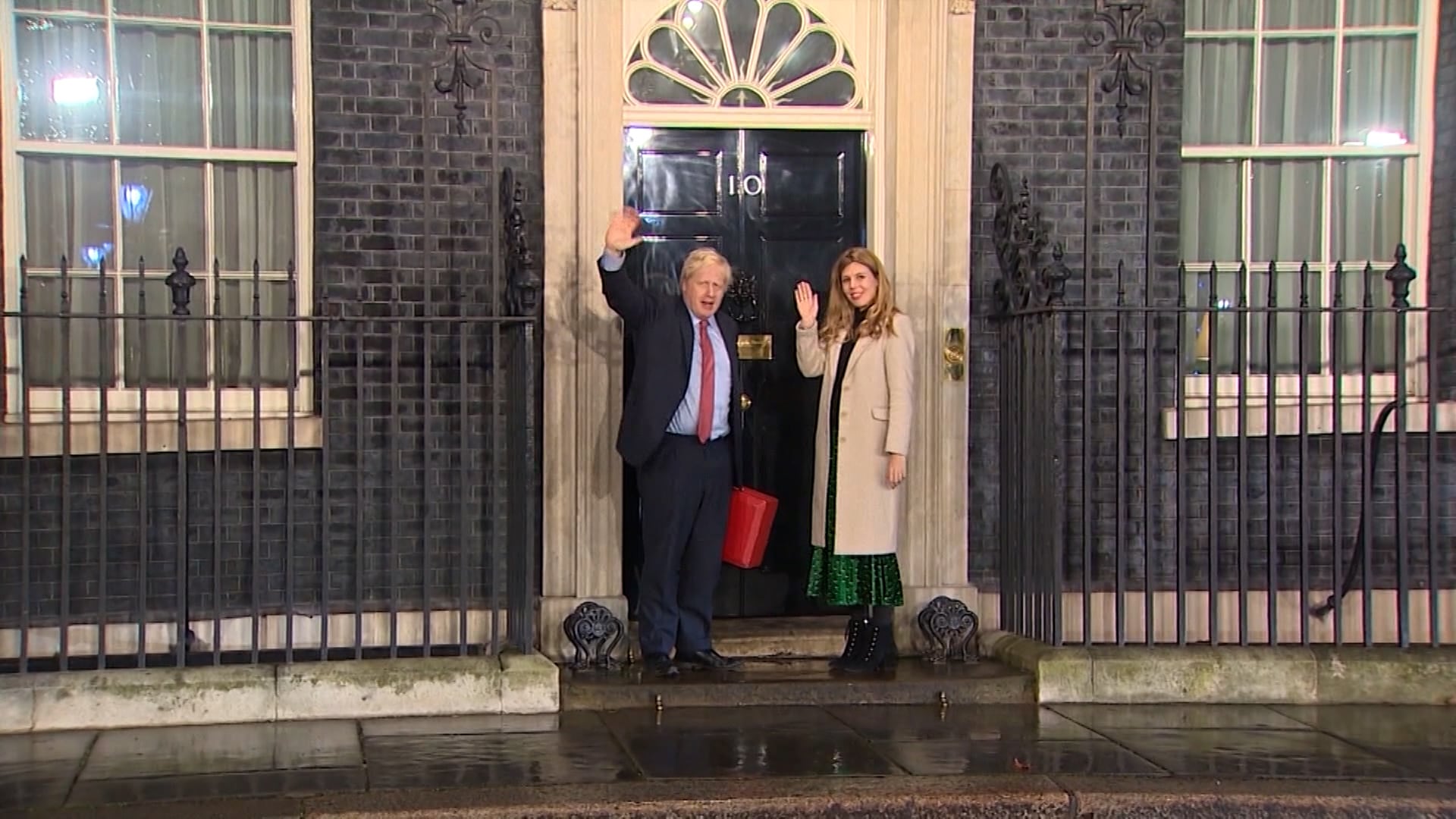
The pressure is on for UK Prime Minister Boris Johnson - after his closest aides handed in their resignations this week.
It comes after a report found that 16 parties had taken place at Downing Street while Covid lockdown protocols were in place in the region. Ari Aramesh, Attorney & National Security/Foreign Policy Analyst joined Cheddar's Opening Bell to discuss.
President Biden has ordered about 3,000 U.S. troops to Eastern Europe as Russia refuses to back off its pressure on Ukraine. The deployments to Poland, Germany, and Romania are a show of support to NATO allies concerned about a potential Russian invasion of Ukraine. This is in addition to the 8,500 troops put on high alert. David Tafuri, former Obama campaign foreign policy advisor and former State Department official, joined Cheddar to discuss what this move means for U.S.-Russia relations.
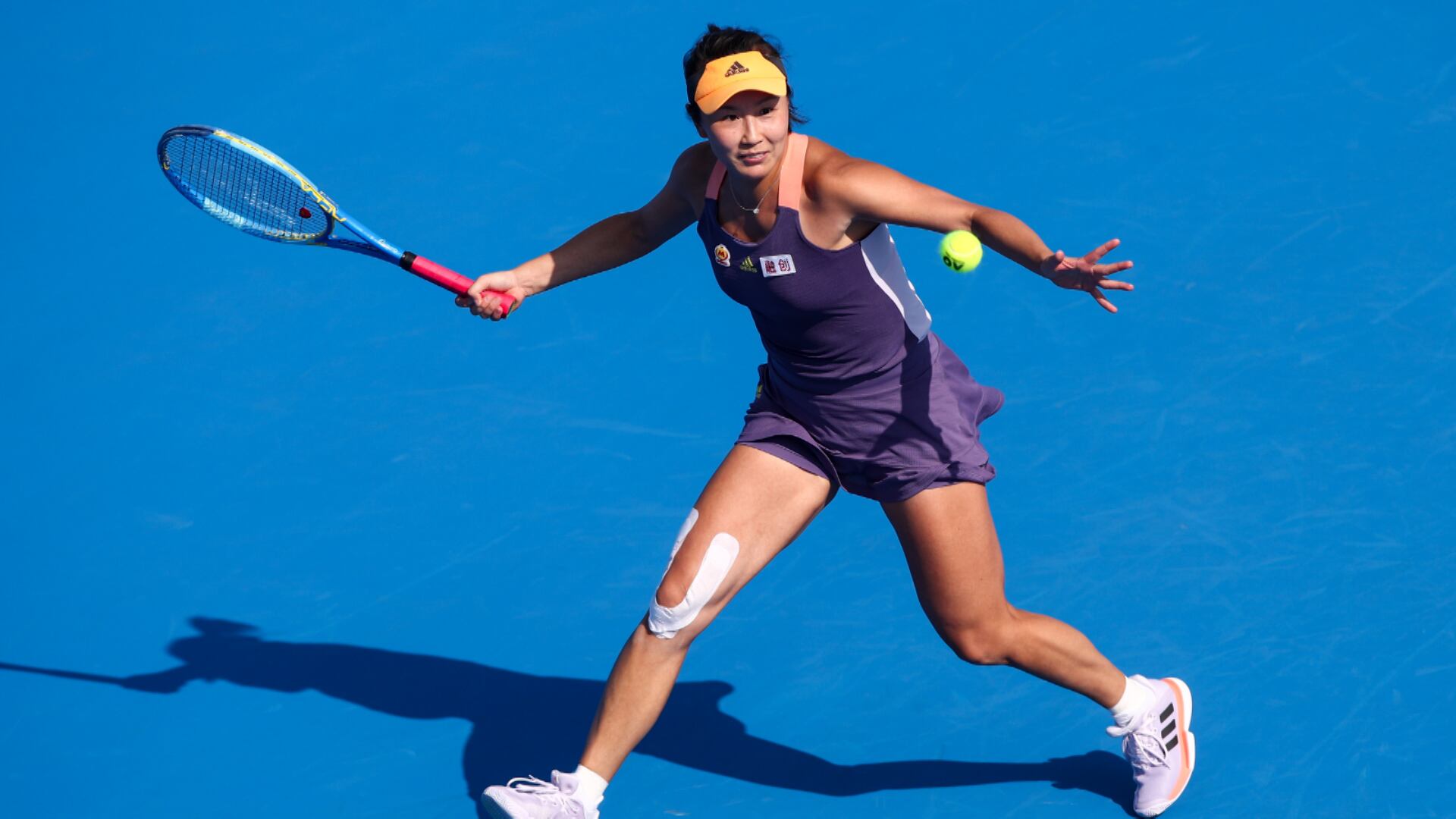
After tennis player Peng Shuai made an explicit sexual assault allegation toward a former Chinese government official, she disappeared from the public eye. Her recent reappearance with the IOC alongside a Chinese Olympic committee official raised eyebrows and renewed concerns for her safety. Asian affairs expert Gordon Chang, author of "The Coming Collapse of China," joined Wake Up With Cheddar to discuss Peng Shuai's retraction and the various human rights controversies swirling at the Beijing games. "It's clear that the IOC was working with Beijing to make sure that she did not express herself freely," Chang said. "So really this is the IOC being complicit in these mechanisms of control over Peng."
The opening ceremony of the 2022 winter Olympics has kicked off at the Beijing national stadium. 150,000 spectators are in attendance for the games inside the 'closed loop' system separating Olympic personnel from the public. Cheddar News spoke with Brian Cazenueve, Sports Illustrated contributor, to share the highlights you may have missed and much more.
The Biden Administration is set to revise federal rules to address potential security risks from foreign-owned apps, mainly Tiktok. This comes after the White House opted not to pursue a forced shutdown of the Chinese-owned video sharing platform. Under these new rules, federal oversight would be expanded to explicitly include apps that could be used by foreign adversaries to steal or otherwise obtain data. Senior Fellow at the Foundation for Defense of Democracies, Craig Singleton, joined Cheddar to discuss more.
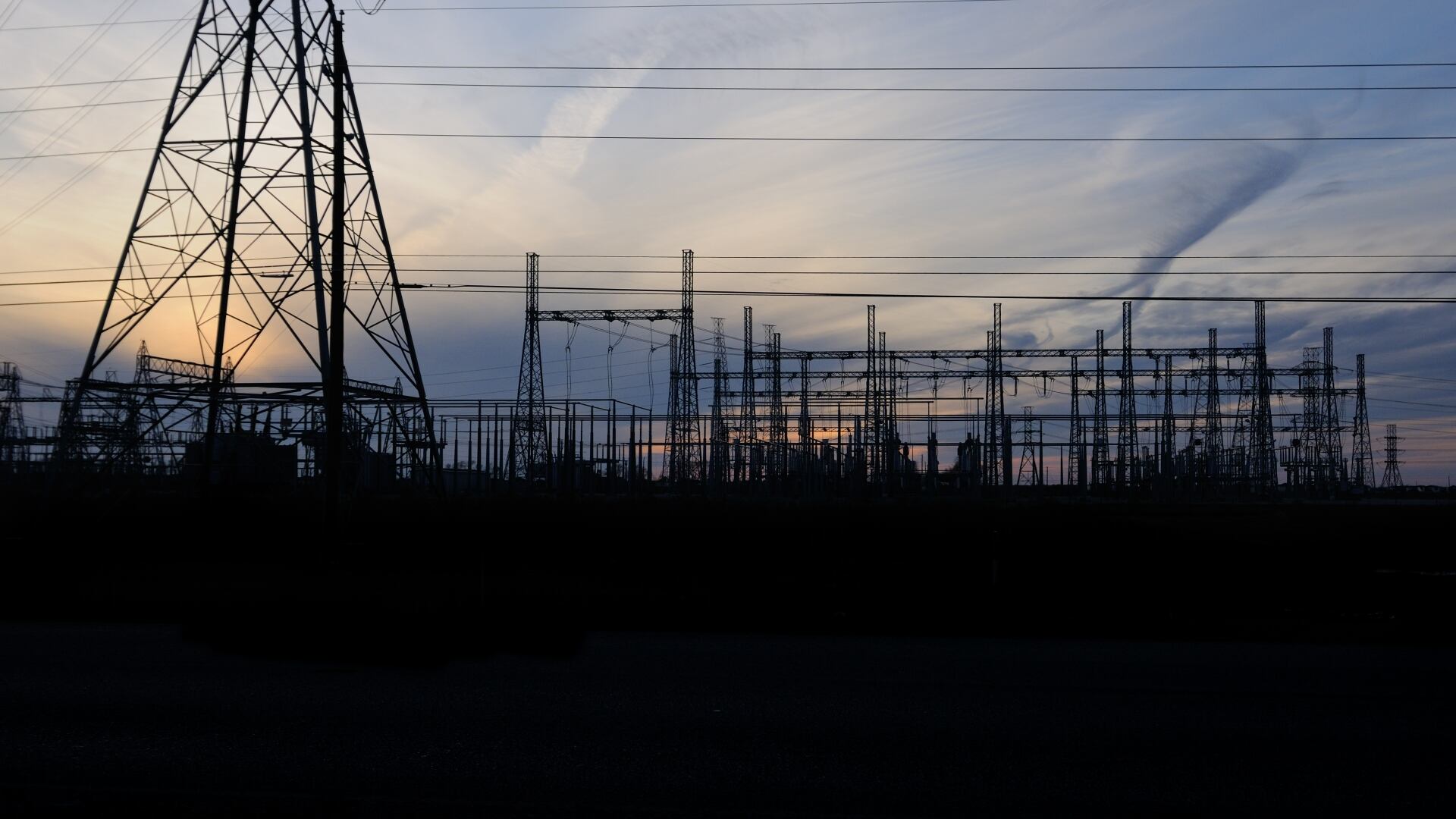
Although this week's weather is predicted to be less severe than the 2021 storm, Texans are preparing for the worst - stocking up on supplies and emptying shelves in grocery stores, once again. Some Texans still have not recovered from last year's tragedy, and are heading into the next few weeks with anxiety for what's to come. Leslie Beyer, CEO of the Houston-based energy workforce & technology council, joins Cheddar News to discuss if the Texas grid will fail again.
Student loan debt continues to be a major concern for tens of millions of Americans who collectively owe about $1.7 trillion. Black college students often take on larger amounts of student debt in order to pay for a higher education. In turn, they are more likely to struggle post-graduation with repaying their debt, creating a racial wealth gap divide. Andre Perry, senior fellow at Brookings Institution joined All Hands to help break down the black student debt crisis.
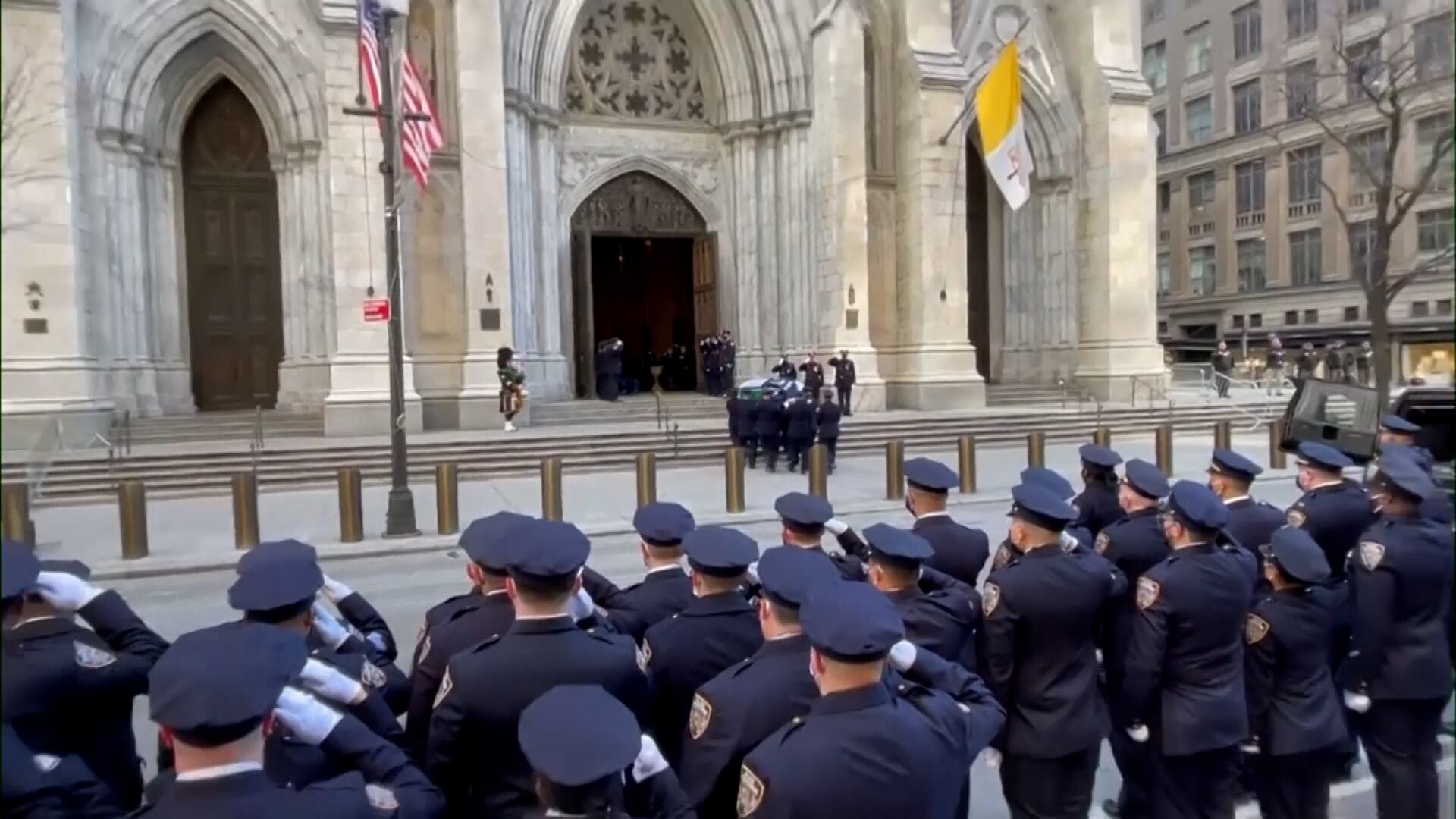
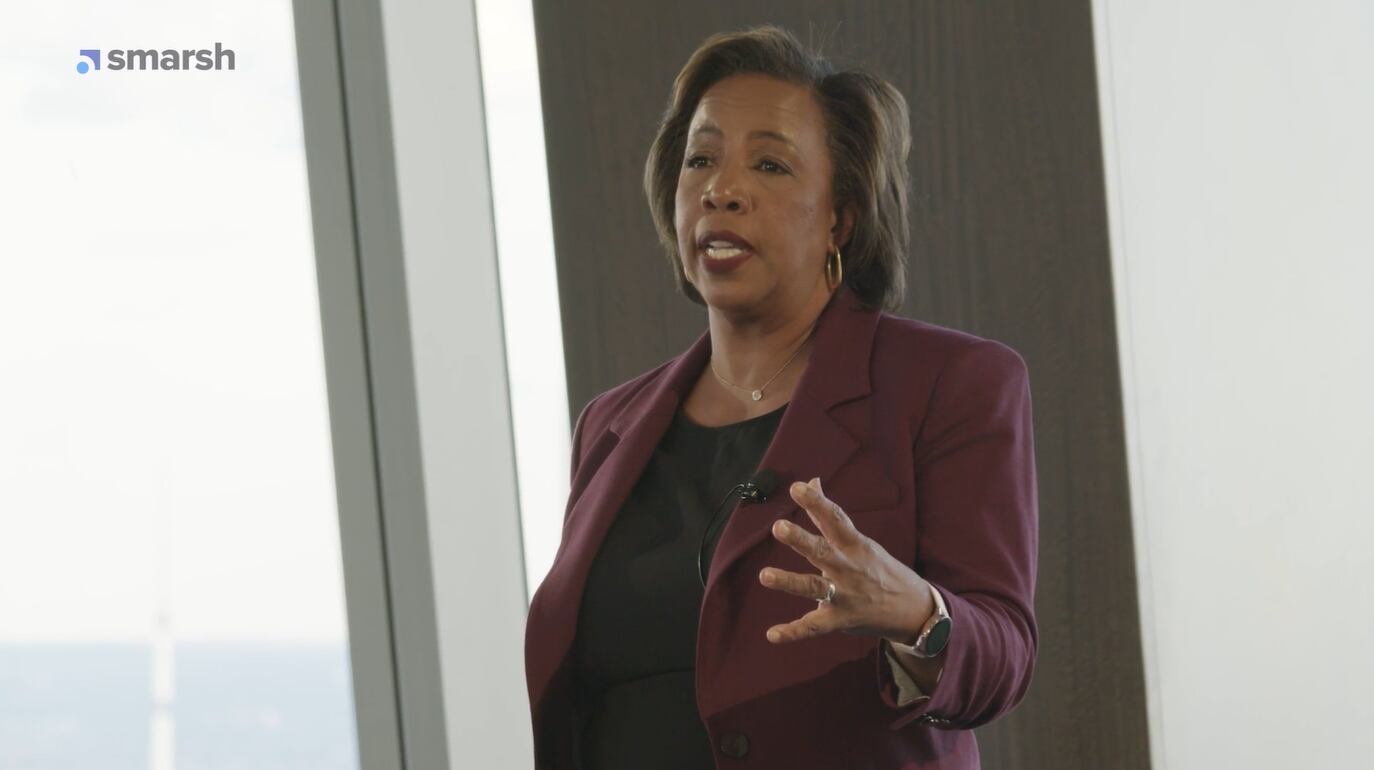
After two NYPD officers were killed with an illegal gun, President Biden made a trip to New York City to speak on the issue of gun violence fed by the "iron pipeline" of illegal firearms that make their way from the South to the Big Apple. Kris Brown, the president of the gun violence prevention organization Brady United, joined Cheddar to discuss what this visit from the president could mean for the future of gun laws in America. "He's asked Congress to pass things like expanding the Brady background check system, but with the filibuster a barrier to so much action right now in the Congress, he's looking at solutions that involve funding at the federal level and really involve enforcement."