The U.S. added 916,000 jobs in March, far exceeding expectations and offering a sign that the economy is strengthening even as the fight against the coronavirus pandemic continues. Heather Boushey, a member of the White House Council of Economic Advisors, pointed to the American Rescue Plan as part of the reason for the drastic surge in added jobs.
Boushey said focusing on vaccine distribution and providing Americans with additional income in the form of stimulus checks were confidence boosters for the economy.
"We don’t want to make too much of any one-month trend, but this is certainly a step in the right direction. And, I think it reflects all of the work we have done to try to contain the pandemic and to get all of that aid and support out to so many millions of families all across the country," she told Cheddar.
Average Wages Drop
Though the report blew expectations out of the water by roughly 300,000 jobs, data shows that recently hired Americans are earning less than those who were added to payrolls in previous months. Average earnings fell by a tenth of a percentage point. Boushey attributed the decline to the surge in rehires of low-wage workers. Jobs in sectors like leisure and hospitality, education, and construction account for many of the added roles last month.
Analysts expect average wages to continue slipping as more local economies reopen and people in low-wage positions are rehired even as the Federal Reserve expects inflation to rise.
"The wage numbers in recent months have been elevated because so many workers who were in those face-to-face jobs in retail or in the leisure and hospitality sectors that make less than average were out of work. So, now that they’re coming back in, you’re seeing that affect the average numbers," Boushey said.
"We know that even pre-pandemic when we were still in the longest recovery in U.S. recorded history, we were not seeing the kinds of wage growth that we really needed to see for families in the bottom and the middle of the wage distribution," she further explained. "And so as we looked at the American Rescue Plan, as we look at the American Jobs Plan, a core goal is to make sure that we’re not just creating jobs but that we're creating good jobs and we’re focused on making sure that there are jobs that can support a family."
Unemployment Racial Disparities
However, there is concern that trending growth could be skewed in the April jobs report because of rising COVID-19 infections. As a result, Boushey said the Biden administration’s first priority is to contain the virus and ramp up vaccination efforts with the issue of economic growth second.
Data in the March jobs report shows there are continuing unemployment disparities in the Black and Latino communities, and Asian Americans saw the unemployment rate in their community grow nearly a full percentage point from February. Boushey said she will be watching "very closely" to see if that was a single-month event or it is the first sign of a greater trend, although she noted Asian American unemployment is currently about average when compared to the overall economy.
For the Biden administration, its American Rescue Plan, which was signed in mid-March, "was an important step forward" in closing the wealth gap for minorities.
"If you go through the plan, there are so many pieces that are really targeted at making sure that we are creating those good jobs in all parts of our economy and that we are being really attentive to the inequities across communities, especially by race," she noted.
The Biden administration is making changes to federal student loan programs, bringing more than 3.6 million people closer to debt forgiveness under the new rules, providing 40,000 with immediate debt cancellation, and allowing several thousand more with older loans to get some relief. Rob Franek, Editor-In-Chief of the Princeton Review, joined Cheddar News to break down how these changes might impact the lives of student loan borrowers and addresses some of the pushback against doing even more. "This is not a bankruptcy bailout of industries that are supporting the American economy," he said. These are for students right now who would otherwise be hobbled financially if they didn't experience some sort of forgiveness overall."
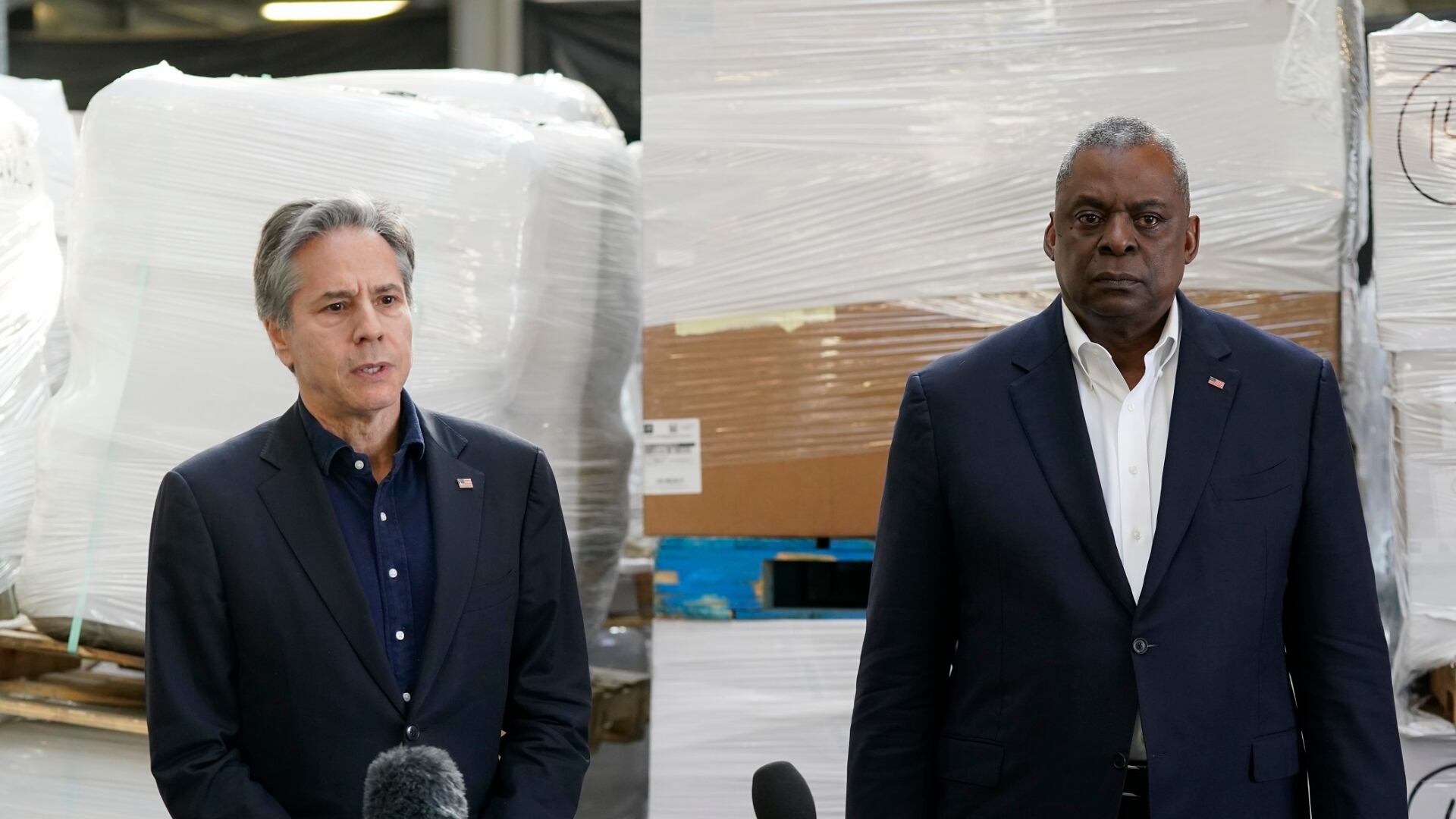
After a secrecy-shrouded visit to Ukraine's capital, U.S. Secretary of State Antony Blinken says Russia is failing in its war aims and “Ukraine is succeeding.”
Emmanuel Macron staves off the far right challenger Marine Le Pen in France, conservative lawmakers find themselves embroiled in varying controversies, and pickleball is hotter than ever in the U.S.
Catching you up on what you need to know on April 25, 2022, with Secretary of State Blinken and Defense Secretary Austin visiting Ukraine, Emmanuel Macron is reelected as president of France, Twitter is talking to Elon Musk about his purchase bid, and more.
An increasing number of countries are recognizing "Rights of Nature", a legal movement that says ecosystems and species have basic rights to exist and flourish. Grant Wilson, executive director at Earth Law Center joins Cheddar News to explain what the movement is aiming to achieve.
The saga surrounding Elon Musk's bid to buy Twitter has made its way to Washington, DC. A group of 18 House Republicans are calling on the social media platform's board to preserve all records and documents related to the company's response to the offer from the Tesla CEO. Caleb Silver, editor in chief of Investopedia, joined Closing Bell to discuss. "This is a long term play, but it's just a shot across the bow by congressional Republicans, who probably will end up taking the House, that they're going to be tough on Big Tech and they're going use Musk's bid for twitter to take it private, so that he can get the platform to be open source and remove its censorship."
Florida Gov. Ron DeSantis has signed a bill dissolving Walt Disney World’s private government after the entertainment giant criticized a measure that critics have dubbed the “Don’t Say Gay” law.
Autumn Peltier, an indigenous water activist, joined Cheddar News to talk about the lack of access to clean water among indigenous communities in Canada. “I say the government to hold themselves accountable for the promises that they make because Canada and indigenous people have a long history of broken promises and they still continue to this day to keep breaking promises with the nation's people," she said. "Less talk and more action is very much expected from me."
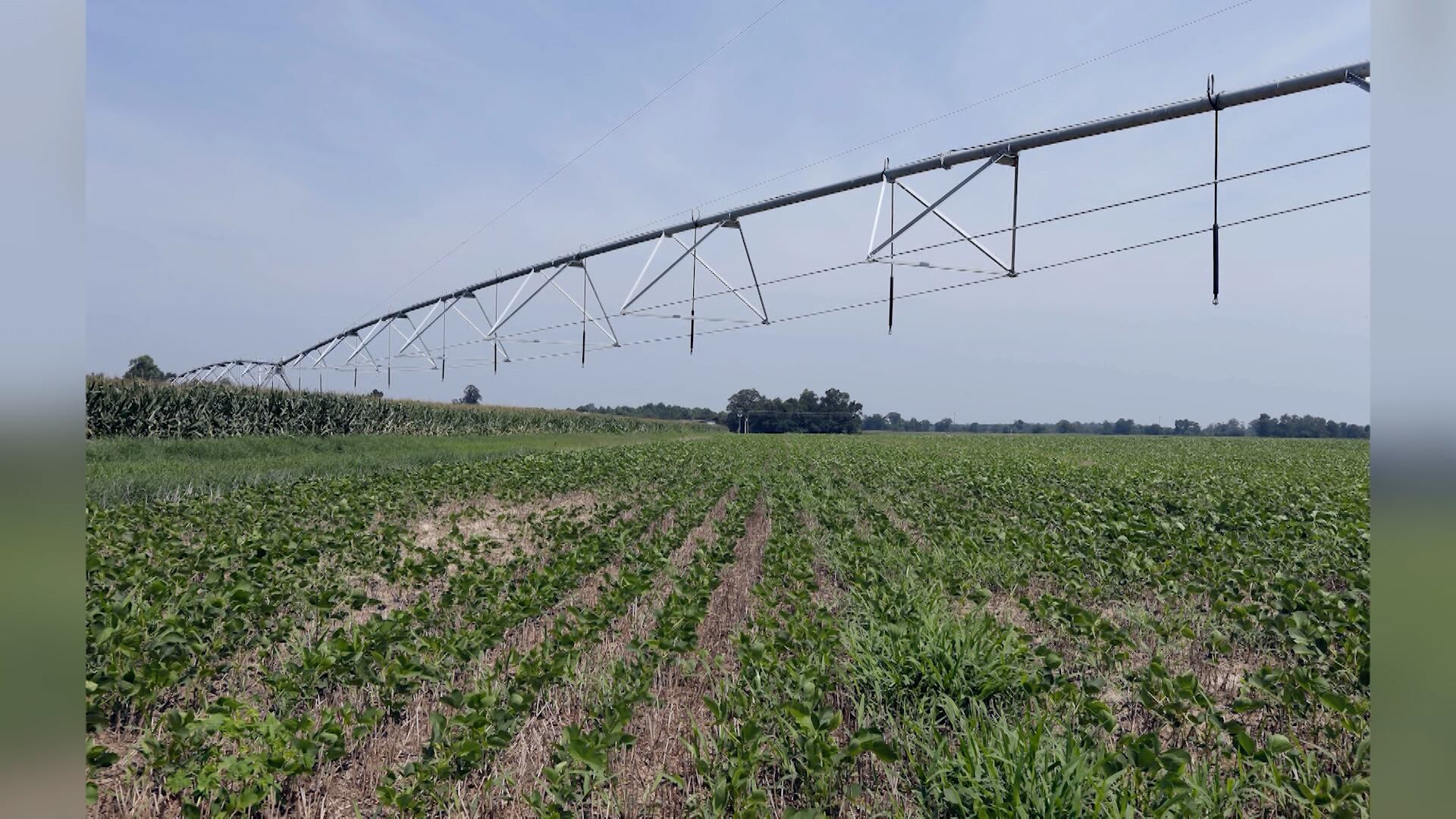
Robert Bonnie, farm production and conservation undersecretary for the USDA, spoke to Cheddar about climate-smart strategies to help farmers reduce carbon emissions from agriculture. "We share the costs of installing those practices on their lands in ways that will protect the climate and maintain agricultural productivity, and we're also partnering with farmers to draw in private investment in greenhouse gas emissions reductions provided by agriculture and forestry," he said. The hope is to get farmers and ranchers to produce climate-smart commodities to lessen the impact of climate change.