By Seung Min Kim and Lisa Mascaro
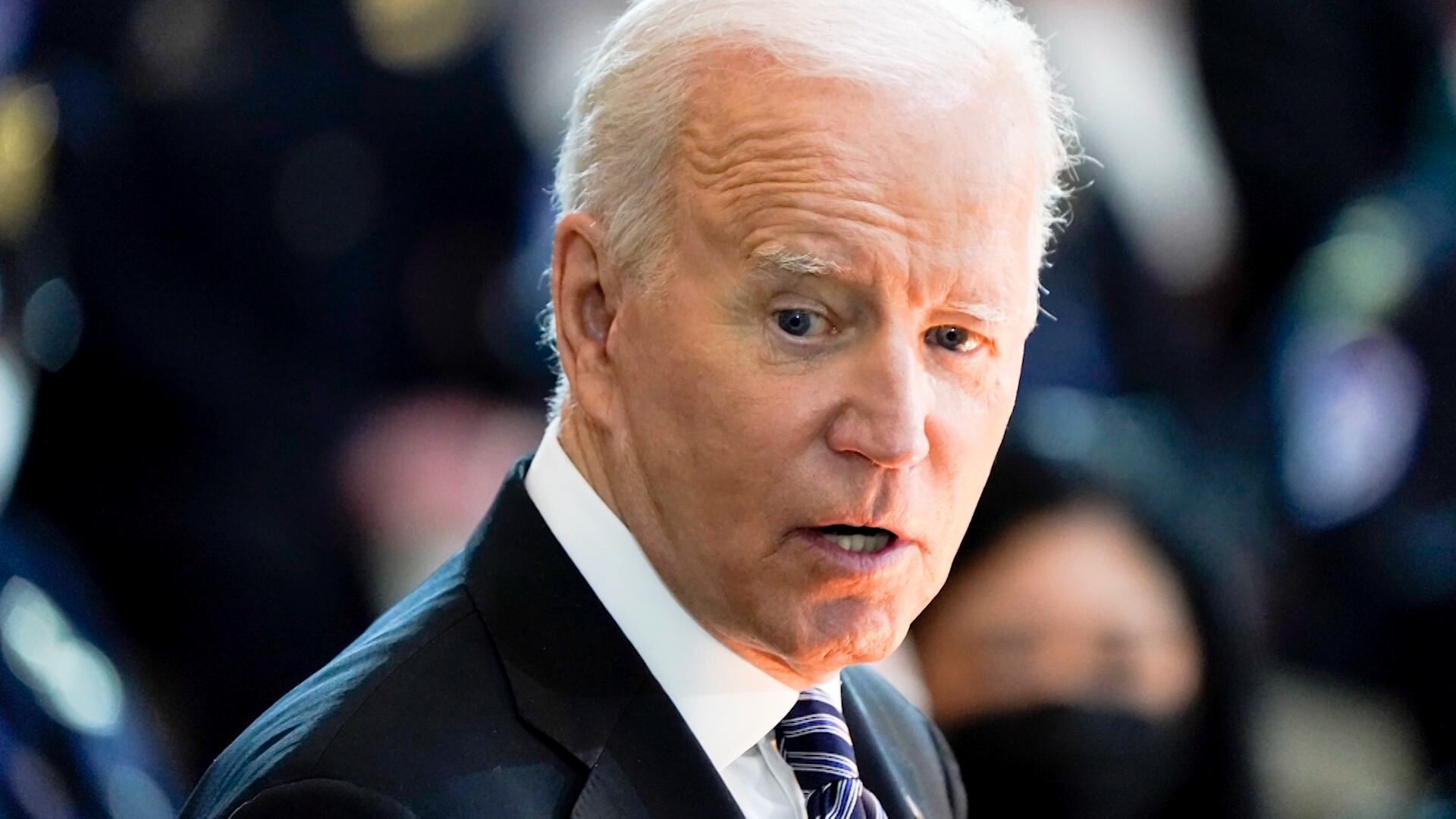
An optimistic President Joe Biden declared Wednesday he is confident the U.S. will avoid an unprecedented and potentially catastrophic debt default, saying talks with congressional Republicans have been productive. He left for a G-7 summit in Japan but planned to return by the weekend in hopes of approving a solid agreement.
Biden's upbeat remarks came as a select group of negotiators began meeting to try and hammer out the final contours of a budget spending deal to unlock a path for raising the debt limit as soon June 1. That is when the Treasury Department says the U.S. could begin defaulting on its obligations and trigger financial chaos.
“I’m confident that we’ll get the agreement on the budget and America will not default,” Biden said from the Roosevelt Room of the White House.
Democrat Biden and Republican House Speaker Kevin McCarthy have traded blame for a debt-ceiling impasse for weeks. But Biden said of the latest White House session with congressional leaders that “everyone came to the meeting, I think, in good faith.”
McCarthy was upbeat, too, though contending Biden had given ground. The president said the budget talks were still separate from the debt limit issue, but the speaker said Biden had "finally backed off” his refusal to negotiate.
Biden said that every leader at Tuesday's Oval Office meeting — Vice President Kamala Harris, McCarthy, House Minority Leader Hakeem Jeffries, D-N.Y., Senate Majority Leader Chuck Schumer, D-N.Y., and Senate Minority Leader Mitch McConnell, R-Ky. — agreed the U.S. must not default on its obligations.
“It would be catastrophic for the American economy and the American people if we didn’t pay our bills,” Biden said. “I’m confident everyone in the room agreed … that we’re going to come together because there’s no alternative. We have to do the right thing for the country. We have to move on.”
He said he would be in “constant contact” with White House officials while at the summit in Hiroshima. He is canceling stops in Australia and Papua New Guinea that were to follow so he can return to Washington on Sunday.
Biden and McCarthy tasked a handful of representatives to work swiftly to try and close out a final deal. They include Steve Ricchetti, counselor to the president; legislative affairs director Louisa Terrell and Office of Management and Budget Director Shalanda Young for the administration, and Rep. Garret Graves, R-La., a close McCarthy ally, for the Republicans.
Agreement by the negotiators would still leave any deal needing approval by Democratic Senate and Republican House.
Democrats are upset about the possibility of new work requirements for some recipients of government aid. And Republicans want much tougher budget restraints than the Democrats support.
The positive comments by Biden and McCarthy suggest they believe they can gain the backing of their parties' lawmakers.
McCarthy was flanked Wednesday on the Capitol steps by some of the most conservative Republicans from the House and Senate in a feisty show of support.
The national debt currently stands at $31.4 trillion. An increase in the debt limit would not authorize new federal spending; it would only allow for borrowing to pay for what Congress has already approved.
The contours of an agreement have begun to take shape, but the details of spending cuts and policy changes will make or break whether the divided Congress can strike a bipartisan deal with the White House.
In exchange for lifting the debt limit to keep paying the bills, newly majority House Republicans are trying to extract steep budget caps of no more than 1% growth a year over the next decade, alongside bolstered work requirements.
Negotiators are preparing to claw back some $30 billion of unspent COVID-19 aid, now that the government has lifted the pandemic emergency. And they are working on a potential agreement for permit changes that would speed the development of energy projects that both Republicans and Democrats want, though the details remain daunting.
But Democrats are not at all willing to accept the 10-year cap on spending that Republicans approved in their own House bill, and the Democrats are instead pushing for a shorter window of budget cuts.
Biden is facing fierce blowback from progressive Democrats after he opened the door to tougher work requirements. But he insisted Wednesday any new work requirements would be of “no consequence” and that he's not willing to impact health programs, presumably referring to Medicaid.
Asked about that, the Republicans behind McCarthy — who support more work requirements on Medicaid, food stamps and cash assistance programs — broke out in laughter at the Capitol.
The Republicans scoffed aloud as helicopters with the presumably departing Biden flew overhead.
McCarthy, who depended on Donald Trump's backing to become the new speaker, still has work to do to keep his narrow House majority in line for any final deal, particularly among the hardline Freedom Caucus conservatives who almost blocked his election earlier this year for the gavel.
Former President Trump has encouraged Republicans to “do a default” if they don't get everything they want from Biden.
“Bipartisanship is needed,” Schumer said Wednesday. "It’s the only way to go."
As backup on Wednesday, House Democratic leader Hakeem Jeffries launched a process that would force a vote on raising the debt limit.
It's a cumbersome legislative discharge procedure, but Jeffries urged House Democrats to sign on to the measure in hopes of gathering the 218 majority backers including Republicans needed to put it in motion.
“Emerging from the White House meeting, I am hopeful that a real pathway exists to find an acceptable, bipartisan resolution that prevents a default,” Jeffries said in a letter to colleagues.
“However, given the impending June 1 deadline and urgency of the moment, it is important that all legislative options be pursued in the event that no agreement is reached.”