President Joe Biden signed a slew of executive actions this week aimed at vaccinating 100 million Americans in the first 100 days of his administration. Among the initiatives the president announced is a planned expansion of pharmacy partnerships, mobilizing the National Guard, and finding more healthcare workers to help distribute vaccines. But, Biden is still warning that the darkest days of the pandemic are yet to come, predicting the virus death toll will probably top 500,000 next month.
To ramp up supplies, the president is giving government agencies a green light to use the Defense Production Act to direct manufacturing to help increase the supply of masks, PPE, testing kits, and the necessary materials for vaccines.
"It gives the federal government more focus and more opportunity to coordinate a response from the federal level, which is always helpful," said Tom Price, former secretary of Health and Human Services under President Trump and a former representative from Georgia.
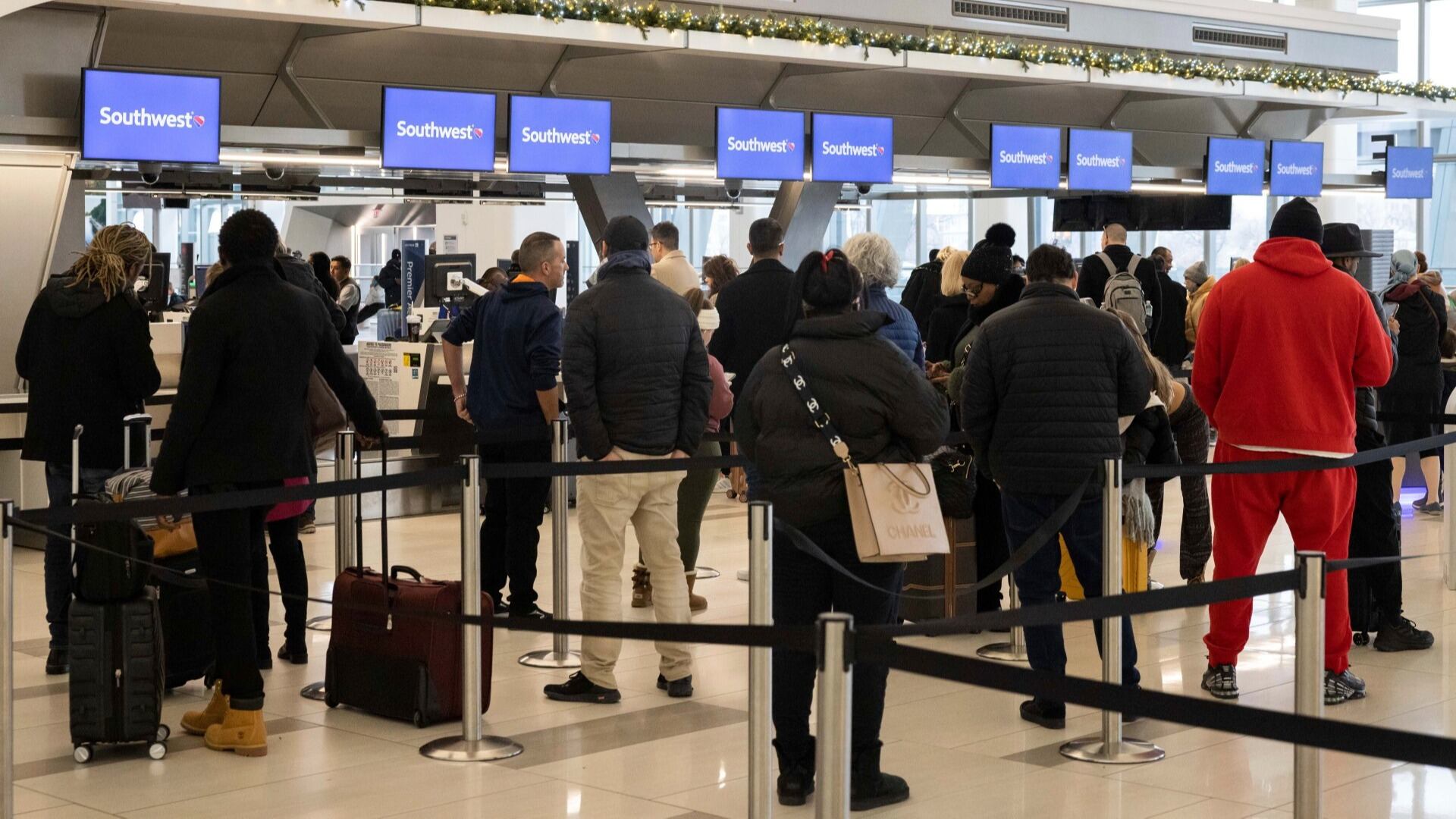
The president also ordered new requirements for mask-wearing, mandating them on planes, trains, and buses when traveling between states. Masks must also be worn inside all federal facilities.
"At the end of the day this is public health, which means you've got to increase the administration of the vaccine, you've got to increase the testing, you've got to make sure you're decreasing the spread of the transmission," said Price. "That means wearing a mask, physical distancing, making certain that you're washing your hands, and not participating in activities if you're feeling ill at all."
President Biden's "National Strategy for the COVID-19 Response and Pandemic Preparedness"
is a stark contrast to former President Donald Trump's coronavirus actions. His administration never released a formal pandemic plan and left many actions solely up to the states. Still, Price said he thinks focusing the federal government's efforts on helping the states is an important aspect of tackling the pandemic.
"Remember the states have the infrastructure that is necessary in order to be able to administer the vaccine and to provide the tests, the public health, the infrastructure. All of this is at the state level. So, any help that can be given to the states is vital," said the former HHS secretary.
Honing in on one state, Governor Andrew Cuomo announced on Wednesday that New York has already used 93 percent of its coronavirus vaccine supply, putting some pressure on Biden in the early days of his administration.
"The state of New York actually asked the new administration … for the opportunity to themselves go out and purchase vaccine on their own and the federal government said no, the Biden administration said no, 'we don't want you to do that.' Now, that's all well and good so long as the federal government is making certain that the amount of vaccine being produced is the amount that's needed out there," said Price.
"We may be seeing the first little disagreement about how we get the greatest number of vaccines to the individuals that need it most acutely."
To make sure that governments can get the job done when it comes to vaccinations, he added that "communication is absolutely the key" for states, like New York, to get across their needs and, "The federal government needs to take that information in real-time and say 'this is what we're doing to address it.'" Price emphasized that it's the job of the government to get what is needed to those on the ground at the local level.
"There is a whole lot of vaccine out there that hasn't been given, as they say, in arms," he said. "We're giving about 900,000 vaccines a day right now so the goal of the Biden administration, of having 100 million doses provided in the first 100 days, is certainly achievable, and I would suggest that it may be a little low."
Price made a comparison to the flu, saying that when the flu shot is given out in the fall, the U.S. provides about three million vaccines a day during the height of the season.
However, Price did note that he believes the U.S. can accomplish Biden's goals and stop the spread of COVID-19.
"It is achievable because it's a public health challenge, and we've met public health challenges before."