By Aamer Madhani, Jonathan Lemire, and Lorne Cook
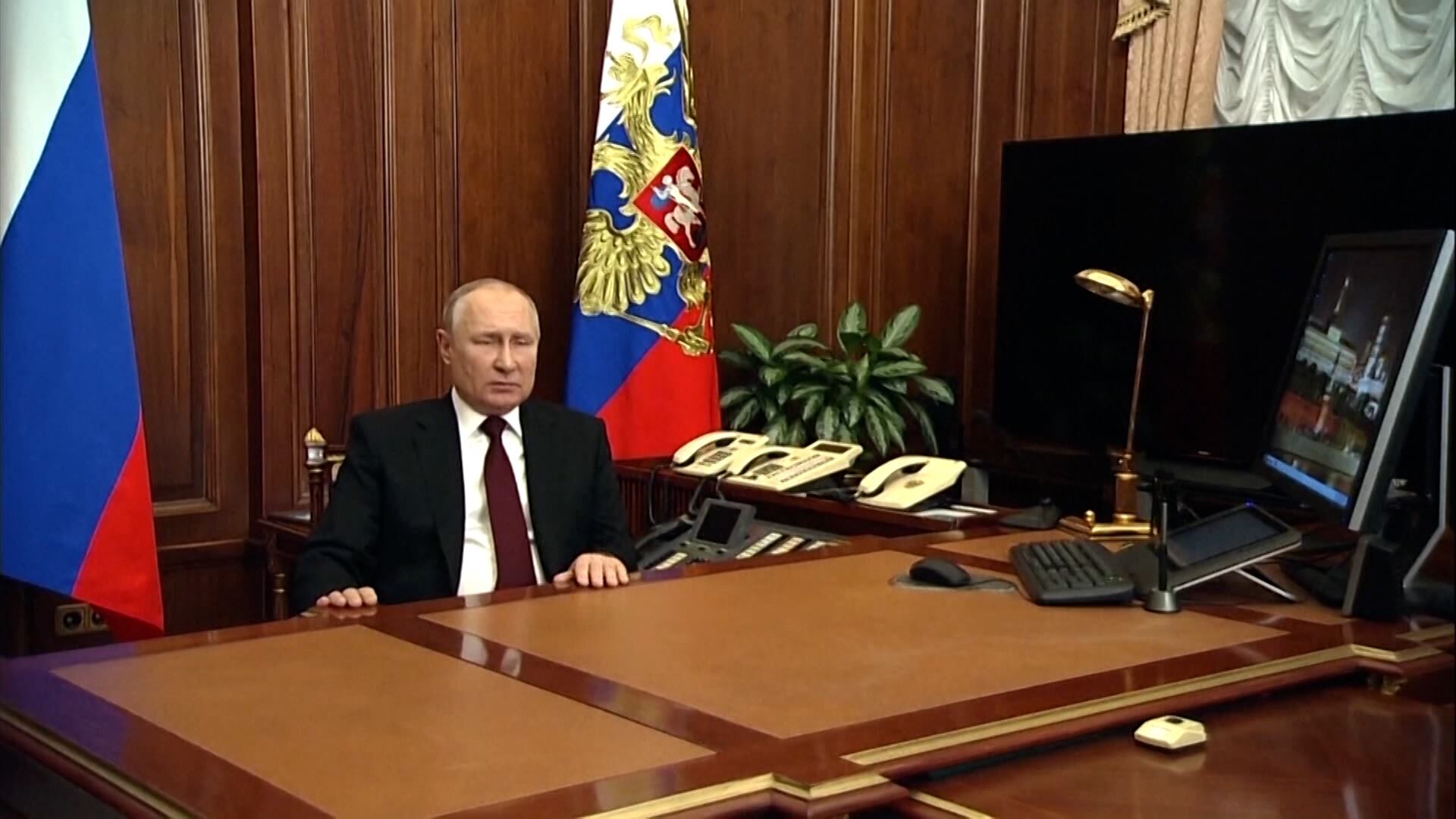
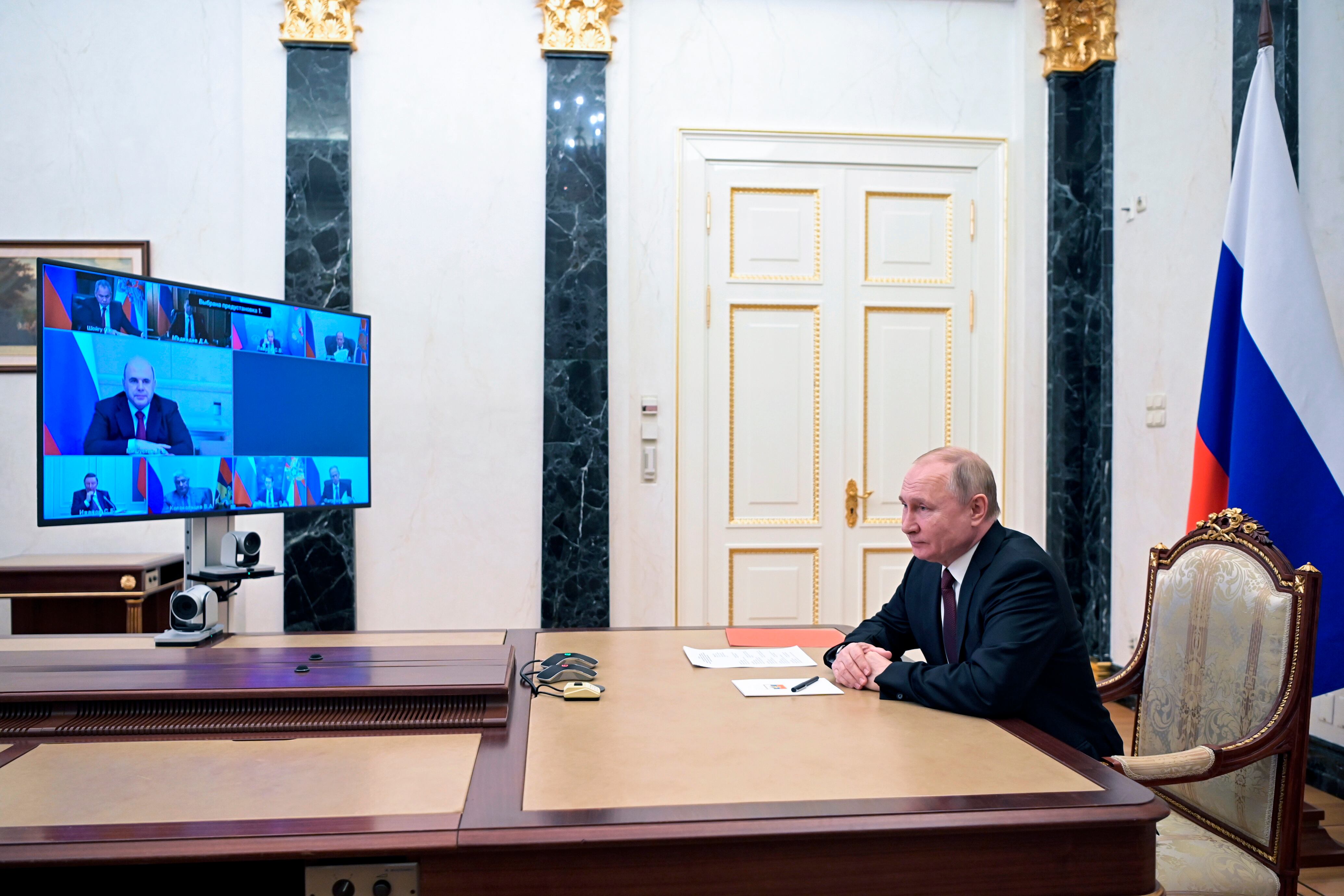
Buoyed by days of partnership-building sessions with America's democratic allies, Joe Biden arrived in Geneva on Tuesday for the most-watched and tensest part of his first European tour as president: talks with Russia's Vladimir Putin.
Biden is seeking to restore European ties that were strained under former President Donald Trump, who dismissed longstanding alliances with America's democratic partners and sought out Putin and other autocrats. Biden this week has held long days of meetings with global leaders at the Group of Seven, NATO and U.S.-E.U. summits, where he secured joint communiques expressing concern over Russia and China, and on Tuesday helped preside over a breakthrough agreement easing a long-running U.S. trade dispute with Europe.
But Biden's Wednesday meeting with the Russian president is his most highly anticipated.
Biden has called Putin a “worthy adversary” and has said he is hoping to find areas of cooperation with the Russian president. But he's also warned that if Russia continues its cyberattacks and other aggressive acts towards the U.S. “we will respond in kind.”
According to a senior administration official granted anonymity to disclose internal discussions, Biden is hoping to find small areas of agreement with the Russian president, including potentially returning ambassadors back to Washington and Moscow. Both countries have been without a senior diplomat for months.
Biden is also looking to make progress on a new arms control agreement between the two nations, after Russia agreed to a five-year extension of the current agreement in January. And Biden plans to raise issues ranging from cyberattacks to Russia’s alleged involvement in air piracy, as well as Putin’s treatment of Russian opposition leader Alexei Navalny, who was jailed and poisoned in an act seen as political retribution against him for speaking out against the Russian president.
The U.S. and the E.U. issued a statement Tuesday following their summit bolstering Biden as he heads into the meeting with Putin. The two nations have agreed to set up a “high-level dialogue” together about Russia as part of “a renewed trans-Atlantic partnership” between the U.S. and the 27-nation bloc.
A summit statement released Tuesday said that the two “stand united in our principled approach towards Russia and we are ready to respond decisively to its repeating pattern of negative behavior and harmful activities.”
They “urge Russia to stop its continuous crackdown on civil society, the opposition and independent media and release all political prisoners.”
Biden arrived ahead of Wednesday's talks with Putin buoyed not only by the united front shown by the U.S. and E.U. but also the announcement of a major breakthrough in a 17-year trade dispute between the two global powers, centered on rival subsidies for aircraft manufacturers.
The two sides reached terms on how much of a government subsidy each can provide for its aircraft manufacturing giant — Boeing in the United States and Airbus in the EU.. The announcement came as Biden met with European Council President Charles Michel and European Commission President Ursula von der Leyen.
U.S. Trade Representative Katherine Tai told reporters that the agreement calls for a five-year suspension of the aircraft tariffs, and stressed that it was time to put aside the fight and focus on China's economic assertiveness.
“Today’s announcement resolves a longstanding trade irritant in the U.S.-Europe relationship. Instead of fighting with one of our closest allies, we are finally coming together against a common threat,"" Tai said.
To be certain, the U.S.-EU relationship faces other trade-related friction. The continent’s leaders are becoming impatient that Biden has not yet addressed Trump’s 2018 decision to impose import taxes on foreign steel and aluminum.
The White House on Tuesday announced the creation of a joint U.S.-EU trade and technology council, which is tasked with coordinating standards for artificial intelligence, quantum computing and bio-technologies, as well as coordinating efforts on bolstering supply chain resilience. Biden is appointing Secretary of State Antony Blinken, Commerce Secretary Gina Raimondo and Tai to co-chair the U.S. side of the effort.
The White House said the two sides will also discuss efforts to stem climate change and launch an expert group to determine how best to reopen travel safely as the coronavirus pandemic ebbs.
In addition to the statement out of the U.S.-E.U. summit, NATO leaders in their communique on Monday took a big swipe at Russia, deploring its aggressive military activities and snap wargames near the borders of NATO countries as well as the repeated violation of the 30-nations’ airspace by Russian planes.
Since taking office in January, Biden has repeatedly pressed Putin to take action to stop Russian-originated cyberattacks on companies and governments in the U.S. and around the globe and decried the imprisonment of Navalny. Biden also has publicly aired intelligence that suggests — albeit with low to moderate confidence — that Moscow offered bounties to the Taliban to target U.S. troops stationed in Afghanistan.
Both Biden and Putin have described the U.S.-Russia relationship as being at an all-time low.
The Europeans are keen to set up a “high-level dialogue” on Russia with the United States to counter what they say is Moscow’s drift into deeper authoritarianism and anti-Western sentiment.
At the same time, the 27-nation bloc is deeply divided in its approach to Moscow. Russia is the EU’s biggest natural gas supplier, and plays a key role in international conflicts and key issues, including the Iran nuclear deal and conflicts in Syria and Libya.
The hope is that Biden’s meeting with Putin might pay dividends, and no one in Brussels wants to undermine the show of international unity that has been on display at the G-7 and NATO summits, according to EU officials.
But Republicans in Washington reflected no such concerns. House Republican leader Kevin McCarthy on Tuesday accused Biden of deferring to Putin on his current trip abroad and making America weaker.
“I don’t care about charming Europe and thinking you’re one of them," he said. "Biden is making our adversaries stronger. Russia is stronger today under a Biden administration than he was under the past administration. China is stronger today.”
___
Associated Press writers Paul Wiseman in Washington and Lorne Cook in Brussels contributed to this report.