By Josh Boak
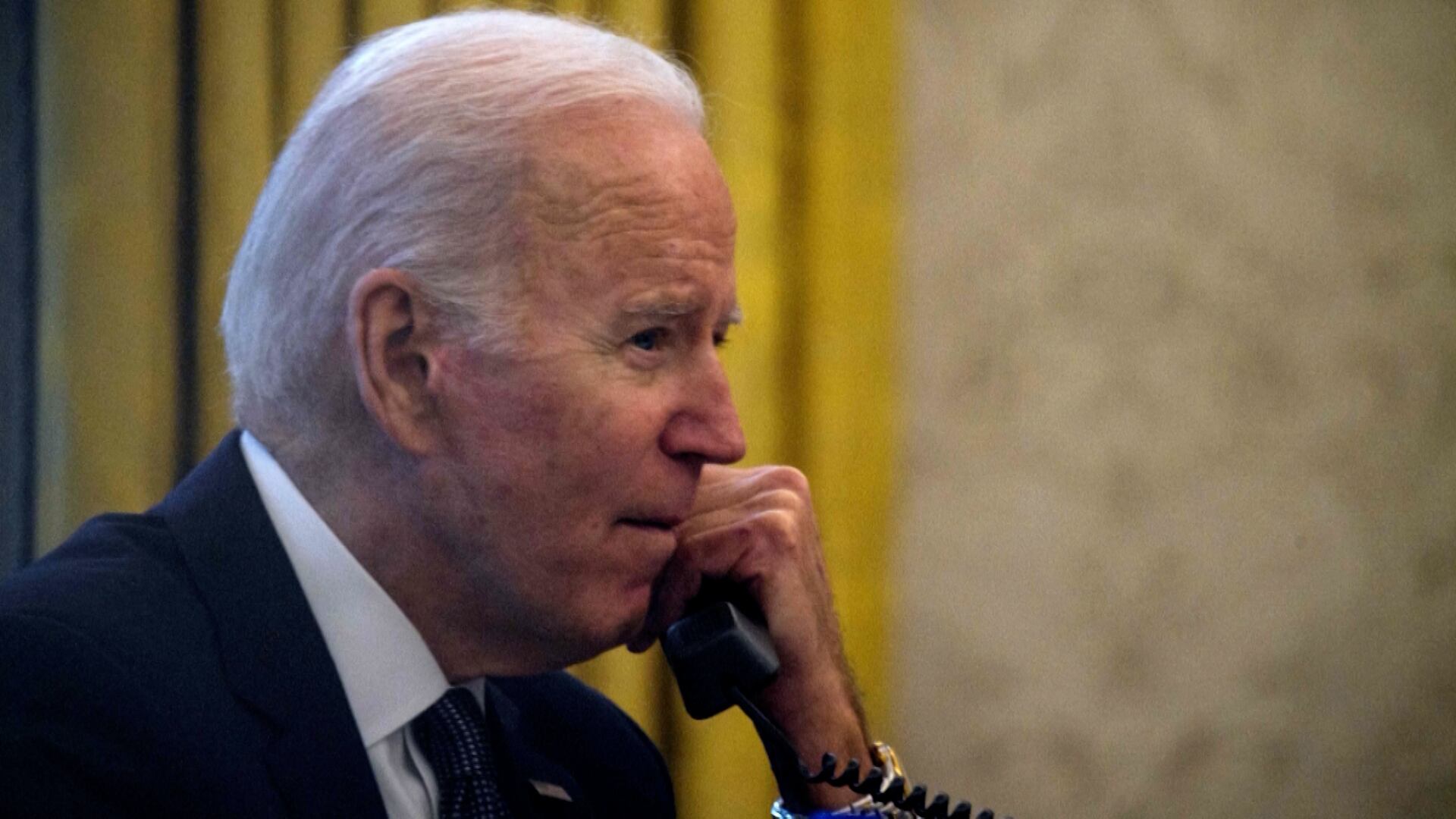
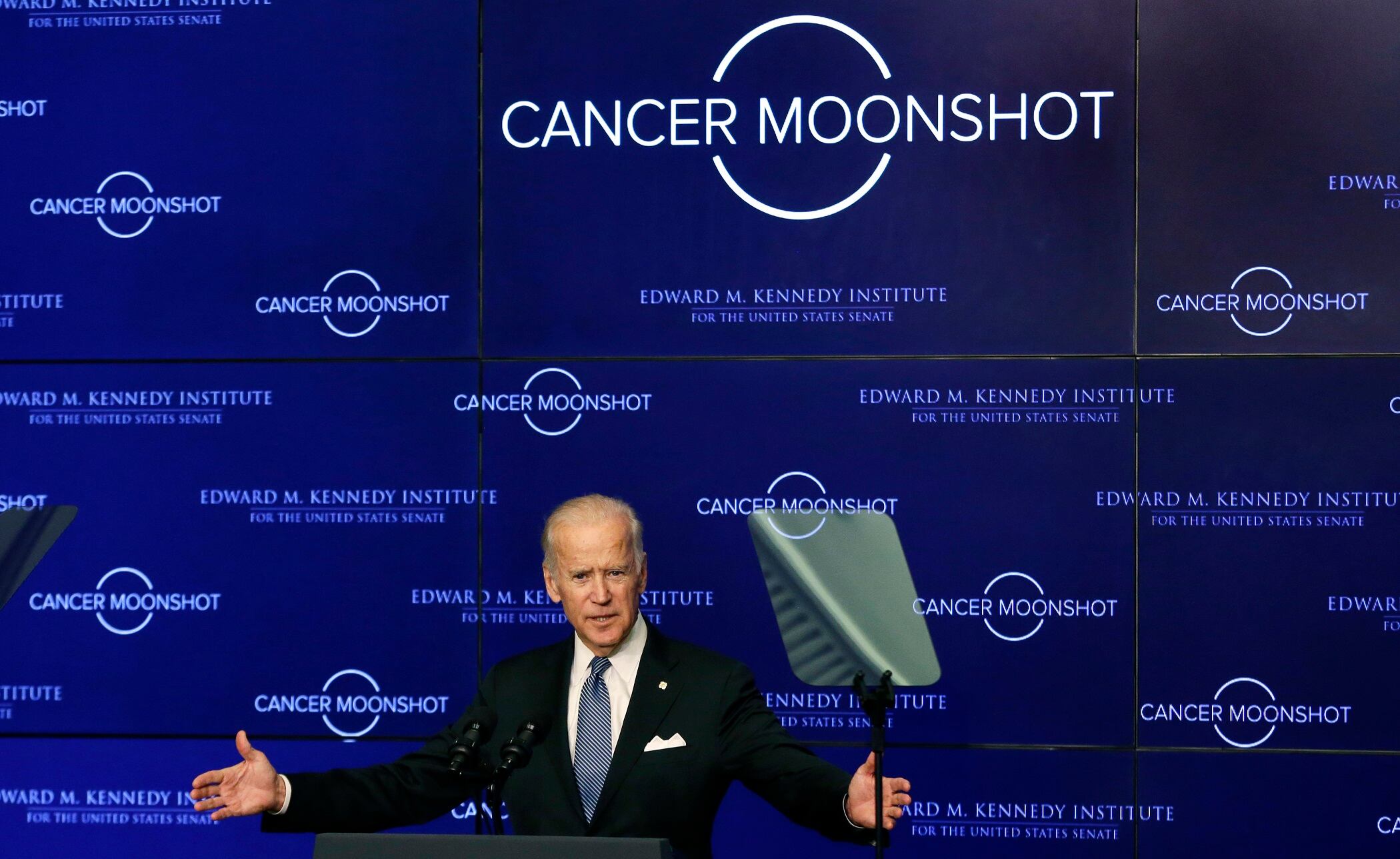
President Joe Biden is committing to reduce the cancer death rate by 50% — a new goal for the “moonshot” initiative against the disease that was announced in 2016 when he was vice president.
Biden has set a 25-year timeline for achieving that goal, part of his broader effort to end cancer as we know it, according to senior administration officials who previewed Wednesday's announcement on the condition of anonymity.
The issue is deeply personal for Biden: He lost his elder son, Beau, to brain cancer in 2015.
The pain experienced by the president is shared by many Americans. The American Cancer Society estimates that there will be 1,918,030 new cancer cases and 609,360 cancer deaths this year. What Biden is aiming to do is essentially save more than 300,000 lives annually from the disease, something the administration believes is possible because the age-adjusted death rate has already fallen by roughly 25% over the past two decades. The cancer death rate is currently 146 per 100,000 people, down from nearly 200 in 2000.
The American Cancer Society said in a statement that it applauded Biden for “putting national focus on this critical issue” and that “it will be standing shoulder to shoulder” with the administration.
Dr. Barron Lerner, a professor of medicine and population health at New York University Langone Health, said that “hyperbolic goals" can be needed to attract public attention but achieving the 50% reduction is “extremely unlikely.”
“Similar past efforts like the ‘War on Cancer’ have made gains, but they have been more modest,” said Lerner, the author “The Breast Cancer Wars.” “Cancer is many diseases and requires very complicated research. Translating these advances to the clinical setting is never easy either.”
Biden was scheduled to give remarks Wednesday from the East Room of the White House, along with his wife, Jill, and Vice President Kamala Harris. Also scheduled to attend the speech: members of Congress and the administration and about 100 members of the cancer community including patients, survivors, caregivers, families, advocacy groups and research organizations.
As part of the effort, Biden will assemble a “cancer Cabinet” that includes 18 federal departments, agencies and offices, including leaders from the Departments of Health and Human Services, Veterans Affairs, Defense, Energy and Agriculture.
There were no plans to announce new funding commitments on Wednesday, though the administration will outline why it believes it can curb cancer through efforts such as increased screening and removing inequities in treatment. The coronavirus pandemic has consumed health care resources and caused people to miss more than 9.5 million cancer screenings.
The White House also will host a summit on the cancer initiative and continue a roundtable discussion series on the subject. The goal is to improve the quality of treatment and people’s lives, something with deep economic resonance as well. The National Cancer Institute reported in October that the economic burden of treatment was more than $21 billion in 2019, including $16.22 billion in patient out-of-pocket costs.
President Barack Obama announced the cancer program during his final full year in office and secured $1.8 billion over seven years to fund research. Obama designated Biden, then his vice president, as “mission control," a recognition of Biden's grief as a parent and desire to do something about it. Biden wrote in his memoir “Promise Me, Dad” that he chose not to run for president in 2016 primarily because of Beau's death.
When Biden announced he wasn't seeking the Democratic nomination in 2016, he said he regretted not being president because "I would have wanted to have been the president who ended cancer, because it’s possible.”
The effort fell somewhat out of the public focus when Donald Trump became president, though Trump, a Republican, proposed $500 million over 10 years for pediatric cancer research in his 2019 State of the Union address.
Biden continued the work as a private citizen by establishing the Biden Cancer Initiative to help organize resources to improve cancer care. When Biden did seek the presidency in 2020, he had tears in his eyes as he said in an interview on MSNBC's “Morning Joe" that “Beau should be running for president, not me.”