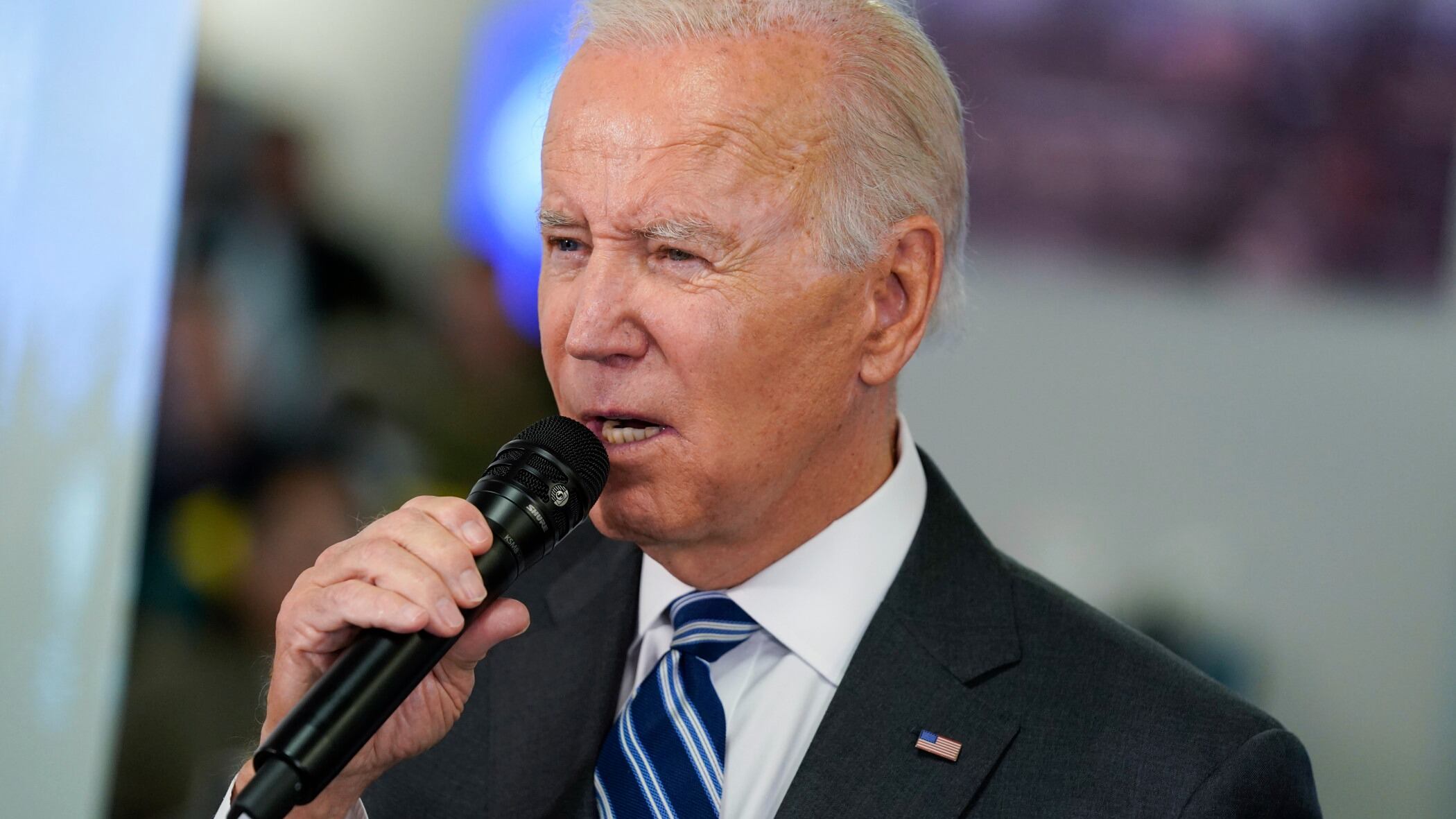
President Joe Biden speaks about Hurricane Ian during a visit to FEMA headquarters, Sept. 29, 2022, in Washington. The U.S. on Friday sanctioned more than 1,000 people and firms connected to Russia’s invasion of Ukraine, including its Central Bank governor and families of National Security Council members, after President Vladimir Putin signed treaties absorbing occupied regions of Ukraine into Russia, in defiance of international law. (AP Photo/Evan Vucci, File)
Millions of Medicaid recipients could find relief in the form of food shopping funds as the Biden administration begins approving state requests to use the coverage for groceries.
It's part of a larger movement that identifies "food as medicine" as priority in a person's healthcare plan.
A study by the National Institute on Minority Health and Health Disparities found a correlation between food insecurity and poor health. People that lacked access to nutritious food options showed increased risk for chronic problems like diabetes, heart disease, obesity and mental health disorders.
The move is being met with opposition from those who say including food in Medicaid coverage is an unnecessary expansion.
"This is really the first I've seen the federal government push food and air conditioners and other things as allowable. We already have the SNAP program," Gary D. Alexander, head of the Medicaid and Health Safety Net Initiative for Paragon health Institute, told The Wall Street Journal.
Last year, pilot programs in Arkansas, Massachusetts and Oregon were tested that allowed the states to spend millions in federal and state funds on health needs and included variations of healthy-meal preparation and nutrition counseling.
"We're able to cover cooking classes and nutrition classes," James Schroder, interim director of the Oregon Health Authority said. "We can do up to six months of what we call 'food and veggie RX.' And up to six months of medically tailored meals."
People ages 19 through 24 who were at high risk for long-term poverty were able to receive coverage for nutritional services in Arkansas, while Massachusetts provided home-delivered meals for up to six months as well as "food prescriptions."
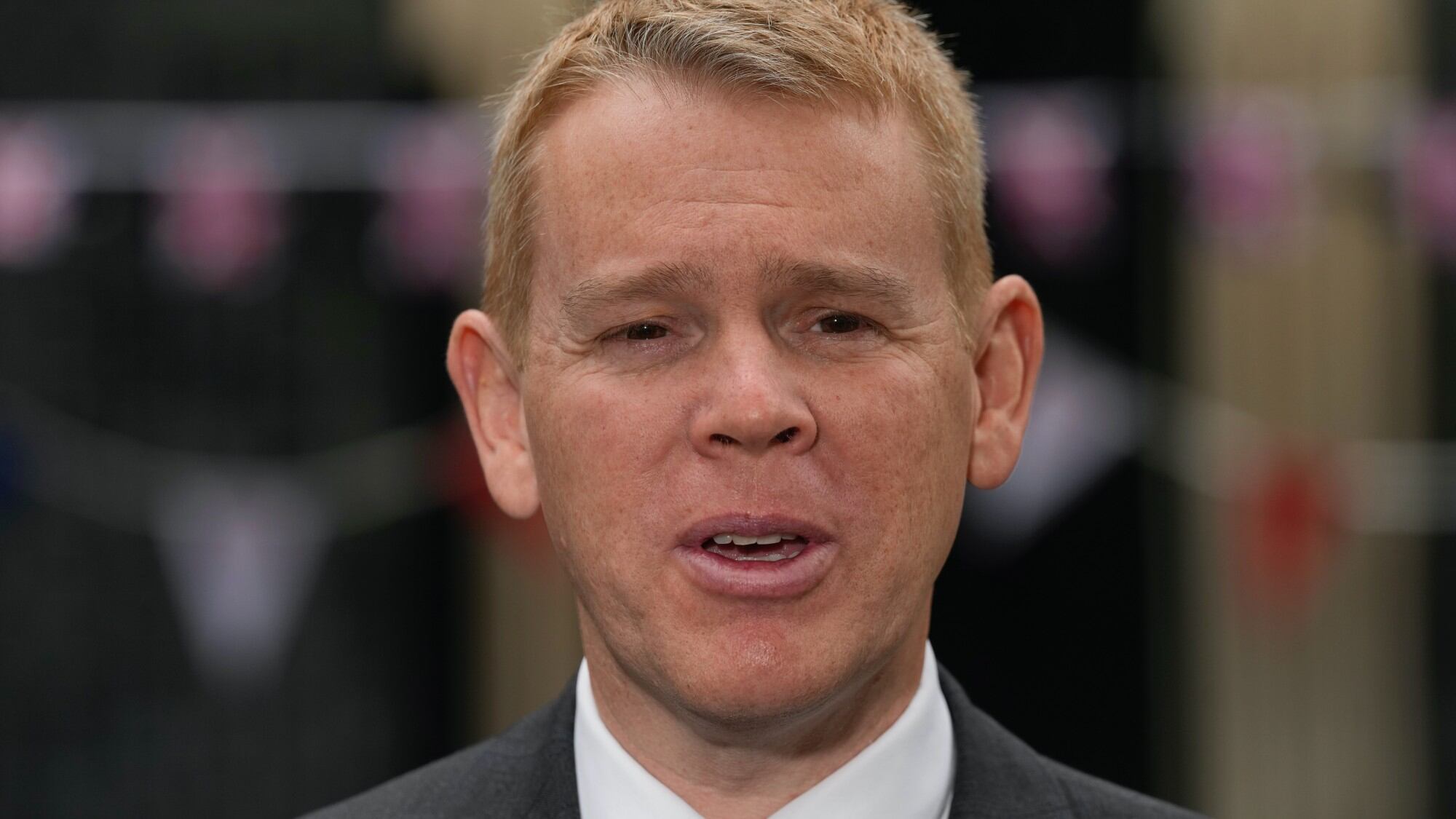
New Zealand acknowledged it has an aging Boeing 757 so prone to breakdowns they had sent an empty backup to ensure Prime Minister Chris Hipkins didn't get stranded in China, where he is leading a trade delegation.
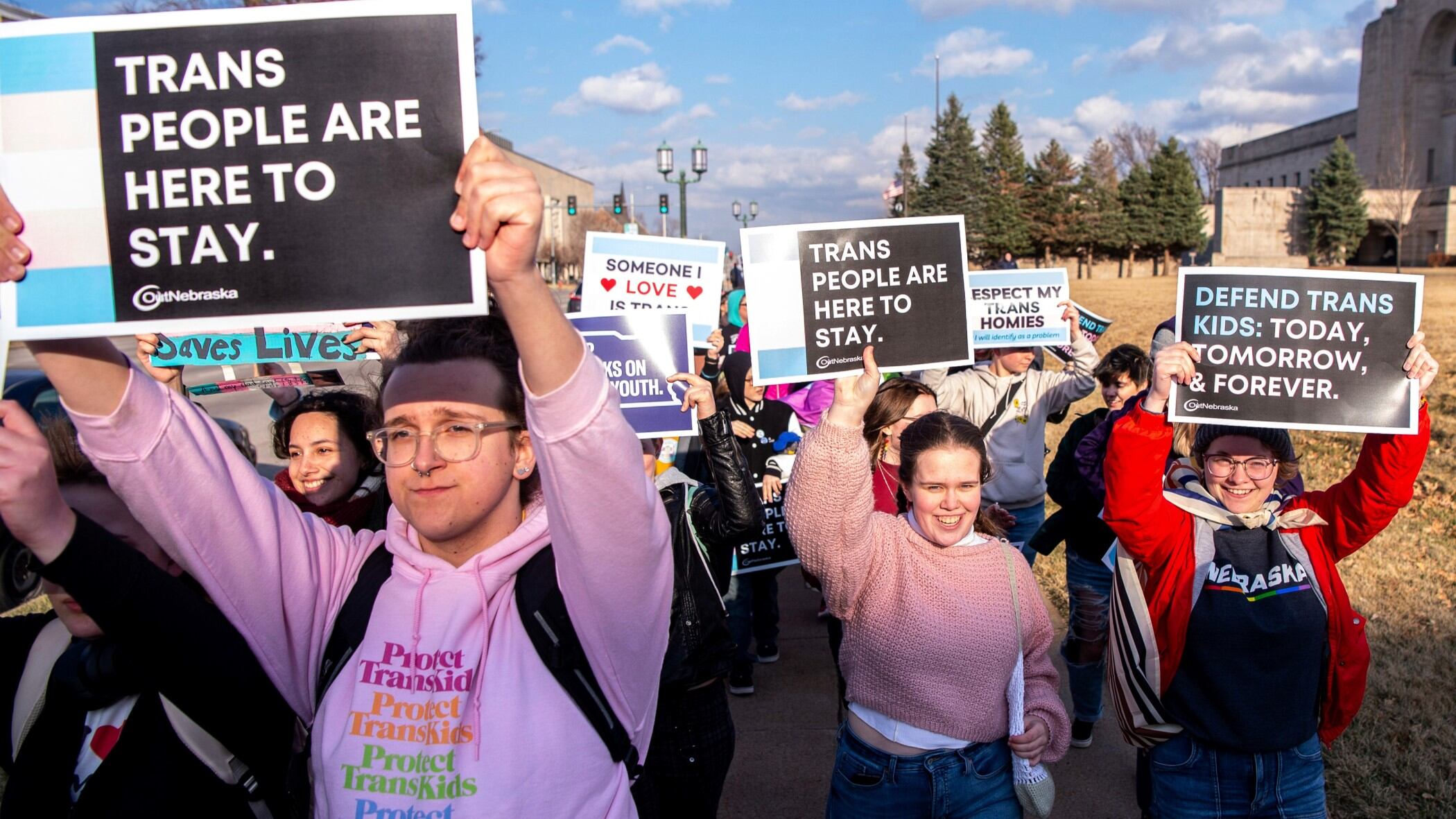
Delaware state Sen. Sarah McBride announced Monday she's running for the U.S. House of Representatives. Already the first openly transgender state senator elected in the country, she'd be the first transgender member of Congress if she wins in November.
U.S. states could face some hurdles as they experiment with road usage charging programs aimed at one day replacing motor fuel taxes, which are generating less each year, in part due to fuel efficiency and the rise of electric cars.
The defiance of restrictions in North Dakota on what bathrooms transgender students can use in public schools and universities shows that it's not exactly clear how bathroom laws will play out in local communities after being enacted in at least 10 states with Republican-controlled legislatures.
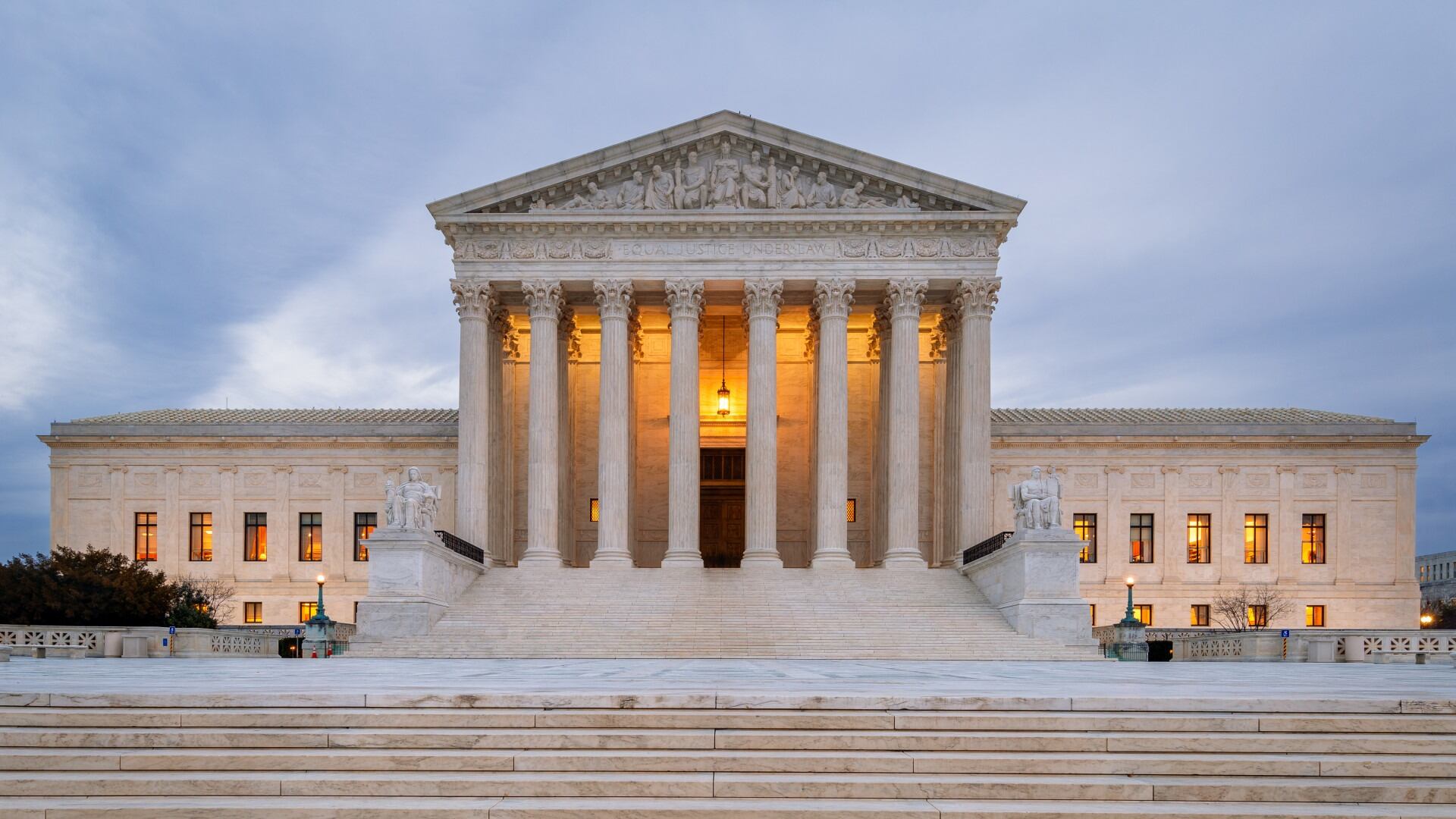
The Supreme Court on Monday left in place an appellate ruling barring a North Carolina public charter school from requiring girls to wear skirts to school.
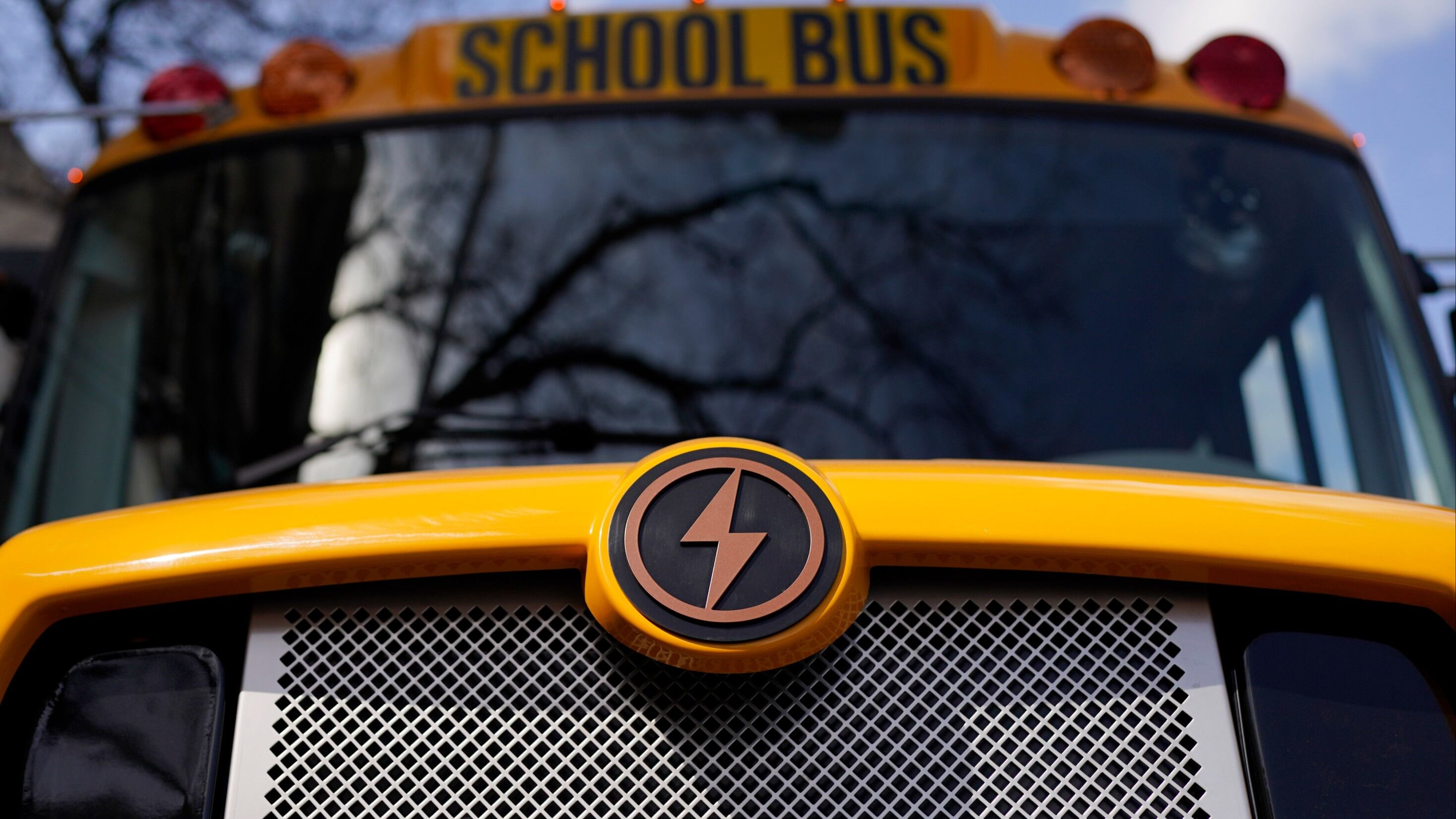
The U.S. Department of Transportation is awarding almost $1.7 billion in grants for buying zero- and low-emission buses, with the money going to transit projects in 46 states and territories.
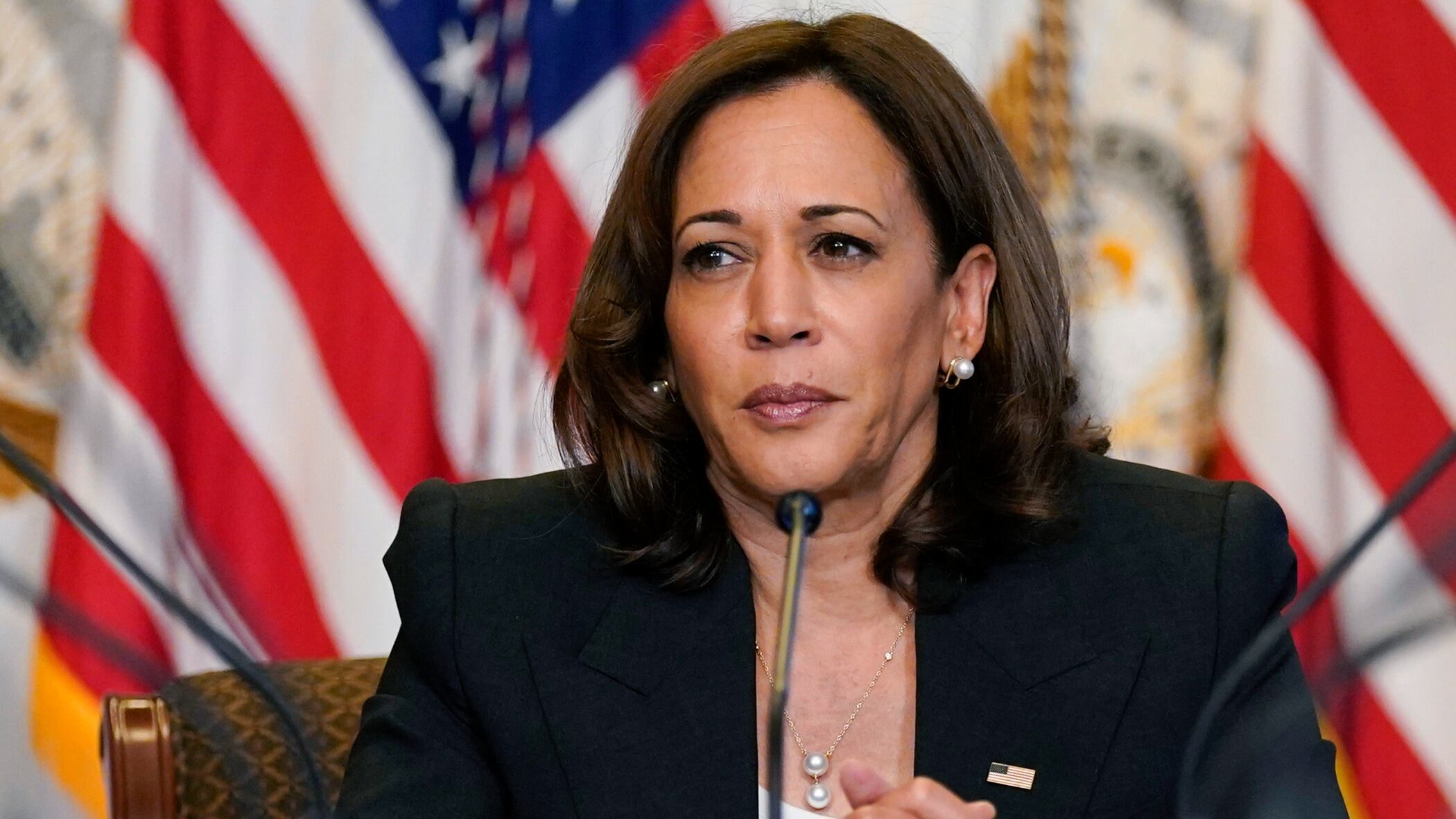
Vice President Kamala Harris said Supreme Court conservatives caused a healthcare crisis in America and blasted abortion bans in Republican-led states.