Bidding for Bezos: Raleigh, NC Mayor Weighs in on Amazon HQ2
Amazon plans to invest over $5 billion and create 50,000 jobs for its new headquarters. Amazon HQ2 could ultimately change the economic trajectory of the winning city for years to come. Nancy McFarlane, Mayor of Raleigh, North Carolina, was with us to discuss the city's chances.
Amazon culled its list down from 238 to 20, Raleigh among them. Mayor McFarlane shared what she believes landed her city on the short list. The Mayor stressed that Raleigh is a great environment for a tech company to grow. Tech jobs in Raleigh have grown 38.5% from 2010-2015, second only to San Francisco and ahead of Austin, Boston, and other innovation hubs.
Amazon's presence transformed the real estate market in Seattle. In July, home prices in the city increased 13.5% compared to last year, according to reports. Mayor McFarlane said it would be part of the discussion if Amazon were to move in because maintaining affordable housing is a priority, but careful planning would help avoid the displacement of residents.
Brad Bernstein, managing director at UBS Private Wealth Management breaks down the state of the U.S. economy and what to expect from Fed policy from the rest of the year.
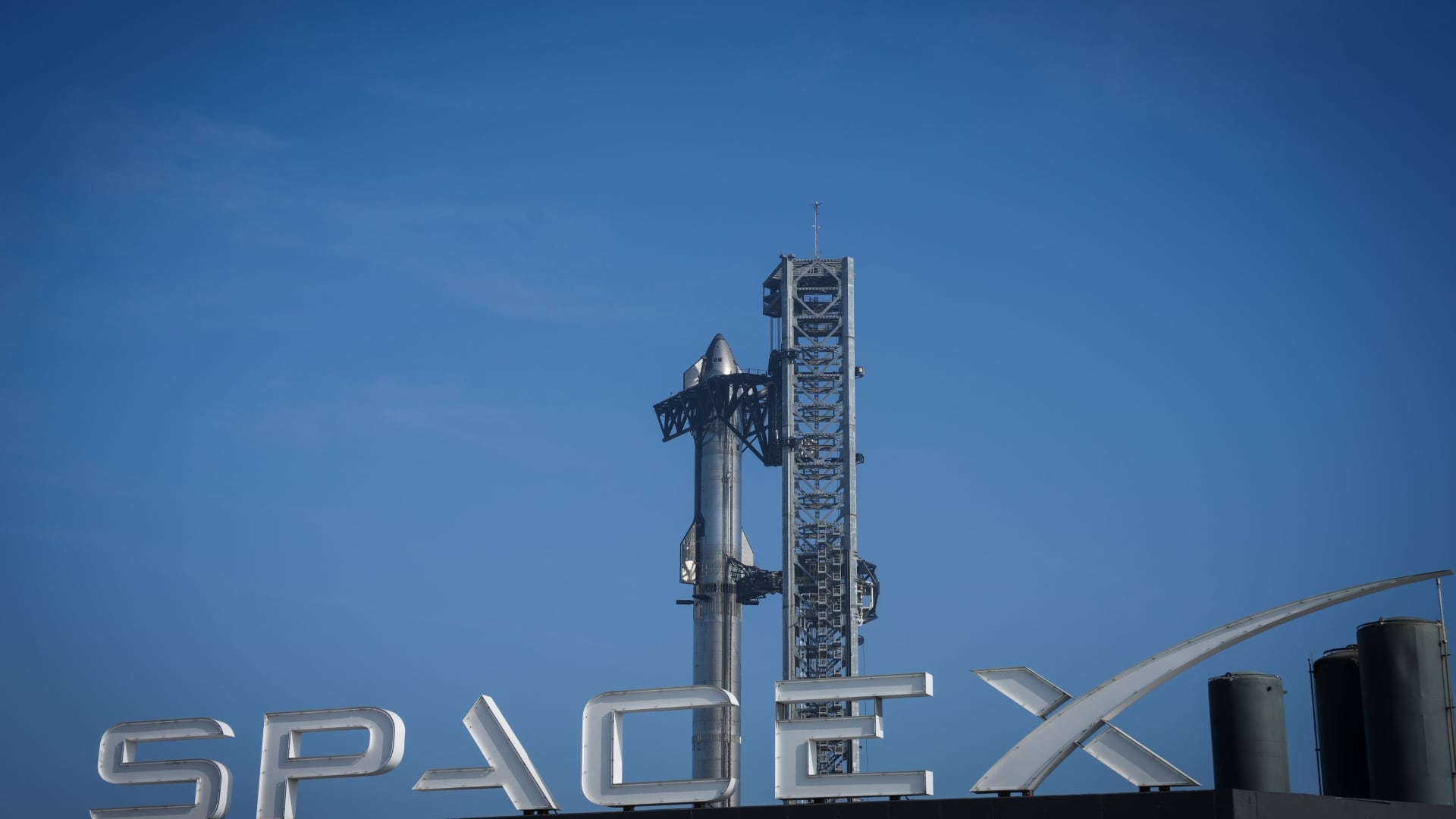
SpaceX Investor Chad Anderson discusses Starship's latest test flight, what's next, and why he thinks Elon Musk's leadership sent the company in the right direction.
Dilip Rao, CEO of Sharebite, explains how his startup wants to normalize companies feeding their workers, the role of the private sector in public concerns, and more.
Athlete compensation, player unions and realignment dominate discussions — everything in college sports is open for discussion, interpretation and adjustment.
Sola Mahfouz and Malaina Kapoor, authors of 'Defiant Dreams: The Journey of an Afghan Girl Who Risked Everything for Education' discuss how Sola overcame the Taliban to get an education.