Betting on Patriotism: What Makes a Military-Friendly Company
*By Michael Teich*
Patriotism can be good for profits, says Rich Cea, head of UBS's ETF product InsightShares.
Through its Patriotic Employers ETF, launched last January, UBS gives socially conscious investors an opportunity to support companies that recruit and hire military veterans. A portion of the revenue generated by the ETF will be donated to veteran charities.
"The companies that do well are the ones that invest in their programs to find leaders, culture carriers, and good team players," Cea told Cheddar on Monday.
He named Home Depot and IBM as examples of companies that do this particularly wellーand they're not the only ones. Topping
[Military.com's list](http://militaryfriendly.com/employers/?search=employers&industry=&revenue=&das_name=&mfe_verif=&rank_awards=Top+10) of military-friendly workplaces are insurance company State Farm and Big Four consulting firm PwC.
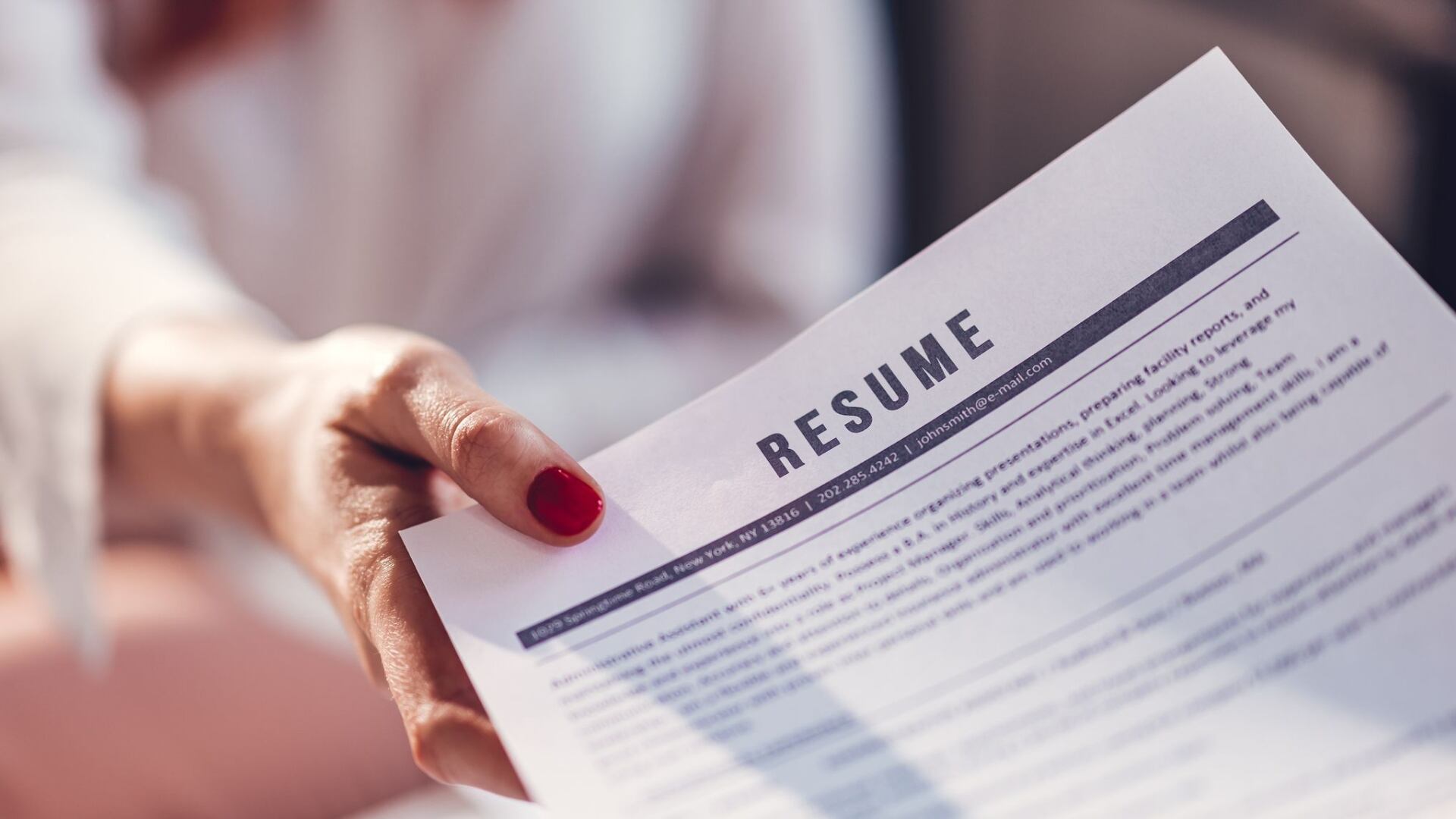
And it's not a matter of supporting veterans on principle, added Cea. Military veterans are often overlooked because hiring managers don't recognize their value in the workplace.
"We're looking for the companies that are doing the best job at hiring the best people for the job. Now, more and more, that's a challenge."
For the full interview, [click here](https://cheddar.com/videos/the-link-between-patriotism-and-investing).
The incoming Fed decision will likely be good news for consumers with high-yield saving options, but bad news for borrowers (like anyone with high credit debt).
Empower your financial future with 'Investing Is Your Superpower' by Shinobu Hindert. Learn how to take control of your finances. No economics degree required
Inflation is still high, and economic activity is starting to slow down. But before you start to panic about stagflation, wait to see this week’s jobs report.
With buildings responsible for over 40% of emissions worldwide, the CEO of Kelvin breaks down how its technology can be used to retrofit traditional radiators.
After battling inflation for years, now U.S. consumers have to prepare for stagflation, and, unfortunately, it could be more complicated to fix than a typical