Better Buying Opportunity: Large-Cap or Small-Cap Stocks?
Markets slid after top economic advisor to the Trump Administration, Gary Cohn, resigned. This added to the concerns Wall Street already had on rising rates and the President's steel and aluminum tariffs. Lamar Villere, Portfolio Manager of the Villere Balanced Fund, was with us to discuss the state of the markets.
Trade war not good for business, but it's really bad for multi-national corporations. Villere added that small caps will be more shielded from a trade war because they are less exposed to international macroeconomic variables.
The portfolio manager said rising interest rates are a bigger risk for markets than the steel and aluminum tariffs. The reason is because it is too hard to predict how other countries will respond, Villere adds.
Villere is on ETF bubble watch, which he says is a crowded space. He warns that "you don't want to be in a crowded trade." He adds that these ETFs are not as diverse as people think.
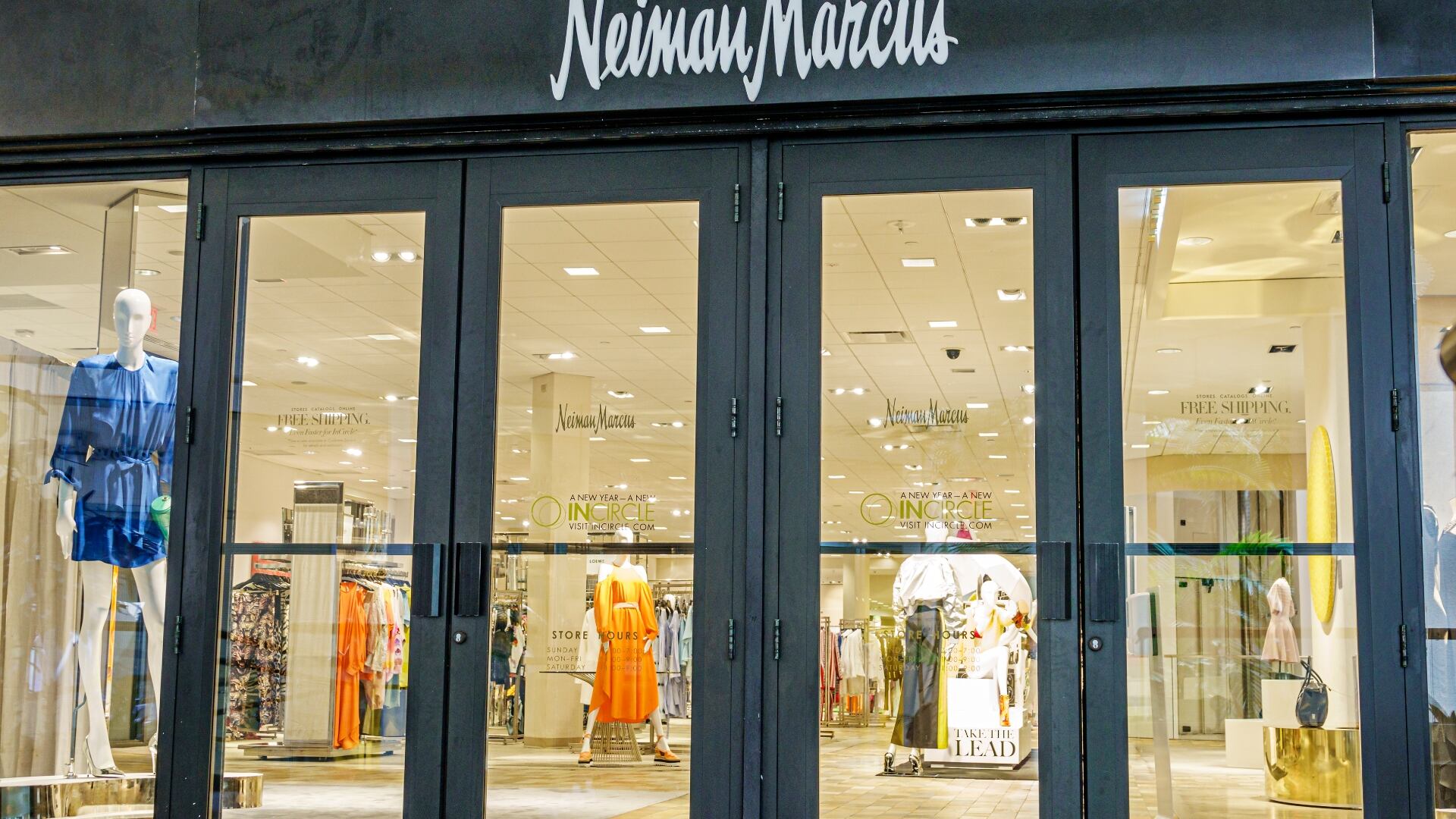
Neiman Marcus Group CEO Geoffroy van Raemdonck talks luxury shopping and TikTok, why the company prefers to be private for now, and the benefits of flexible work arrangements.
Rebecca Walser, founder and CEO of Walser Wealth Management, discusses how geopolitical conditions, the bifurcated economy, and other volatility could weigh on markets.
The video announcement Friday came after weeks of speculation spread on social media about her whereabouts and health since she was hospitalized in January for unspecified abdominal surgery.
Chip Giller, co-founder, and Amy Seidenwurm, Chief of Programs and Strategy at Agog: The Immersive Media Institute, discuss how the organization uses the virtual world to make real change.
Luminary founder and CEO Cate Luzio shares some of the company’s latest Women’s History Month events and why there’s so much to celebrate about women in the workplace.
WSJ reporter Ray Smith breaks down why more companies are offering ‘dry’ promotions – a responsibility or title bump with no pay raise – and the pros and cons of accepting them.
Apple says a Justice Department antitrust lawsuit accusing it of engineering an illegal monopoly in smartphones in the U.S. is “wrong on the facts and the law.”