*By Max Godnick*
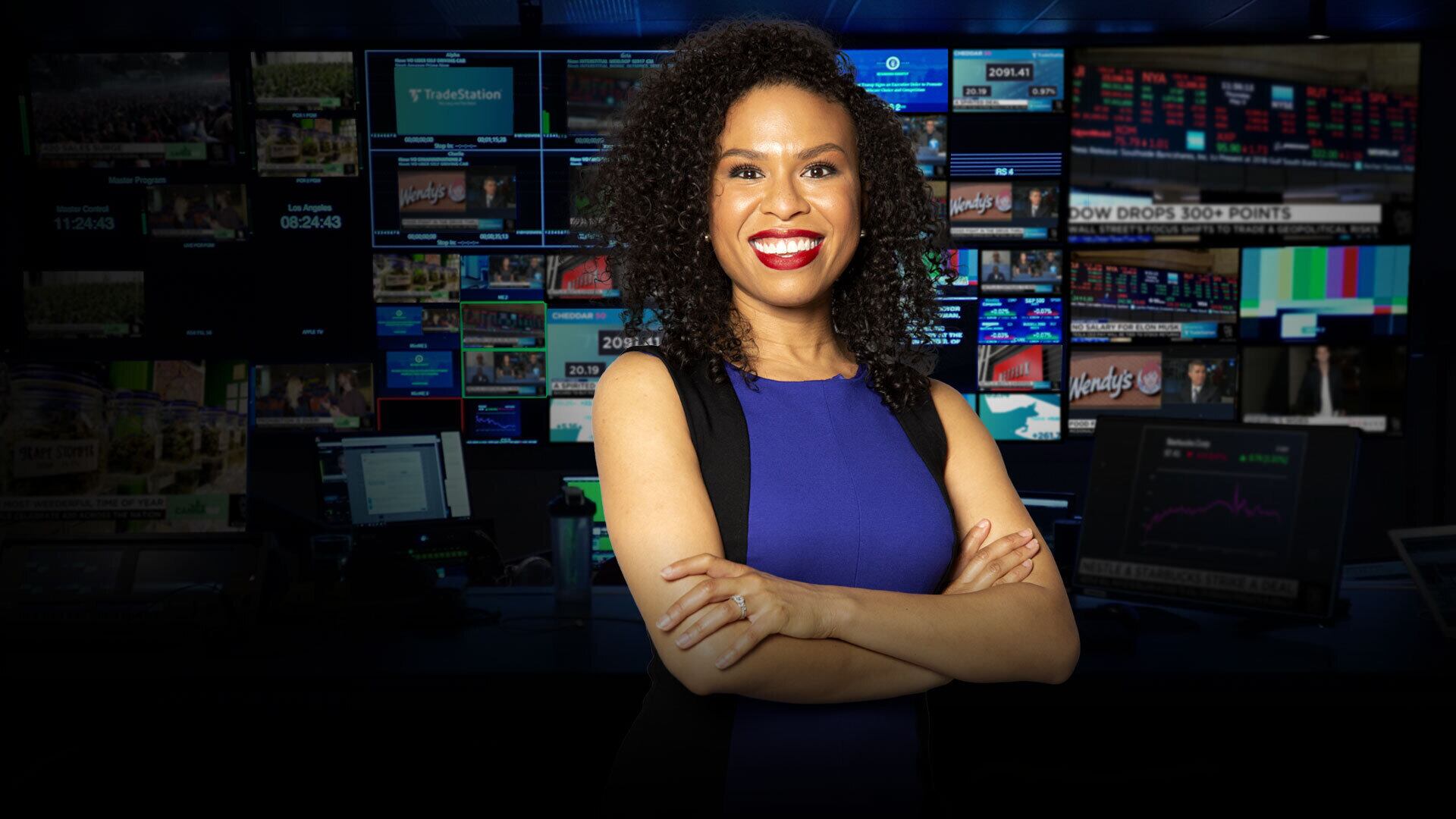
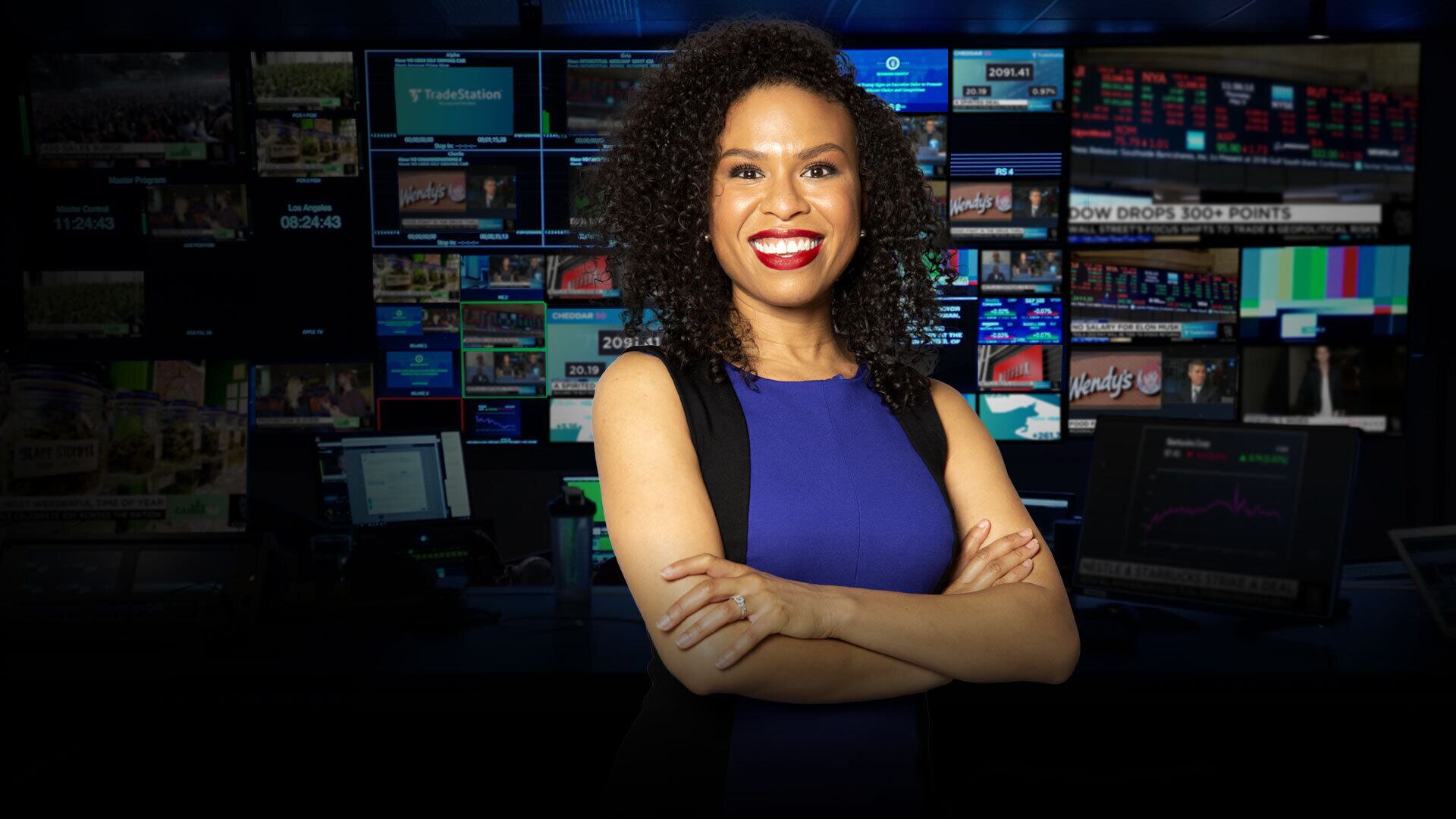
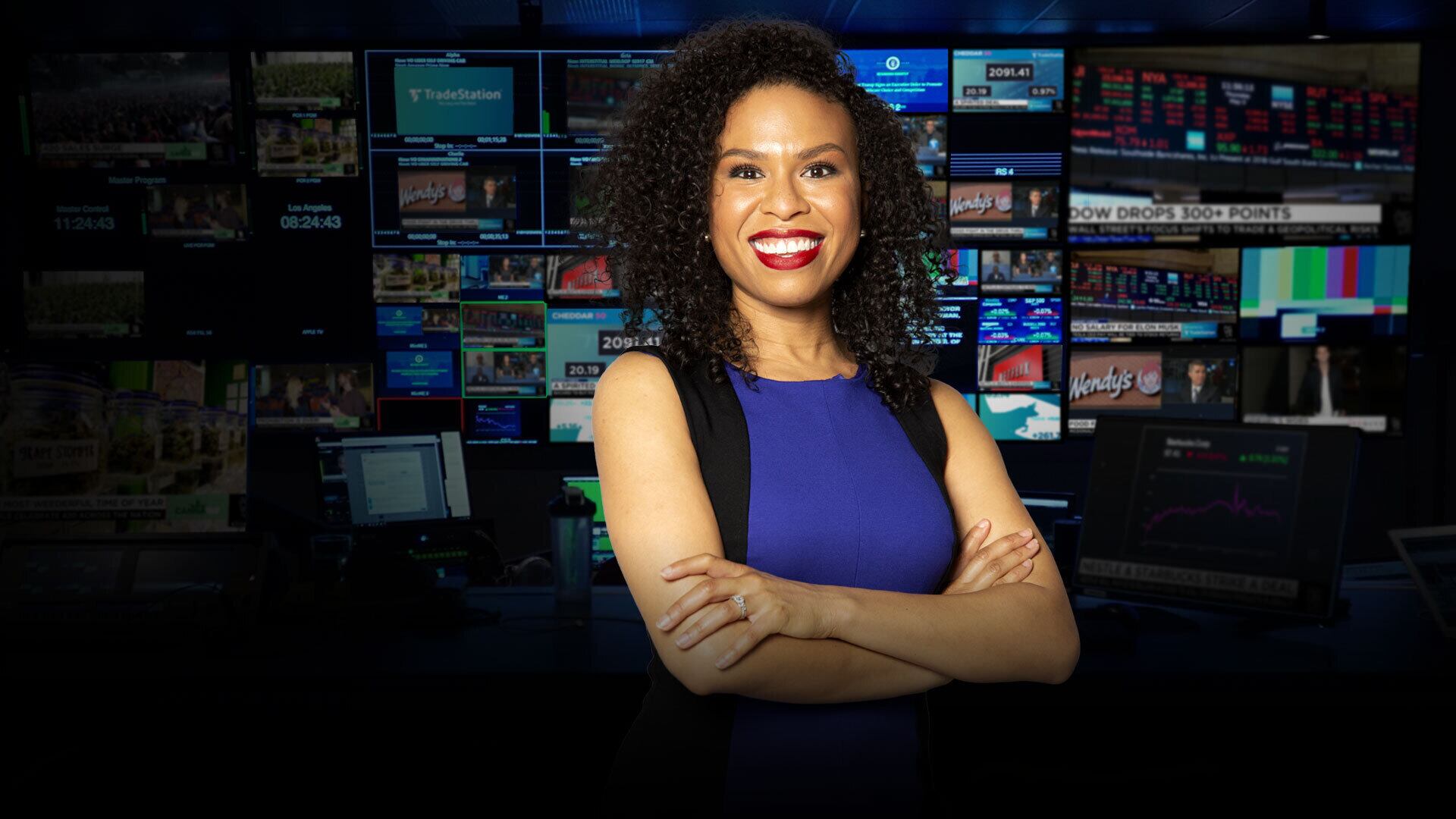
Bethenny Frankel is using the same skills she used to succeed in the business world to help change lives in Puerto Rico and Guatemala.
The author, philanthropist, and entrepreneur is the founder of B Strong, a crisis intervention initiative that focused its efforts on disaster relief during the historic Atlantic hurricane season of 2017. The organization helped charter over fifty planes to deliver aid to Puerto Rico and raised over $1 million, which was distributed via cash cards.
"It felt like business," Frankel said of the non-profit endeavor in an interview with Cheddar on Tuesday.
The "Real Housewives of New York" star said she approached her role like a CEO and viewed her supporters as investors.
"They were investing their money to help people or investing their time to donate," she said.
Frankel's business mindset is one she knows well as the founder of Skinnygirl, the lifestyle brand she sold to Beam Suntory in 2011. The company is now expanding beyond its cocktail roots into food and clothing, with a denim line expected to be in stores this fall. She also started production company B Real-ity and is a guest judge on ABC's hit deal-making show, "Shark Tank."
Frankel thinks these experiences helped her prepare for her most important job yet.
"I knew that skill set," she said of the tools required to conduct such a large-scale relief endeavor, directly tracing them back to her stint as an event planner. "I know how to start a company, I know how to run a company, I know how to manage people and execute."
Frankel said the experience kept her from sleeping for three months as she organized her team and helped mobilize online chat rooms into meaningful support. She framed her direct and personal approach to a privately-run humanitarian mission as more effective and trustworthy than larger organizations.
"Right now the world of Big Charity is very not trusted," Frankel said, adding, "The people in Puerto Rico don't know where that money is."
For the full segment, [click here.](https://cheddar.com/videos/bethenny-frankel-runs-disaster-relief-efforts-like-a-ceo)
As Russia intensifies its war on Ukraine, President Biden announced a ban on oil imported from the aggressor nation. Critics of Russia have said this would be the best way to force Putin to pull back, but curbs on Russian oil exports are expected to send already skyrocketing oil and gas prices even higher, further impacting consumers, businesses, financial markets, and the global economy. Leslie Beyer, CEO of the Energy Workforce and Technology Council, joined Cheddar News' Closing Bell to discuss. "It's certainly going to increase pricing, but it is the right thing to do," she said. "The industry itself has already pulled out of the significant portion of its operations in Russia."
As airlines recover from COVID-19 and the industry becomes more competitive than ever, low-fare carrier Breeze Airlines is offering 35 new routes and reduced prices for its first-class experiences. CEO David Neeleman joined Cheddar News to talk about the rollout of services amid plenty of headwinds including high fuel costs. "We can limit a lot of costs because we're a technology company that happens to fly airplanes," he noted.
Despite women as a whole being among the groups most impacted by pandemic job losses, homesharing platform Airbnb reported that women hosts brought in $12 billion in revenue last year. Catherine Powell, Airbnb's global head of hosting, joined Cheddar News to discuss how women hosting has become a huge asset for the company. "Last year 21 percent more women joined the platform than men," she said. "So they are joining the platform. They are being successful. They're more super hosts, and they're doing incredibly well."
Miss Universe 2021 Harnaaz Sandhu and Smile Train CEO Susie Schaefer join Cheddar News to talk about how Smile Train continues to support those with a cleft lip this International Women's Day.
On this International Women’s Day, Deb Cupp, president of Microsoft U.S., joined Cheddar News to talk about the implementation of her pillars to extend the company's culture, such as acting with care and putting the team first. "What I like about the pillars is they're very simple, so it's easy for us to think about how they show up every day in our lives," Cupp said.