VF Hive editor Jon Kelly, Kristen Scholer and the Hive panel discuss the top five stories of the week in politics, technology and business. Tom Frank and Bess Levin kick off The Hive 5 with the first legislative victory of Donald Trump's presidency. They talk about the tax reform bill that, critics argue, will raise the deficit, harm the middle class, and only benefit corporations.
Maya Kosoff covers the latest troubles for Uber. She and Nick Bilton discuss the recent ruling from the European Court of Justice that Uber is essentially a cab company, as opposed to a digital technology company.
Bess Levin and T.A. Frank weigh in on Bernie Sanders' suggestion that the Republican tax bill will be completely re-written once the Democrats take over Congress in 2018. The panel discusses a possible Sanders run for president in 2020.
Bilton and Kosoff return to report on Facebook, and how 2017 was a reckoning for the company. They talk about whether Mark Zuckerberg can pivot in 2018, or if the company will be broken up.
Levin and Frank round out The Hive 5 with a discussion on the return of Anthony Scaramucci to the news. They bring up his criticisms of Steve Bannon at a recent holiday party, and whether he might be well-suited to star in his own reality show.
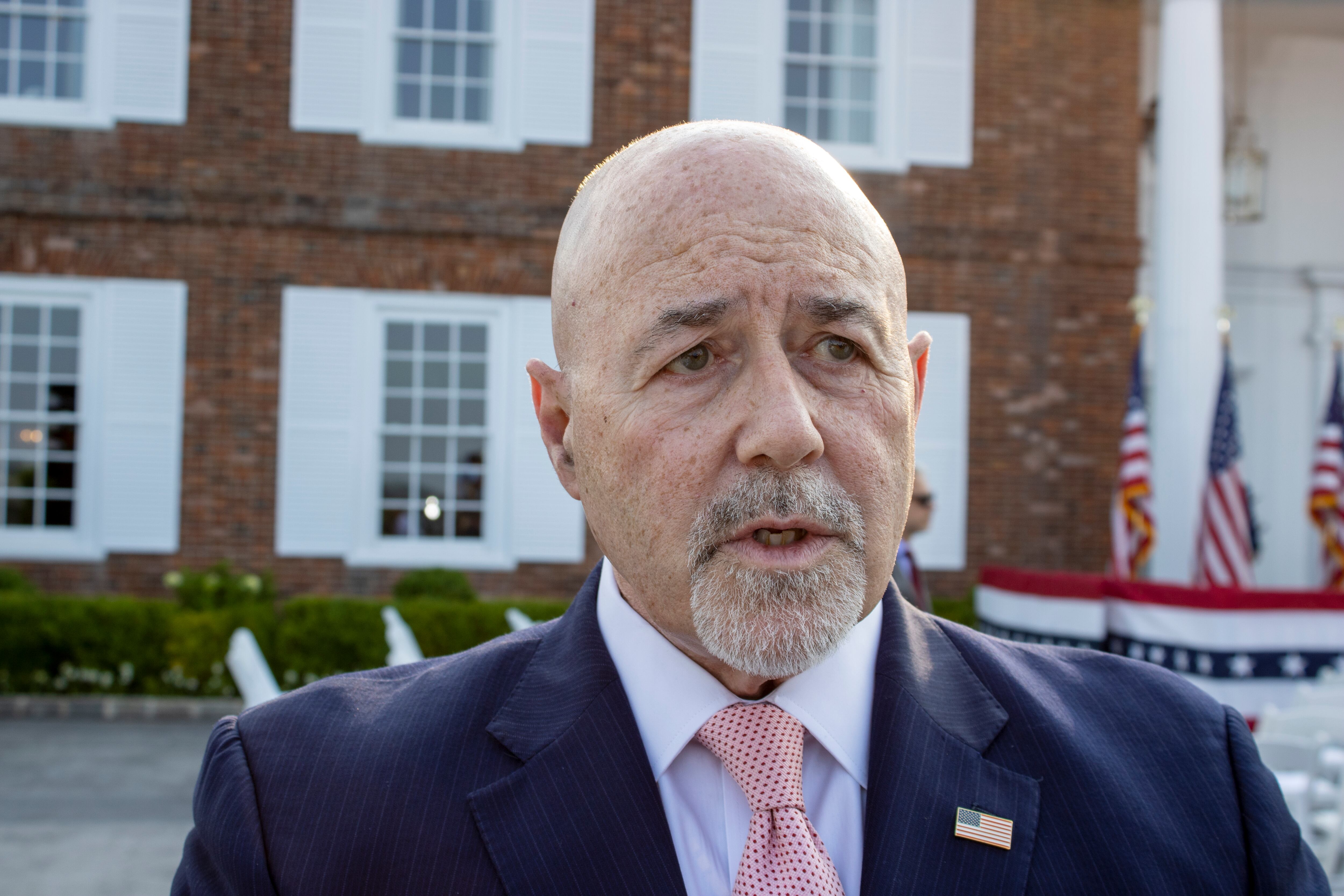
The lawyer for former NYPD commissioner Bernard Kerik turned over thousands of pages and documents to a special counsel as part of an investigation into Kerik's alleged involvement to overturn the results of the 2020 election.
Israel’s parliament on Monday approved the first major law in Prime Minister Benjamin Netanyahu’s contentious plan to overhaul the country’s justice system, triggering a new burst of mass protests and drawing accusations that he was pushing the country toward authoritarian rule.
North Korea fired two short-range ballistic missiles into its eastern sea, South Korea’s military said Tuesday, adding to a recent streak in weapons testing that is apparently in protest of the U.S. sending major naval assets to South Korea in a show of force.
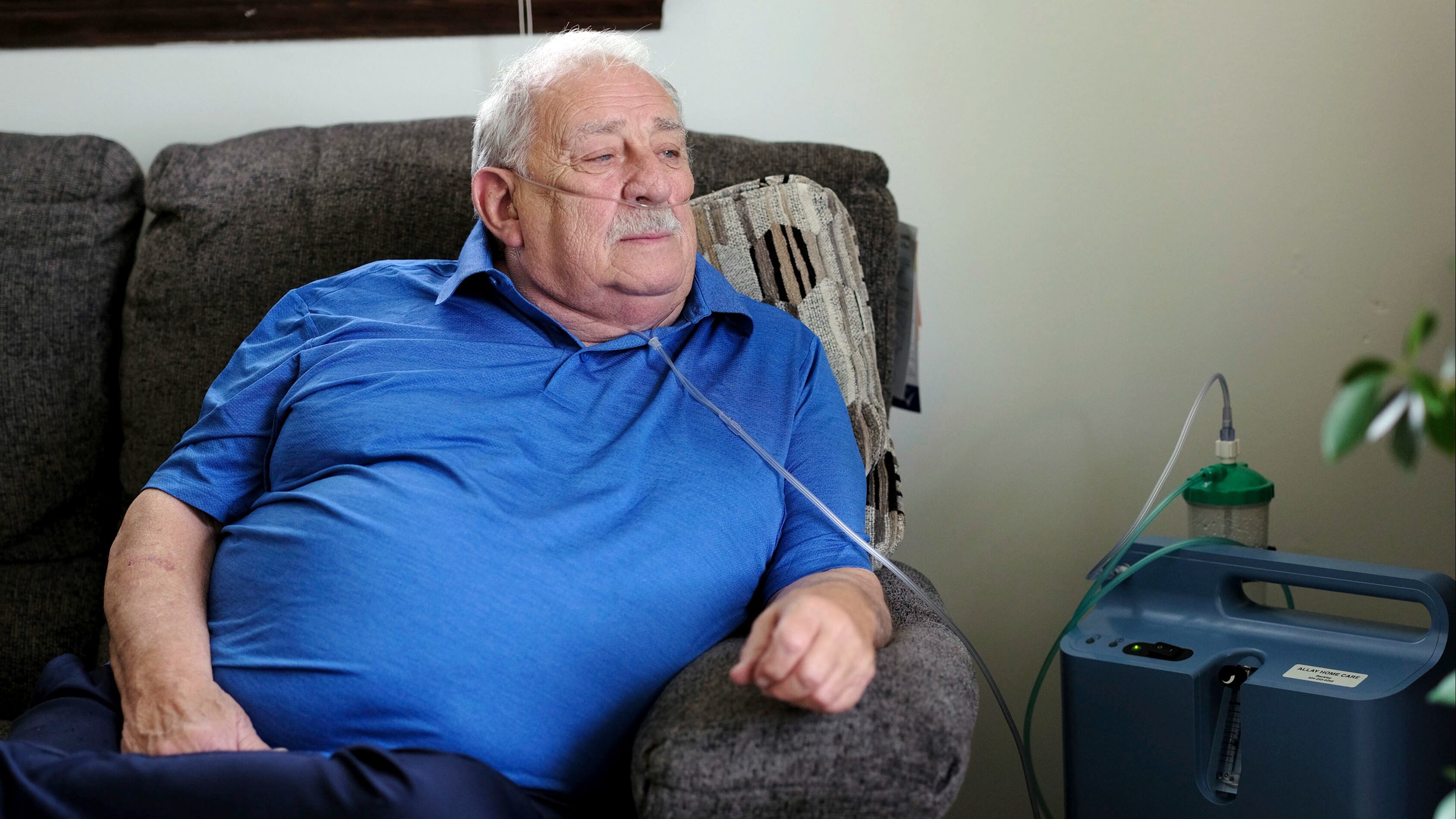
Now the federal Mine Safety and Health Administration has proposed a rule that would cut the current limit for silica exposure by half — a major victory for safety advocates. But there is skepticism and concern about the government following through after years of broken promises and delays.
A state trooper's account of officers denying migrants water in 100-degree Fahrenheit (37.7 Celsius) temperatures and razor wire leaving asylum-seekers bloodied has prompted renewed criticism.