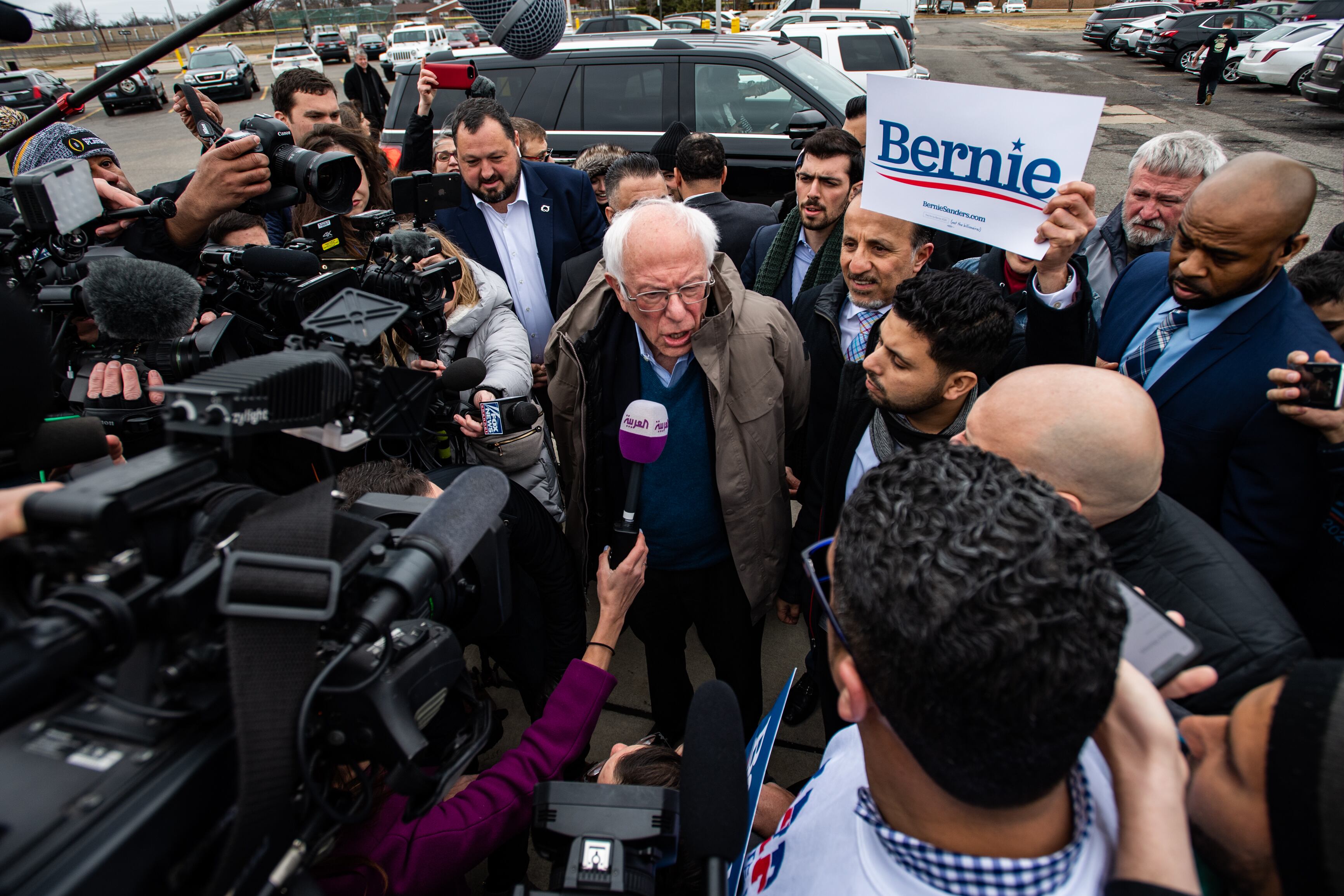
: Sen. Bernie Sanders, I-Vt., U.S. 2020 Democratic Presidential Candidate speaks to the media and supporters outside a polling location at Canfield Center on Tuesday, March 10, 2020 in Dearborn Heights, MI. (Photo by Salwan Georges/The Washington Post via Getty Images)
Senator Bernie Sanders of Vermont spoke at length about the need to defeat Donald Trump and discussed his campaign today after falling behind in another set of Democratic primaries on Tuesday but did not announce his intention to drop out of the contest.
While he cited that he appeared to be losing the race on the issue of electability, Sanders also stated that he felt his campaign was winning the ideological debate. He then directed several questions and challenges on healthcare, climate change, and mass incarceration to his rival former Vice President Joe Biden leading up to the Sunday debate in Arizona.
Biden, the only other remaining candidate aside from Rep. Tulsi Gabbard (far removed in the delegate count) took what looks to be a commanding lead in delegates following victories in Michigan, Missouri, Mississippi, and Idaho, while Sanders won the North Dakota caucus.
The results from the primary in Washington state still show Biden and Sanders nack-in-neck with 67 percent of precincts reporting as of this report.
Sanders, the social democrat who carried the banner, along with Senator Elizabeth Warren of Massachusetts, of what was considered the "progressive" side of the Democratic party, showed signs of leading the race early on among a still-large group of candidates. After a close race with former South Bend, Indiana Mayor Pete Buttigieg in Iowa for its caucus delegates, Sanders racked up wins in New Hampshire and Nevada.
But things would change after Biden garnered a dramatic and lopsided victory in South Carolina's primary. From there, other members of the "moderate" wing of the party, Pete Buttigieg and Senator Amy Klobuchar of Minnesota, dropped out, both endorsing Biden before Super Tuesday.
The Super Tuesday primary day featured the largest share of delegates to date, and while Sanders pulled off a victory in the largest prize of California, and wins in Colorado, Utah, and his own Vermont, Biden's momentum grabbed the lion's share of delegates throughout the Southeast, Minnesota, and Oklahoma.
The primary will conclude with the nomination at the Democratic National Convention in Milwaukee, Wisconsin, from July 13 to 16.
As Russia continues to invade Ukraine, its tech outsourcing sector is at risk. Over the past few years, the country has become a popular outsourcing destination for American and European tech companies, but now the future of that industry is uncertain. Isabelle Bousquette, enterprise technology reporter, for The Wall Street Journal, discusses what repercussions the crisis might have on the industry, and what companies are doing to mitigate possible disruptions.
In a nearly 3,700 page UN report, climate scientists outline the imminent dangers caused by climate change, saying fossil fuels are 'choking humanity.' The report calls some of the impacts of global warming 'irreversible,' warning of extreme consequences in the near future. Kristie L. Ebi, Professor of Global Health and Environmental and Occupational Health Sciences, University of Washington joined Cheddar's Opening Bell to discuss.
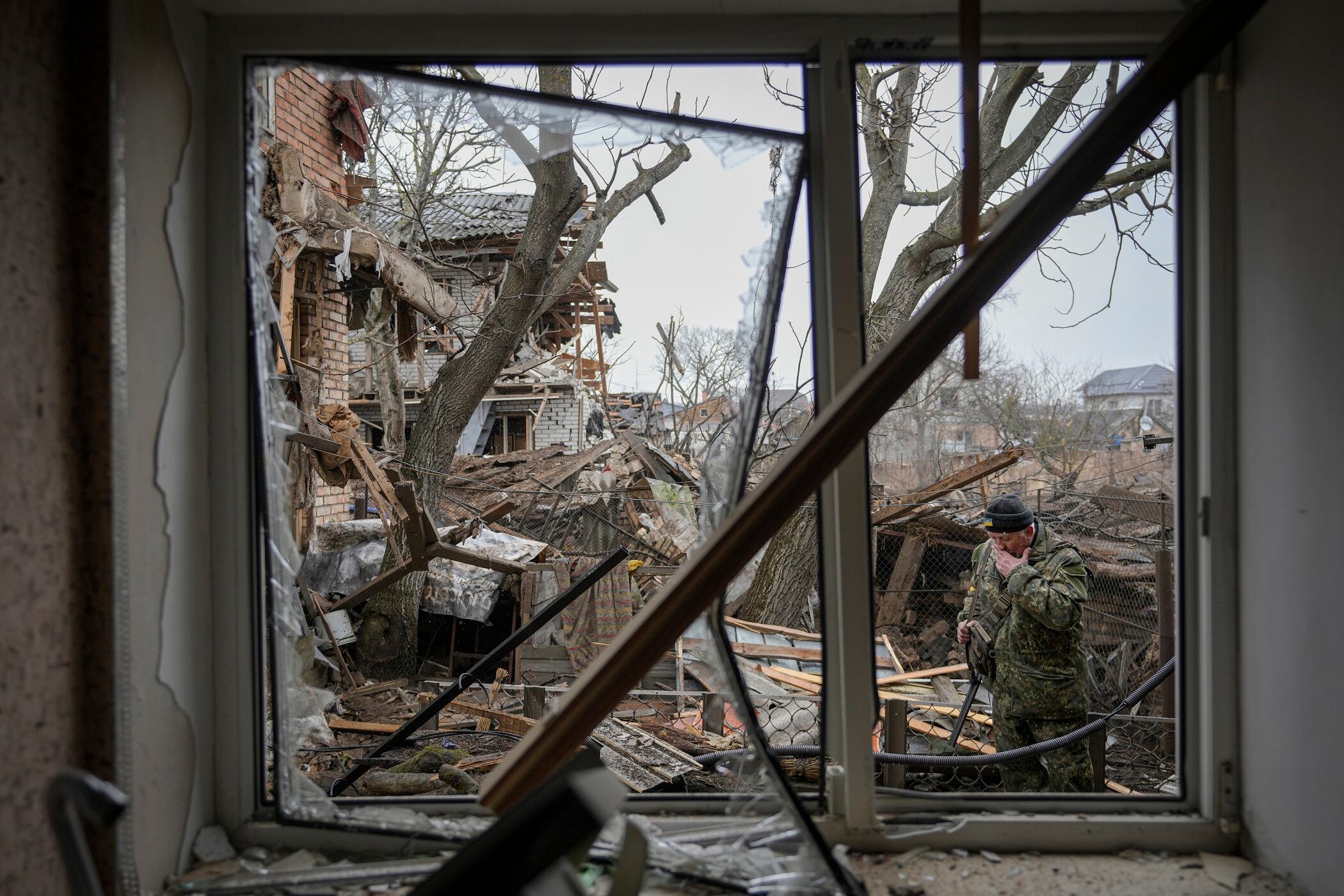
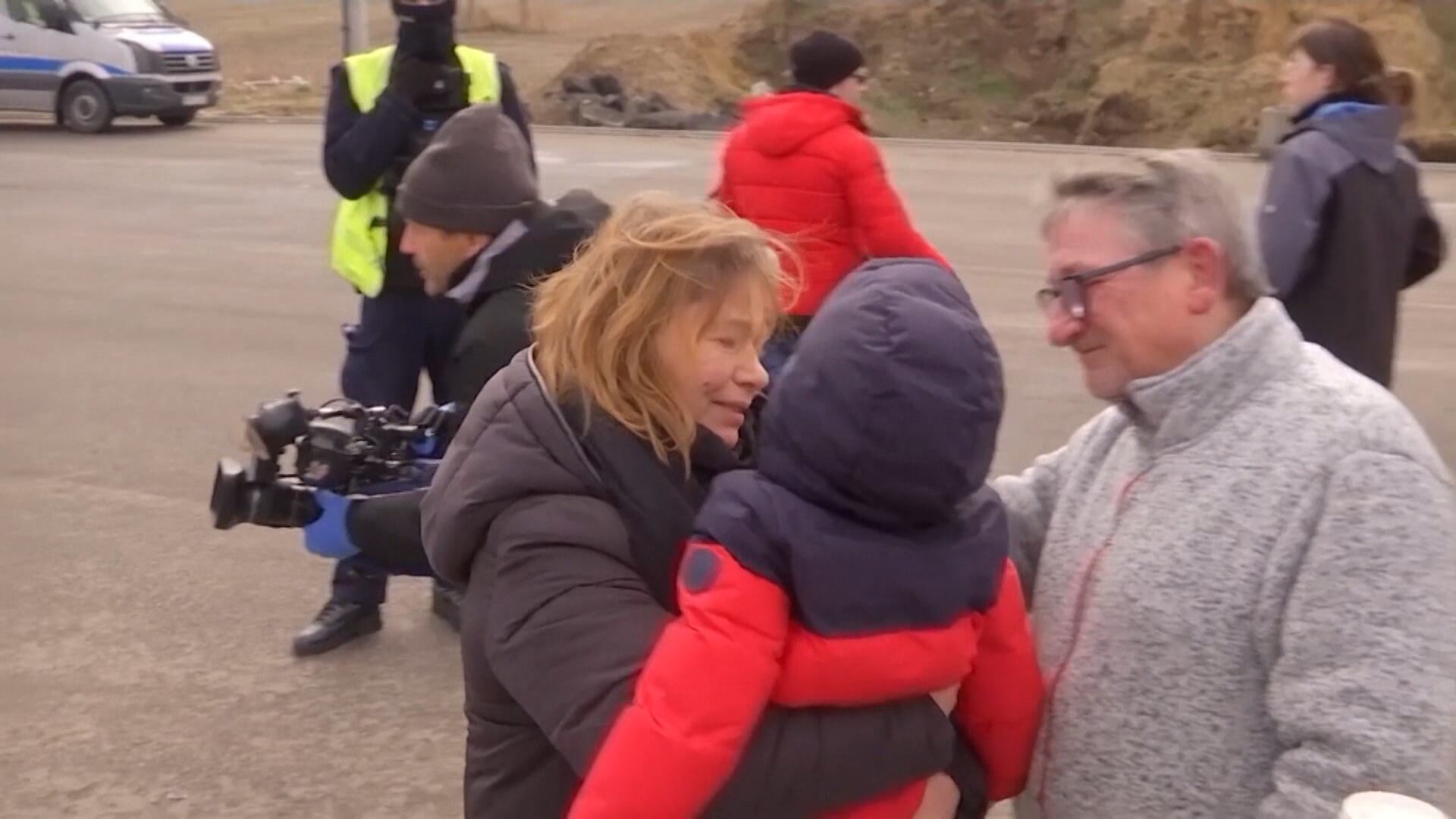
Ukrainian President Volodymyr Zelenskyy has signed an application for Ukraine's membership in the European Union, pleading with the bloc to accept this request. It comes as Russian forces push further into Ukraine, forcing at least half a million refugees to flee. Benjamin Schmitt, Postdoctoral Research Fellow at Harvard University and Senior Fellow at the Center for European Policy Analysis, breaks down the latest in Ukraine.
A growing wave of major U.S. companies have taken steps to cut ties with Russia or offer support to Ukraine, as tensions escalate in the region. Exxon, Apple and Boeing are just the latest companies to make the move, following the likes of Google, Meta and BP who have all announced plans to exit the region in response to the conflict. Courtney Vinopal, Breaking News Reporter, Quartz joined Cheddar's Opening Bell for more.
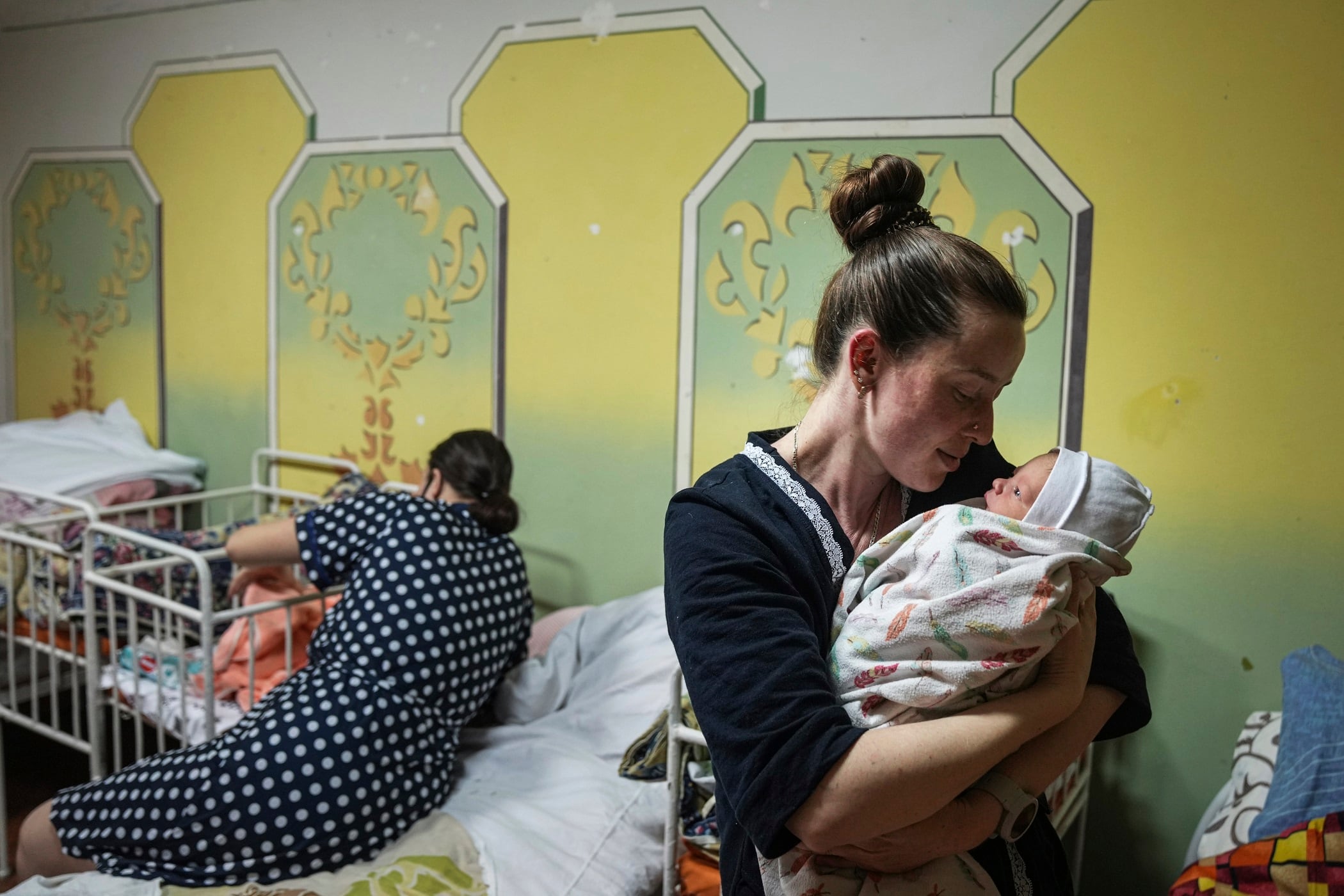
A hospital basement in Ukraine’s coastal city of Mariupol has transformed into a bomb shelter and maternity ward amid shelling during Russia’s invasion.
World leaders are currently dealing with a handful of pressing issues, including Russia's invasion of Ukraine, inflation, and not to mention the COVID-19 pandemic; but it could be argued that the most pressing issue is one that has experienced its fair share of neglect in the past -- climate change. As tensions escalate between Russia and Ukraine, there is fear the focus on climate will once again be pushed aside. However, the White House appears to be making some effort to prevent that from happening. The White House Office of Science and Technology held a first-of-its-kind roundtable discussion with some of the nation's leading climate scientists on Thursday. Michael Mann, Director of the Earth System Science Center at Pennsylvania State University, and author of the book 'The New Climate War' joins Cheddar News' Closing Bell to discuss his experience as one of the climate scientists at the White House event.
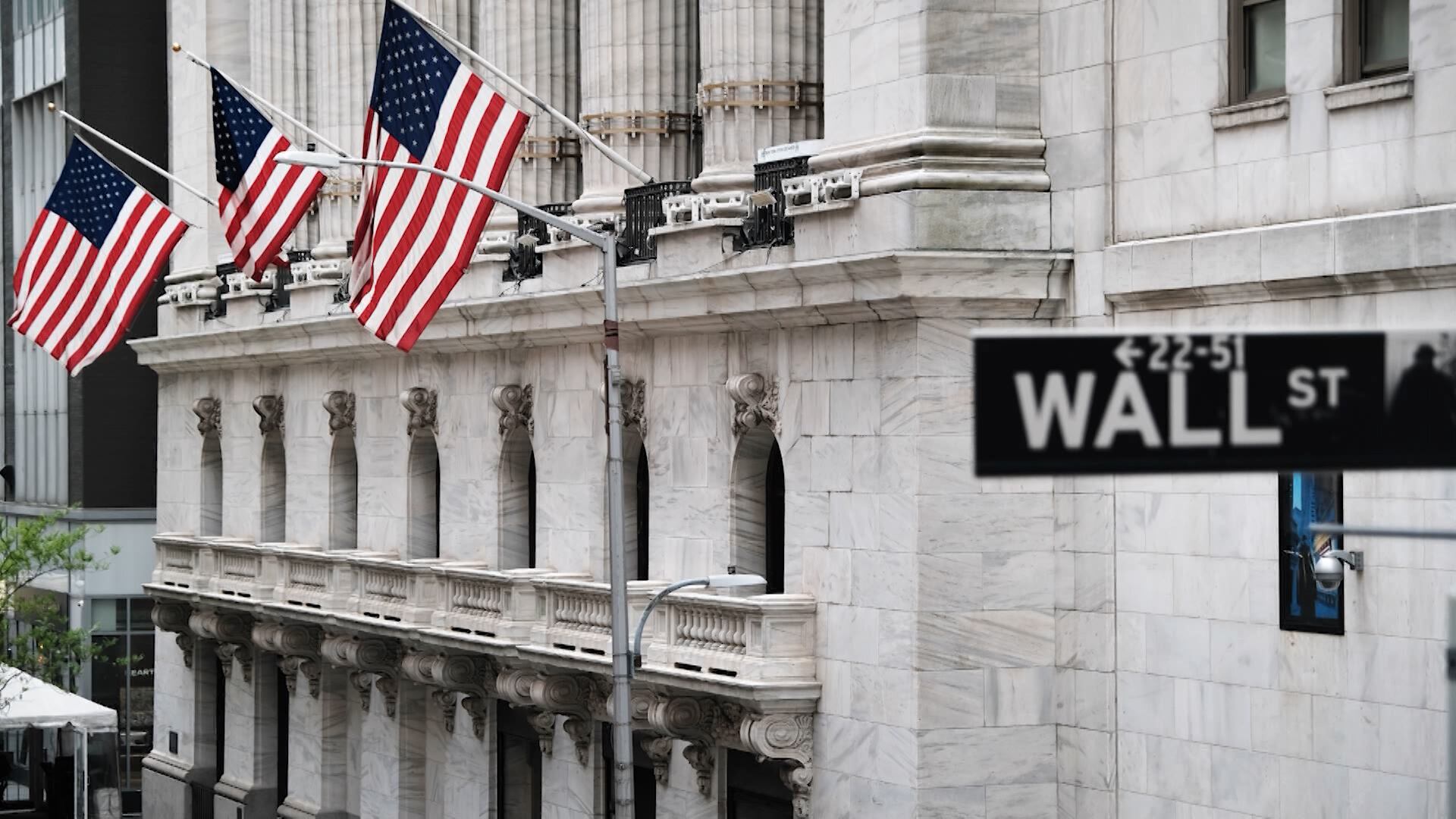
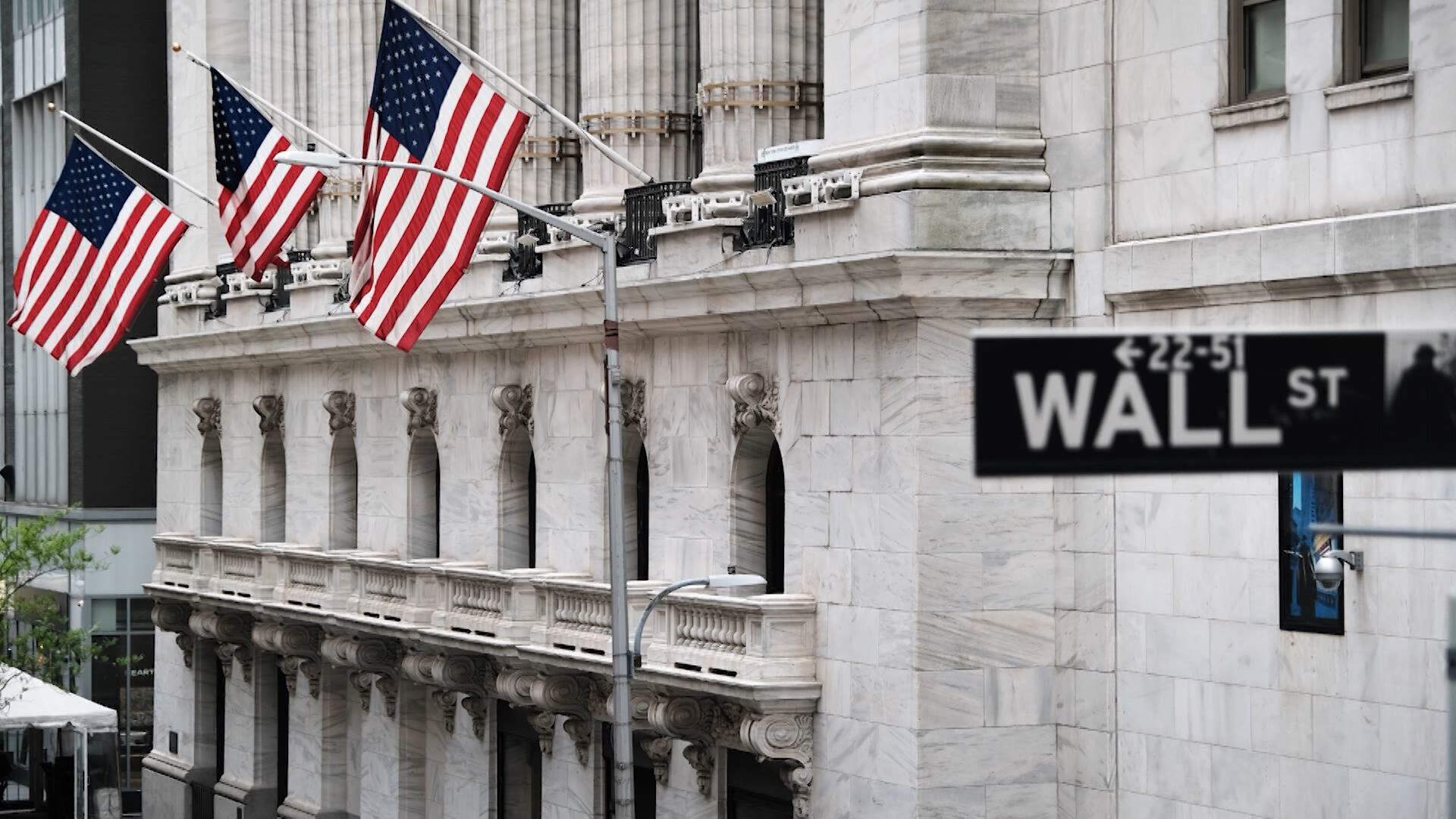
Scott Clemons, Partner and Chief Investment Strategist at Brown Brothers Harriman, joins Cheddar News' Closing Bell, where he discusses the factors leading to the sell-off on Wall Street today and explains why uncertainty is worse than bad news for the investors.
U.S. stocks rebounded to end higher on Thursday after President Biden announced new sanctions against Russia following the country's attack on Ukraine. The Dow was down 859 points at its lowest point of the session, before ultimately finishing the day in the green. Melissa Armo, founder and owner of the Stock Swoosh, joins Cheddar News' Closing Bell to discuss.
People of African and Middle Eastern descent fleeing from Russia’s invasion of Ukraine are facing the double trauma of racism at the borders. Professor of law and migration studies at the University of San Francisco, Bill Hing, joined Cheddar News Wrap to discuss what some are describing as a double standard for other refugees escaping the war. "Those that are from the Middle East and from Africa who just happen to be in Ukraine, for example on a student visa, they are not going to be able to get into Poland or another area of the Schengen area because they are not natural Ukrainian," he said.