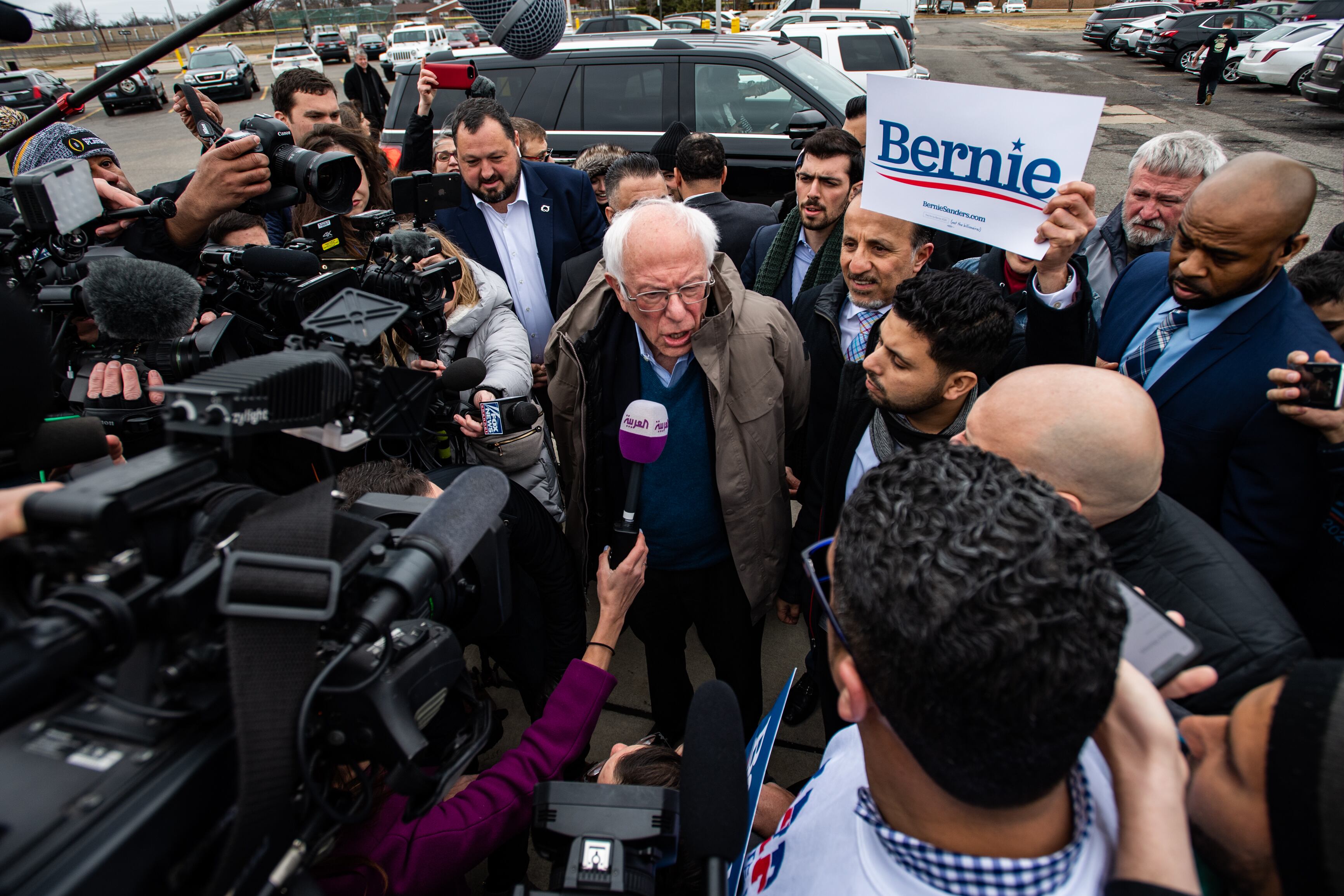
: Sen. Bernie Sanders, I-Vt., U.S. 2020 Democratic Presidential Candidate speaks to the media and supporters outside a polling location at Canfield Center on Tuesday, March 10, 2020 in Dearborn Heights, MI. (Photo by Salwan Georges/The Washington Post via Getty Images)
Senator Bernie Sanders of Vermont spoke at length about the need to defeat Donald Trump and discussed his campaign today after falling behind in another set of Democratic primaries on Tuesday but did not announce his intention to drop out of the contest.
While he cited that he appeared to be losing the race on the issue of electability, Sanders also stated that he felt his campaign was winning the ideological debate. He then directed several questions and challenges on healthcare, climate change, and mass incarceration to his rival former Vice President Joe Biden leading up to the Sunday debate in Arizona.
Biden, the only other remaining candidate aside from Rep. Tulsi Gabbard (far removed in the delegate count) took what looks to be a commanding lead in delegates following victories in Michigan, Missouri, Mississippi, and Idaho, while Sanders won the North Dakota caucus.
The results from the primary in Washington state still show Biden and Sanders nack-in-neck with 67 percent of precincts reporting as of this report.
Sanders, the social democrat who carried the banner, along with Senator Elizabeth Warren of Massachusetts, of what was considered the "progressive" side of the Democratic party, showed signs of leading the race early on among a still-large group of candidates. After a close race with former South Bend, Indiana Mayor Pete Buttigieg in Iowa for its caucus delegates, Sanders racked up wins in New Hampshire and Nevada.
But things would change after Biden garnered a dramatic and lopsided victory in South Carolina's primary. From there, other members of the "moderate" wing of the party, Pete Buttigieg and Senator Amy Klobuchar of Minnesota, dropped out, both endorsing Biden before Super Tuesday.
The Super Tuesday primary day featured the largest share of delegates to date, and while Sanders pulled off a victory in the largest prize of California, and wins in Colorado, Utah, and his own Vermont, Biden's momentum grabbed the lion's share of delegates throughout the Southeast, Minnesota, and Oklahoma.
The primary will conclude with the nomination at the Democratic National Convention in Milwaukee, Wisconsin, from July 13 to 16.
Stocks began the week closing at session lows on a day when bond yields rose and President Biden decided to stick with Jerome Powell as Fed Chair. Bryan Lee, Chief Investment Officer at Blue Zone Wealth Advisors, joins Cheddar News' Closing Bell, where he breaks down the day's activity and discusses what the Fed now needs to do going forward.
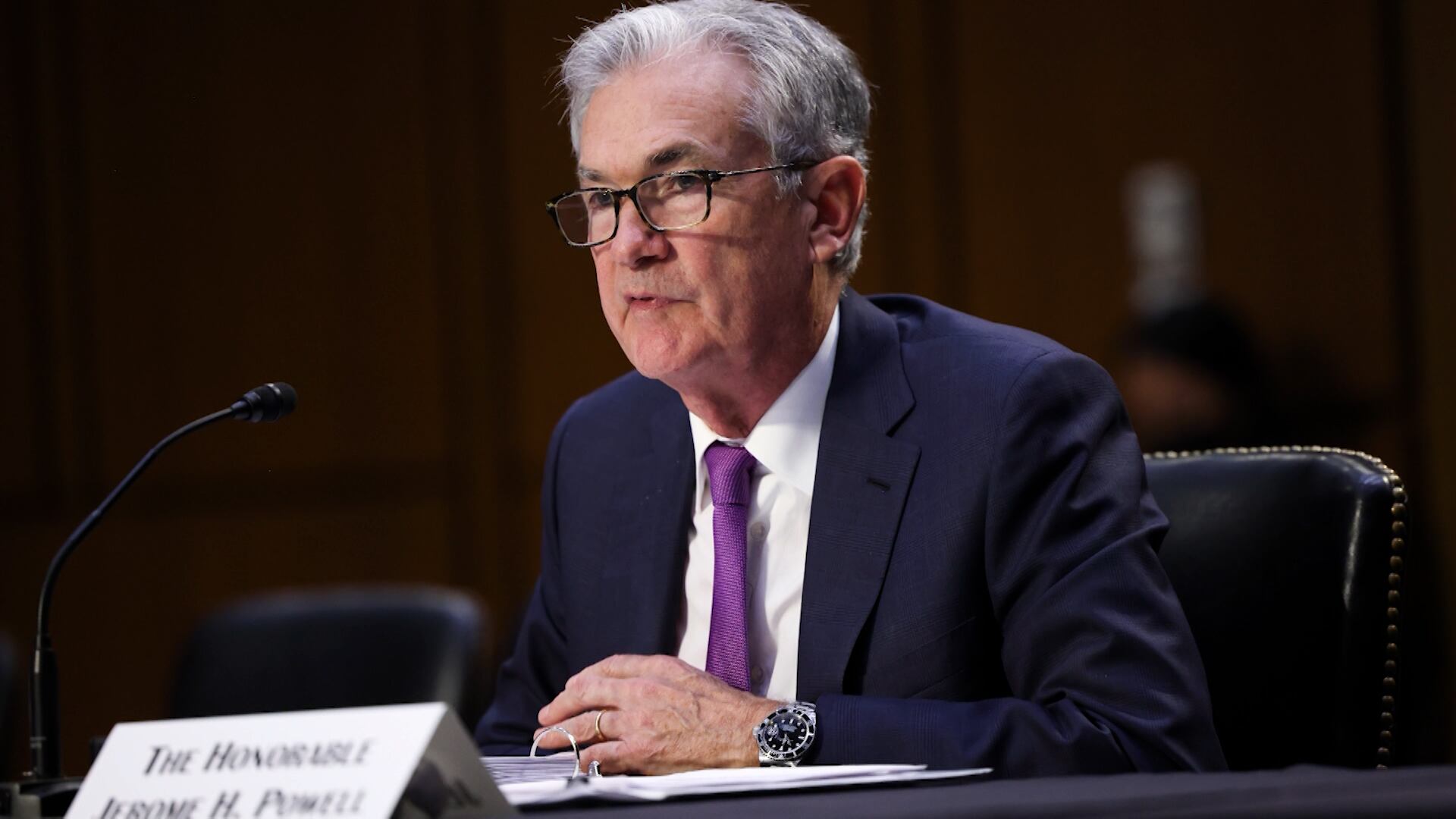
President Joe Biden announced Monday he is re-nominating Federal Reserve Chairman Jerome Powell after weeks of speculation that he would choose Democrat and Fed Governor Lael Brainard to fill the role. Biden could be looking for continuity as the U.S. continues to grapple with COVID-19 and high inflation, and investors could be on the same page: markets and treasuries ticked up after the White House made the announcement. MarketWatch Senior Reporter Greg Robb joins Cheddar News' Closing Bell to discuss Powell's re-nomination, what we can expect from the Fed's December meeting, whether it will speed up its taper timeline, and more.
President Joe Biden named Jerome Powell, initially appointed by President Trump, to keep his seat as the chair of the Federal Reserve on Monday amid the ongoing challenges of the pandemic, inflation, and unemployment. David Beckworth, a former international economist for the Treasury Department and a senior fellow with the Mercatus Center, joined Cheddar to discuss what he sees as the practicality of Biden's decision. "What Powell brings to the table is he's built up political capital with Republicans and Democrats," he said. "It's easy for him to get the job done. I think in one way he was the path of least resistance for the president."
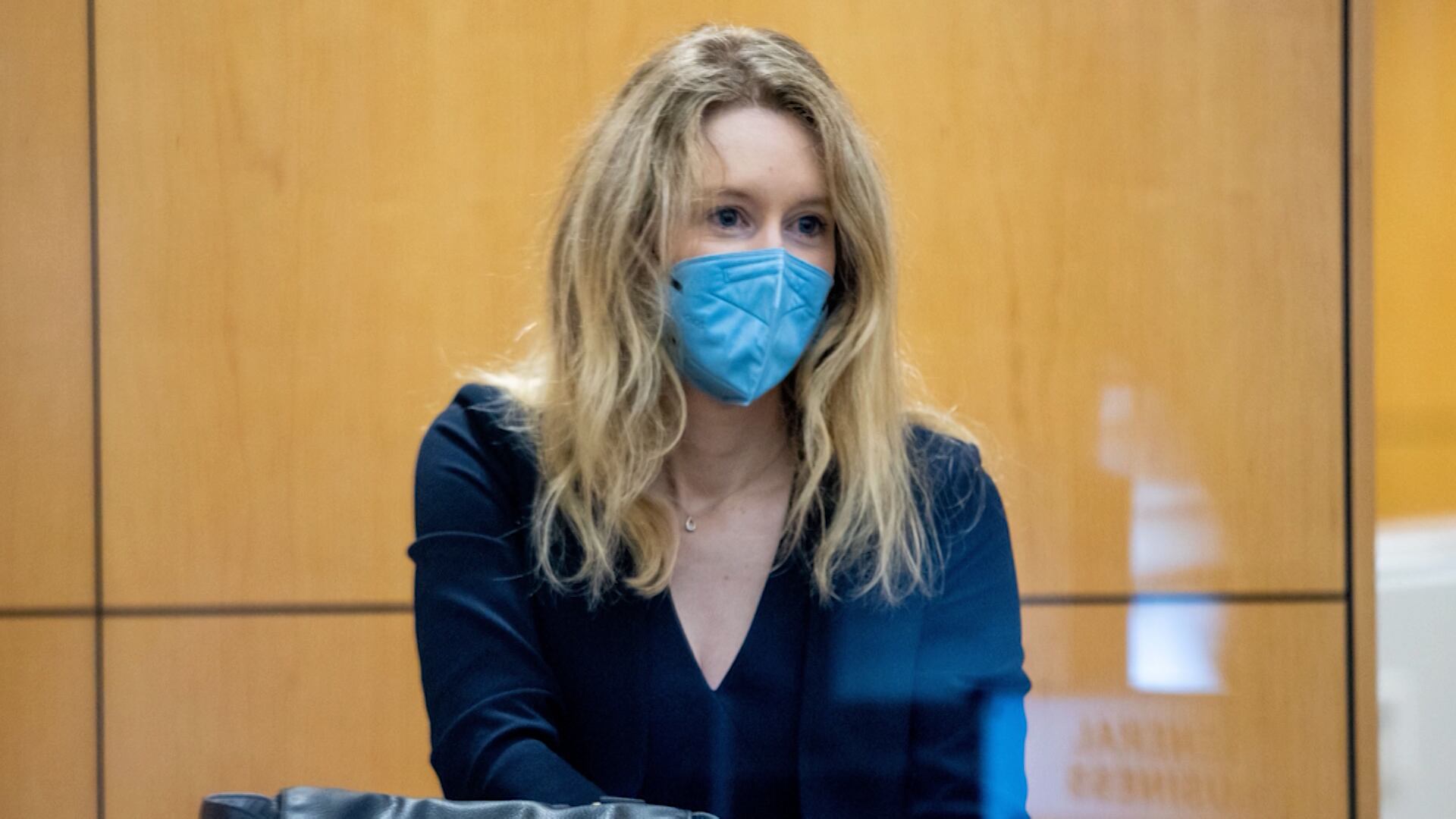
In a surprise turn of events, Elizabeth Holmes took the stand in her own defense on Friday and is expected to continue her testimony later today. Holmes, who founded a blood testing start-up Theranos back in 2003, faces 11 counts of wire fraud as well as conspiracy to commit wire fraud. Aron Solomon, Chief Legal Analyst, Esquire Digital joined Cheddar's Opening Bell to discuss.
Jill and Carlo cover the developing story out of suburban Milwaukee, where a speeding SUV careened through a Christmas parade. Looters get more brazen in San Francisco, the missing Chinese tennis star resurfaces, and more.
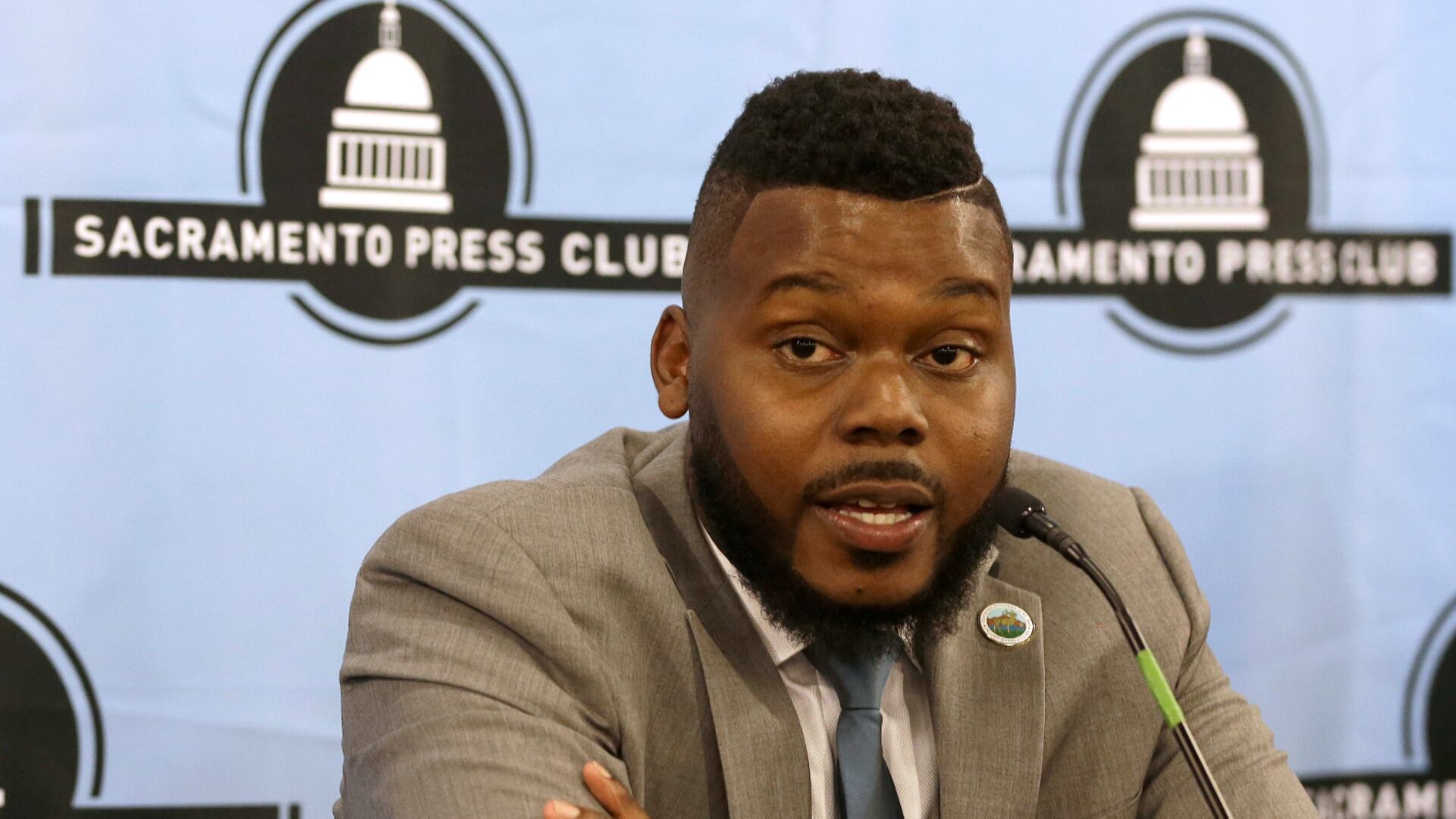
Michael Tubbs, former Mayor of Stockton, California and author of 'The Deeper the Roots,' joined Cheddar Movers to talk all about his new memoir, and his ongoing fight to make meaningful change in his community.
The House narrowly passed President Biden's $1.7 trillion Build Back Better bill, the largest expansion of the social safety net in decades. The final vote was 220 to 213, with only one Democrat joining all Republicans in opposing the bill. It now heads to the Senate, where it faces an uncertain fate. Jennifer Haberkorn, congressional reporter for the Los Angeles Times, joins Cheddar News' Closing Bell, where she breaks down the current version of the bill, where it goes next, and what it could mean for the country if it eventually reaches the president's desk.