California might be doubling down on its pro-marijuana stance.
Berkeley Mayor Jesse Arreguín told Cheddar that the state could soon follow in his city’s cannabis law footsteps.
“California is actually looking at potentially becoming a sanctuary state for cannabis, just like we’re a sanctuary state for enforcement of federal immigration laws,” he told Cheddar on Tuesday.
Berkeley’s City Council announced last month that municipal agencies would no longer collaborate with the Drug Enforcement Administration to enforce federal policies on recreational, adult-use marijuana. It became the first “sanctuary” city for marijuana in the U.S.
The move was a direct jab at Attorney General Jeff Sessions, who earlier this year scrapped Obama-era rules that said the federal government would not interfere with states’ cannabis laws. Arreguín encourages states and cities looking to offer citizens an extra layer of protection to take the plunge and stand for states’ rights.
“Cannabis is still a drug under federal law, but many states … have actually decided that now is the time for decriminalization,” he said, “to remove the black market, to address the social impact that the war on drugs has had on communities of color, and to try to level the playing field.”
For the full interview, [click here](https://cheddar.com/videos/berkeley-mayor-california-could-become-marijuana-sanctuary-state).
These are the headlines you Need 2 Know for Monday, July 22, 2019.
TripAdvisor, a leading recommendations platform for global tourism, came under fire last week from Amnesty International for its scores of listings in Israeli settlements in the Palestinian occupied territories.
These are the headlines you Need 2 Know for Friday, July 19, 2019.
Rapper A$AP Rocky and two of his companions are currently being held in Sweden after an altercation in the city of Stockholm, but the hip-hop star's Congressman Adriano Espaillat believes race is a factor at play in the detention.
These are the headlines you Need 2 Know for Thursday, July 18, 2019.
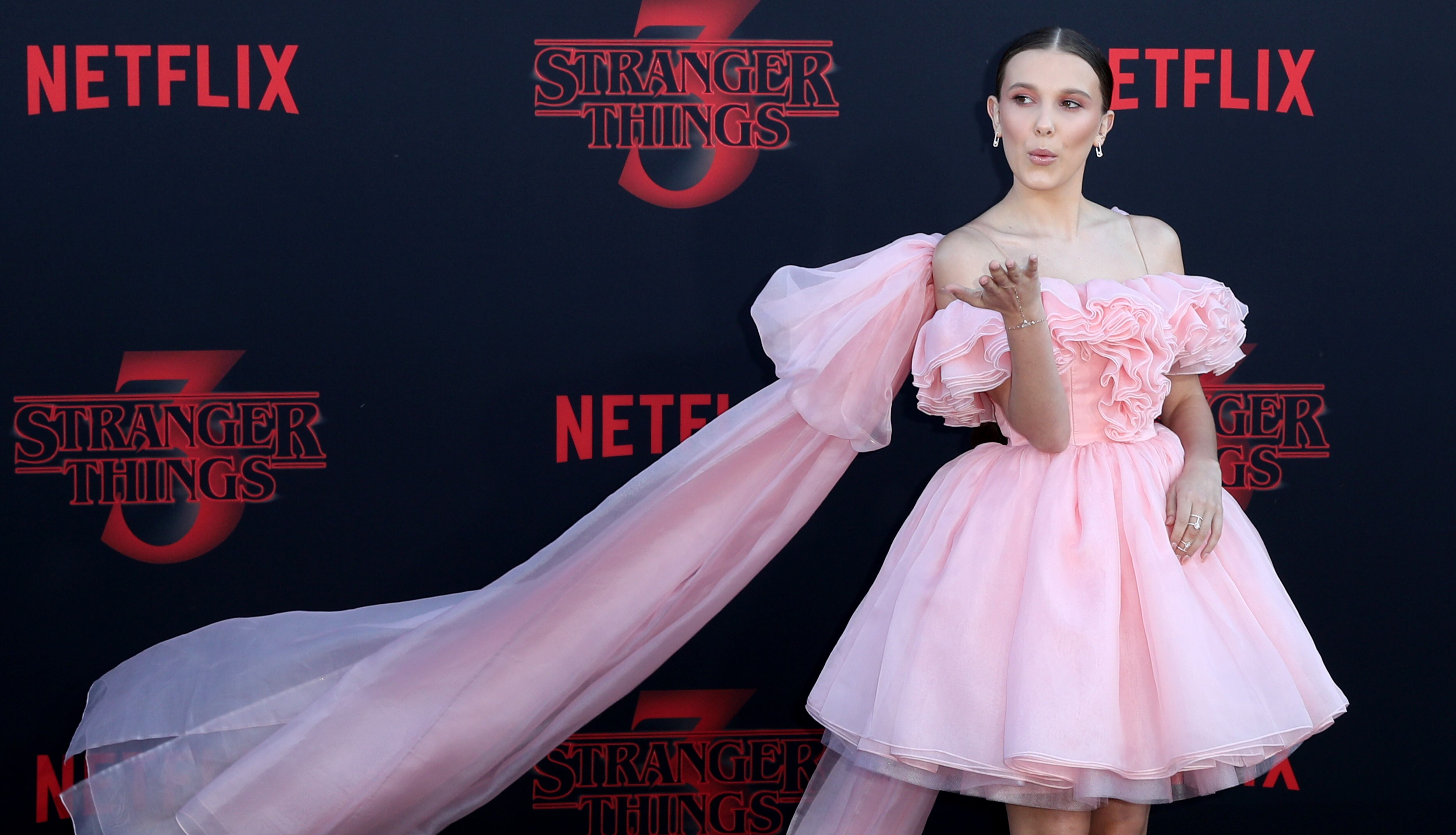
Netflix had expected to pick up 4.7 million global customers in Q2. Instead it reported gaining 2.8 million. Shares tumbled over 10 percent after hours as the streaming giant reported Q2 earnings.
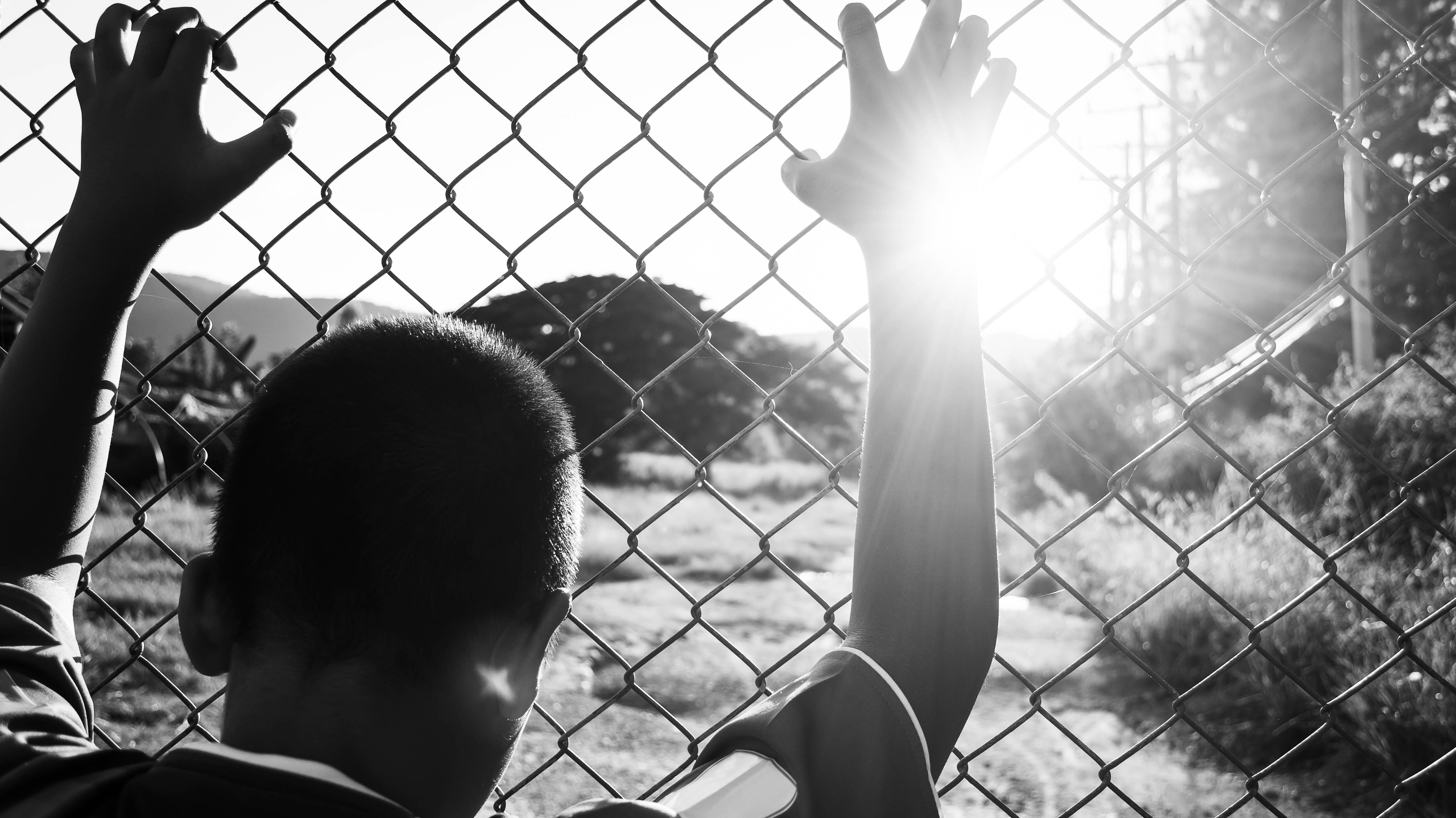
Ebony Underwood was just 13 years old when her father William was arrested in 1988. Today, more than 30 years later, Underwood has joined a broad coalition of activists and lawmakers working for criminal justice reform. Through her advocacy group, We Got Us Now, she is fighting to make sure that children of incarcerated adults are not overlooked on the path to rectification.
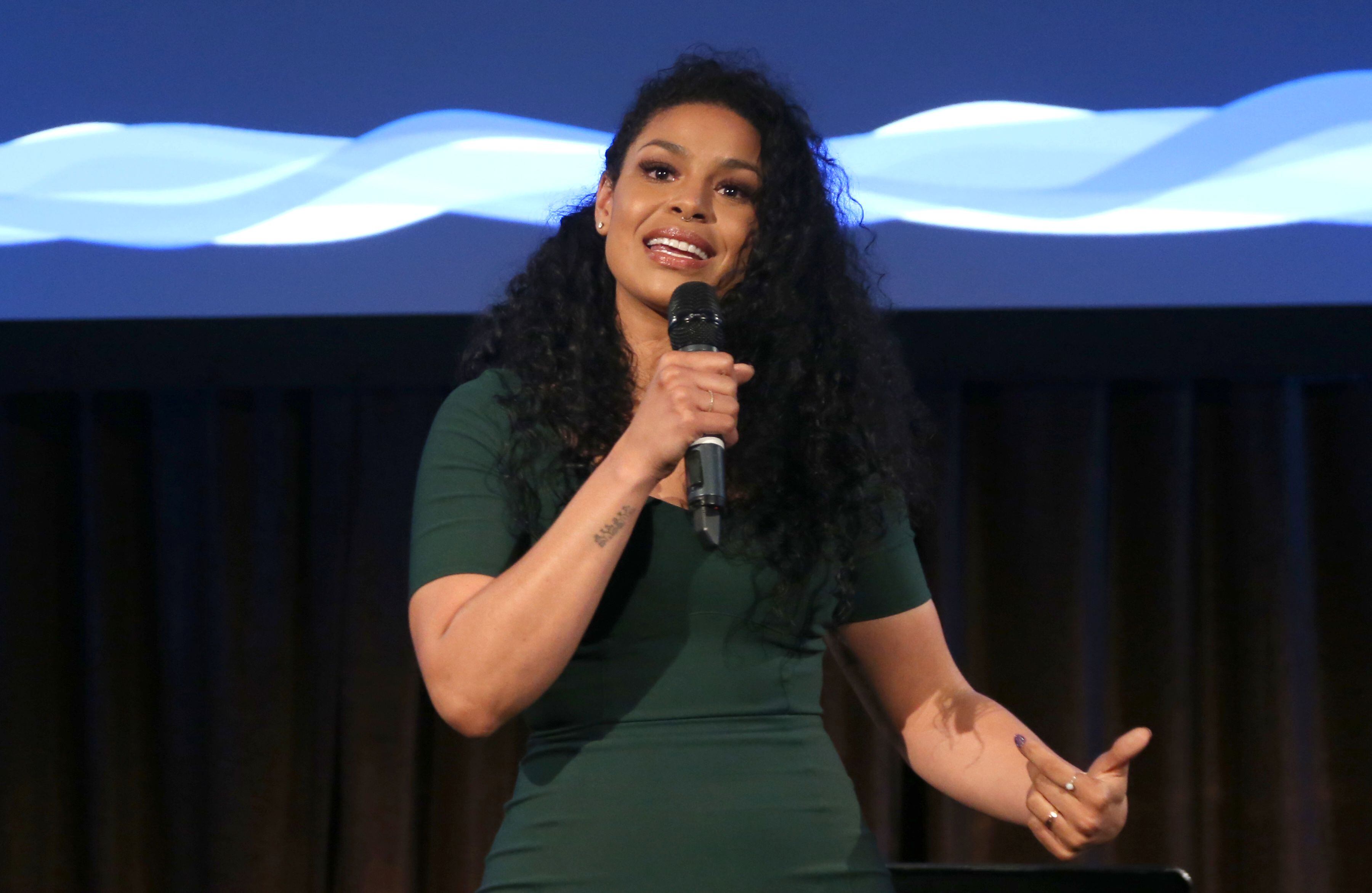
Singer and entrepreneur Jordin Sparks joins Cheddar to discuss making family memories on the water and the importance of teaching children to swim with Kalahari Resorts and the USA Swimming Foundation.
These are the headlines you Need 2 Know for Wednesday, July 17, 2019.
These are the headlines you Need 2 Know for Tuesday, July 16, 2019.