California might be doubling down on its pro-marijuana stance.
Berkeley Mayor Jesse Arreguín told Cheddar that the state could soon follow in his city’s cannabis law footsteps.
“California is actually looking at potentially becoming a sanctuary state for cannabis, just like we’re a sanctuary state for enforcement of federal immigration laws,” he told Cheddar on Tuesday.
Berkeley’s City Council announced last month that municipal agencies would no longer collaborate with the Drug Enforcement Administration to enforce federal policies on recreational, adult-use marijuana. It became the first “sanctuary” city for marijuana in the U.S.
The move was a direct jab at Attorney General Jeff Sessions, who earlier this year scrapped Obama-era rules that said the federal government would not interfere with states’ cannabis laws. Arreguín encourages states and cities looking to offer citizens an extra layer of protection to take the plunge and stand for states’ rights.
“Cannabis is still a drug under federal law, but many states … have actually decided that now is the time for decriminalization,” he said, “to remove the black market, to address the social impact that the war on drugs has had on communities of color, and to try to level the playing field.”
For the full interview, [click here](https://cheddar.com/videos/berkeley-mayor-california-could-become-marijuana-sanctuary-state).
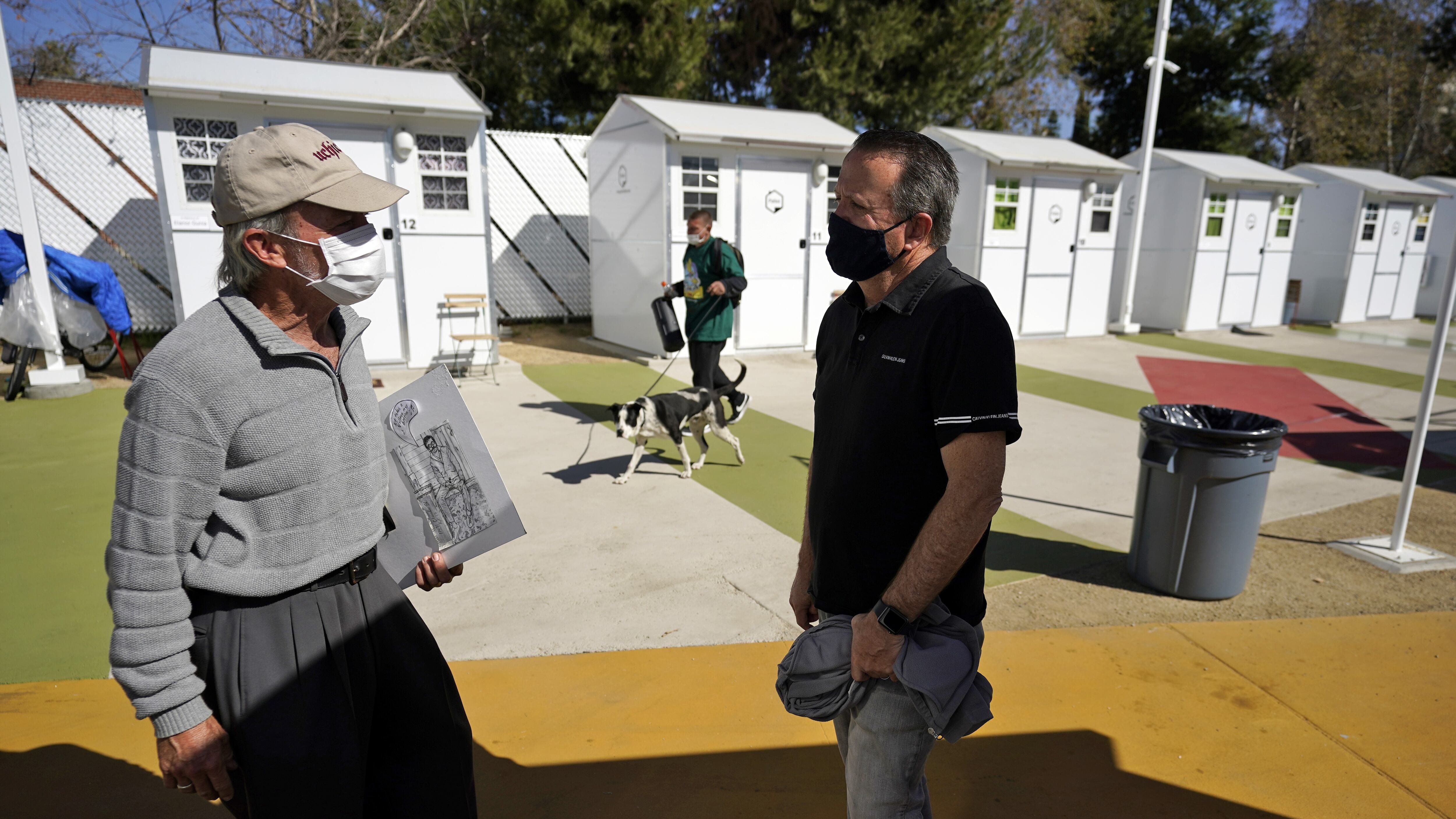
Tiny homes have been promoted as the solution to all kinds of housing needs — an affordable option in expensive big cities and simplicity for people who want to declutter their lives. They are increasingly used as shelter for homeless people in other California cities, including San Jose and Sacramento, as well as nationally in Seattle, Minneapolis and Des Moines, Iowa.
Eisenhower’s interstate system was the biggest infrastructure project of its time. What justified the cost was its potential to connect all corners of America, but the unforeseen impacts of the highway system seemed to do the opposite of the intention.
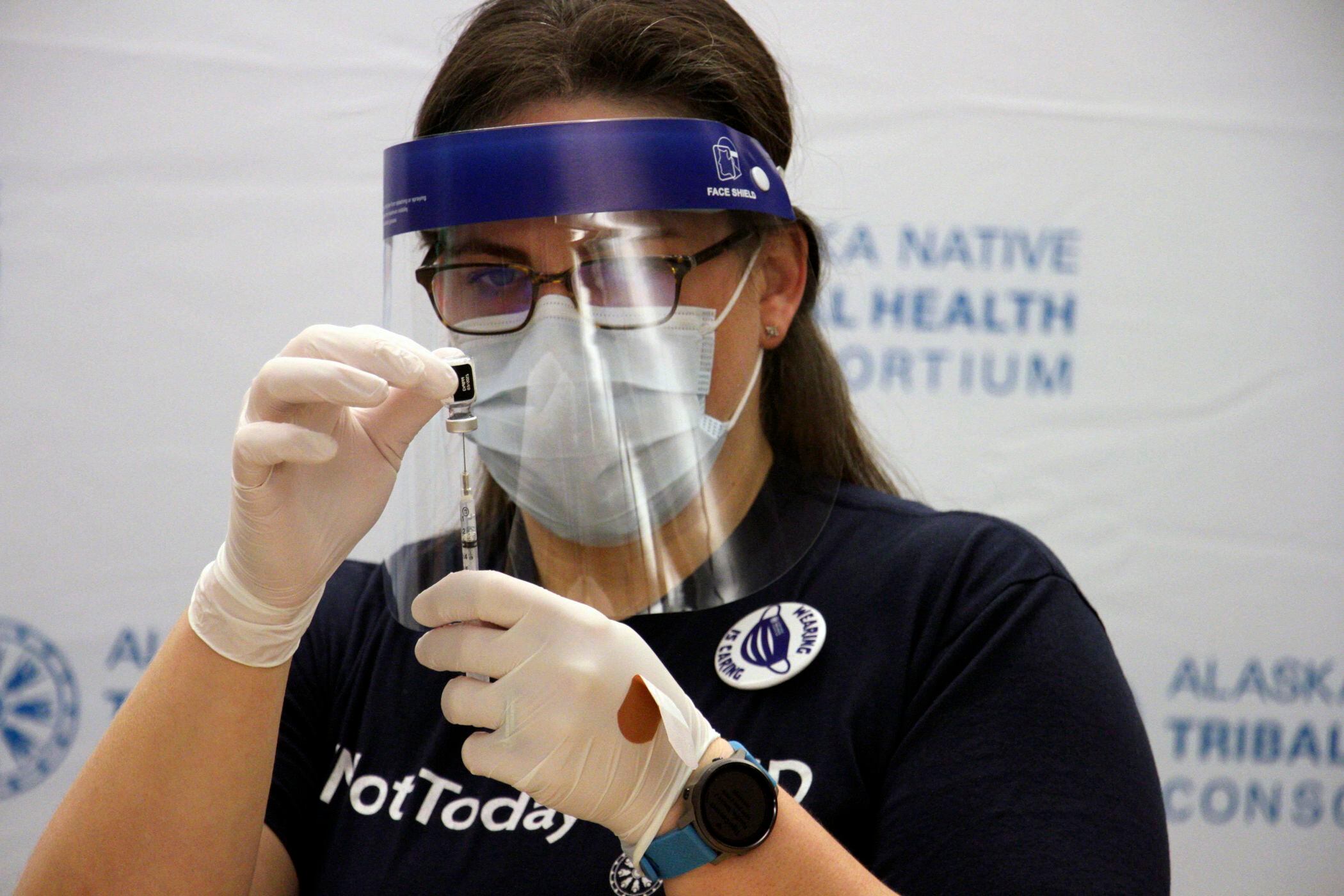
Dr. Anne Zink, chief medical officer for the state of Alaska, spoke to Cheddar about Alaska's remarkable task of getting COVID vaccines to a widespread populace even as the state opens up eligibility to nearly everyone.
Nod your head, chug your cocktail, or just close your tired eyes if you’ve done any of the following during this crazy quarantine
Roblox, a gaming platform last valued at $29.5 billion in the private sector, took off immediately in its public debut on the NYSE Wednesday.
Alaska becomes the first state to drop all eligibility requirements for vaccinations. Breast milk from vaccinated mothers is shown to have antibodies. Biden won't put his name on the stimulus checks, and more.
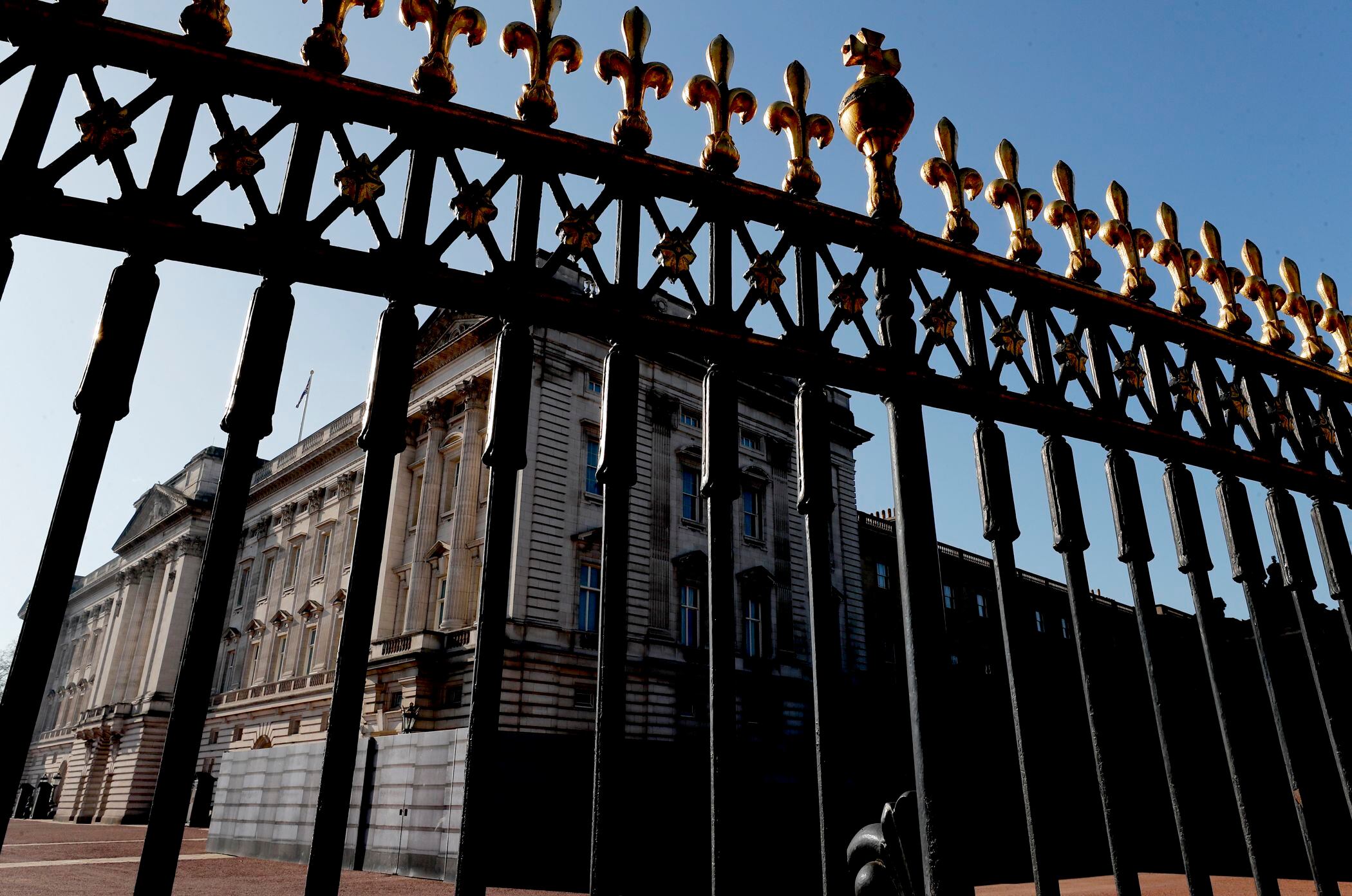
Buckingham Palace says allegations of racism made earlier this week by Prince Harry and Meghan were “concerning” and would be addressed privately by the royal family.
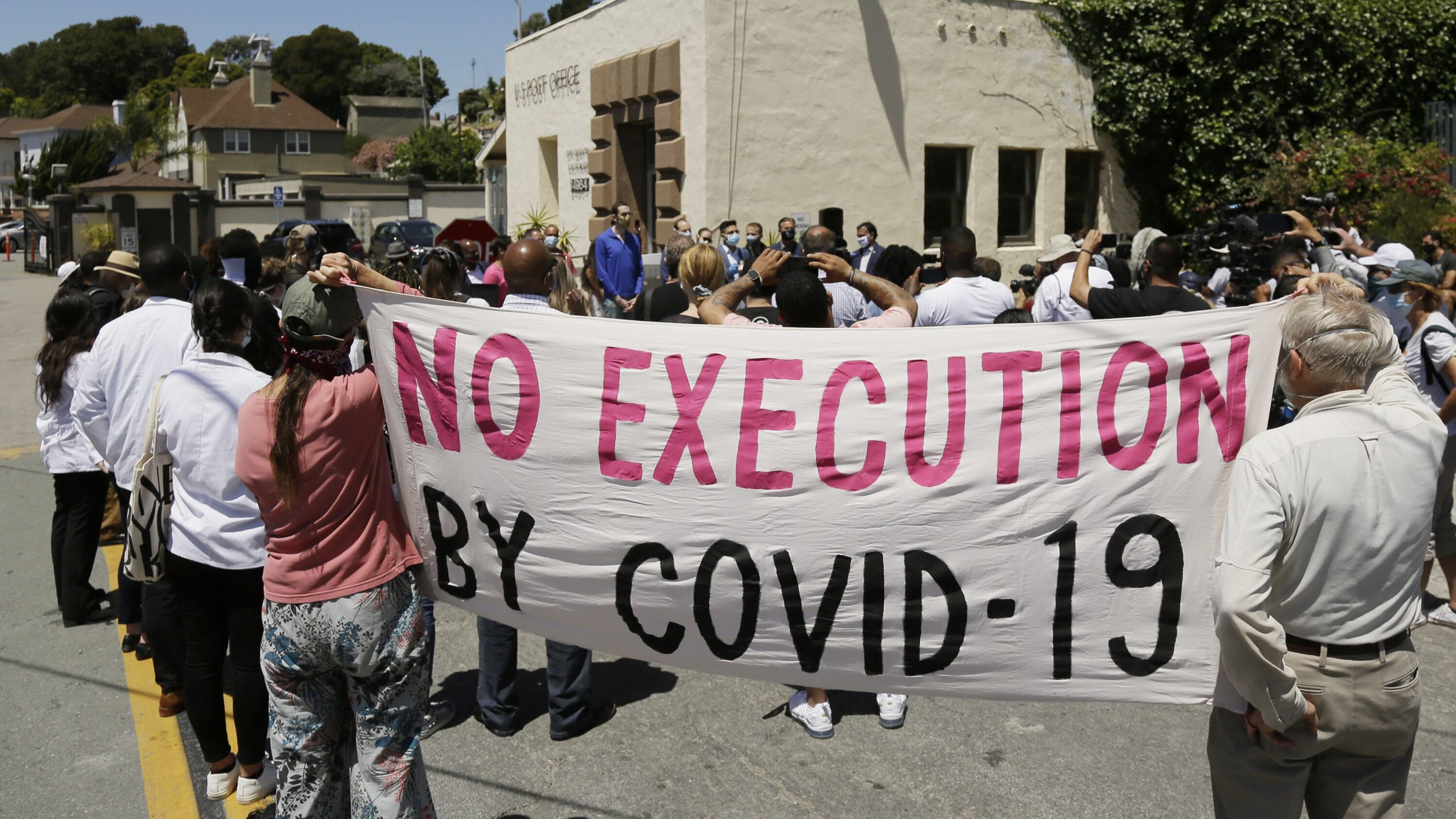
COVID infections are on the rise in U.S. prisons and are accounting for some of the largest outbreaks. Cheddar's Michelle Castillo reports.
Olympic gold medalist Gabby Douglas spoke to Cheddar about the need for aspiring athletes to address both their mental and physical health and her partnership with Smoothie King.
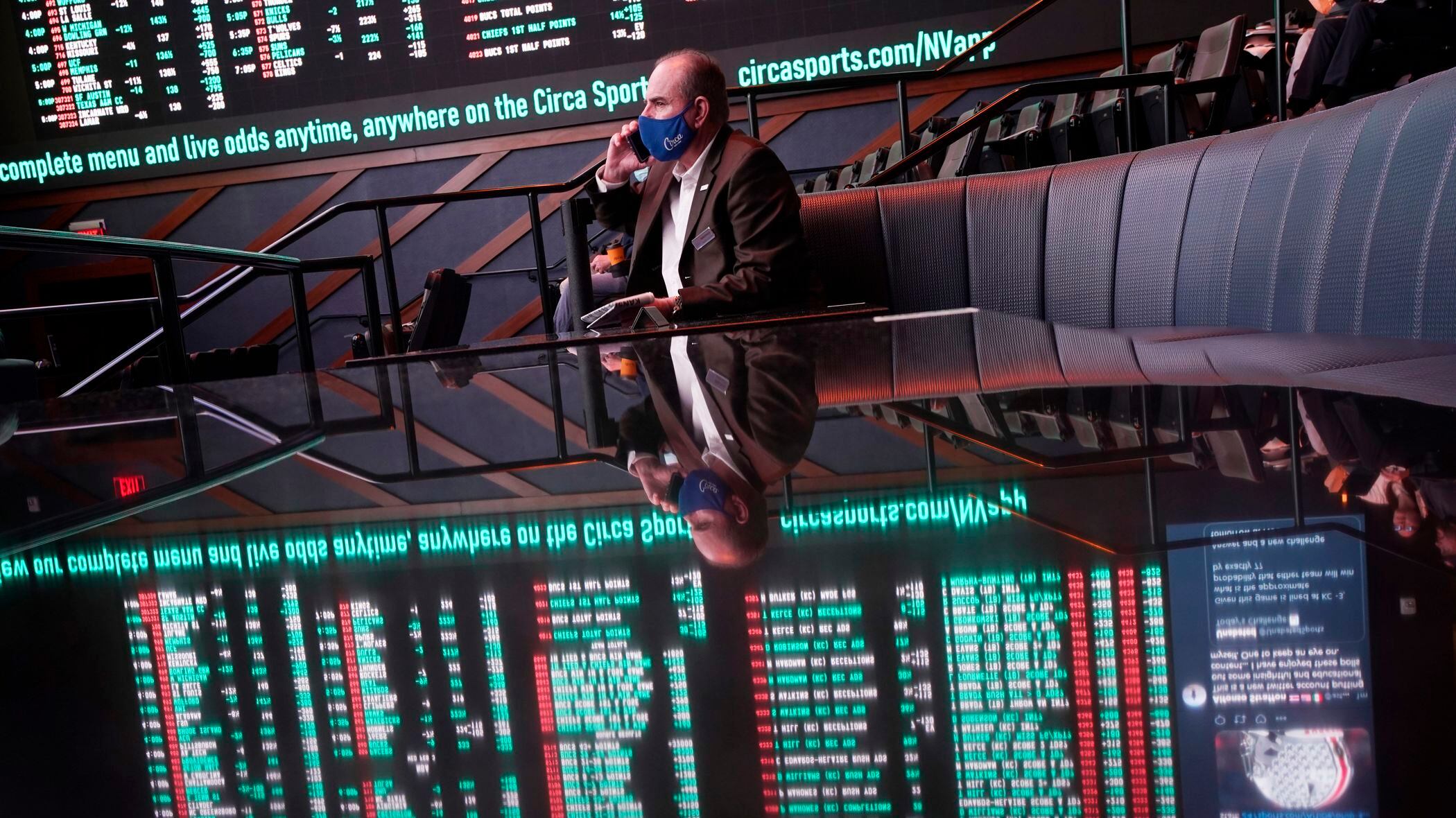
Despite COVID-19, sports betting has skyrocketed. In January, Americans spent approximately $4 billion on sports wagering according to the American Gaming Association.