By Bassem Mroue

Updated 4:54 pm ET

A massive explosion rocked Beirut on Tuesday, flattening much of the port, damaging buildings across the capital and sending a giant mushroom cloud into the sky. More than 60 people were killed and more than 3,000 injured, with bodies buried in the rubble, officials said.

Hours later, ambulances still carried away the wounded as army helicopters helped battle fires raging at the port.

The sudden devastation overwhelmed a country already struggling with both the coronavirus pandemic and an economic crisis: Beirut hospitals quickly filled beyond capacity, pleading for blood supplies and generators to keep their lights on.

The cause of the blast, which sparked fires, overturned cars and blew out windows and doors, was not immediately known.

Abbas Ibrahim, chief of Lebanese General Security, said it might have been caused by highly explosive material that was confiscated from a ship some time ago and stored at the port. Local television channel LBC said the material was sodium nitrate.

Witnesses reported seeing a strange orange-colored cloud over the site after the explosion. Orange clouds of toxic nitrogen dioxide gas often accompany an explosion involving nitrates.

An Israeli government official said Israel "had nothing to do" with the blast. He spoke on condition of anonymity because he was not authorized to discuss the matter with the media. Israeli officials usually do not comment on "foreign reports."

The blast was stunning even for a city that has seen civil war, suicide bombings and bombardment by Israel. It could be heard and felt as far away as Cyprus, more than 200 kilometers (180 miles) across the Mediterranean.

"It was a real horror show. I haven't seen anything like that since the days of the (civil) war," said Marwan Ramadan, who was about 500 meters (yards) from the port and was knocked off his feet by the force of the explosion.

Health Minister Hassan Hamad said the preliminary toll was more than 60 dead and more than 3,000 wounded. Emergency teams streamed in from across Lebanon to help, and the injured had to be taken to hospitals outside the capital. Hamad added that hospitals were barely coping and offers of aid were pouring in from Arab states and friends of Lebanon.

Some of those injured lay on the ground at the port, Associated Press staff at the scene said. A civil defense official said there were still bodies inside the port, many under debris.

Beirut's governor, Marwan Abboud, broke into tears as he toured the site, saying, "Beirut is a devastated city."

Initially, video taken by residents showed a fire raging at the port, sending up a giant column of smoke, illuminated by flashes of what appear to be fireworks. Local TV stations reported that a fireworks warehouse was involved.

The fire then appeared to catch at a nearby building, triggering a more massive explosion, sending up a mushroom cloud and a shock wave.

Charbel Haj, who works at the port, said it started as small explosions like firecrackers. Then, he said, he was thrown off his feet by the huge blast. His clothes were torn.

Miles from the port, building facades were shredded, balconies were knocked down and windows shattered. Streets were covered with glass and bricks and lined with wrecked cars. Motorcyclists picked their way through traffic, carrying the injured.

One woman covered in blood from the waist up walked down a trashed street while talking furiously on her phone. On another street, a woman with a bloodied face looked distraught, staggering through traffic with two friends at her side.

"This country is cursed," a young man passing by muttered.

The blast came at a time when Lebanon's economy is facing collapse from the financial crisis and the coronavirus restrictions. Many have lost jobs, while the worth of their savings has evaporated as the currency has plunged in value against the dollar. The result has thrown many into poverty.

It also occurred amid rising tensions between Israel and the militant Hezbollah group along Lebanon's southern border.

The explosion was reminiscent of massive blasts during Lebanon's civil war and took place only three days before a U.N.-backed tribunal was set to give its verdict in the killing of former Prime Minister Rafik Hariri in a truck bombing more than 15 years ago. That explosion, with a ton of explosives, was felt miles away, just like Tuesday's explosion.

Several of Beirut's hospitals were damaged in the blast. Roum Hospital put out a call for people to bring it spare generators to keep its electricity going as it evacuated patients because of heavy damage.

Outside the St. George University Hospital in Beirut's Achrafieh neighborhood, people with various injuries arrived in ambulances, in cars and on foot. The explosion had caused major damage inside the building and knocked out the electricity at the hospital. Dozens of injured were being treated on the spot on the street outside, on stretchers and wheelchairs.

"This is a catastrophe we have on our hands," said one doctor, speaking on condition of anonymity because he was not authorized to make press statements.

___

Associated Press writer Sarah El Deeb in Beirut and Josef Federman in Jerusalem contributed.

Share:
More In Culture
Plant-Based Way to Quit Smoking; Innovation in Stroke Therapy
On this episode of Cheddar Innovates: CEO of Achieve Life Sciences discusses a new plant-based compound that's being used to fight nicotine addiction; President & CEO OF DiaMedica Therapeutics explains a new ischemic stroke treatment option that expands the window for effective therapy for stroke patients; Cheddar gets a look at Curiosity Stream's 'Asteroid Rush.'
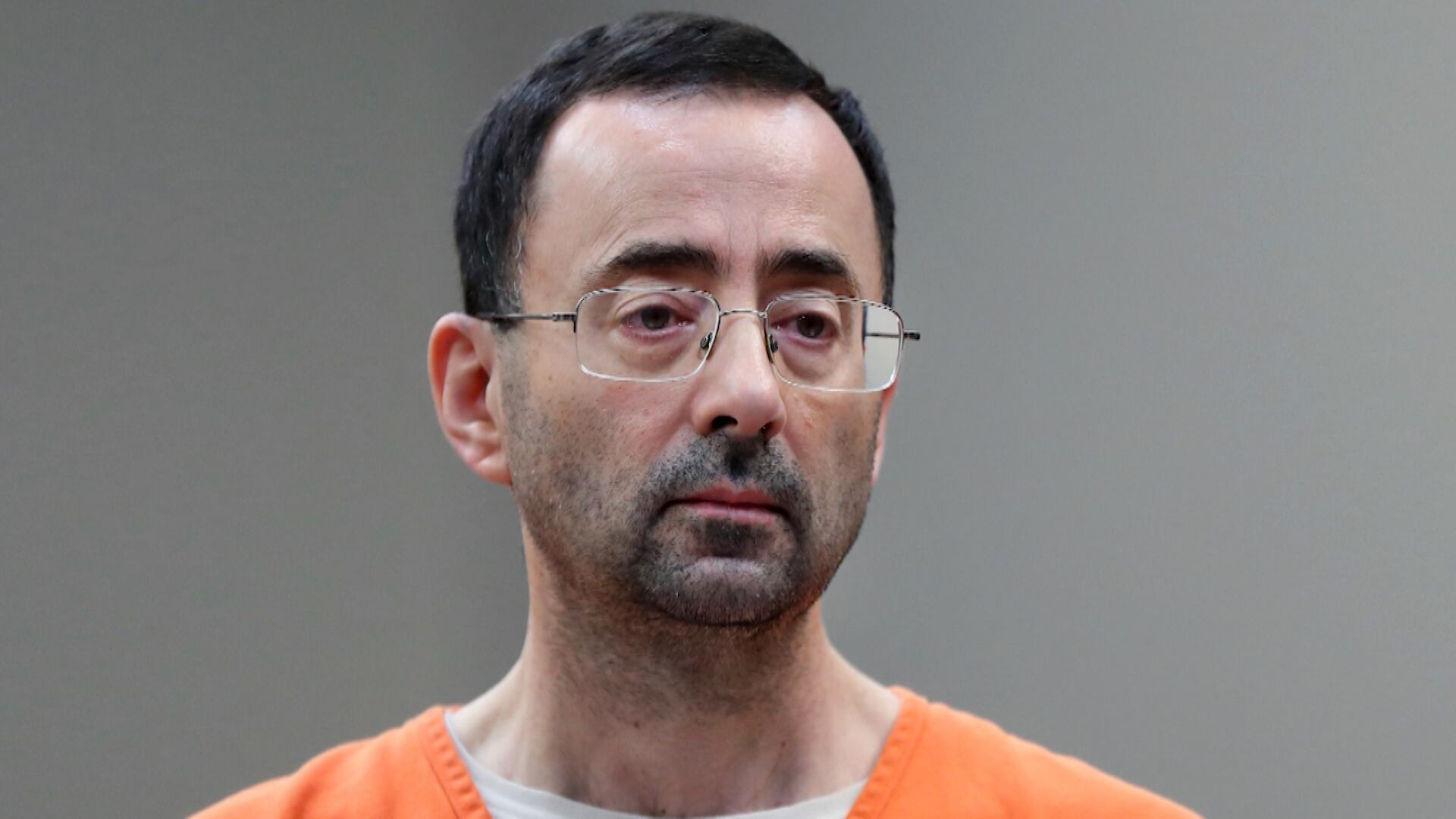
Pressure to Settle $1 Billion Claim From Nassar Survivors Against FBI
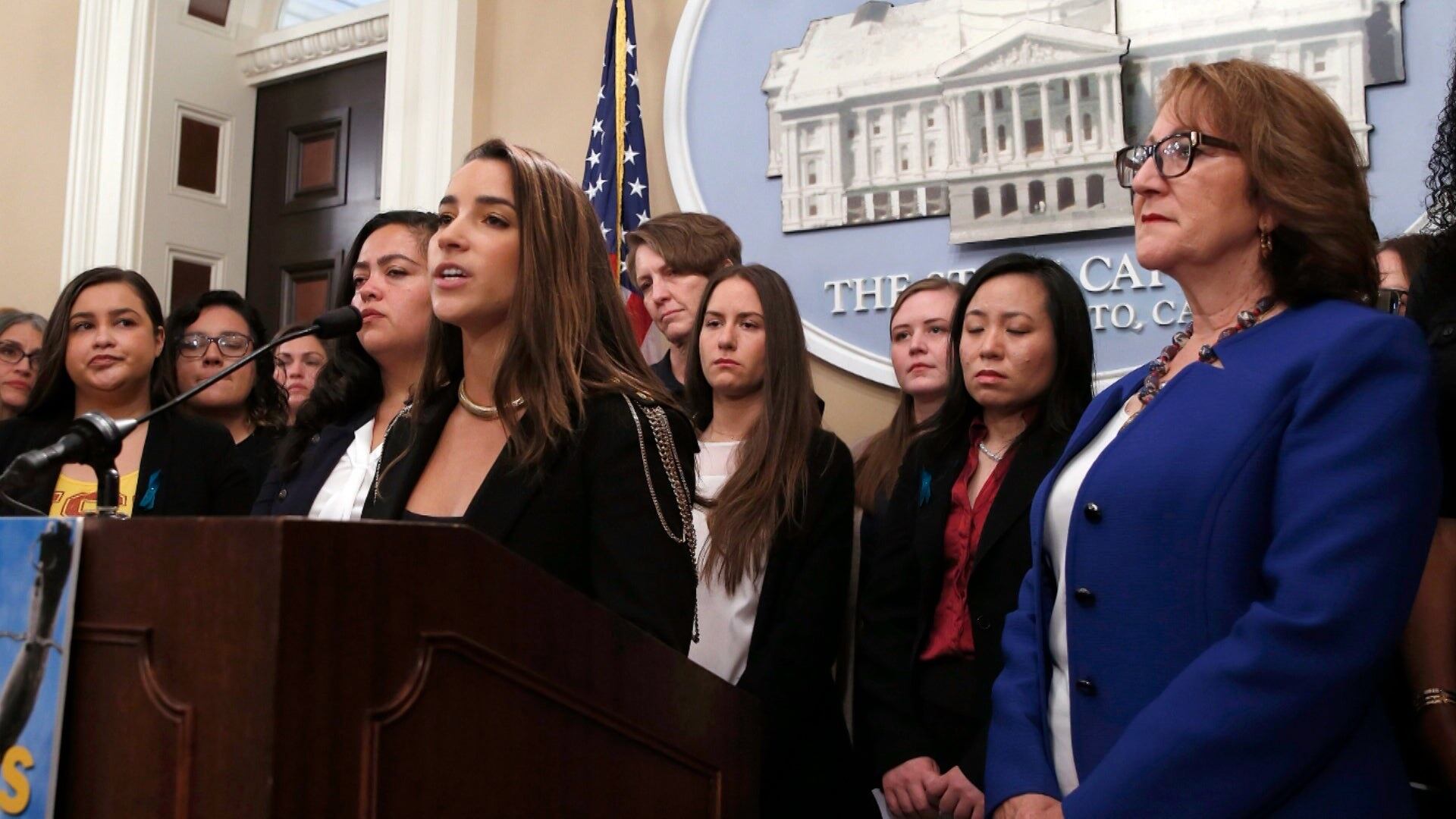
Survivors of Larry Nassar, including Olympian Simone Biles, are seeking $1 billion in damages from the FBI due to its failure to investigate the former gymnastics team doctor convicted of committing years of serial sexual abuse of minors. Jack Queen, a senior reporter at Law360, joined Cheddar News to break down the legal grounds of this case. "This is one of the biggest black eyes that the Bureau has faced in generations, quite frankly, and the FBI has taken full responsibility and admitted that it completely botched this investigation," he said. "So, there's a lot of pressure to settle."
Elevate Prize Foundation Wants to Create 'Fanbase for Good' With $10K Awards
The Elevate Prize Foundation is donating $10,000 to different grassroots organizations based on a theme every month to help scale their work, focusing on a different theme each time. Upcoming prizes will help uplift an organization supporting the LGBTQ community and one mobilizing to help end gun violence. The foundation's CEO Carolina Garcia Jayaram joined Cheddar to discuss the initiative and why it's important to uplift these grassroots organizations. "We are identifying social entrepreneurs around the world to help them scale their work. but the ultimate purpose of that is to create the first-ever fanbase for good," she said. "We're trying to make good famous and by inspiring people to think about the role they can play in doing good in the world."
Stephanie Shojaee on Paving the Way for Women in Real Estate
With real estate being a largely male-dominated industry, Stephanie Shojaee, vice president and chief marketing officer at development company Shoma Group, joined Cheddar News to discuss how she took on the gender gap for women to achieve leadership roles, starting at her own company. “It's been very important to teach all the women that work here, especially the younger ones, that they shouldn't change themselves," she said. "You need to be happy with who you are and just keep breaking barriers."
Hot summer could lead to rolling blackouts
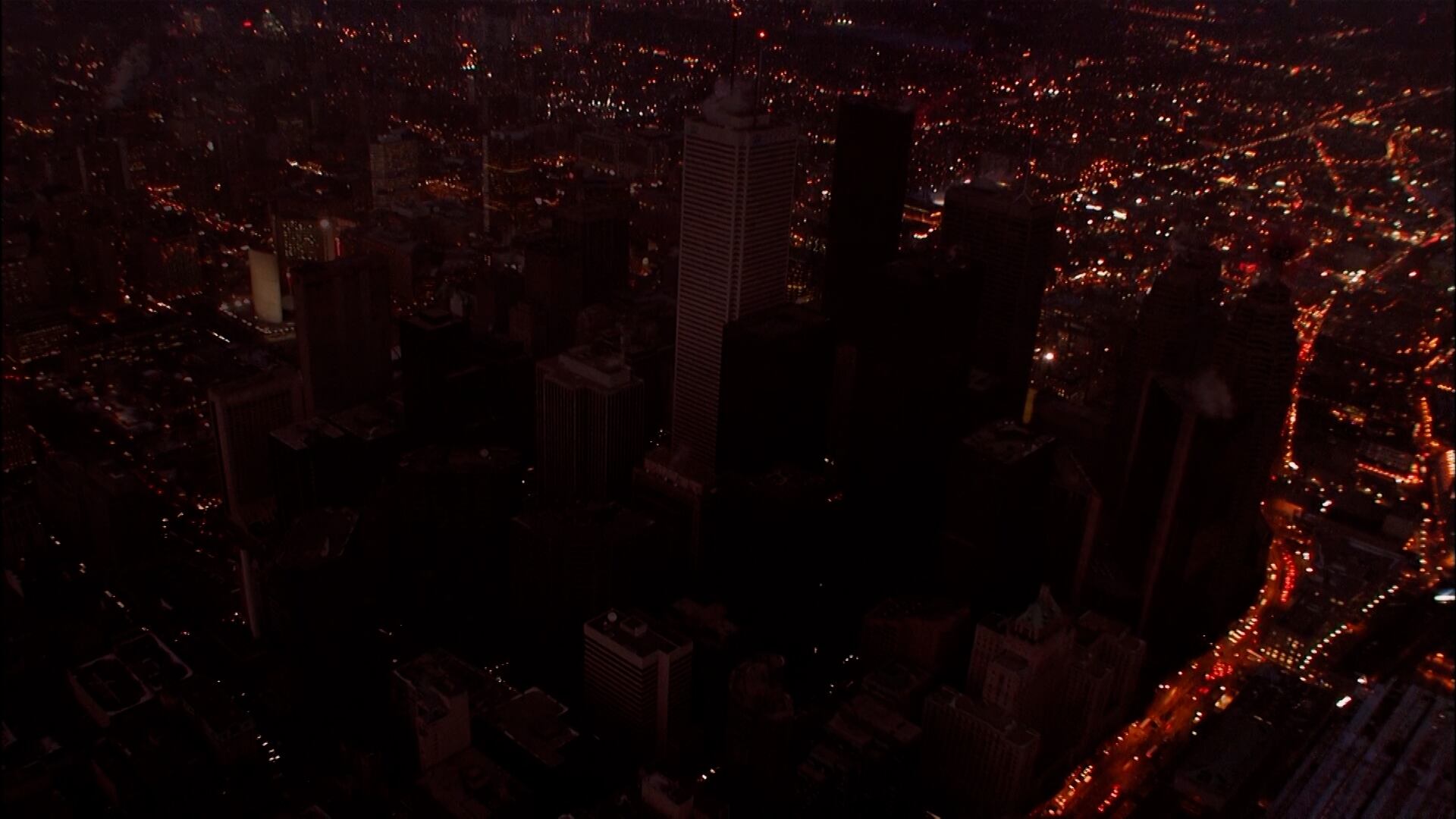
We are already starting to feel the effects of summer. Heat waves in Texas and California are already sending temperatures soaring. That could spell trouble for the nation's power supply. there are new concerns about outages in many areas of the country. Cheddar's Shannon Lanier explains the two main causes of blackouts, and what states are doing to keep the lights on and the air conditioning running.
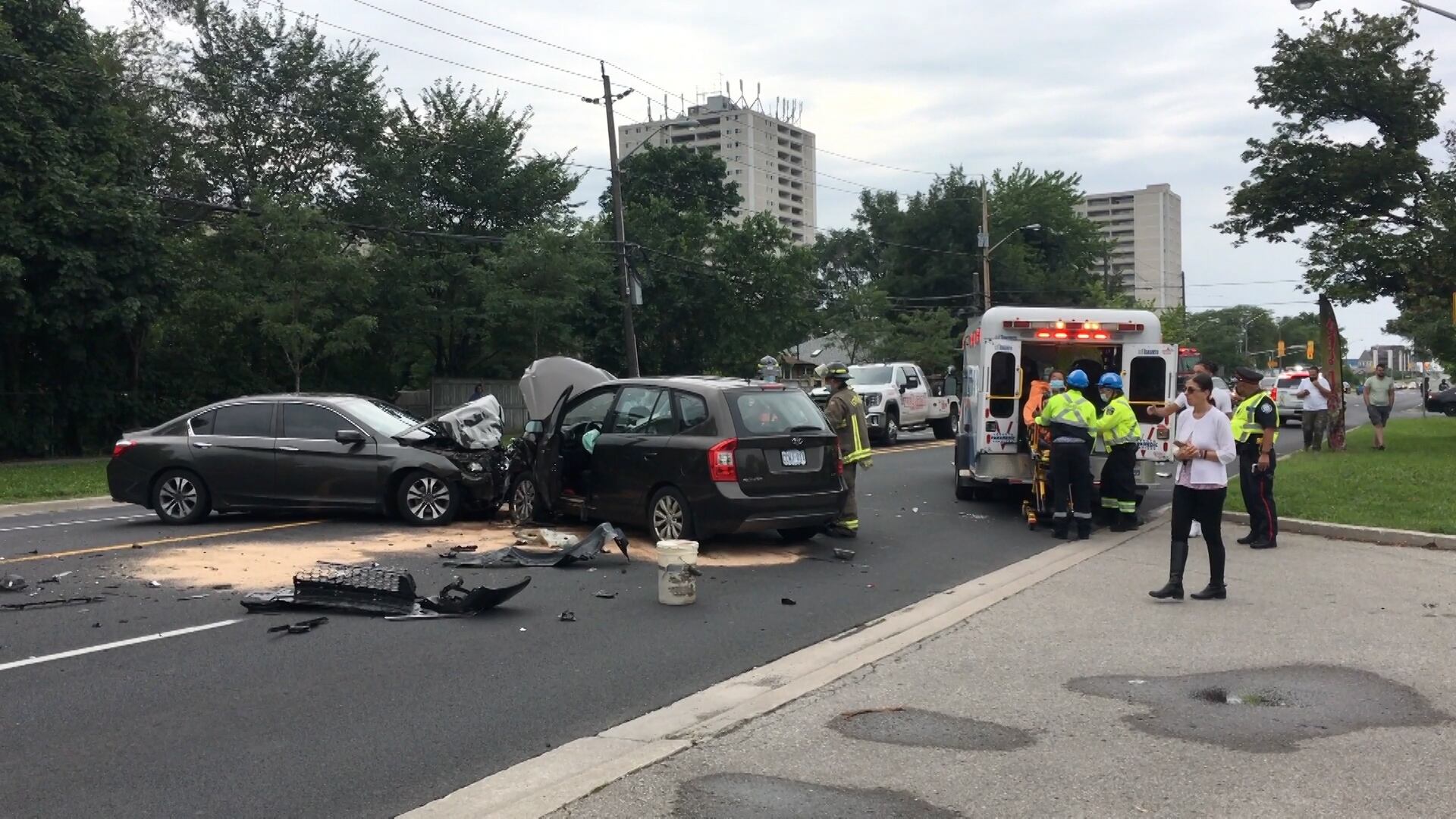
U.S. traffic deaths hit 16 year high
If you have been on the road this past year, you've probably seen more accidents on the road than you ever have. You're not wrong. Traffic fatalities are not only increasing they are hitting historic highs. Almost 43,000 people died in motor vehicle accidents in 2021. Cheddar's Shannon Lanier investigates - and finds out why.
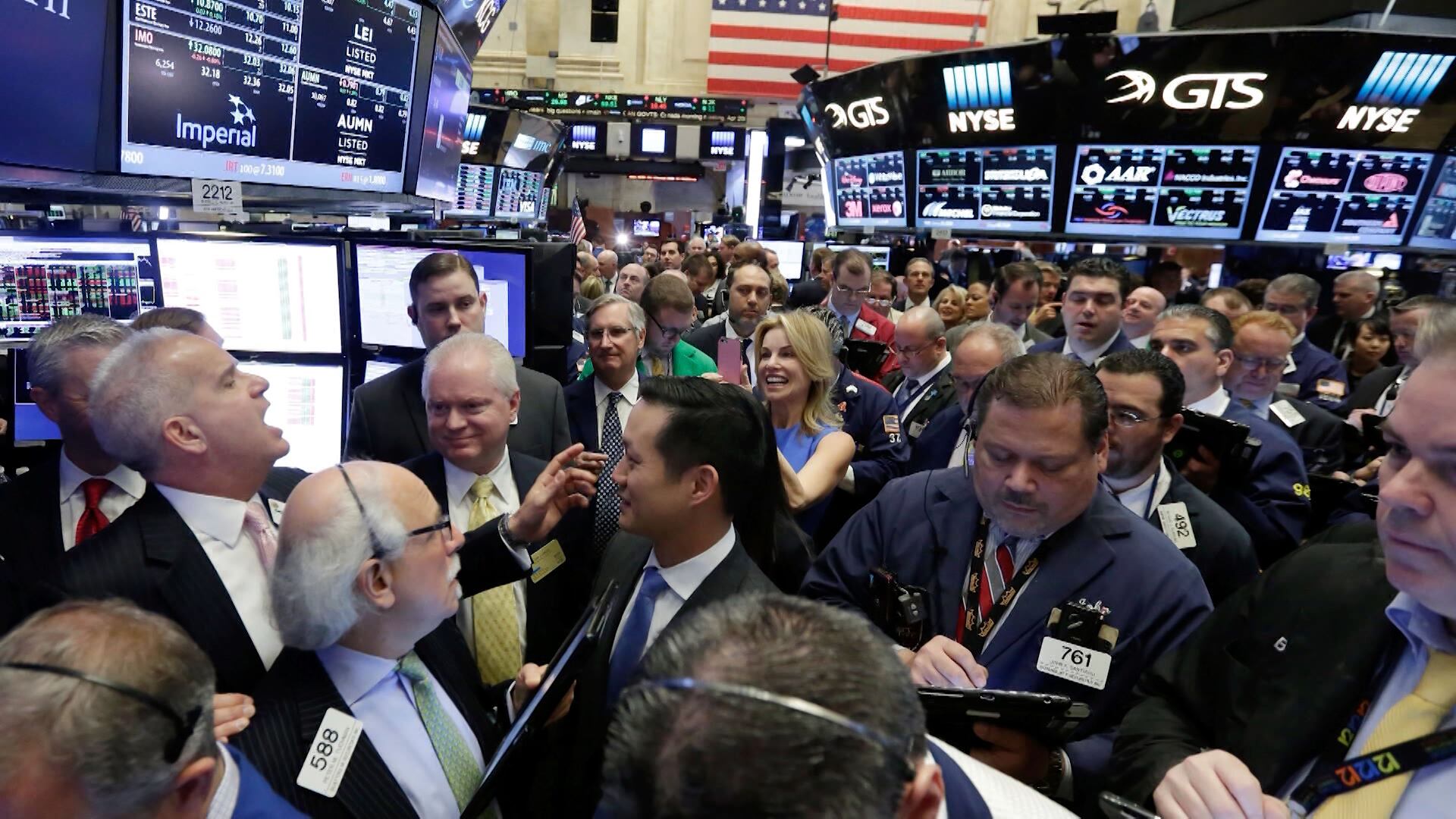
U.S. Stocks Closed at Session Highs Tuesday
U.S. stocks close Tuesday at session highs after a subpar start to the trading day. Tim Chubb, Chief Investment Officer at the wealth advisory firm, Girard, joins Cheddar News' Closing Bell to discuss. 'We're starting to see the moderation of three core things -- we've seen the moderation of prices, we've seen the moderation of wage growth we've seen in the labor market, and we've also seen a moderation of job openings,' he says.
Gymnasts Seek $1 Billion From FBI Over Larry Nassar Case
The victims from the USA gymnastics sexual abuse scandal continue to seek justice. Survivors of Larry Nassar are seeking more than one-billion dollars from the FBI for failing to stop the convicted sports doctor when the agency first received allegations. According to a report released by the Justice Department's Inspector General, FBI agents knew in July of 2015 that Nassar was accused of abusing gymnasts; however, Nassar wasn't arrested until December of 2016. The group that filed the claim includes Olympic medalist Simone Biles and around 90 other women. Louise Radnofsky, sports reporter at The Wall Street Journal, joins Cheddar News' Closing Bell to discuss.
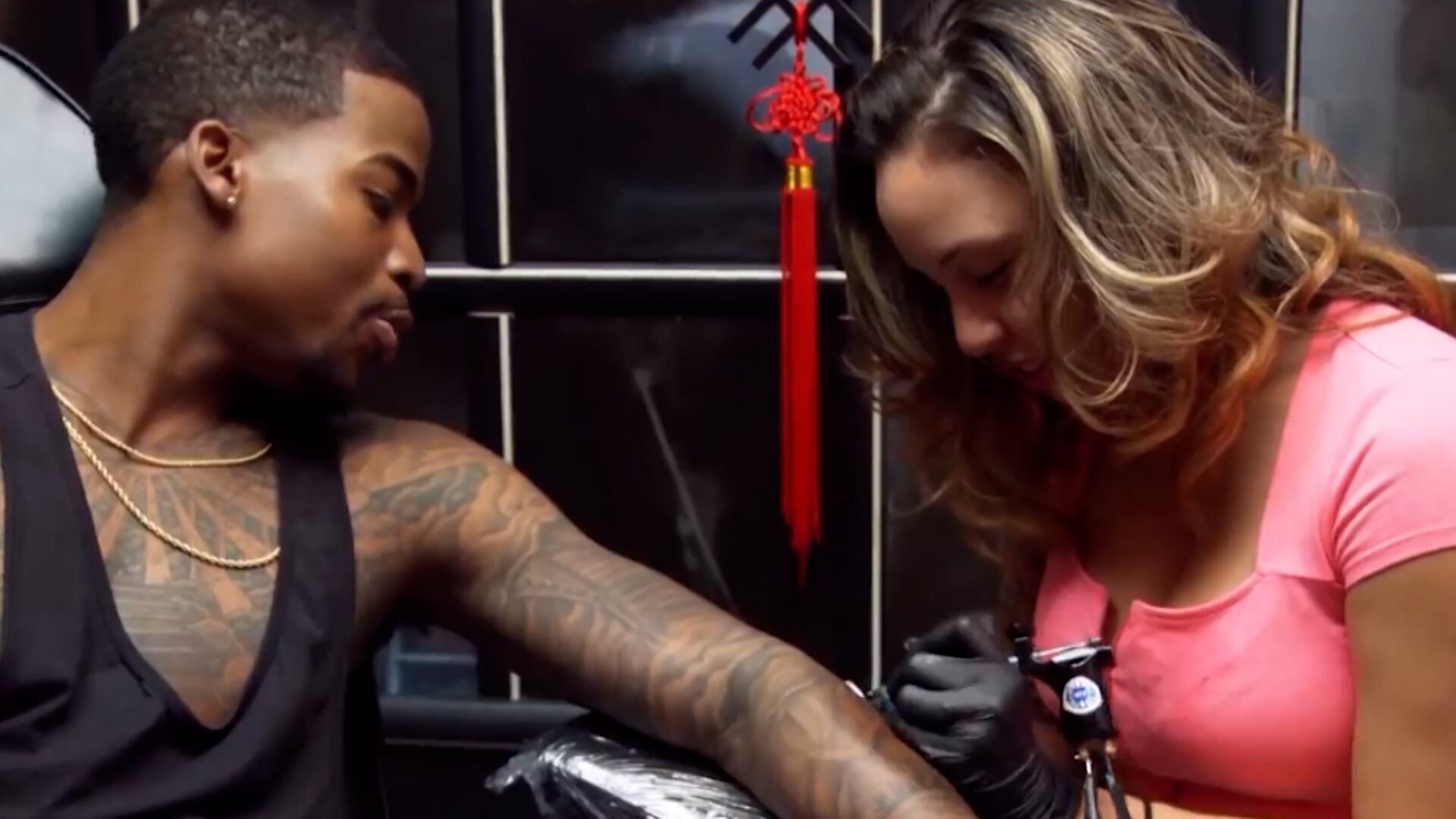
Kat Tat on Becoming 'Elite' Black Woman Tattoo Artist in Unwelcoming Industry
Tattoo artist Katrina "Kat Tat" Jackson, famous for starring in the VH1 hit series "Black Ink Crew: Chicago," is also the first Black woman to own a tattoo shop in Beverly Hills. She joined Cheddar News to discuss her trailblazing work, the stigma BIPOC tattoo artists face in the industry, and the way the space has changed for artists of color since her start. "In the beginning, I remember walking into a tattoo shop just like, hey, I wanna learn, I wanna be a tattoo artist and kind of just being laughed at, not taken seriously," she said. "Even with the tattoo conventions, a lot of African American tattoo artists were almost scared to go to conventions because it's not a welcoming environment."
Load More