Bed Bath & Beyond Inc. is again warning that it may declare bankruptcy if a $300 million stock offering doesn't bring in the needed funds.
The company said the proceeds from the offering will be used immediately to fulfill previous commitments to invest in merchandise inventory and reduce its store footprint, as well continue seeking a potential buyer.
"The actions we've taken have enabled us to create the necessary financial runway to begin restoring our iconic Bed Bath & Beyond and buybuy BABY businesses," said CEO Sue Gove.
"We have raised $360 million of equity capital since the beginning of February, cured our default under our credit agreement, repaid material amounts of our ABL facility, completed our interest payment for our Senior Notes, all while jumpstarting our turnaround plans."
Those turnaround plans include the development of a third-party consignment program that Grove said will allow the company to "fortify our product assortments by expanding merchandise availability from key supplier partners."
She added that customer experience remains the company's "top priority."
Alan Becker, CEO and Investment Adviser Representative at Retirement Solutions Group and RSG Investments, shares his thoughts on the latest GDP data plus why he's not sold cryptocurrency as a long-term asset.
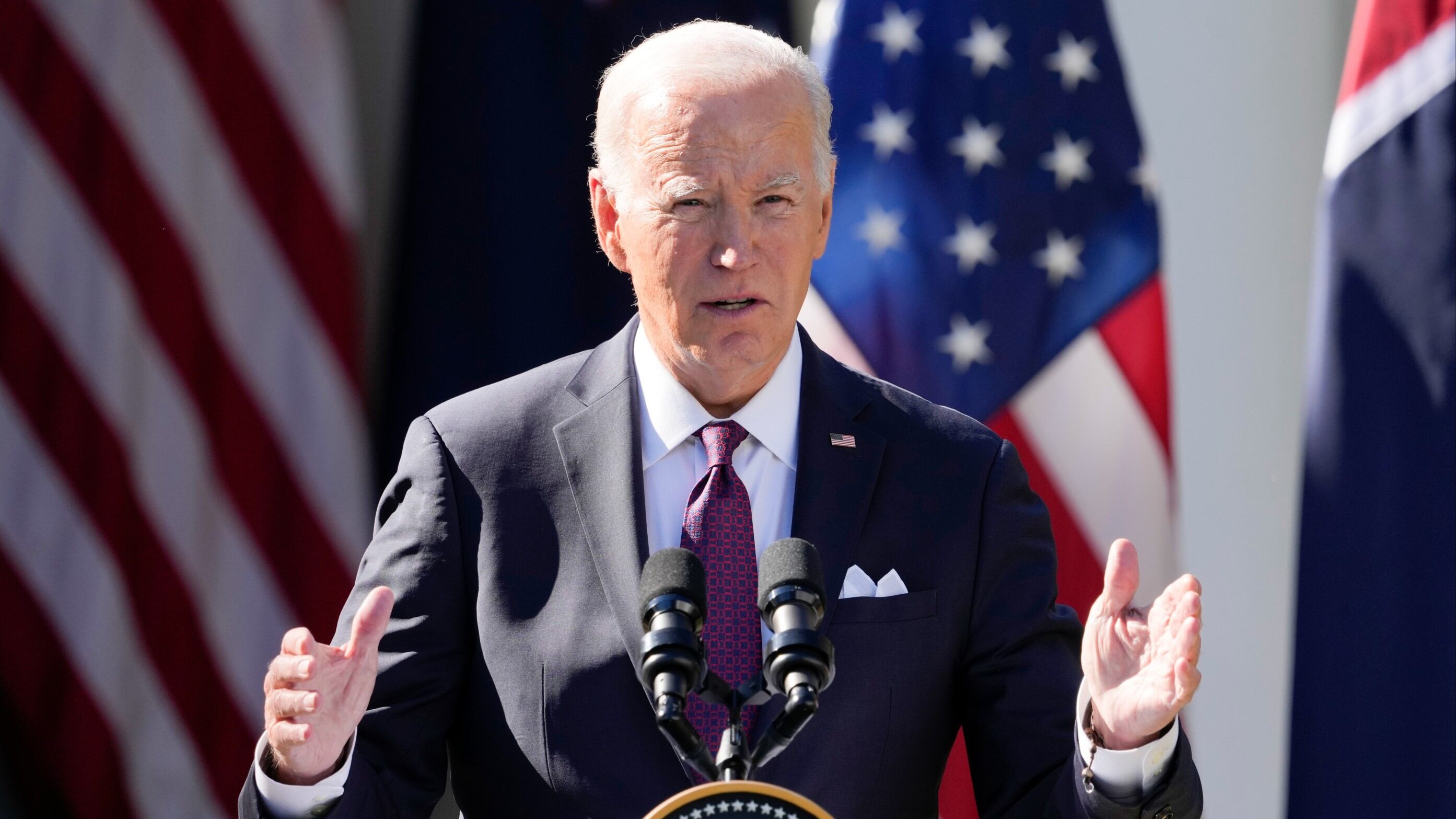
The Biden administration wants to ban another type of bank “junk fee," targeting fees that are typically charged by banks when a transaction is declined in real time.
Al Root, senior writer at Barron’s, breaks down everything expected from Tesla’s earnings report, from Elon Musk’s demands from the board to why the market has been looking for affordable EV options.
Online retailer eBay Inc. will cut about 1,000 jobs, or an estimated 9% of its full-time workforce. The announcement follows similar moves by other tech companies that ramped up hiring during the pandemic while people spent more time and money online.
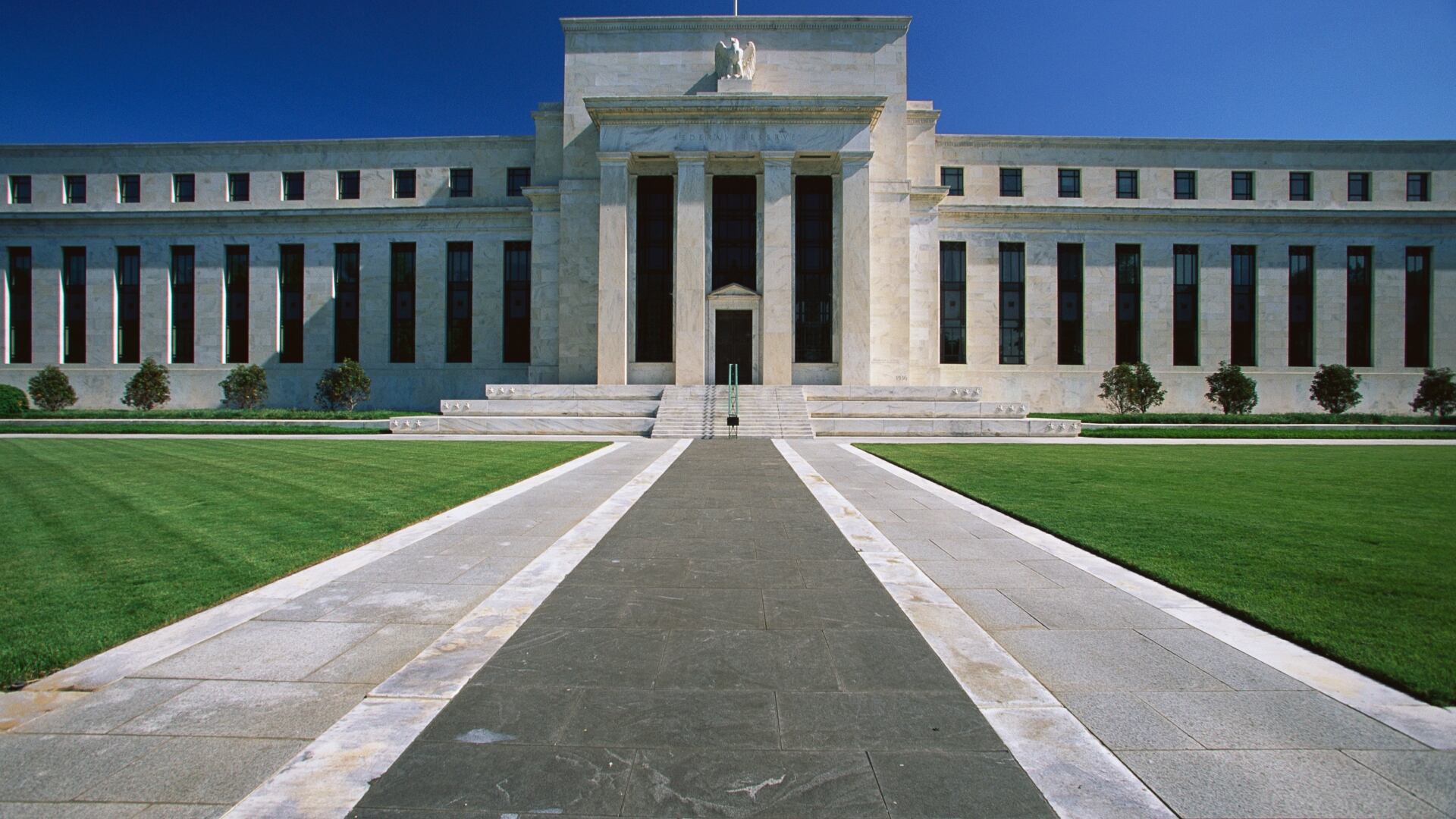
Tony Drake, CFP at Drake and Associates, LLC shares thoughts on whether the record gains in technology will broaden to other sectors, the risks of the Fed keeping interest rates higher for too long, and the health of the U.S. consumer.
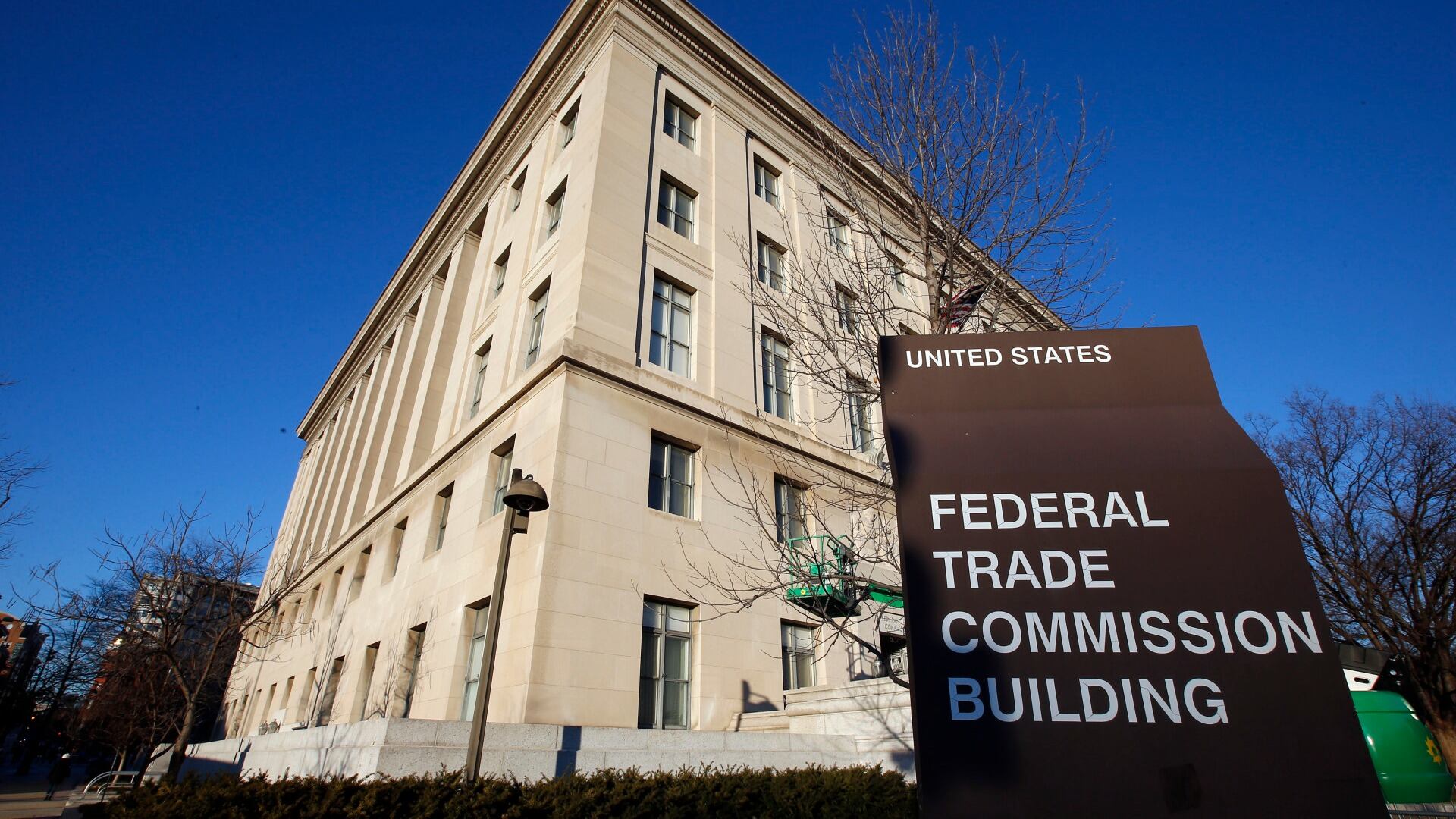
The Federal Trade Commission ruled that Intuit engaged in deceptive practices by running ads claiming consumers could file their taxes for free using TurboTax — when many taxpayers did not qualify for such free offerings.