Be Well: Keeping an Eye on Your Own Finances Amid Bank Collapses
With Americans watching multiple banks collapse this year, there are growing concerns about their own accounts and whether or not they can trust financial institutions. Marty Cantor, CPA and economic development consultant, joined Cheddar News to break down why some banks are struggling and what certain income earners should considering doing with their own finances. "If you have less than $250,000 in your own name in any bank, or $500,000, if you have joint tendency, you're going to be ok because the FDIC will protect it. The credit unions have a national association of credit unions that provide the same coverage. But if you're over $250,000, an individual depositor, you ought to take a hard look and maybe move some money to another bank," he said.
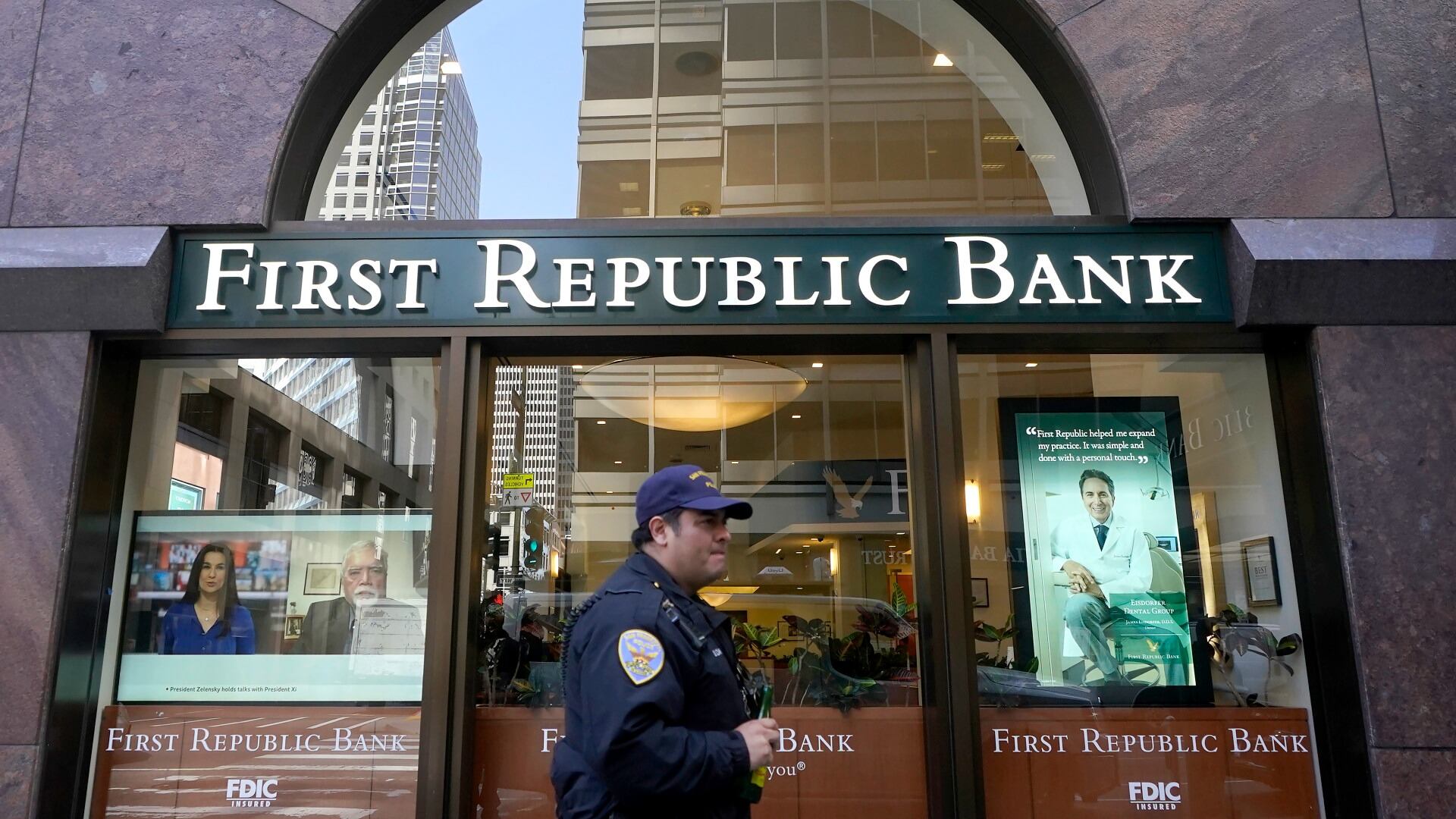
Regulators seized troubled First Republic Bank early Monday, making it the second-largest bank failure in U.S. history, and promptly sold all of its deposits and most of its assets to JPMorgan Chase.
The Week's Top Stories is a guided tour through the biggest market stories of the week, from winning stocks to brutal dips to the facts and forecasts generating buzz on Wall Street.
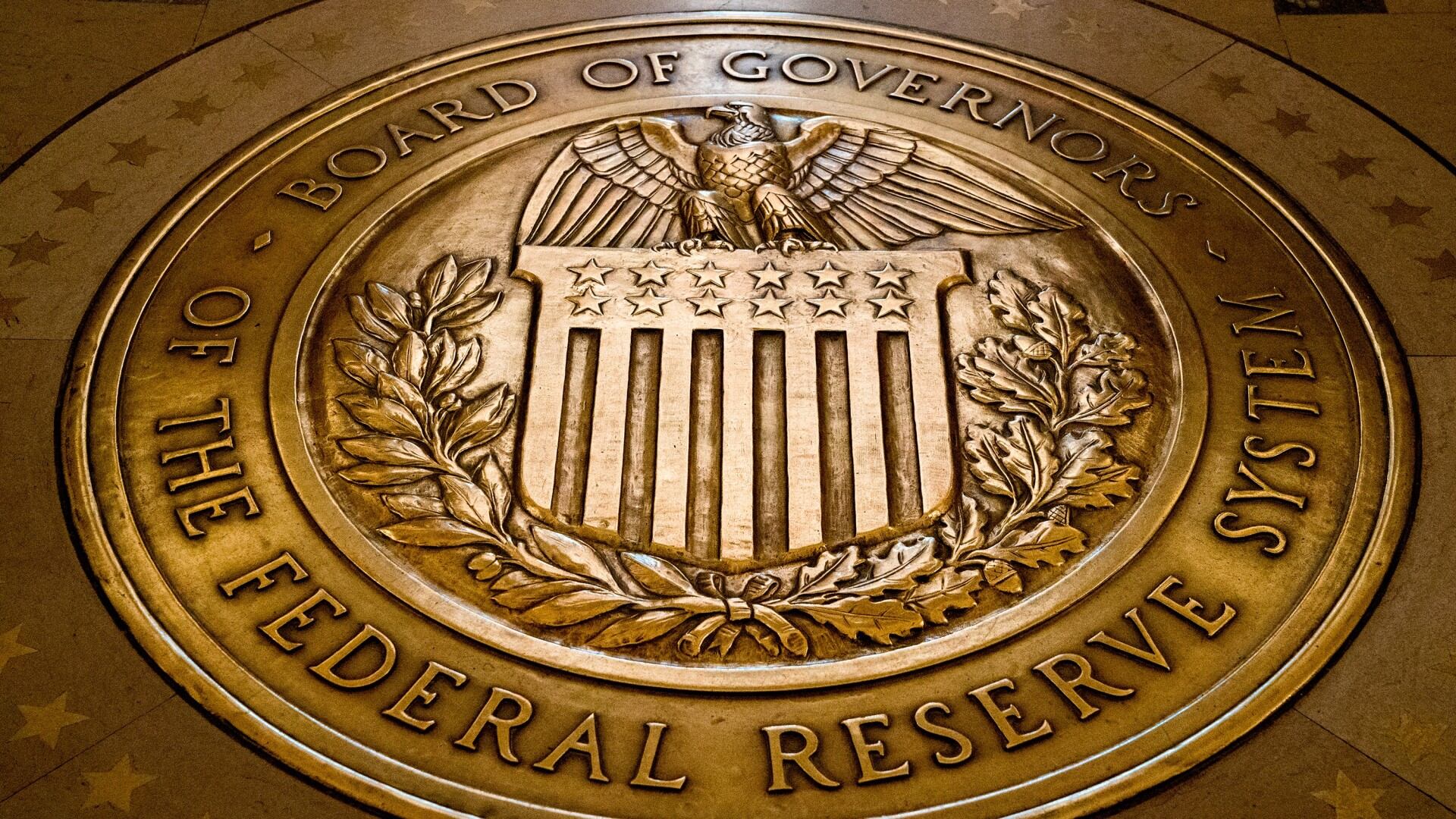
Federal Reserve Chair Jerome Powell was tricked into an extended phone call in January with Russian pranksters posing as Ukrainian President Volodymyr Zelenskyy, during which Powell appeared to discuss the economic impact of interest rate hikes.