Be Well: Keeping an Eye on Your Own Finances Amid Bank Collapses
With Americans watching multiple banks collapse this year, there are growing concerns about their own accounts and whether or not they can trust financial institutions. Marty Cantor, CPA and economic development consultant, joined Cheddar News to break down why some banks are struggling and what certain income earners should considering doing with their own finances. "If you have less than $250,000 in your own name in any bank, or $500,000, if you have joint tendency, you're going to be ok because the FDIC will protect it. The credit unions have a national association of credit unions that provide the same coverage. But if you're over $250,000, an individual depositor, you ought to take a hard look and maybe move some money to another bank," he said.
Tom McNeela, chief RIA solutions officer with RetireOne, joined Cheddar News to explain how people can use their life insurance policies for an emergency loan. "There's a lot of advantages and opportunities with permanent life insurance policy," he said, "if you have one, and there's cash value in there, you can take a loan out, and most of the time, it's a better rate than what you can get at your bank."
Cheddar News checks in on The Day Ahead as more earnings are on tap from companies Thursday including Apple, Lyft, Kellogg and Expedia while Vice President is expected to meet with some top tech CEOs to discuss the rapid development of artificial intelligence.
Meta is warning that cybercriminals are tricking people into downloading programs that can steal valuable information on fake ChatGPT offers. Cheddar News explains how Meta has observed hundreds of malicious links on its platform.
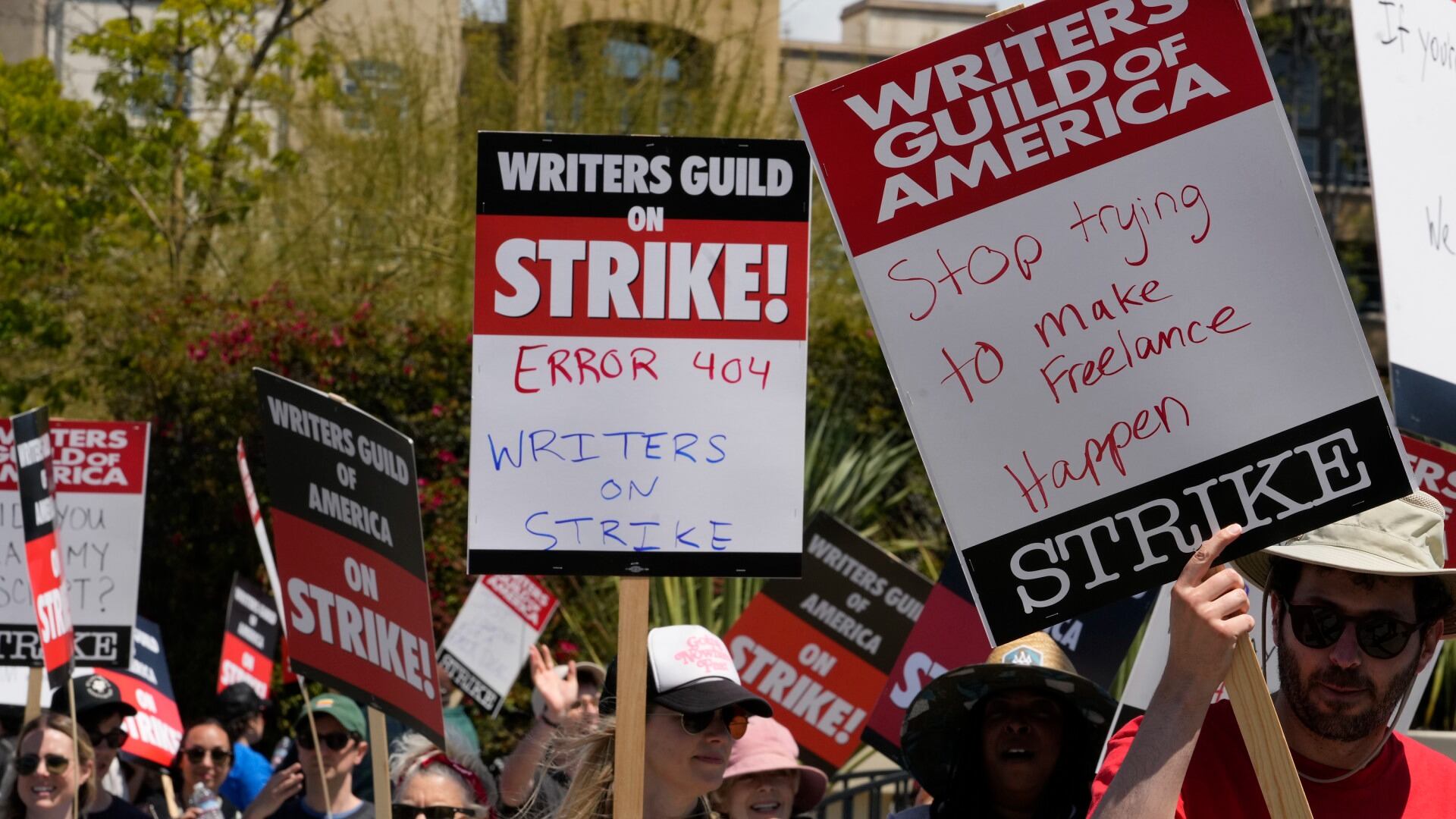
The 11,500 members of the Writers Guild of America went on strike this week after negotiations with Hollywood studios that began in March failed to result in an agreement.
Will McDonough, founder and CEO of EMG Advisors, joined Cheddar News to discuss Wednesday's trading session after the Federal Reserve raised rates by 0.25% as tighter credit conditions continue to affect small- and medium-sized businesses.