Be Well: Keeping an Eye on Your Own Finances Amid Bank Collapses
With Americans watching multiple banks collapse this year, there are growing concerns about their own accounts and whether or not they can trust financial institutions. Marty Cantor, CPA and economic development consultant, joined Cheddar News to break down why some banks are struggling and what certain income earners should considering doing with their own finances. "If you have less than $250,000 in your own name in any bank, or $500,000, if you have joint tendency, you're going to be ok because the FDIC will protect it. The credit unions have a national association of credit unions that provide the same coverage. But if you're over $250,000, an individual depositor, you ought to take a hard look and maybe move some money to another bank," he said.
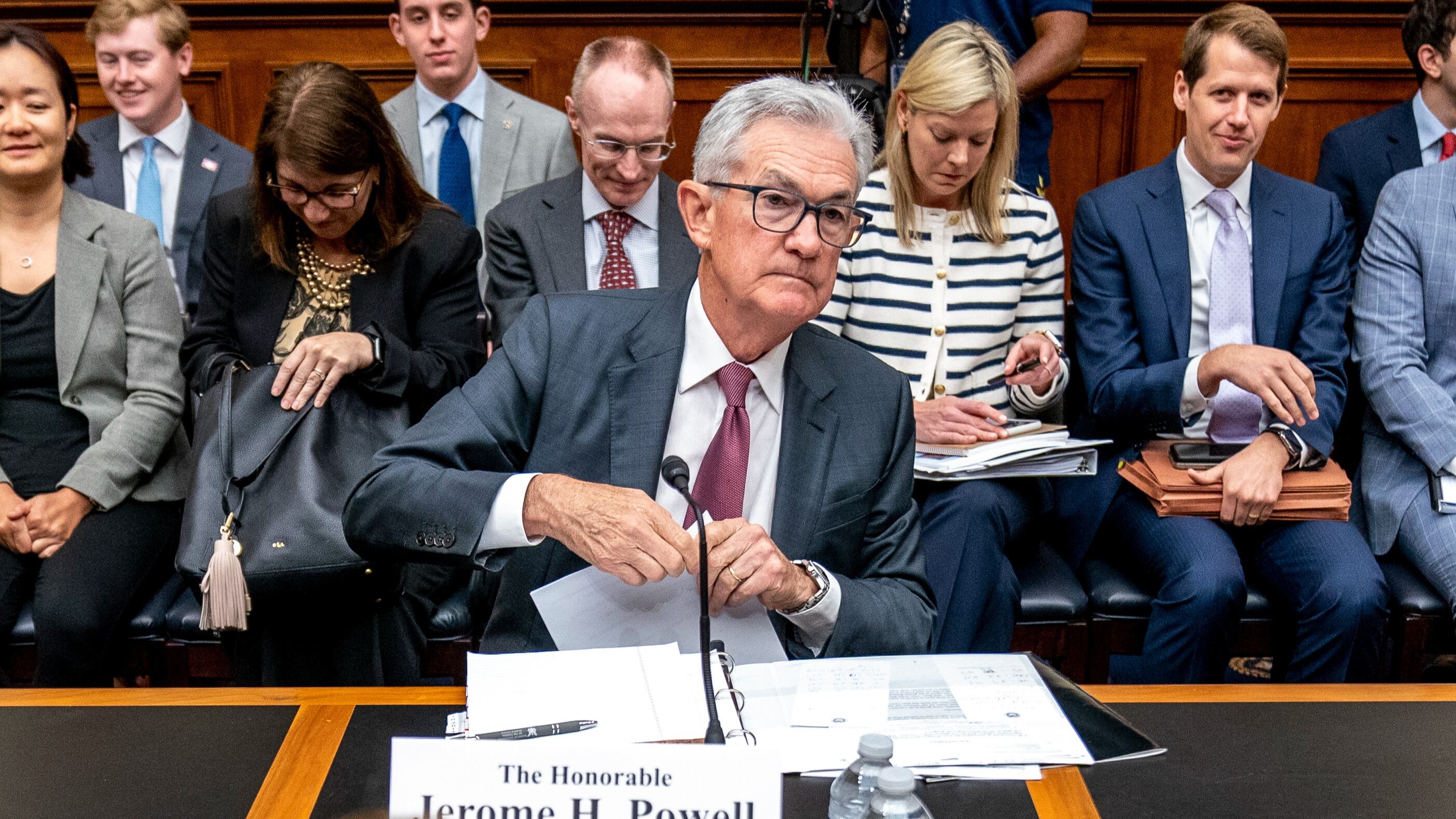
In his second day of testimony before the Senate Banking Committee, Federal Reserve Chair Jerome Powell reiterated that the board is considering more interest rate hikes.
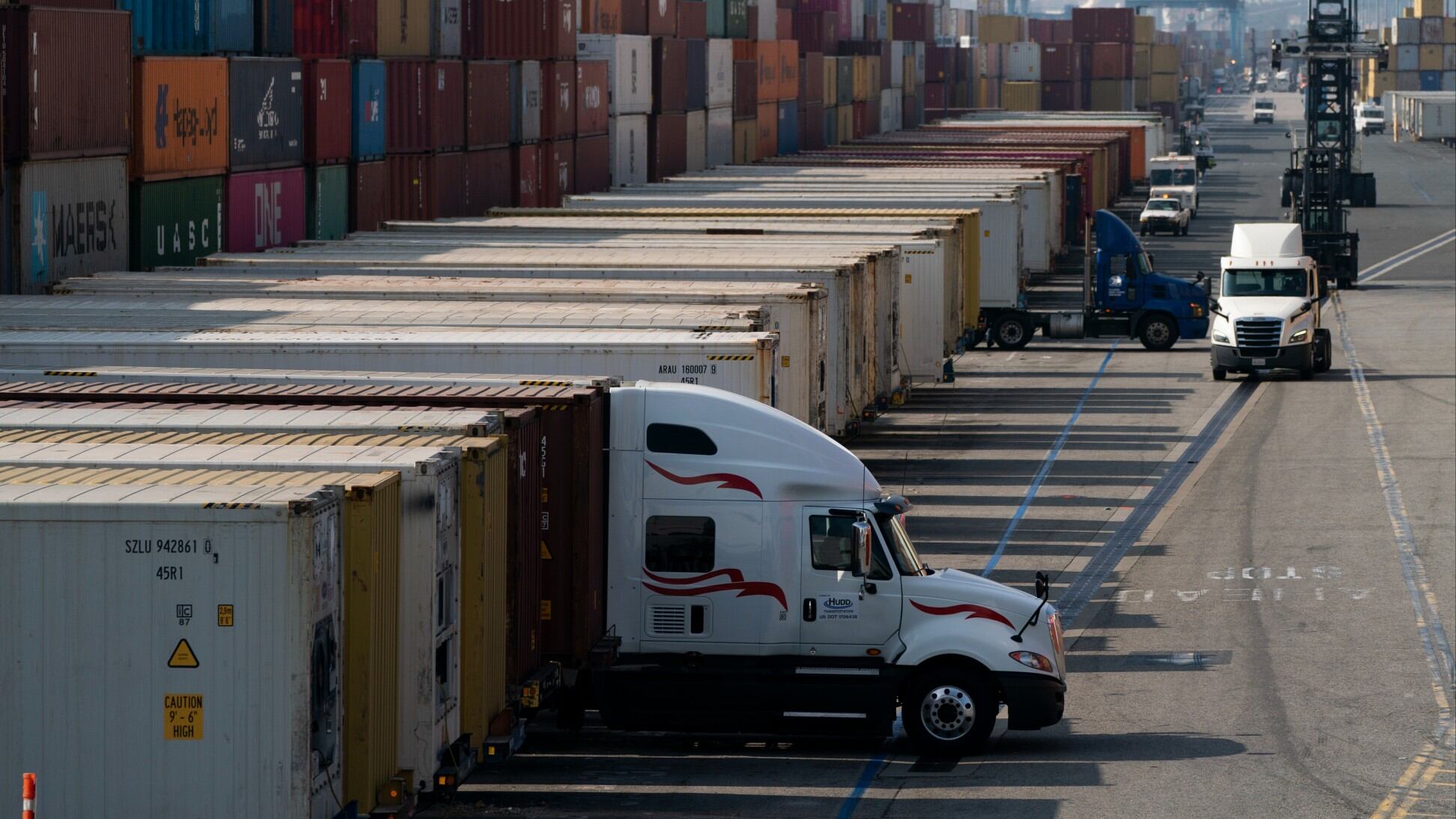
The government will require heavy trucks and buses to include automatic emergency braking equipment within five years, the federal traffic safety agency said Thursday, estimating it will prevent nearly 20,000 crashes save at least 155 lives a year.
The Food and Drug Administration on Thursday said it has sent warning letters to dozens of retailers selling fruit- and candy-flavored disposable e-cigarettes, including the current best-selling brand, Elf Bar.
Whether your credit card has declined or if you had difficulty splitting a bill at an outing, those awkward financial moments can get the best of us. Bobbi Robell, founder of Financial Wellness Strategies and author of "Launching Financial Grownups," joined Cheddar News to provide tips on how to handle those tense situations.
With inflation in the United States still excessive, most Federal Reserve officials expect to raise interest rates further this year, Chair Jerome Powell told a House committee Wednesday.