Be Well: Keeping an Eye on Your Own Finances Amid Bank Collapses
With Americans watching multiple banks collapse this year, there are growing concerns about their own accounts and whether or not they can trust financial institutions. Marty Cantor, CPA and economic development consultant, joined Cheddar News to break down why some banks are struggling and what certain income earners should considering doing with their own finances. "If you have less than $250,000 in your own name in any bank, or $500,000, if you have joint tendency, you're going to be ok because the FDIC will protect it. The credit unions have a national association of credit unions that provide the same coverage. But if you're over $250,000, an individual depositor, you ought to take a hard look and maybe move some money to another bank," he said.
Earnings kicked off into high gear as Anheuser-Busch posted results on Thursday as Apple and Amazon are set to announce their financials later in the day.
Investors weren't jolted by the downgrade because they already know the fractured state of U.S. politics, the size of the country's public debt, and the challenges it faces to pay for Social Security, Medicare and other expenses.
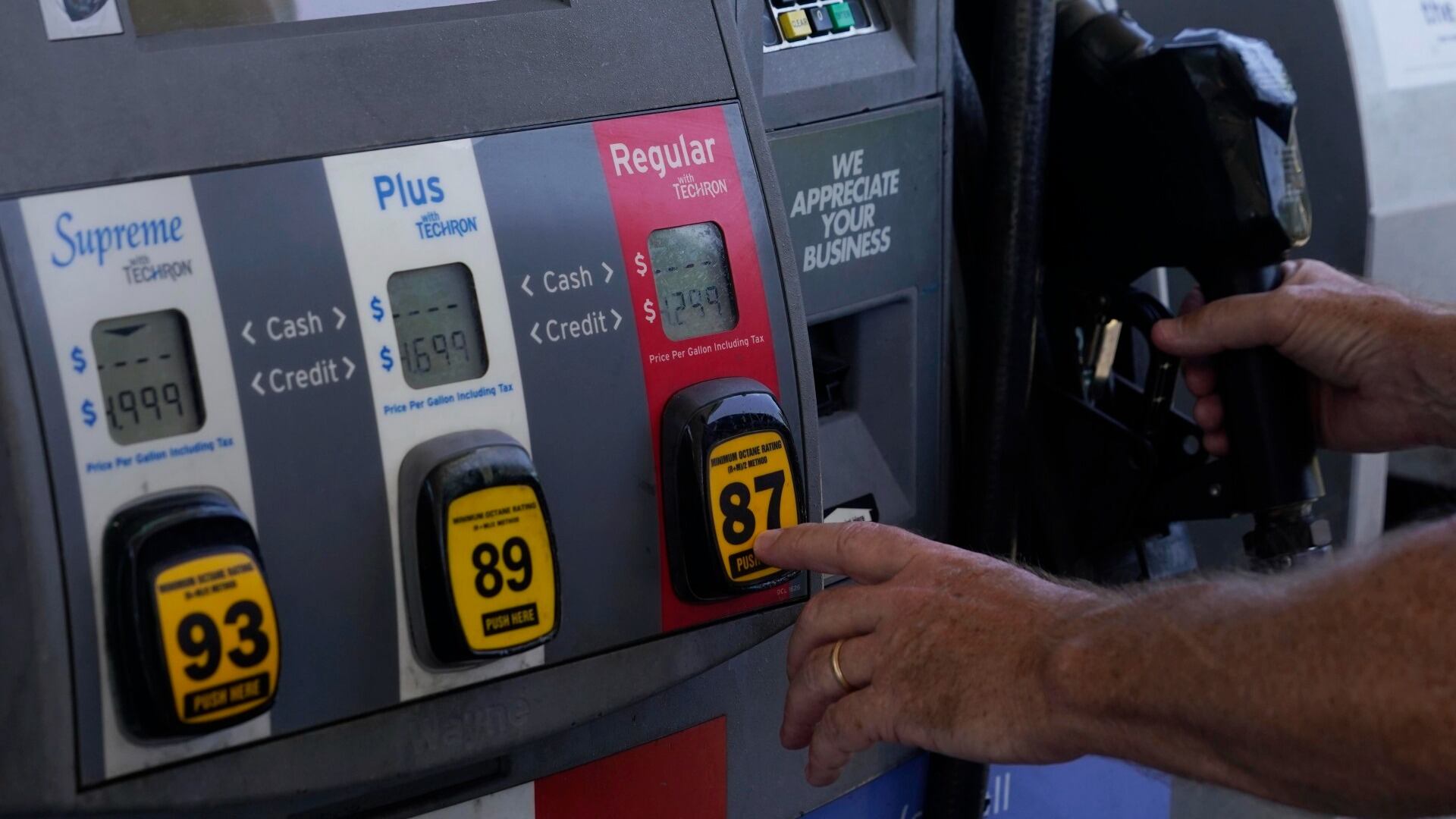
The national average for gas prices stood at about $3.78 a gallon on Tuesday — about 25 cents higher than that seen one month ago, according to motor club AAA. While today's prices at the pump remain far lower than they were last year, when energy costs soared worldwide in the months following Russia's invasion of Ukraine, experts say such a jump is unusual.