Be Well: Keeping an Eye on Your Own Finances Amid Bank Collapses
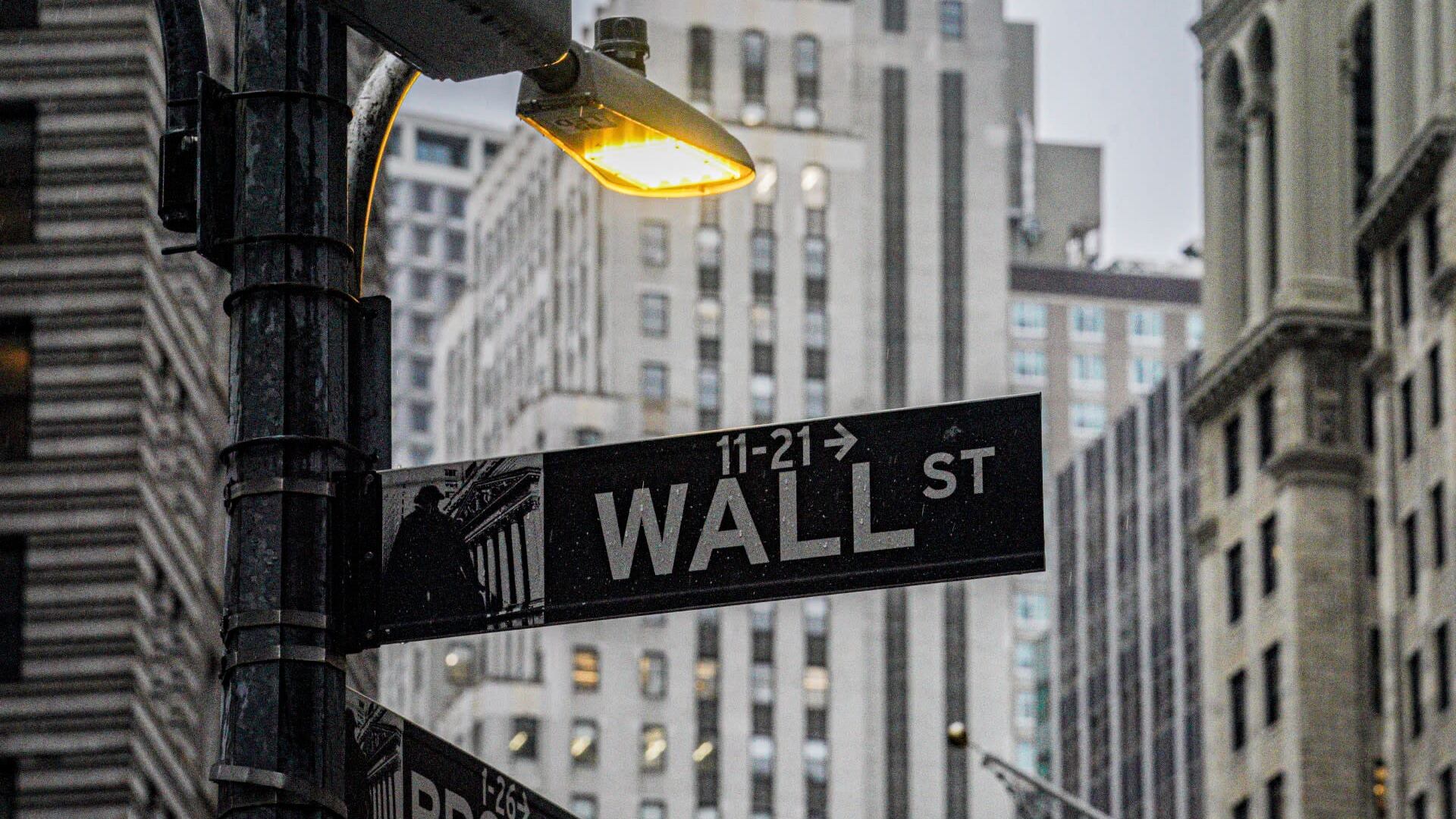
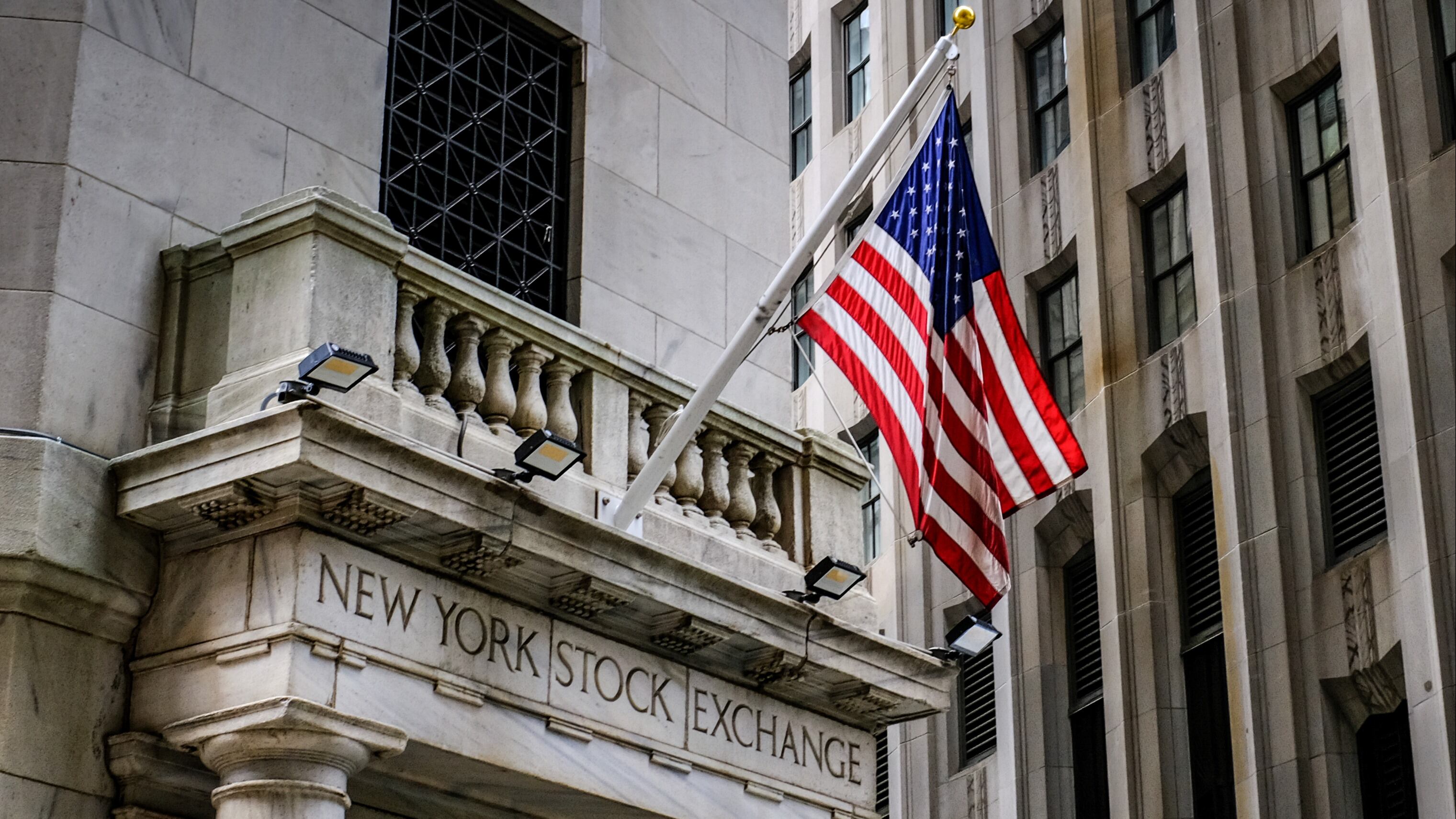
With Americans watching multiple banks collapse this year, there are growing concerns about their own accounts and whether or not they can trust financial institutions. Marty Cantor, CPA and economic development consultant, joined Cheddar News to break down why some banks are struggling and what certain income earners should considering doing with their own finances. "If you have less than $250,000 in your own name in any bank, or $500,000, if you have joint tendency, you're going to be ok because the FDIC will protect it. The credit unions have a national association of credit unions that provide the same coverage. But if you're over $250,000, an individual depositor, you ought to take a hard look and maybe move some money to another bank," he said.
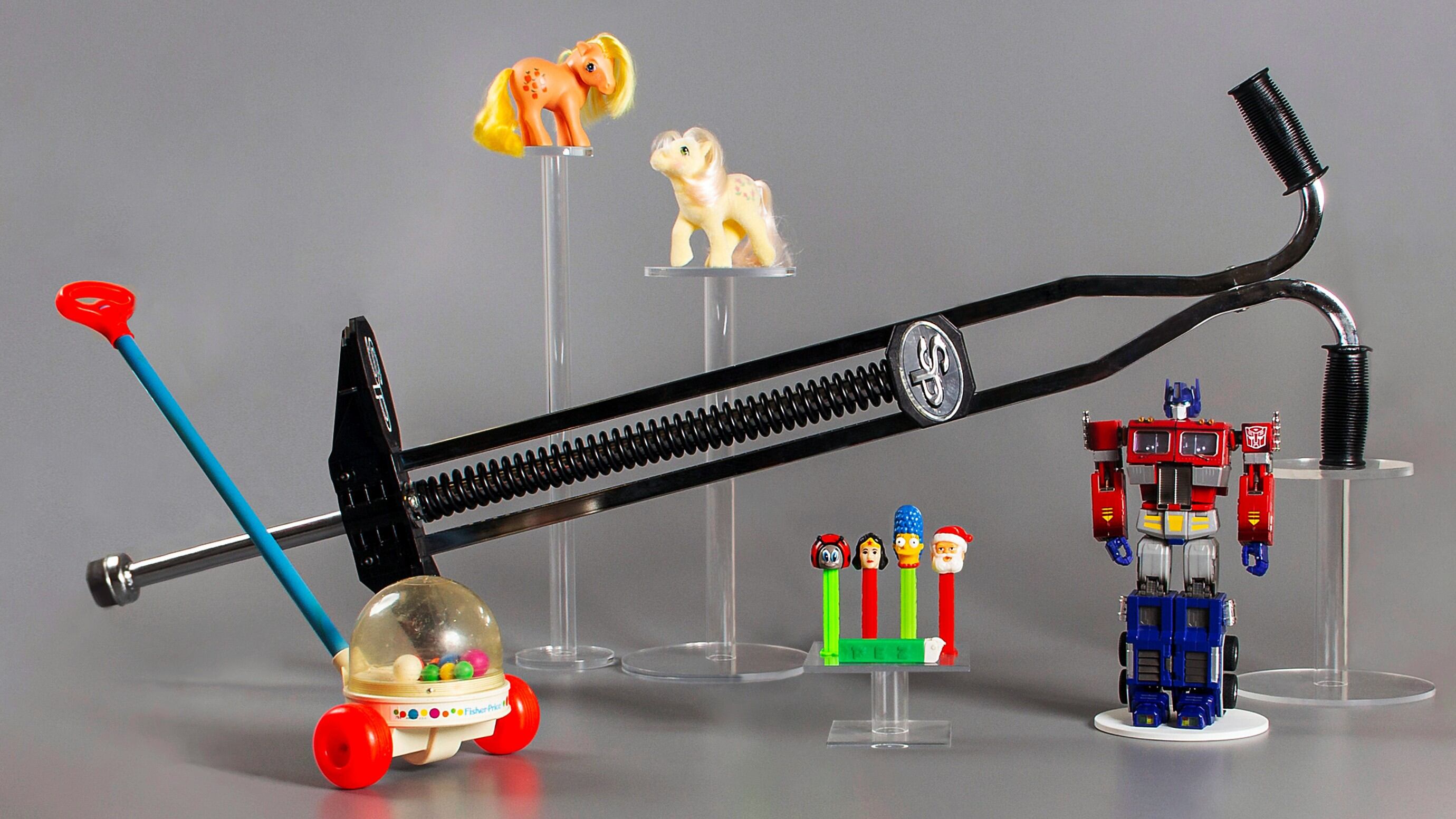
They are playfully called the “forgotten five”: A handful of toys — the pogo stick, the Fisher-Price Corn Popper, My Little Pony, PEZ dispensers, and Transformers — that regularly approach toybox royalty as finalists for the National Toy Hall of Fame, only to be tossed back on the pile.
Rite Aid’s plan to close more stores as part of its bankruptcy process could hurt access to medicine and care, particularly in some majority Black and Hispanic neighborhoods and in rural areas, experts say.
Taylor Swift's concert tour has dominated the box office in recent days and it's also the top-grossing concert film of all time here in the U.S. But a conversation on social media raised questions about movie etiquette and videos shared show film audiences singing, shining their phone flashlights and dancing in the aisles.
Stocks fell at the open Tuesday as the 10-year Treasury yield spiked following retail sales data and bank earnings, raising concerns over more rate hikes. Investors are also keeping an eye on tensions in the Middle East and its potential effect on global markets.