Be Well: Keeping an Eye on Your Own Finances Amid Bank Collapses
With Americans watching multiple banks collapse this year, there are growing concerns about their own accounts and whether or not they can trust financial institutions. Marty Cantor, CPA and economic development consultant, joined Cheddar News to break down why some banks are struggling and what certain income earners should considering doing with their own finances. "If you have less than $250,000 in your own name in any bank, or $500,000, if you have joint tendency, you're going to be ok because the FDIC will protect it. The credit unions have a national association of credit unions that provide the same coverage. But if you're over $250,000, an individual depositor, you ought to take a hard look and maybe move some money to another bank," he said.
Dena Jalbert, CEO of Align Advisory Services, breaks down the M&A outlook for 2026 as AI costs, debt, valuations and economic uncertainty reshape deal-making.
LSEG Consumer Research Director Jharonne Martis breaks down retail earnings, the K-shaped consumer and what inflation and rising costs mean for spending.
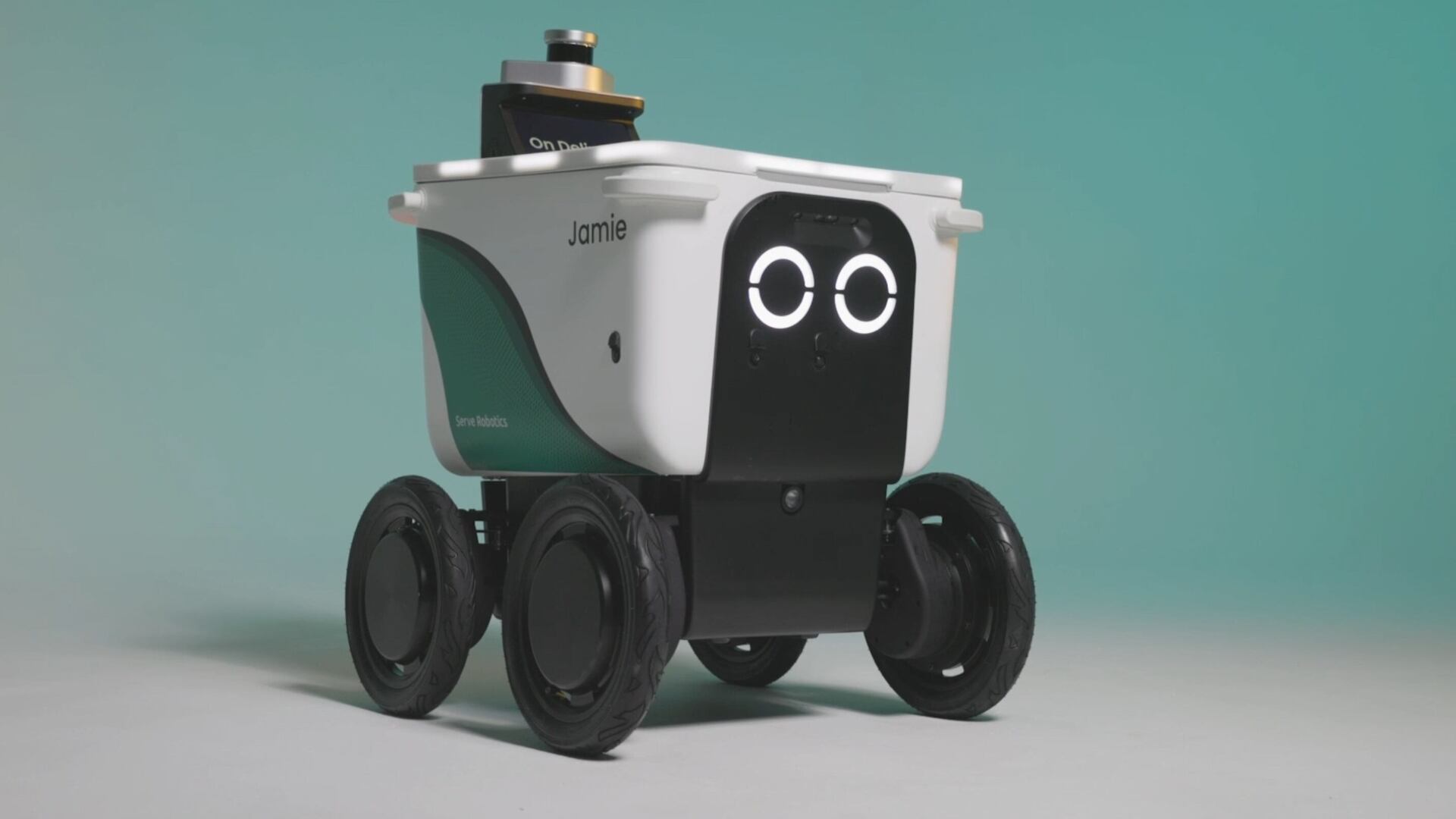
Serve Robotics CEO Ali Kashani discusses expanding beyond Uber, adding new delivery partners and scaling autonomous robots as delivery moves into the mainstream
Citrotech CEO Wes Bolsen discusses how innovative building materials could prevent fires, slow their spread and reshape the future of fire-safe construction.