While the coronavirus pandemic forced many media companies to slow down production and forced athletics to grind to a halt, Barstool Sports adapted and CEO Erika Nardini says the company was able to capitalize on a slew of non-sports-related content.
Now Barstool Sports' priority is to show buyers at the company's first appearance at the NewFronts marketing conference that it can still be profitable even without the return of North American pro leagues.
"We wanted to show, not only the showcasing of what we're creating -- so, all of the brands we're developing and running -- but also how we're performing for advertisers," she said.
Barstool's success during the shutdowns, Nardini explained, is not only attributable to the team's ability to "create content that's authentic" but also its commitment to creating content that fans want to engage with.
"We're building some of, if not, the very biggest brands on the internet," she said. "I think that during quarantine, most media companies stopped making content. They either had production challenges, they weren't able to gather in studios. We took the opposite approach."
Barstool's growth on social media platforms like TikTok and Instagram has also allowed the company's "brands the ability to play ball with those audiences" where they otherwise might not have had access, according to the CEO.
"Every single brand that's created at Barstool is programmed and produced for the internet, which means that we naturally attract what you would call 'young viewers,'" she said.
Even with the success of the non-sports content, Nardini said the company will not abandon its newfound format despite the imminent return of the pros, but will instead marry the new content with Barstool's core programs.
"What we've found is when you have eyes for the internet, and you're making content for the internet, that stuff can last," she noted.
Cheddar's Lawrence Banton speaks with entrepreneurs leading the way on textile and clothing recycling in an effort to help stem waste in fashion amid the climate crisis.
Enterprise blockchain provider, BlockApps, recently raised $41 million in a new funding round led by Liberty City Ventures. BlockApps builds products and applications for other companies on its own blockchain platform called STRATO. The company says its blockchain technology can help businesses increase the value of their assets, streamline their supply chains, and help them meet their sustainability goals. Kieren James-Lubin, President & CEO of BlockApps, joins Cheddar News' Closing Bell to discuss.
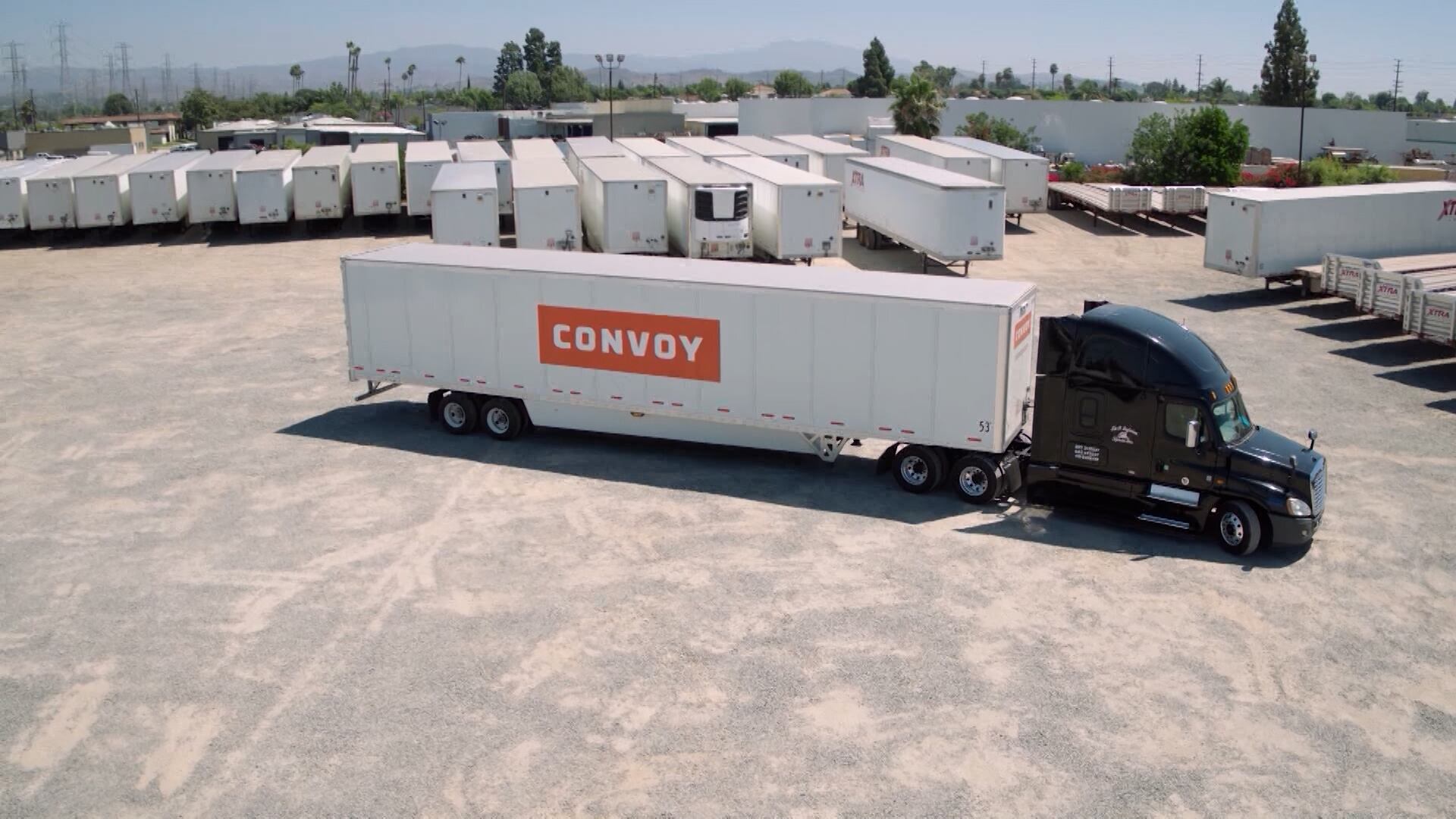
Dan Lewis, CEO of Convoy, says business luminaries like Bill Gates and Jeff Bezos are investing in his company because they're betting on Convoy and its business model to emerge as a winner in a crowded marketplace.
Anthony Bartolacci, VP of Financial Institutions at Sensor Tower, breaks down the reasons investors remain concerned about Netflix after the streaming giant said it lost subscribers last quarter.
Stocks closed near session lows Thursday as investors digested Federal Reserve Chair Jerome Powell's comment about a potential 50 basis point rate hike at the central bank's May meeting. Powell's announcement also sent the 10-year and other yields higher, with the benchmark 10-year rate hitting its highest level since late 2018. Victor Zhang, CIO at American Century Investments, joins Closing Bell to discuss today's close, Powell's comments, the Fed's moves on inflation, and more.
Tesla has continued to beat expectations as illustrated by its last quarter earnings despite issues in Shanghai, China. Dan Ives, the managing director of equity research at Wedbush Securities, joined Cheddar News to talk about the resilience of Tesla. "I thought they were almost Cinderella-like numbers," he said about the delivery numbers. "They are performing just miles ahead of any auto player, and that's why the stock is doing what it's doing. In my opinion, they're expanding their lead in EVs, even in this Category 5 hurricane that we're seeing in China." Ives noted that issues in China could pose ongoing challenges going forward even with the largely positive outlook.
Inflation is driving a return to the gig economy, according to a new survey from Branch & Marqeta that found 85 percent of workers have increased or planned to increase their amount of gig work in the past six months, with 58 percent citing inflation as the reason behind this change. Arun Sundararajan, professor at NYU Stern School of Business, breaks down this dynamic and how it's impacting the broader economy. "Inflation is rampant and people need more money. Salaried wages haven't kept up. Plus the labor market is tight. People can't find full time employees, employers can't find full time employees, and so some people are being opportunistic," he said. "And I also think there's a COVID effect because people have gotten used to more flexibility and time and space because people have gotten used to more flexibility and time and space, through the months of the lockdown."
A new report from DrakeStar Partners, an investment bank that closely tracks the sector, said $98.7 billion in deals were announced or closed in the first three months of the year. T