While the coronavirus pandemic forced many media companies to slow down production and forced athletics to grind to a halt, Barstool Sports adapted and CEO Erika Nardini says the company was able to capitalize on a slew of non-sports-related content.
Now Barstool Sports' priority is to show buyers at the company's first appearance at the NewFronts marketing conference that it can still be profitable even without the return of North American pro leagues.
"We wanted to show, not only the showcasing of what we're creating -- so, all of the brands we're developing and running -- but also how we're performing for advertisers," she said.
Barstool's success during the shutdowns, Nardini explained, is not only attributable to the team's ability to "create content that's authentic" but also its commitment to creating content that fans want to engage with.
"We're building some of, if not, the very biggest brands on the internet," she said. "I think that during quarantine, most media companies stopped making content. They either had production challenges, they weren't able to gather in studios. We took the opposite approach."
Barstool's growth on social media platforms like TikTok and Instagram has also allowed the company's "brands the ability to play ball with those audiences" where they otherwise might not have had access, according to the CEO.
"Every single brand that's created at Barstool is programmed and produced for the internet, which means that we naturally attract what you would call 'young viewers,'" she said.
Even with the success of the non-sports content, Nardini said the company will not abandon its newfound format despite the imminent return of the pros, but will instead marry the new content with Barstool's core programs.
"What we've found is when you have eyes for the internet, and you're making content for the internet, that stuff can last," she noted.
Chad Anderson, Managing Partner at Space Capital, explains how satellites are helping provide new information on climate change, while also discussing the latest on the space investment front and SpaceX's delayed mission.
Gary Peterson, International Vice President at the Transport Workers Union of America, joined Closing Bell's Kristen Scholer to discuss how the confusion over travel mask mandates puts already vulnerable workers like flight attendants in a tough position.
Shawn Cruz, Head Trading Strategist at TD Ameritrade, makes sense of today's market meltdown in which each of the major indexes fell by more than 2%. Cruz also discusses what investors should expect to see next week when the tech giants report their quarterly earnings.
The Colgate Women's Games have been running for 47 years with the goal of helping young athletes meet their goals, fund their education, and more. Athletes travel up and down the East coast to attend the games, competing for just minutes at a time, but they continue to return year after year for mentoring opportunities, guidance, and the chance to win a scholarship. Cheryl Toussaint, Olympic Medalist & Director of Colgate Women's Games, joins Closing Bell to discuss this year's event, why this cause is important to both her and Colgate-Palmolive, and more.
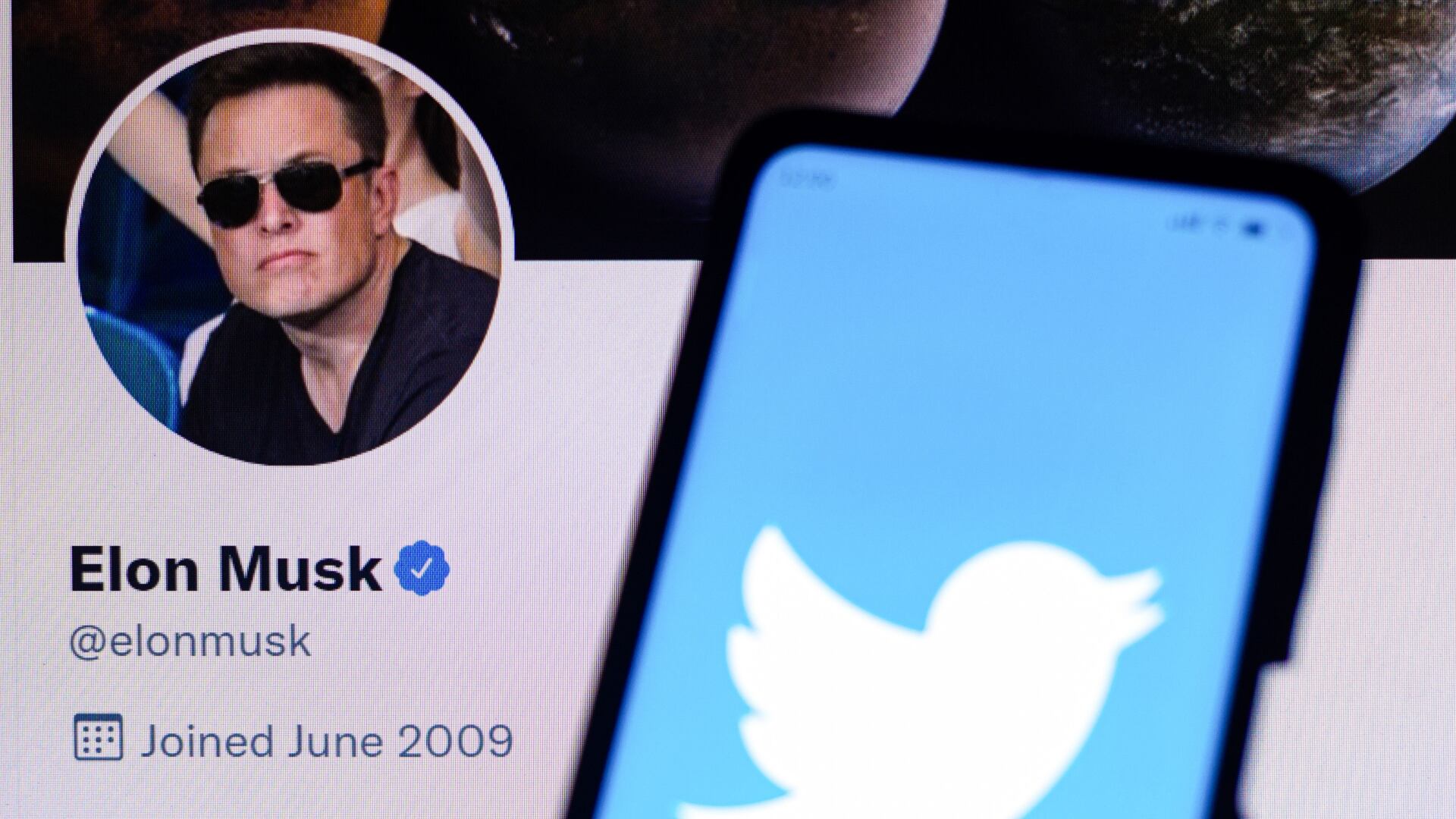
The saga surrounding Elon Musk's bid to buy Twitter has made its way to Washington, DC. A group of 18 House Republicans are calling on the social media platform's board to preserve all records and documents related to the company's response to the offer from the Tesla CEO. Caleb Silver, editor in chief of Investopedia, joined Closing Bell to discuss. "This is a long term play, but it's just a shot across the bow by congressional Republicans, who probably will end up taking the House, that they're going to be tough on Big Tech and they're going use Musk's bid for twitter to take it private, so that he can get the platform to be open source and remove its censorship."
Florida Gov. Ron DeSantis has signed a bill dissolving Walt Disney World’s private government after the entertainment giant criticized a measure that critics have dubbed the “Don’t Say Gay” law.
Removing carbon from our atmosphere has become a goal for scientists and entrepreneurs around the world, and while many have begun to develop promising technology solutions, a few big names in tech, including Stripe, Alphabet, Shopify, Meta and McKinsey, are committing nearly $1 billion dollars to fund carbon removal technology through 2030 through a new initiative called Frontier, an advanced market commitment to incentive following through on development. Hannah Bebbington, the head of strategy for Frontier, joined Cheddar News to discuss. "What Frontier aims to do is help get this market on track by sending that strong demand signal such that we can scale up capacity really significantly in the next couple of years," she said.
The Week's Top Stories is a guided tour through the biggest market stories of the week, from winning stocks to brutal dips to the facts and forecasts generating buzz on Wall Street.
Jonah Goldman, the managing director at Bill Gates-founded Breakthrough Energy, joined Cheddar News to talk about the promising growth in the climate change-conscious investments the organization has made over the years. ”I mean when we're looking at some of the hard to abate technologies and cement and steel and aviation fuel, all of those have promising pathways that weren't there again just a few years ago," he said. "We invest across all of the technology areas that are driving emissions, greenhouse gas emissions and there really are exciting products and technologies coming out in almost every one of those sectors.”