While the coronavirus pandemic forced many media companies to slow down production and forced athletics to grind to a halt, Barstool Sports adapted and CEO Erika Nardini says the company was able to capitalize on a slew of non-sports-related content.
Now Barstool Sports' priority is to show buyers at the company's first appearance at the NewFronts marketing conference that it can still be profitable even without the return of North American pro leagues.
"We wanted to show, not only the showcasing of what we're creating -- so, all of the brands we're developing and running -- but also how we're performing for advertisers," she said.
Barstool's success during the shutdowns, Nardini explained, is not only attributable to the team's ability to "create content that's authentic" but also its commitment to creating content that fans want to engage with.
"We're building some of, if not, the very biggest brands on the internet," she said. "I think that during quarantine, most media companies stopped making content. They either had production challenges, they weren't able to gather in studios. We took the opposite approach."
Barstool's growth on social media platforms like TikTok and Instagram has also allowed the company's "brands the ability to play ball with those audiences" where they otherwise might not have had access, according to the CEO.
"Every single brand that's created at Barstool is programmed and produced for the internet, which means that we naturally attract what you would call 'young viewers,'" she said.
Even with the success of the non-sports content, Nardini said the company will not abandon its newfound format despite the imminent return of the pros, but will instead marry the new content with Barstool's core programs.
"What we've found is when you have eyes for the internet, and you're making content for the internet, that stuff can last," she noted.
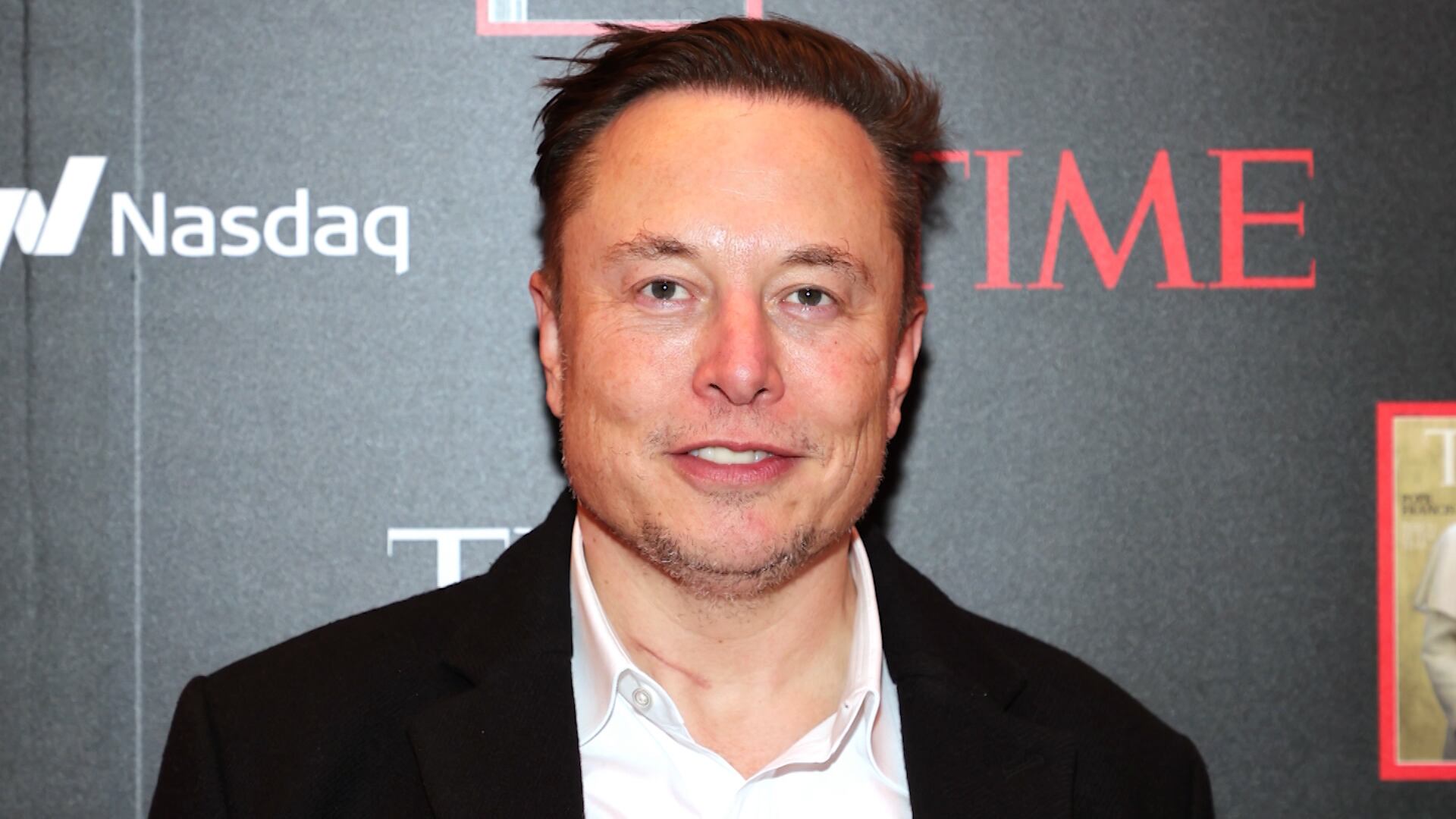
Catching you up on what you need to know on April 27, 2022, with Tesla stocks absorbing an initial hit following Elon Musk's purchase of Twitter, Russia pausing its natural gas supplies to Poland and Bulgaria, NASA's SpaceX Crew-4 mission taking off, and more.
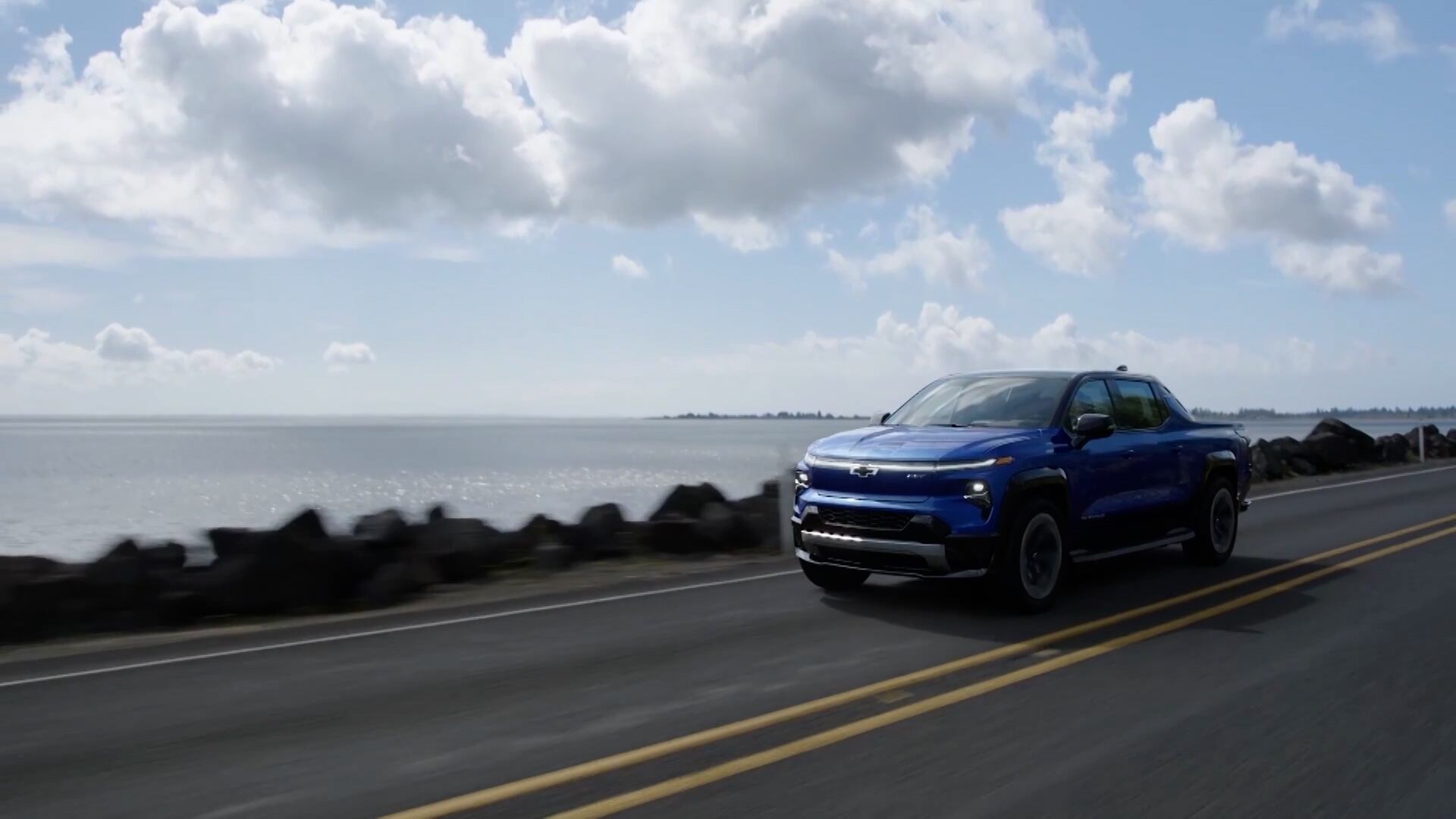
General Motors reported a Q1 net income of $2.9 billion and a raise in their full-year guidance. This comes as the auto giant steps up production of its electric vehicles amid production headwinds. Paul Jacobson joined Cheddar News to talk about the earnings report and its ongoing electric vehicle strategy. "One of the things I'm most proud of is the fact that we're continuing to lean in and accelerate on our electric vehicle journey," he said. "When you think about it, we're going to produce 400,000 vehicles over the next two years by the end of 2023, and we'll have production capabilities up and will produce more than a million vehicles in North America alone in 2025."
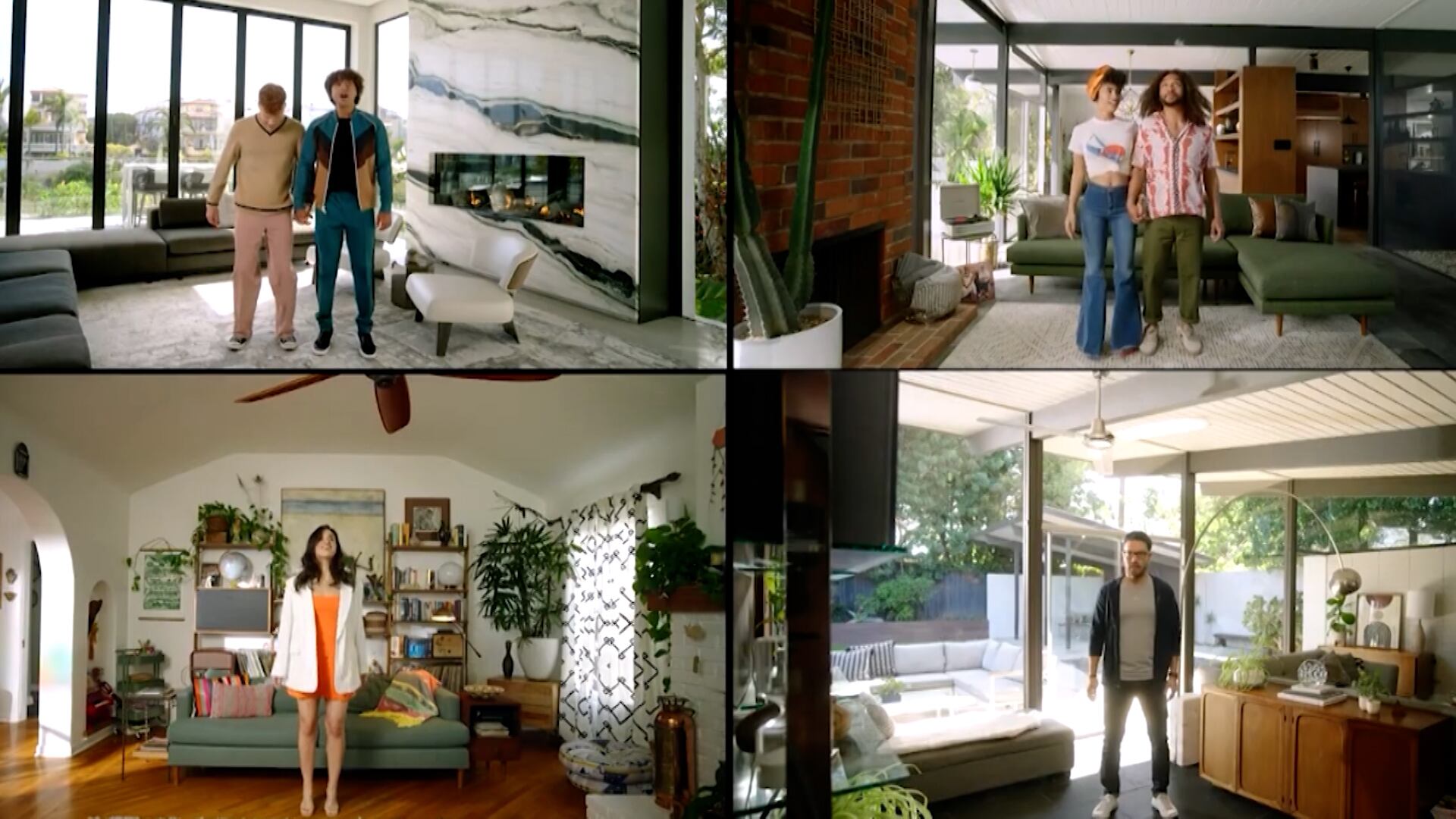
Members-only home swapping network Kindred recently announced its launch alongside a $7.75 million seed round led by Andreessen Horowitz. Homeowners and renters can exchange homes on Kindred's platform, which the company says allows members to travel and take advantage of remote-work flexibility at the fraction of the cost of a hotel or rental home. Justin Palefsky and Tas Amina, co-founders of Kindred, join Cheddar News' Closing Bell to discuss.
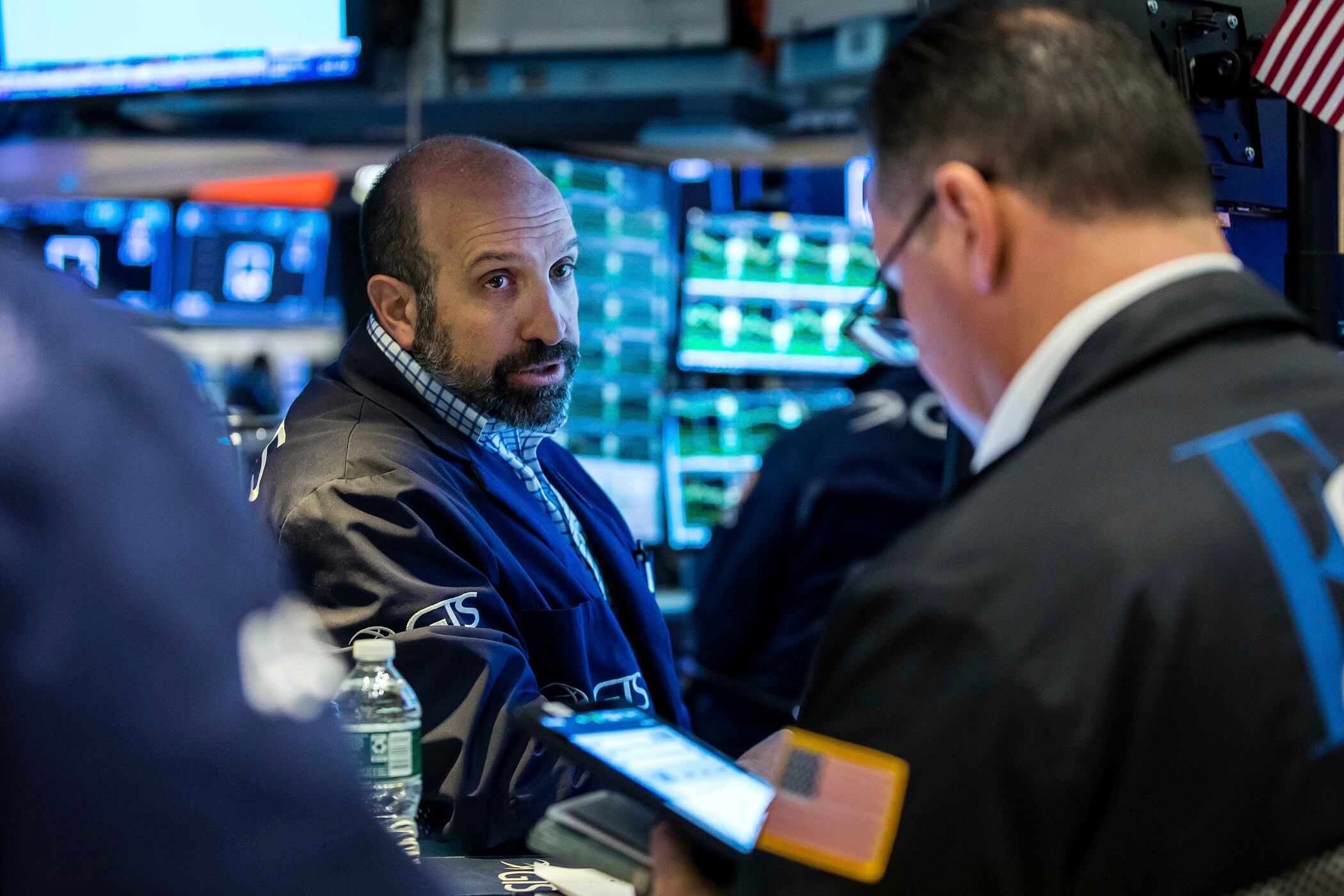
Despite Elon Musk making the deal to buy Twitter, it's still unclear as to what all of his plans might be for it. Tesla’s stock dropped on Tuesday, potentially due to concerns over what the situation might mean for the EV maker going forward. Hatem Dhiab, a managing partner at Gerber Kawasaki Wealth & Investment Management, and Bruce Goldfarb, the president and CEO of Okapi Partners, joined Cheddar News to talk about the ramifications of the acquisition for both Tesla and Twitter stockholders. "I think people are scared because the deal has some leverage that's tied to Tesla stock, and people are worried that maybe Elon will sell some of his stock," Dhiab said about the purchase. "But I don't think that that's likely."
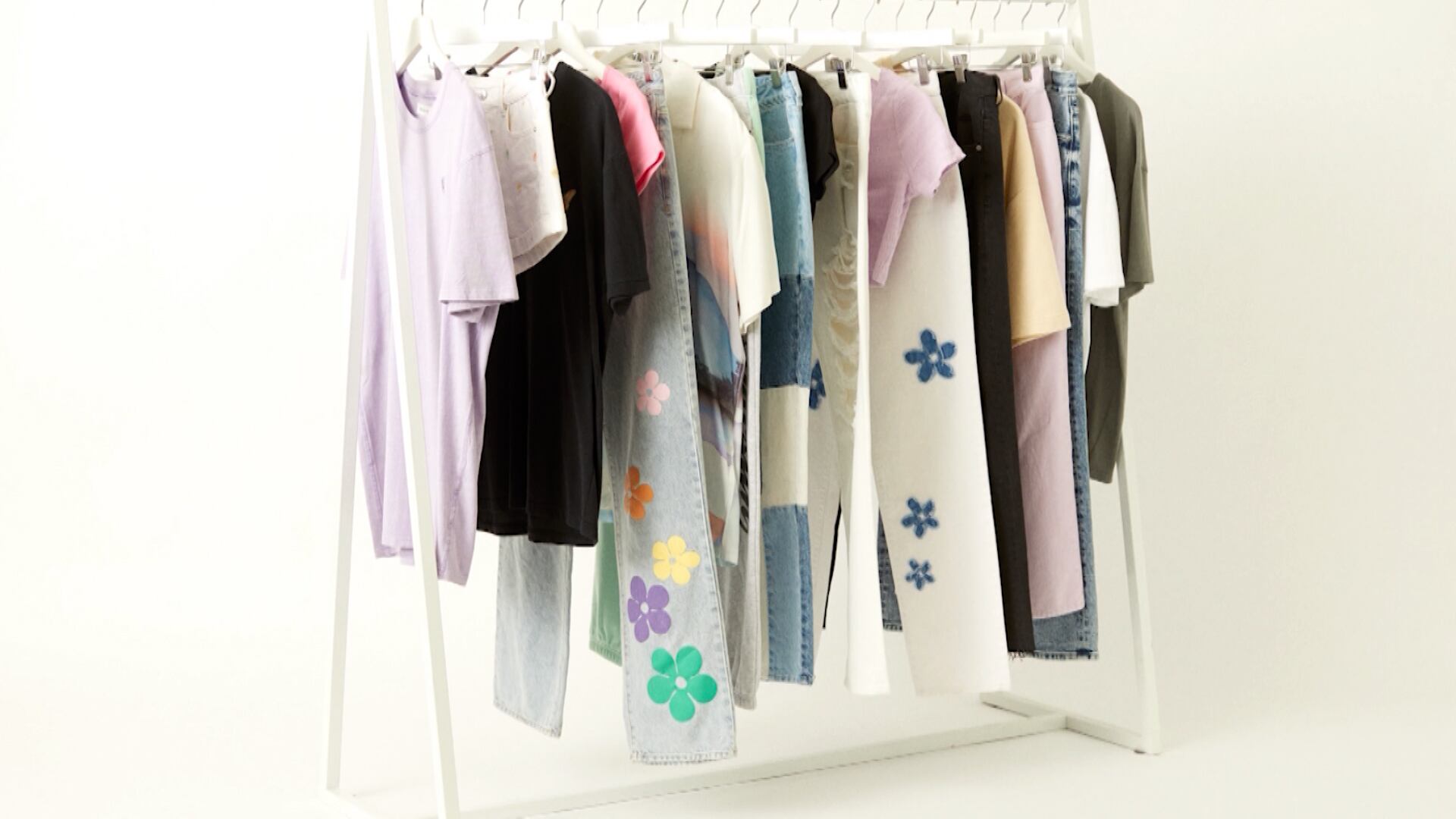
Clothing brand PacSun and online thrift retailer thredUP are partnering up for "Pre-Loved Pac," a 360-resale program allowing PacSun customers to clean out their closets for credit and shop for gently used clothing directly through PacSun's website. Pacsun co-CEO Alfred Chang and thredUP CEO James Reinhart joined Cheddar News to talk about their collaboration. "The latest research shows that over 50 percent of this generation has engaged in either selling or purchasing something at resale," Chang said. "It's important to them and it's important obviously to the world in terms of what we can do in terms of recycling clothes."
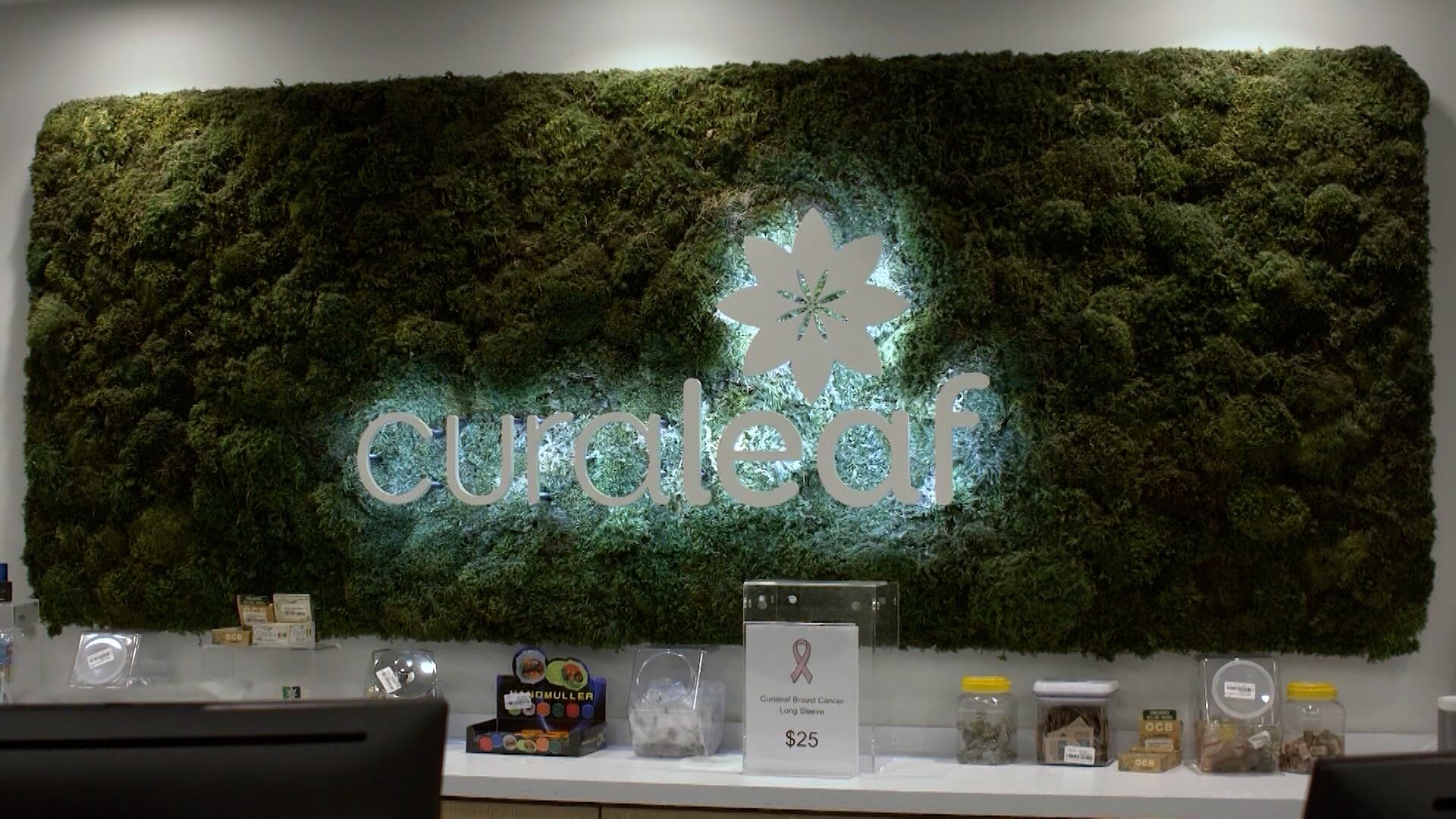
New Jersey has legalized recreational marijuana. The state missed cannabis holiday 4/20 by just a day. Cannabis giant Curaleaf operates three dispensaries in New Jersey. The company's CEO Joe Bayern joins Cheddar to recap the big day.