While the coronavirus pandemic forced many media companies to slow down production and forced athletics to grind to a halt, Barstool Sports adapted and CEO Erika Nardini says the company was able to capitalize on a slew of non-sports-related content.
Now Barstool Sports' priority is to show buyers at the company's first appearance at the NewFronts marketing conference that it can still be profitable even without the return of North American pro leagues.
"We wanted to show, not only the showcasing of what we're creating -- so, all of the brands we're developing and running -- but also how we're performing for advertisers," she said.
Barstool's success during the shutdowns, Nardini explained, is not only attributable to the team's ability to "create content that's authentic" but also its commitment to creating content that fans want to engage with.
"We're building some of, if not, the very biggest brands on the internet," she said. "I think that during quarantine, most media companies stopped making content. They either had production challenges, they weren't able to gather in studios. We took the opposite approach."
Barstool's growth on social media platforms like TikTok and Instagram has also allowed the company's "brands the ability to play ball with those audiences" where they otherwise might not have had access, according to the CEO.
"Every single brand that's created at Barstool is programmed and produced for the internet, which means that we naturally attract what you would call 'young viewers,'" she said.
Even with the success of the non-sports content, Nardini said the company will not abandon its newfound format despite the imminent return of the pros, but will instead marry the new content with Barstool's core programs.
"What we've found is when you have eyes for the internet, and you're making content for the internet, that stuff can last," she noted.
In honor of Earth Day, Peter Krull, Founder and CEO of Earth Equity Advisors, joined Cheddar's Opening Bell to discuss how we can keep corporations accountable to their climate change promises. He argued the recent focus on ESGs and sustainable investing in some ways "has made it easier and more accessible to folks, but it's also made it easier for companies to be misleading in how they portray themselves."
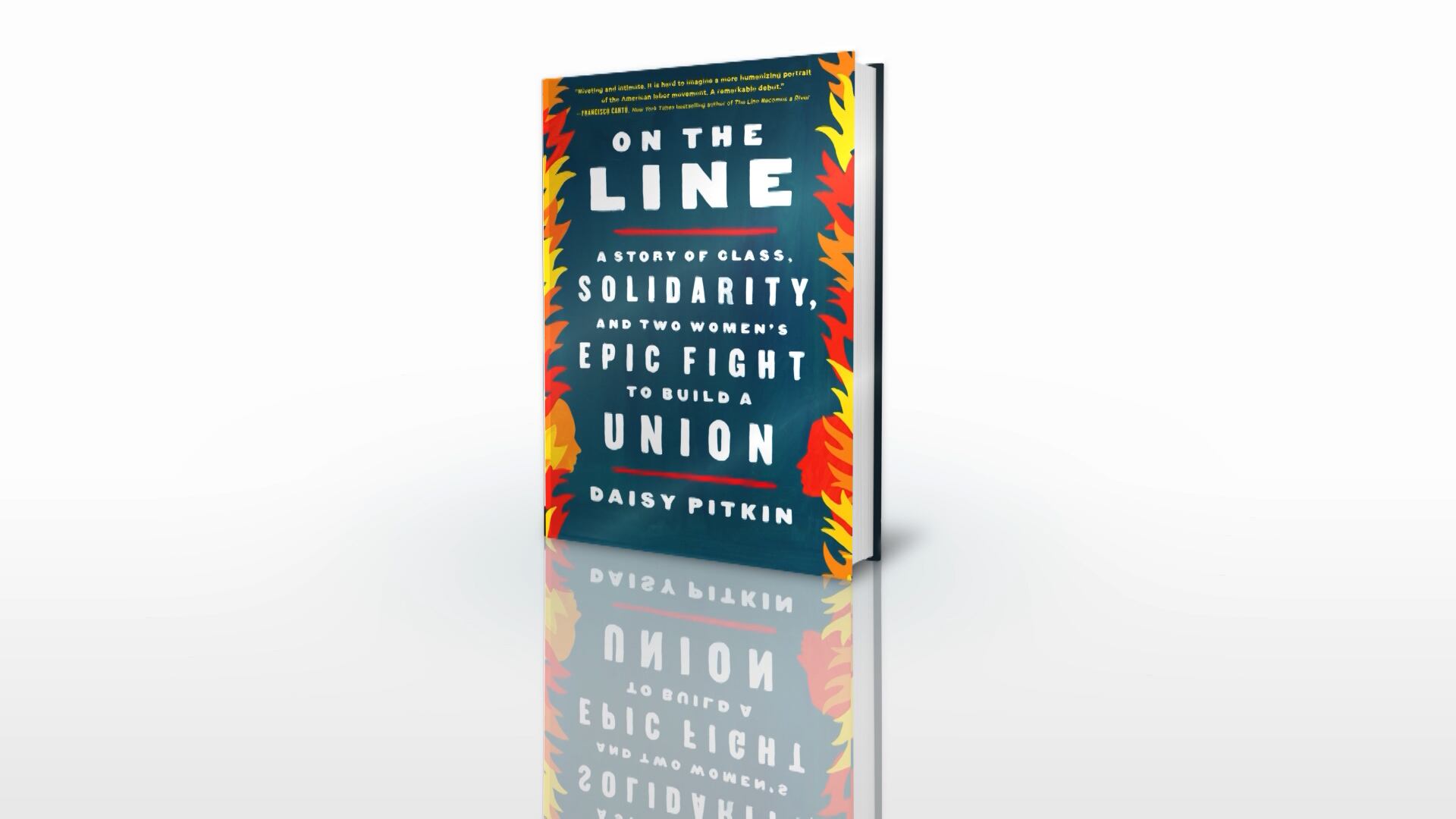
Daisy Pitkin, author of "On The Line: A Story of Class, Solidarity, and Two Women's Epic Fight to Build a Union," joined Cheddar's Opening Bell to discuss her work as a union organizer at Workers United, helping Starbucks workers to organize. Pitkin expressed her enthusiasm for the recent labor push across the country, and explained how the movement can gain even more momentum in the future.
Lance Ippolito, Head Trader at the Future of Wealth, talks about the investor concerns leading to Big Tech earnings and how the shift in consumer buying habits may signal weakness for the overall market.
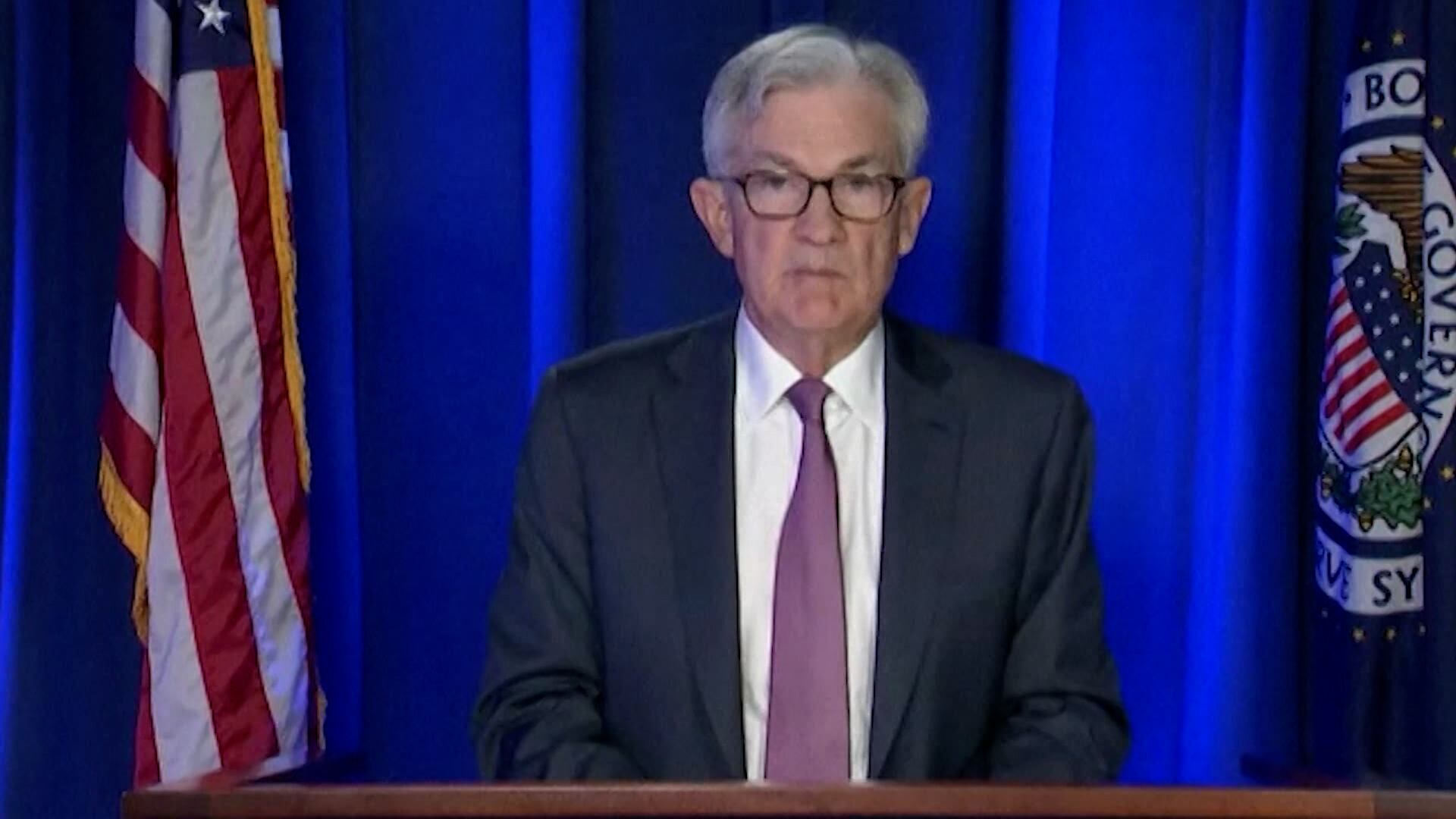
Brian Shepardson, VP & Senior Portfolio Manager at James Investments, discusses the takeaways from this week's earnings and forecasts market reaction as Fed Chair Powell signals a 50-basis point hike in May.
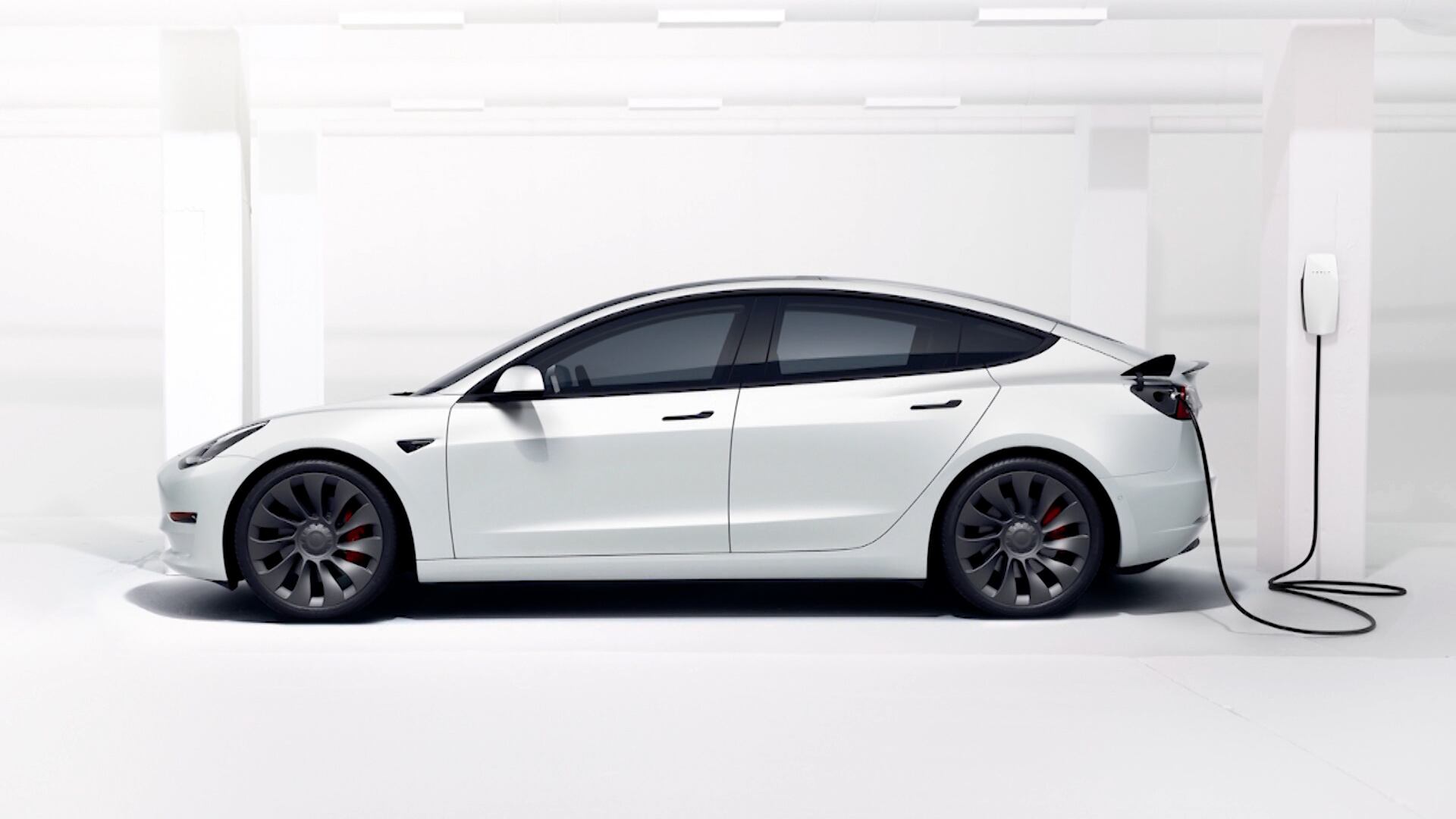
Patrick Healey, President & Chief Investment Officer at Caliber Financial Partners, breaks down Tesla's blowout earnings report and highlights the challenges the Fed will face if interest rate hikes are front-loaded.
Debra Aho Williamson, Principal Analyst for Insider Intelligence, breaks down the details of Elon's Twitter buyout and highlights concerns over regulating Big tech.
Florida Governor Ron DeSantis has signed into law a bill that strips Disney World of its special self-governing status. This came after Disney spoke out against Florida's so-called “Don’t Say Gay” bill, some saying in retaliation of that. Ben Means, Professor of Law and the John T. Campbell Chair in Business and Professional Ethics at the University of South Carolina School of Law, breaks down how the new law might impact Disney’s business moving forward.