While the coronavirus pandemic forced many media companies to slow down production and forced athletics to grind to a halt, Barstool Sports adapted and CEO Erika Nardini says the company was able to capitalize on a slew of non-sports-related content.
Now Barstool Sports' priority is to show buyers at the company's first appearance at the NewFronts marketing conference that it can still be profitable even without the return of North American pro leagues.
"We wanted to show, not only the showcasing of what we're creating -- so, all of the brands we're developing and running -- but also how we're performing for advertisers," she said.
Barstool's success during the shutdowns, Nardini explained, is not only attributable to the team's ability to "create content that's authentic" but also its commitment to creating content that fans want to engage with.
"We're building some of, if not, the very biggest brands on the internet," she said. "I think that during quarantine, most media companies stopped making content. They either had production challenges, they weren't able to gather in studios. We took the opposite approach."
Barstool's growth on social media platforms like TikTok and Instagram has also allowed the company's "brands the ability to play ball with those audiences" where they otherwise might not have had access, according to the CEO.
"Every single brand that's created at Barstool is programmed and produced for the internet, which means that we naturally attract what you would call 'young viewers,'" she said.
Even with the success of the non-sports content, Nardini said the company will not abandon its newfound format despite the imminent return of the pros, but will instead marry the new content with Barstool's core programs.
"What we've found is when you have eyes for the internet, and you're making content for the internet, that stuff can last," she noted.
With National Infertility Awareness Week underway, the fertility and family-building benefits provider for employers, Kindbody, is looking to make a full suite of treatments and care accessible — including for LGBTQ+ patients. Founder and chairwoman Gina Bartasi joined Cheddar's Opening Bell to talk about the importance of infertility awareness, what role employers play in offering benefits, and how to remove the stigma around the fertility conversation. "We have to talk about the patient holistically, not just fertility services, but what can we do from a mental health standpoint to support patients," she said. "Most patients talk about fertility being more stressful than divorce, infertility being more prevalent than cancer or diabetes. So it is our mission, remains our mission, to elevate awareness around infertility, not just [during] National Infertility Awareness Week."
With a constrained supply of housing in the most desirable markets, home prices have risen nearly 20 percent year-over-year in February. David O’Reilly, CEO of Howard Hughes Corporation, joined Cheddar News to talk about where people are migrating to, and away from, leading to red hot real estate. "We see clearly the most demand is going into those states that I would define as warmer and less expensive, those secondary cities like Houston, Phoenix, and Las Vegas, where individuals are trading in higher traffic and lower quality of life for more affordability," he said. O'Reilly pointed to urban centers in the Northeast and West Coast as seeing the most losses in residents.
Social media giants including Twitter, Meta, Alphabet, and Pinterest all report earnings this week, and there's plenty to keep an eye on. One big earnings report to watch will be Twitter's, after the company today accepted Tesla CEO Elon Musk's $44 billion bid to take the company private. Investors will also be keeping an eye on ad revenue, user numbers, and more when it comes to Meta's social media networks like Facebook and Instagram. Ted Mortonson, technology strategist at Baird, joins Closing Bell to discuss Musk's Twitter takeover, how Apple's iOS privacy change could continue to impact ad revenue, and more.
Brian Moody, Executive Editor at Autotrader, joined Closing Bell's Ken Buffa to look ahead at what to expect from legacy automakers GM and Ford, as the auto industry attempts to navigate a combination of issues, including supply chain constraints and rising interest rates.
U.S. stocks fell sharply to close Tuesday's session, with the Nasdaq dropping 3.95% and hitting a new one-year low. Frances Newton Stacy, Director of Strategy for Optimal Capital, joins Cheddar News to discuss her reaction to how markets closed the session, and to break down Q3 2022 earnings from Microsoft. "Netflix was sort of the big warning, and I think Big Tech was down today in anticipation of these earnings," she says.
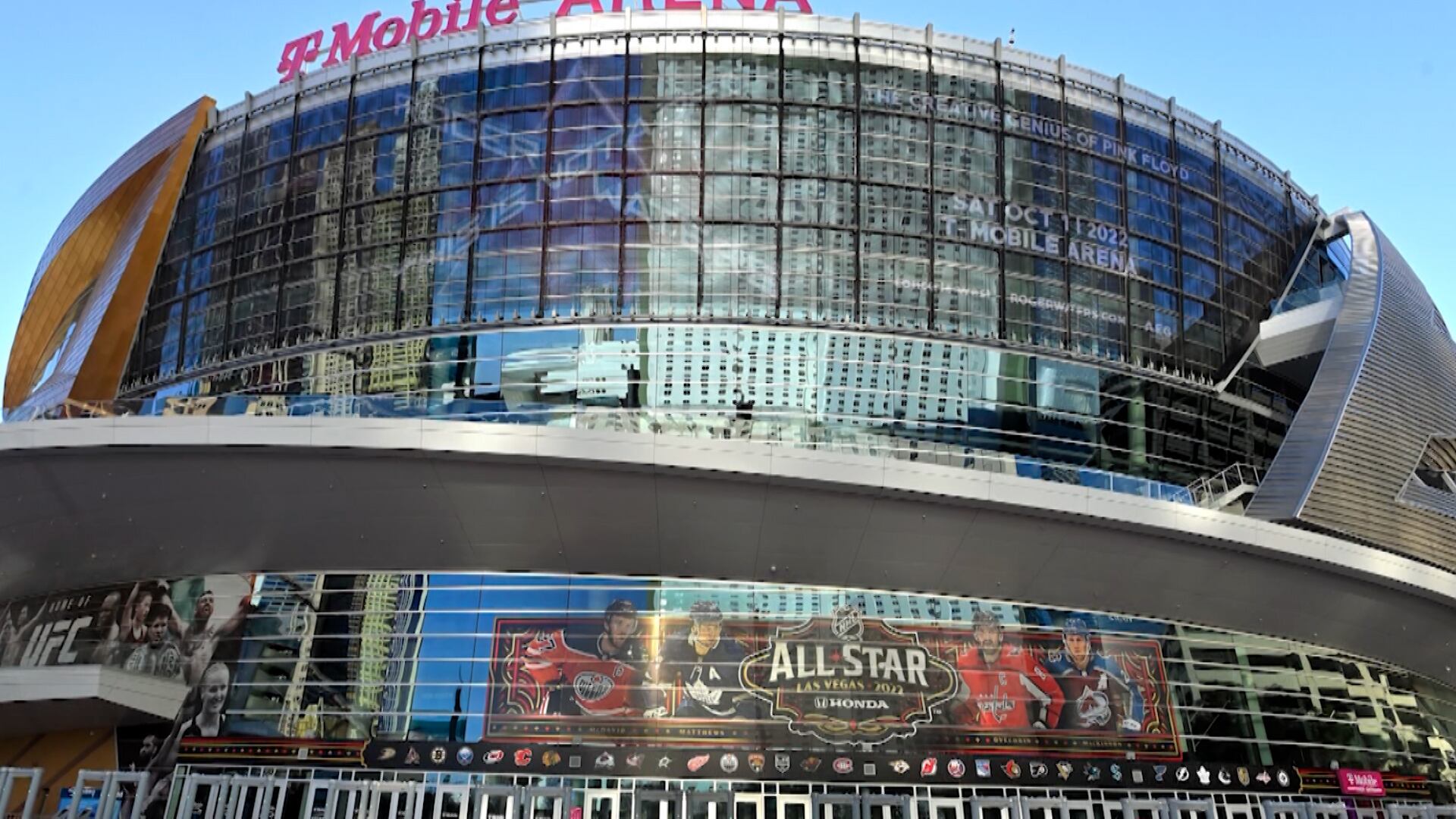
Ryan Glasspiegel, sports and entertainment reporter for the New York Post, explains why we're seeing teams and leagues gravitate towards Las Vegas, and sheds light on the recent report that Amazon is pushing for a Black Friday NFL game.
With Netflix losing 200,000 subscribers in one quarter, and CNN+ shutting down just weeks after launch, the streaming industry is in a place of uncertainty. Hundreds of people who once thought they had steady jobs now face potential unemployment as streamers figure out how to navigate the constantly changing landscape. Greg Martin, co-founder of Rainmaker Securities, joined Cheddar's Opening Bell to discuss the state of streaming, its troubles, and how its impacting hundreds of workers.
Lance Ippolito, Head Trader at the Future Of Wealth, breaks down the most significant headwinds facing big tech and highlights how companies will fair amid high inflation.