While the coronavirus pandemic forced many media companies to slow down production and forced athletics to grind to a halt, Barstool Sports adapted and CEO Erika Nardini says the company was able to capitalize on a slew of non-sports-related content.
Now Barstool Sports' priority is to show buyers at the company's first appearance at the NewFronts marketing conference that it can still be profitable even without the return of North American pro leagues.
"We wanted to show, not only the showcasing of what we're creating -- so, all of the brands we're developing and running -- but also how we're performing for advertisers," she said.
Barstool's success during the shutdowns, Nardini explained, is not only attributable to the team's ability to "create content that's authentic" but also its commitment to creating content that fans want to engage with.
"We're building some of, if not, the very biggest brands on the internet," she said. "I think that during quarantine, most media companies stopped making content. They either had production challenges, they weren't able to gather in studios. We took the opposite approach."
Barstool's growth on social media platforms like TikTok and Instagram has also allowed the company's "brands the ability to play ball with those audiences" where they otherwise might not have had access, according to the CEO.
"Every single brand that's created at Barstool is programmed and produced for the internet, which means that we naturally attract what you would call 'young viewers,'" she said.
Even with the success of the non-sports content, Nardini said the company will not abandon its newfound format despite the imminent return of the pros, but will instead marry the new content with Barstool's core programs.
"What we've found is when you have eyes for the internet, and you're making content for the internet, that stuff can last," she noted.
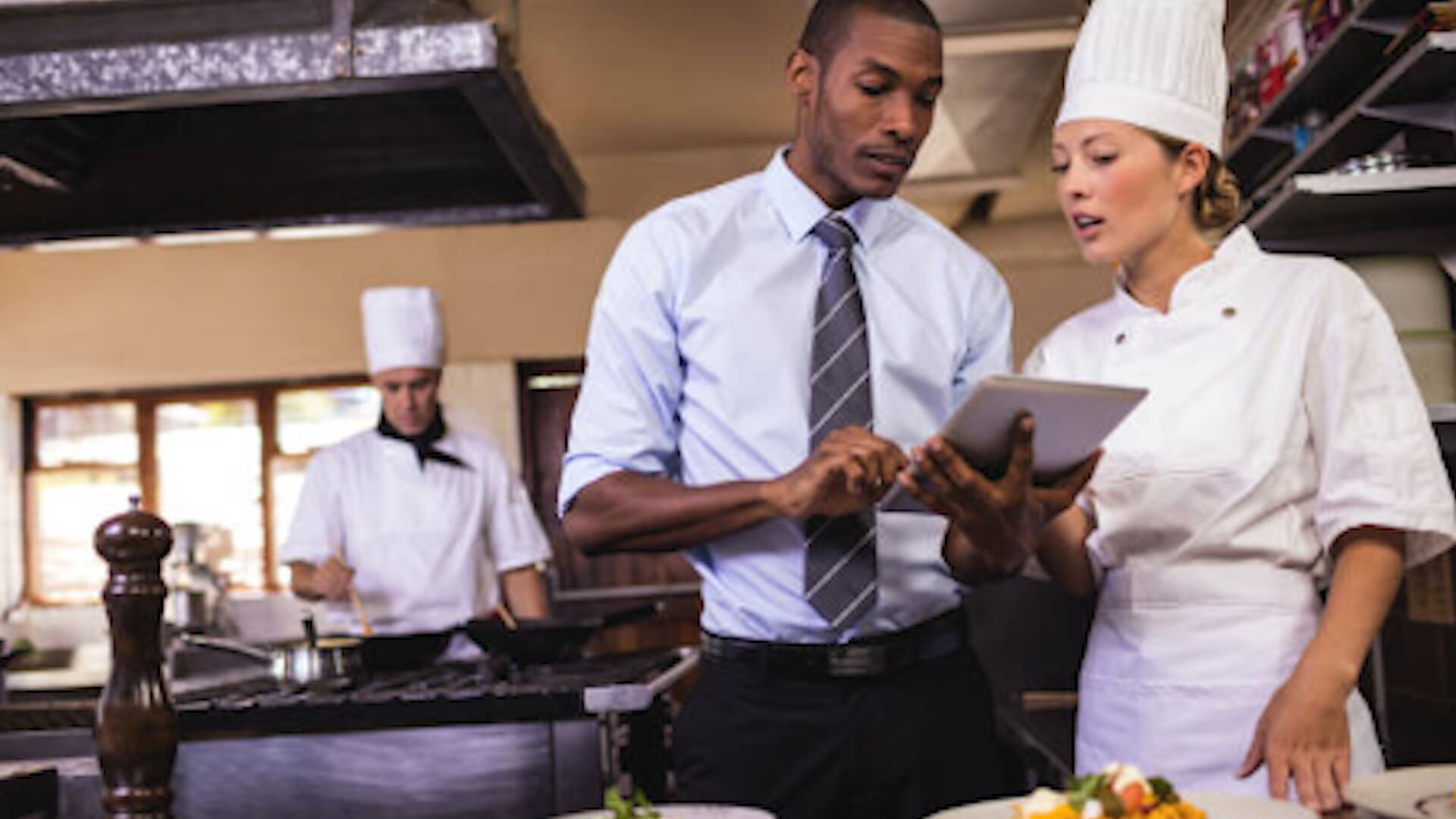
Bill Bellissimo, CEO of Crunchtime, joins Cheddar to break down how he's guiding the food, service, and hospitality industries through the labor crisis with software and technological solutions.
On this episode of On the Job, VP, Assistant General Counsel, ADP, joins Cheddar to discuss how to successfully find and cultivate a mentor-mentee relationship.
On this episode of On the Job, Meg Ferrero, VP, Assistant General Counsel, ADP, discusses how to successfully find and cultivate a mentor-mentee relationship; Bill Bellissimo, CEO of Crunchtime, breaks down how he's guiding the food and hospitality industry through the labor crisis with software and technological solutions; Senior Reporter Chloe Aiello gets a first-person look at how Brooklyn Dumpling house is updating an old-school idea to revolutionize how they do business.
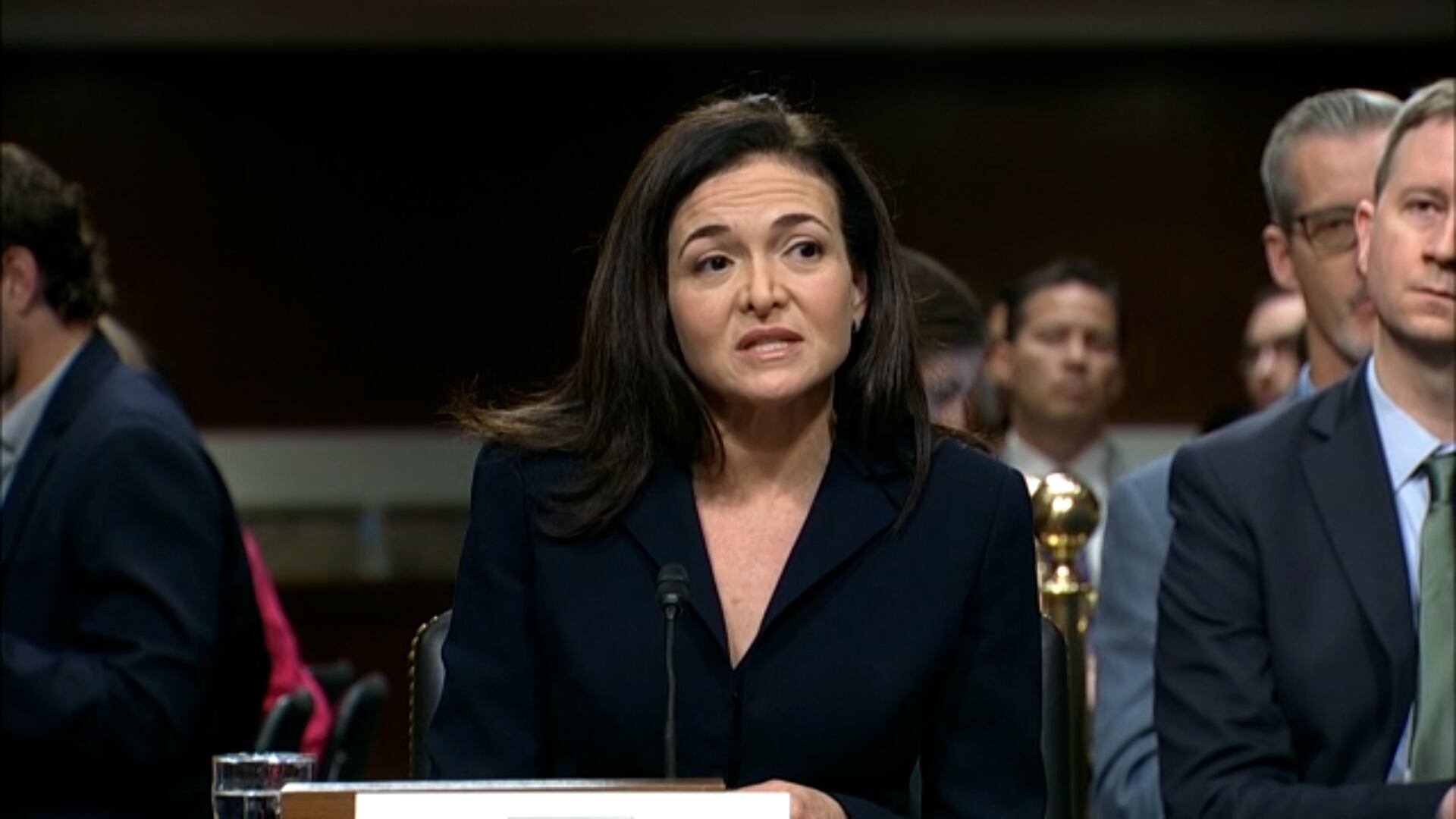
Sheryl Sandberg is stepping down as Chief Operating Officer of Facebook's parent company Meta. After 14 years at a company she helped transform from a little-known social media website into one of the most powerful tech giants in the world, Sandberg announced she's leaving to spend more time with her family and focus on her philanthropic work. Evan Nierman, CEO of Red Banyan Crisis PR and author of Crisis Averted, joined Cheddar to discuss Sandberg's legacy at Facebook, her impact on women in the workplace, and what we can expect to see from her in the future.
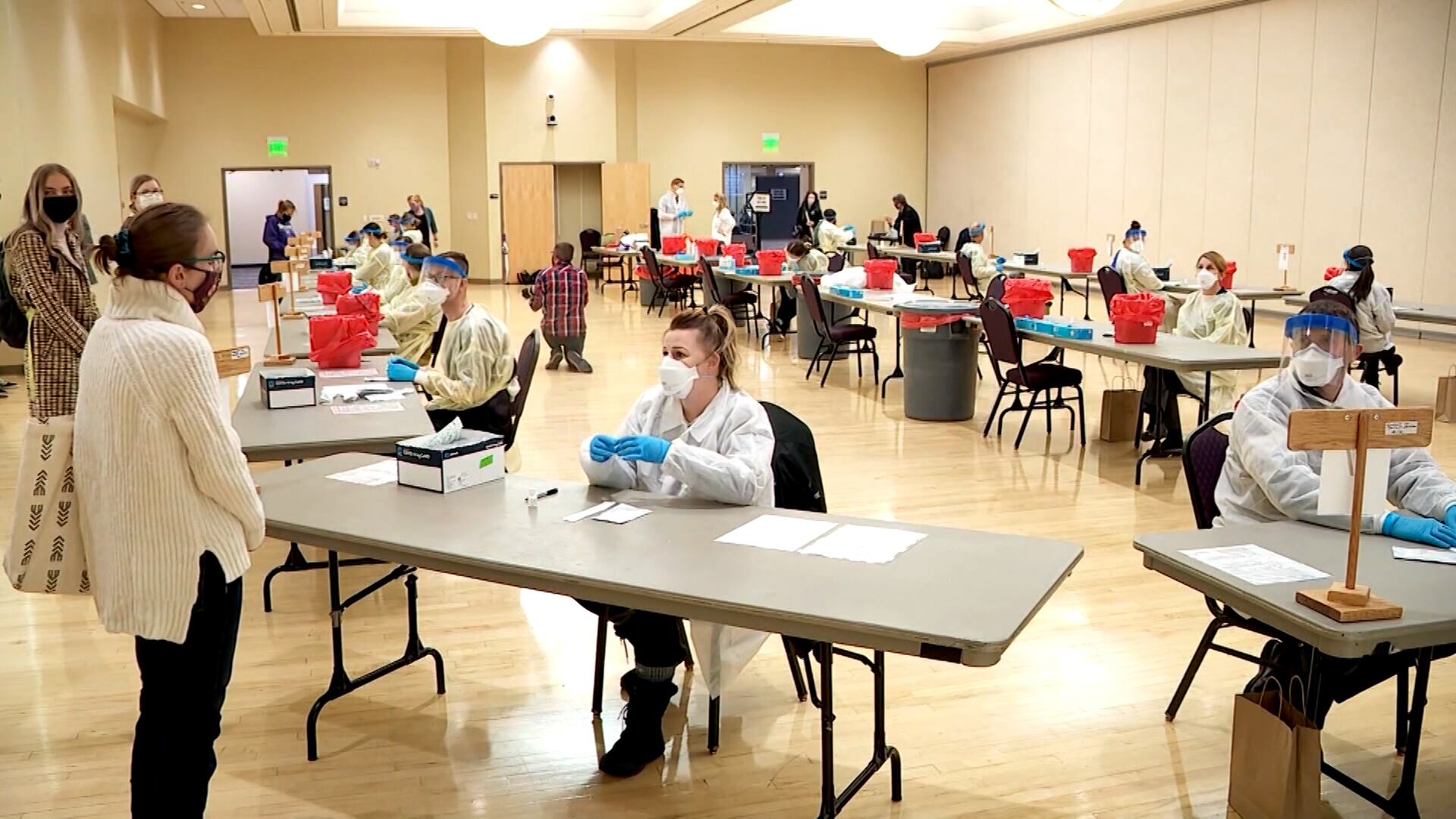
Gov. Daniel McKee breaks down the economic benefits of having a COVID 'test-to-treat' clinic in the state and shares his take on how to quell gun violence in the U.S.
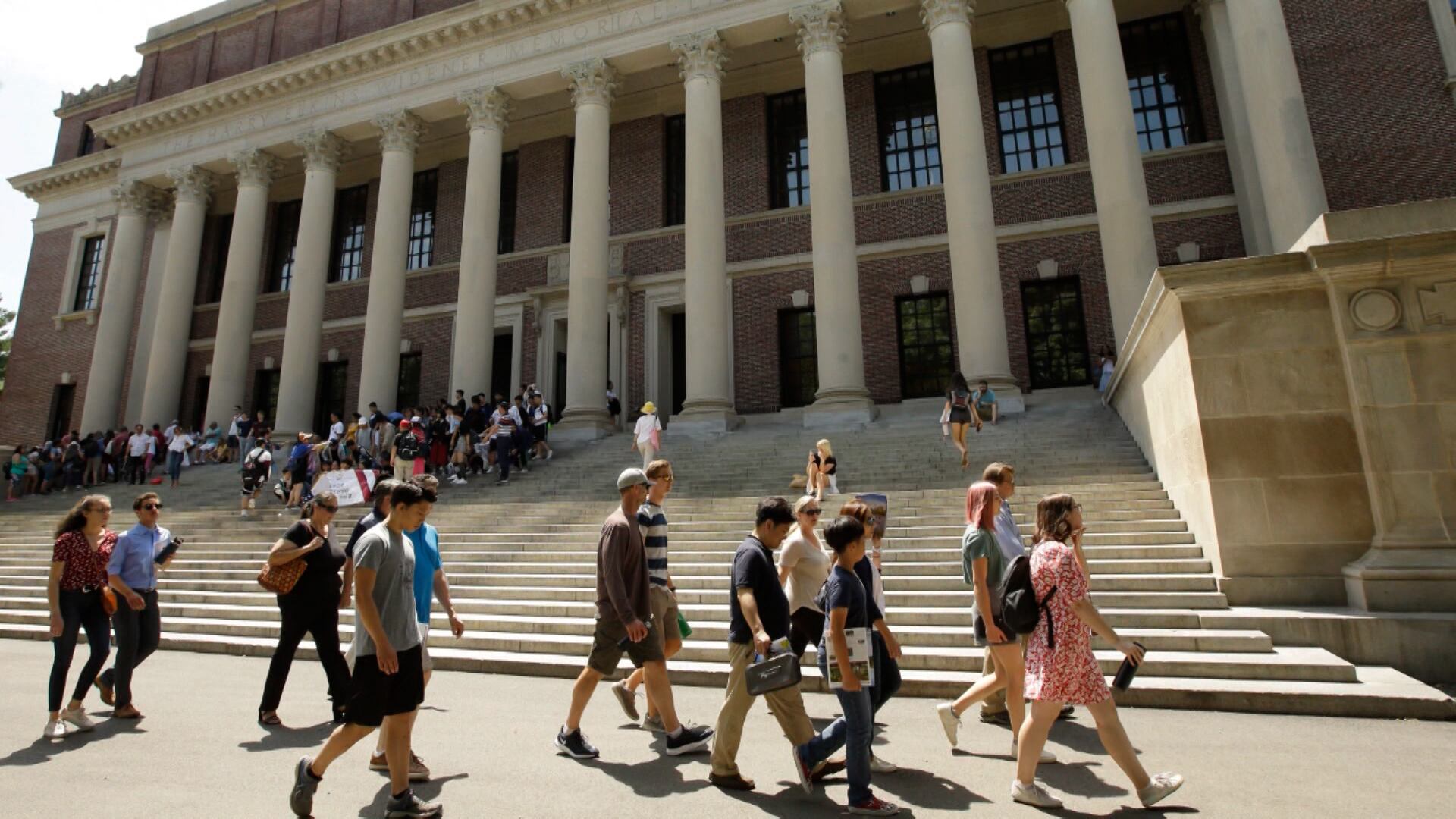
Jonathan Fansmith, Asst. VP of Government Relations at American Council on Education, talks about the factors attributing to lower college enrolments and what institutes are doing to incentive attendees.
Scammers are cashing in on the crypto craze. According to a new report from the FTD, fraudsters have stolen more than $1 billion in crypto from 46,000 people since 2021. That's $1 out of every $4 reported lost to scammers paid in cryptocurrency, more than any other payment method. Chris Pierson, the founder and CEO of BlackCloak, gives tips on how to protect yourself from scammers.
Inflation is forcing many Americans to put their retirement plans on hold. According to a new survey from BMO Harris Bank, 25% of people will need to delay their retirement because of rising prices, and 21% of respondents are saving less money for retirement to keep up with the growing costs. Paul Dilda, Head of Consumer Strategy at BMO Harris Bank, breaks down the survey and gives some tips on how to keep up with rising prices.
The labor market continues to be hot, with job openings at record highs and jobless claims dropping by the thousands. While that's good news for workers, experts say it can add to inflation risks and make the Fed's job even harder when it comes to cooling inflation. José Torres, Senior Economist at Interactive Brokers, breaks down what a tight labor market means for the economy.
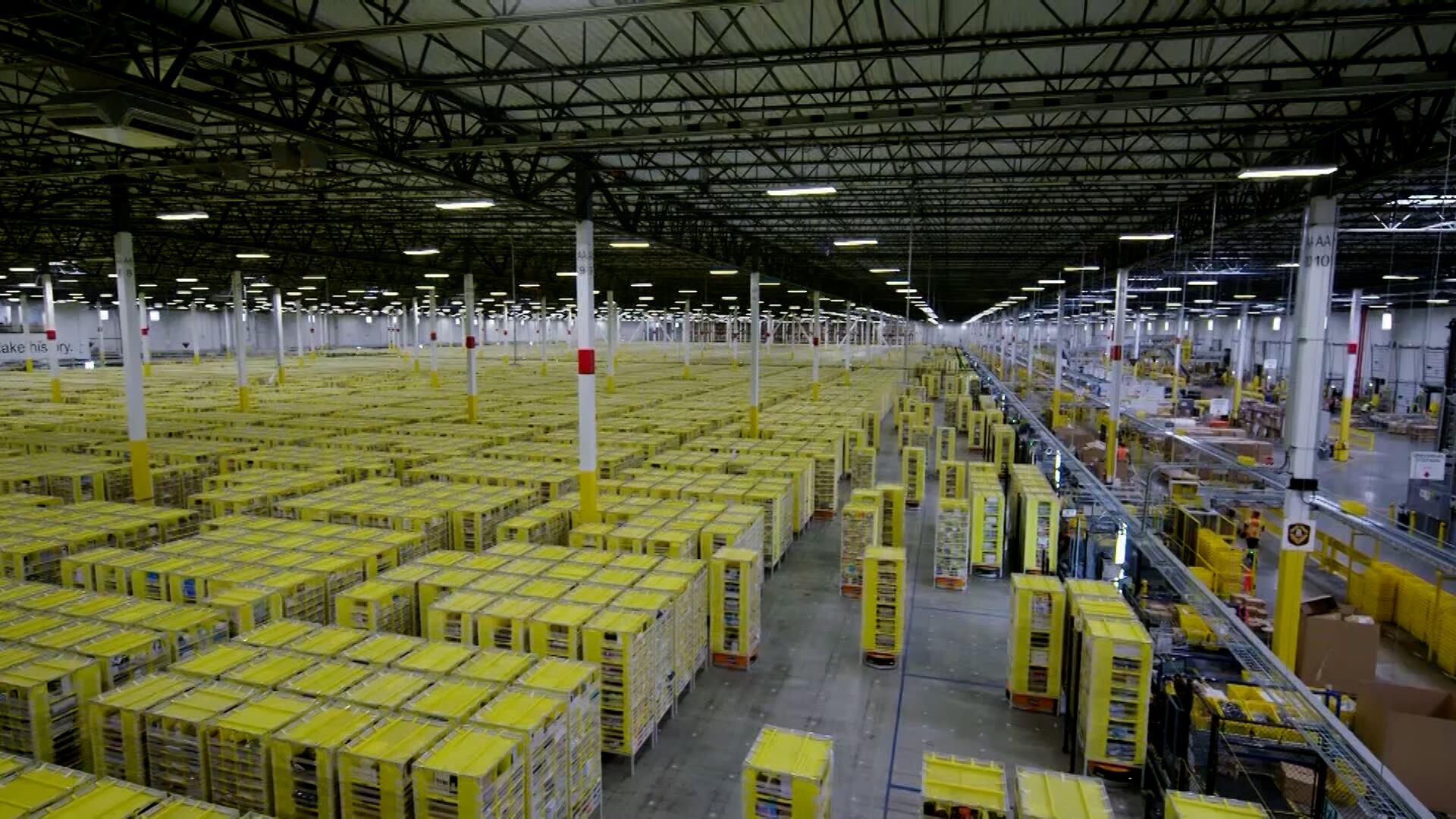
Amazon's stock split officially takes effect today. It's a 20-for-1 split, meaning if you own one share of the e-commerce giant, you'll have 20 shares after the split, with each costing about 1/20th of the previous price. Jeff Zananiri, the head trading strategist at Joy of the Trade, breaks down what the stock split means for investors.