While the coronavirus pandemic forced many media companies to slow down production and forced athletics to grind to a halt, Barstool Sports adapted and CEO Erika Nardini says the company was able to capitalize on a slew of non-sports-related content.
Now Barstool Sports' priority is to show buyers at the company's first appearance at the NewFronts marketing conference that it can still be profitable even without the return of North American pro leagues.
"We wanted to show, not only the showcasing of what we're creating -- so, all of the brands we're developing and running -- but also how we're performing for advertisers," she said.
Barstool's success during the shutdowns, Nardini explained, is not only attributable to the team's ability to "create content that's authentic" but also its commitment to creating content that fans want to engage with.
"We're building some of, if not, the very biggest brands on the internet," she said. "I think that during quarantine, most media companies stopped making content. They either had production challenges, they weren't able to gather in studios. We took the opposite approach."
Barstool's growth on social media platforms like TikTok and Instagram has also allowed the company's "brands the ability to play ball with those audiences" where they otherwise might not have had access, according to the CEO.
"Every single brand that's created at Barstool is programmed and produced for the internet, which means that we naturally attract what you would call 'young viewers,'" she said.
Even with the success of the non-sports content, Nardini said the company will not abandon its newfound format despite the imminent return of the pros, but will instead marry the new content with Barstool's core programs.
"What we've found is when you have eyes for the internet, and you're making content for the internet, that stuff can last," she noted.
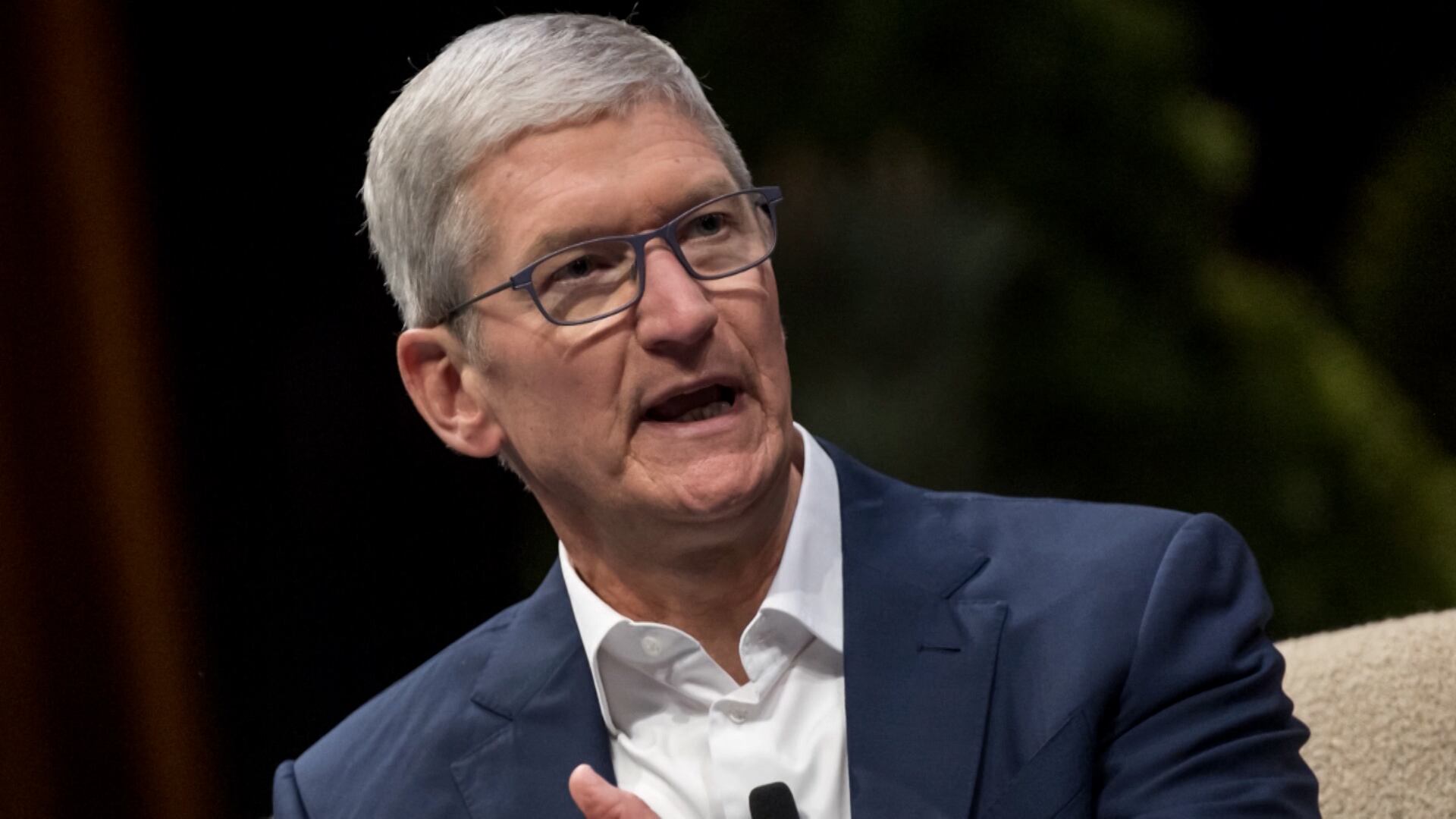
Hatem Dhiab, Managing Partner at Gerber Kawasaki, explains how investors can pick up clues on the tech giant's direction by honing in on new offerings like Apply Pay Later and a pair of new MacBook computers.
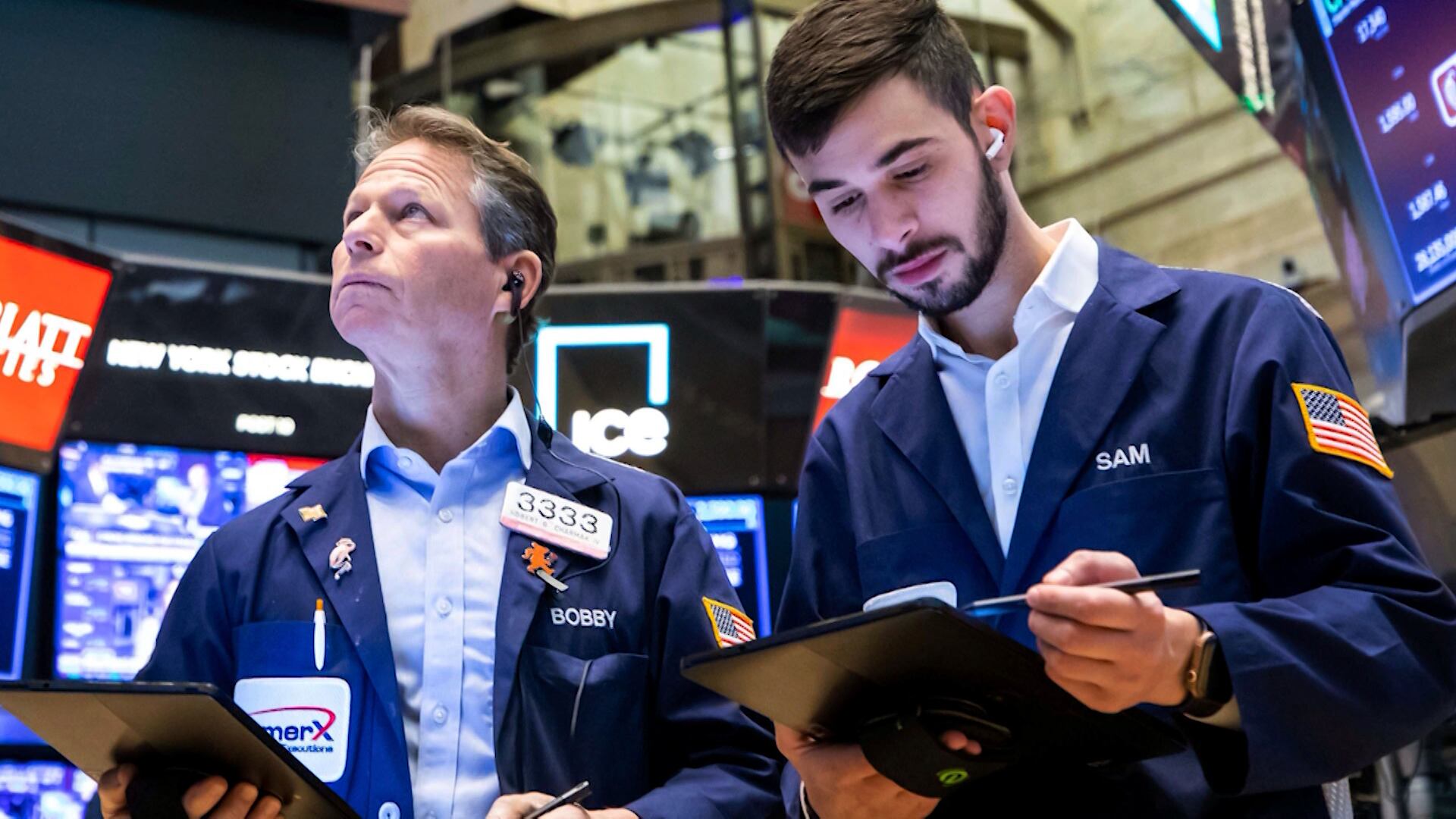
U.S. stocks close Monday's session slight higher Monday as investors continue to monitor whether the economy will successfully avoid a recession. For many, fears over inflation and rising interest rates. Tommy Mancuso, president and co-founder of the Bad Investment Company, joins Cheddar News' Closing Bell to discuss.
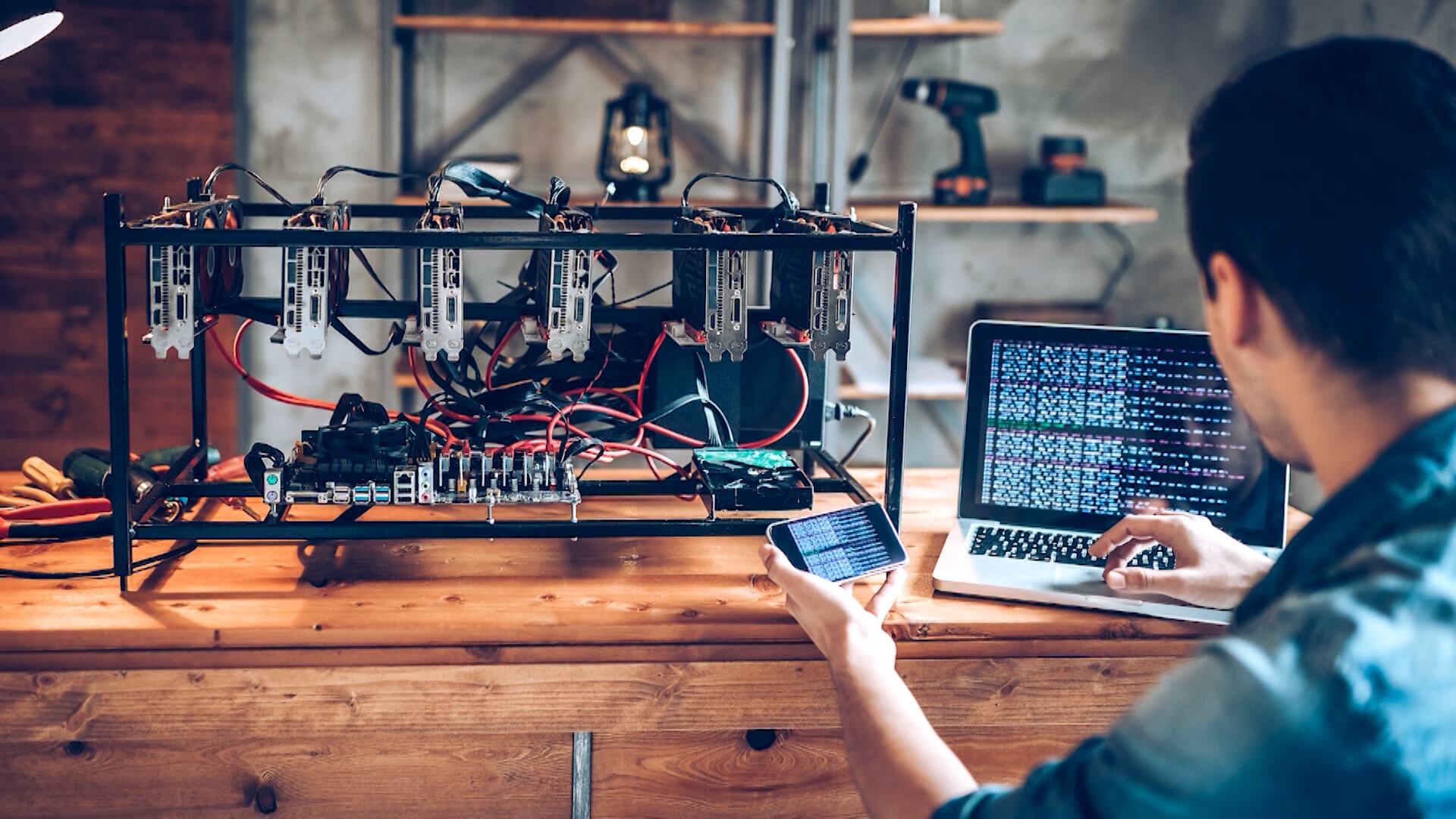
Alex Adelman, CEO and Co-Founder of bitcoin rewards platform Lolli, joins Cheddar News' Closing Bell, where he says that 'incompetent, lazy politics' are behind the push for a crypto mining bill that would implement a two-year moratorium on digital currency mining at fossil fuel power plants in New York. Adelman also explains why this action is contributing to crypto miners leaving the state.
Babylist is an online baby registry for expecting and new parents, who can use the platform to share what they would like to receive as gifts to celebrate their baby's birth. The company also operates as an e-commerce and content platform for baby products, saying it aims to be a one-stop solution for parents, family, and friends to buy best-in-class baby products at what is a critical and deeply personal moment in their lives. Natalie Gordon, founder and CEO of Babylist. joins Cheddar News' Closing Bell to discuss.
One of the hottest stocks in the news, not for its price but mostly due to its maybe pending acquisition by Elon Musk, is Twitter. Cheddar's Ken Buffa goes in-depth into why the trials and tribulations of the social media platform, currently being accused by the Musk of holding back information on spam accounts, make it the stock of the day.
Apple's Worldwide Developers Conference on Monday provided announced updates for iOS 16, edits to iMessages, an “ApplePay Later” plan, which will allow users to stretch out their payments over four weeks, and new Macbooks. However, the anticipated news for realityOS, software for an augmented and virtual reality headset, did not make the cut. Cheddar News anchor Michelle Castillo had all the details about what to expect from tech giant.
Amazon recently put into effect a 20-1 stock split, but what exactly does that mean? Cheddar News anchors Kristen Scholer and Ken Buffa take a deep dive into the reasons why the e-commerce giant might have decided to split its shares, including accessibility, sending a "psychological signal," and improving valuation.
John Coffee, Law Professor at Columbia University, joined Closing Bell to discuss the latest obstacle in Elon Musk's attempted Twitter takeover, as the billionaire claims the company is hiding accurate information about the number of fake accounts on the platform.