While the coronavirus pandemic forced many media companies to slow down production and forced athletics to grind to a halt, Barstool Sports adapted and CEO Erika Nardini says the company was able to capitalize on a slew of non-sports-related content.
Now Barstool Sports' priority is to show buyers at the company's first appearance at the NewFronts marketing conference that it can still be profitable even without the return of North American pro leagues.
"We wanted to show, not only the showcasing of what we're creating -- so, all of the brands we're developing and running -- but also how we're performing for advertisers," she said.
Barstool's success during the shutdowns, Nardini explained, is not only attributable to the team's ability to "create content that's authentic" but also its commitment to creating content that fans want to engage with.
"We're building some of, if not, the very biggest brands on the internet," she said. "I think that during quarantine, most media companies stopped making content. They either had production challenges, they weren't able to gather in studios. We took the opposite approach."
Barstool's growth on social media platforms like TikTok and Instagram has also allowed the company's "brands the ability to play ball with those audiences" where they otherwise might not have had access, according to the CEO.
"Every single brand that's created at Barstool is programmed and produced for the internet, which means that we naturally attract what you would call 'young viewers,'" she said.
Even with the success of the non-sports content, Nardini said the company will not abandon its newfound format despite the imminent return of the pros, but will instead marry the new content with Barstool's core programs.
"What we've found is when you have eyes for the internet, and you're making content for the internet, that stuff can last," she noted.
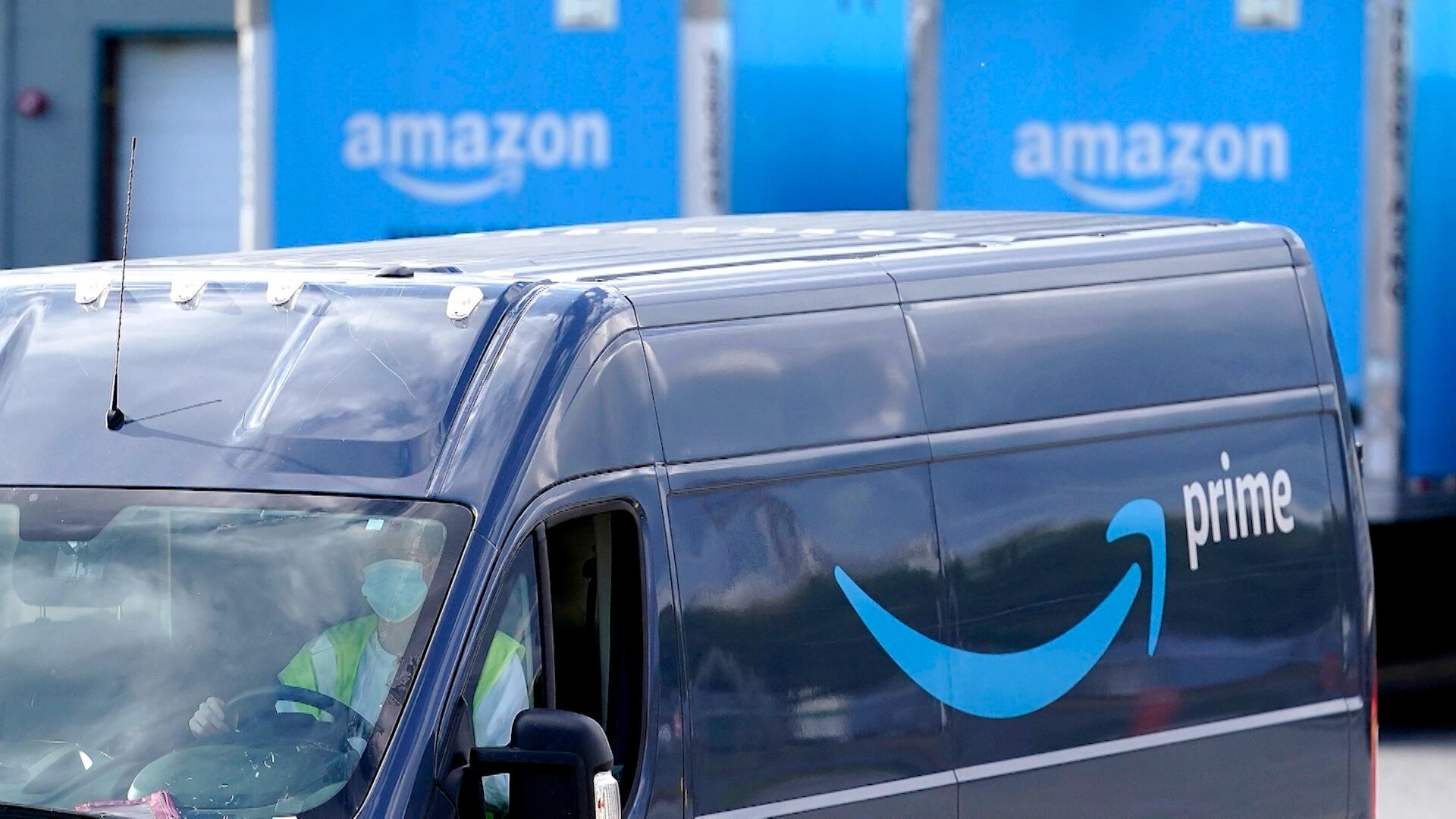
Deren Baker, CEO of Edge by Ascential, previews what to expect from Amazon given supply chain disruptions and discusses why it's important to focus on Amazon's non-retail sector sales.
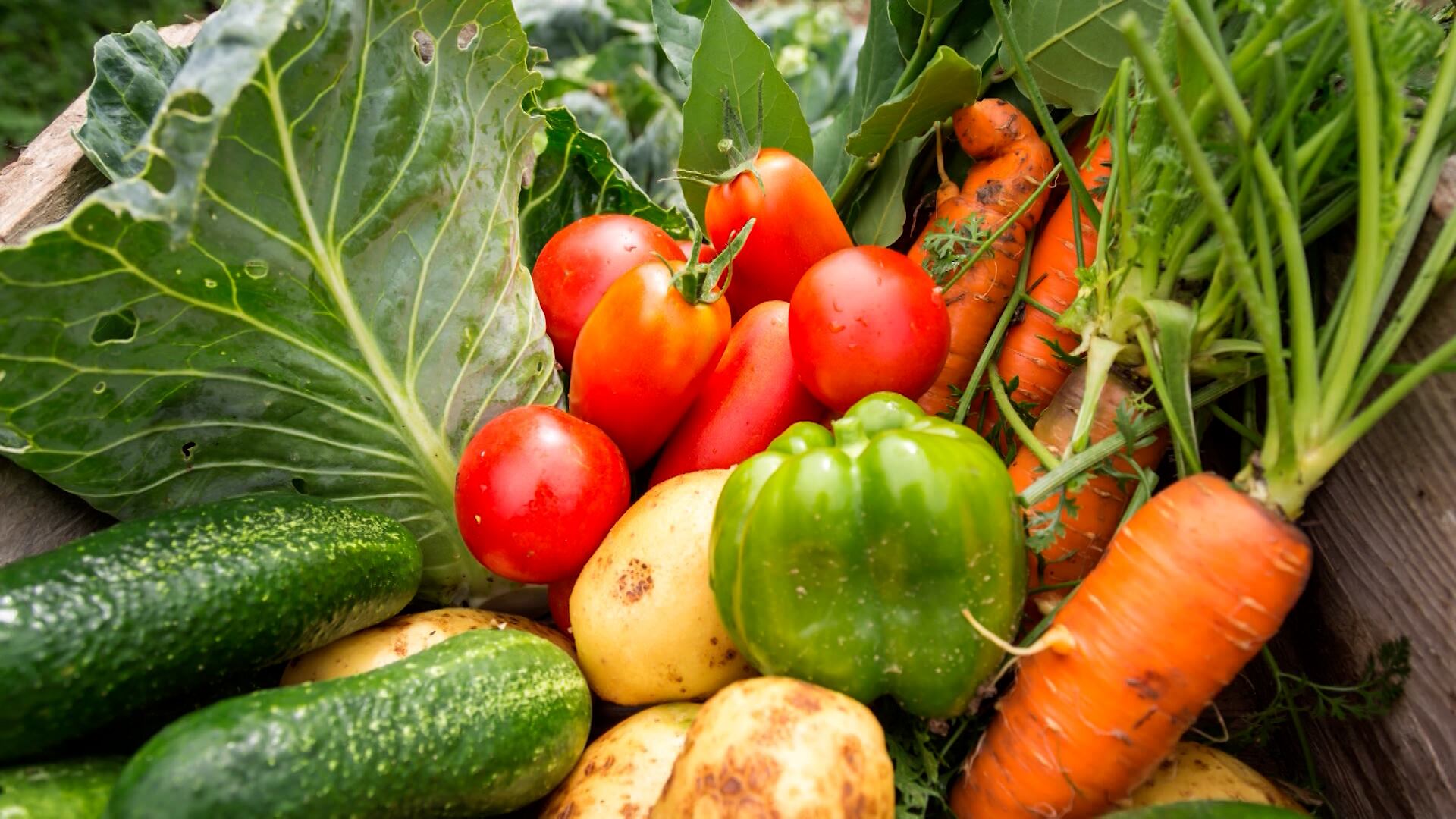
The La Niña effect in the Pacific Ocean is leading to rough forecasts this winter in the Northern Hemisphere. Suketu Gandhi, supply chain partner at Kearney, joined Cheddar to discuss the likelihood food prices and shipping get disrupted amid the meteorological event especially considering existing supply chain problems. "The global supply chains are going to be truly disrupted with La Niña," he said, pointing to COVID-19 and political changes as factors. "So, the Jenga called 'supply chain' is just one brick away from falling down completely." In 2011, the last significant La Niña year, food prices reached record highs.
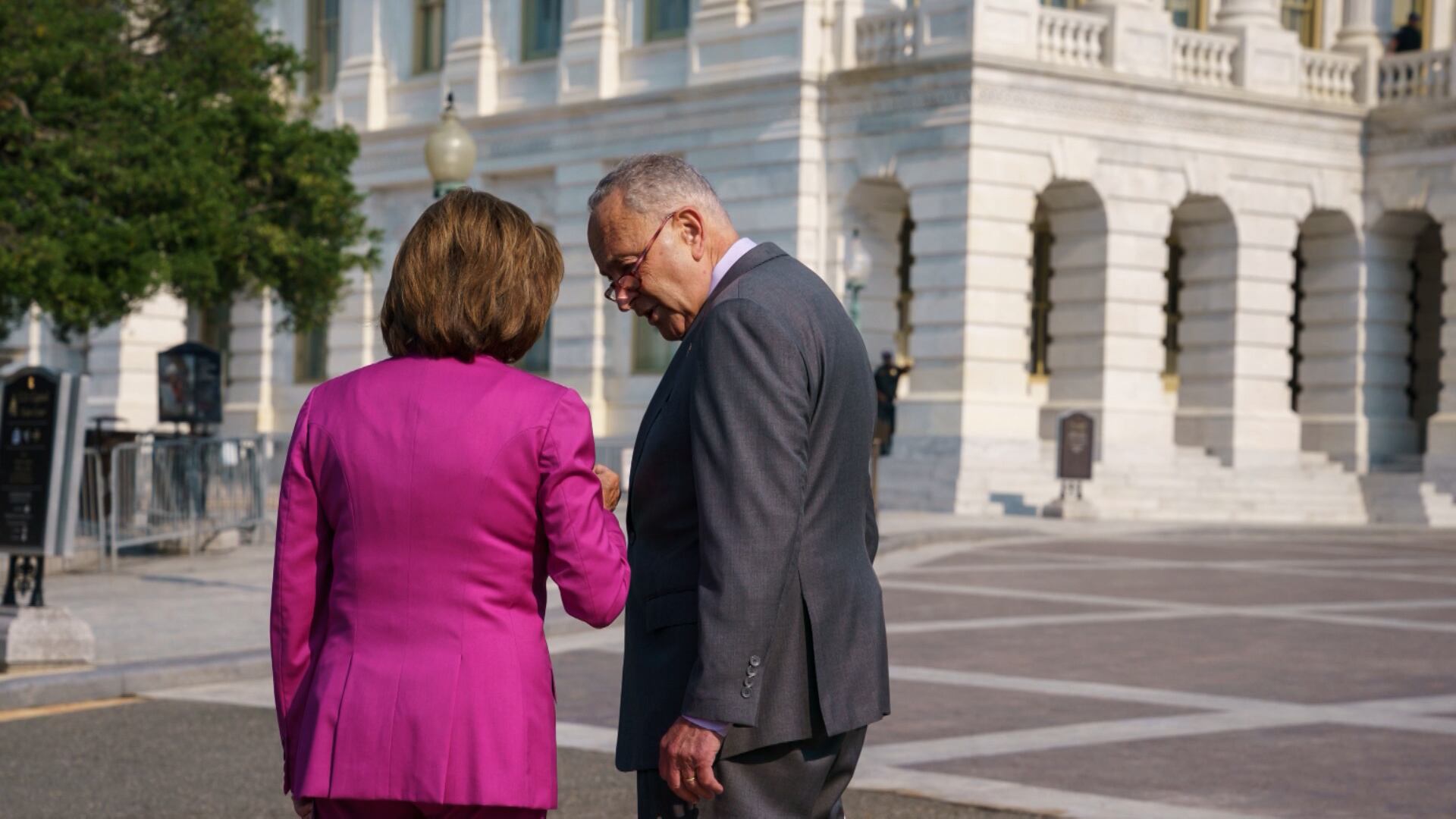
Emily Tisch Sussman, senior advisor at Paid Leave US, joined Cheddar's "Between Bells" to discuss paid leave being stripped from the latest budget bill and why it is crucial for parents to have paid time off. Sussman said the pandemic, in particular, highlighted the disparity between women, who left the work force in droves to care for family, and men who continue to work and be rehired as impacted sectors of the economy return.
Amid weeks of recent controversy, Facebook this week announced it would be changing its corporate name to Meta as it pivots to the metaverse and virtual reality products. Dan Ives, Managing Director of Equity Research at Wedbush Securities, joins Cheddar News' Closing Bell to discuss the rebrand, whether chief Mark Zuckerberg can separate his identity from the company, and what the rebrand means for shareholders.
The Dow, S&P, and Nasdaq each ended Friday's session at a record high as stocks rallied into the green. Chris Vecchio, Senior Analyst at DailyFX, joins Cheddar News' Closing Bell, where he says this was an 'October to remember' for Wall Street.