While the coronavirus pandemic forced many media companies to slow down production and forced athletics to grind to a halt, Barstool Sports adapted and CEO Erika Nardini says the company was able to capitalize on a slew of non-sports-related content.
Now Barstool Sports' priority is to show buyers at the company's first appearance at the NewFronts marketing conference that it can still be profitable even without the return of North American pro leagues.
"We wanted to show, not only the showcasing of what we're creating -- so, all of the brands we're developing and running -- but also how we're performing for advertisers," she said.
Barstool's success during the shutdowns, Nardini explained, is not only attributable to the team's ability to "create content that's authentic" but also its commitment to creating content that fans want to engage with.
"We're building some of, if not, the very biggest brands on the internet," she said. "I think that during quarantine, most media companies stopped making content. They either had production challenges, they weren't able to gather in studios. We took the opposite approach."
Barstool's growth on social media platforms like TikTok and Instagram has also allowed the company's "brands the ability to play ball with those audiences" where they otherwise might not have had access, according to the CEO.
"Every single brand that's created at Barstool is programmed and produced for the internet, which means that we naturally attract what you would call 'young viewers,'" she said.
Even with the success of the non-sports content, Nardini said the company will not abandon its newfound format despite the imminent return of the pros, but will instead marry the new content with Barstool's core programs.
"What we've found is when you have eyes for the internet, and you're making content for the internet, that stuff can last," she noted.
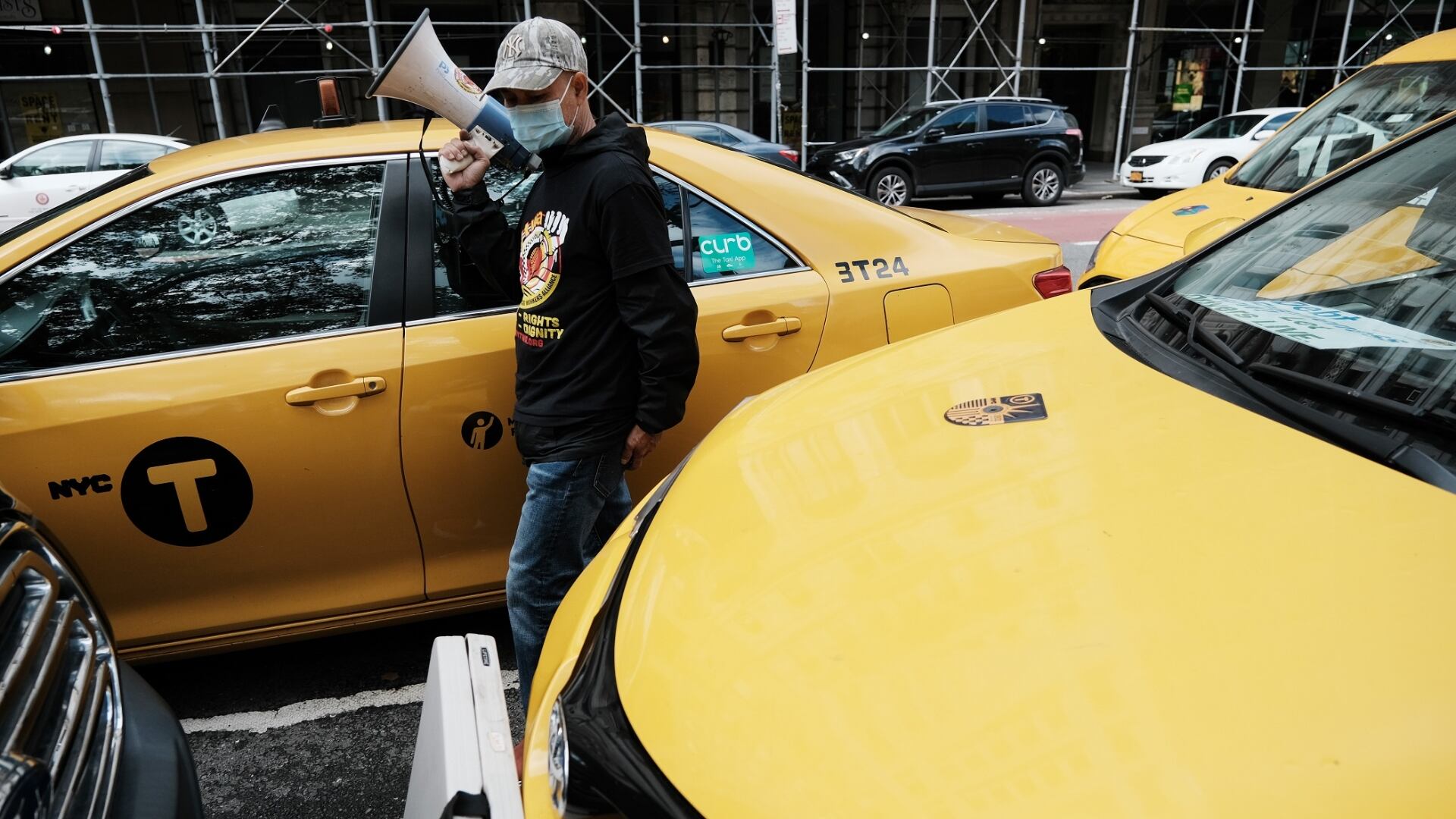
New York City taxi drivers won a major victory to slash the cost of money owed for taxi medallions. The announcement follows a two-week long hunger strike at City Hall by some drivers to demand debt relief.
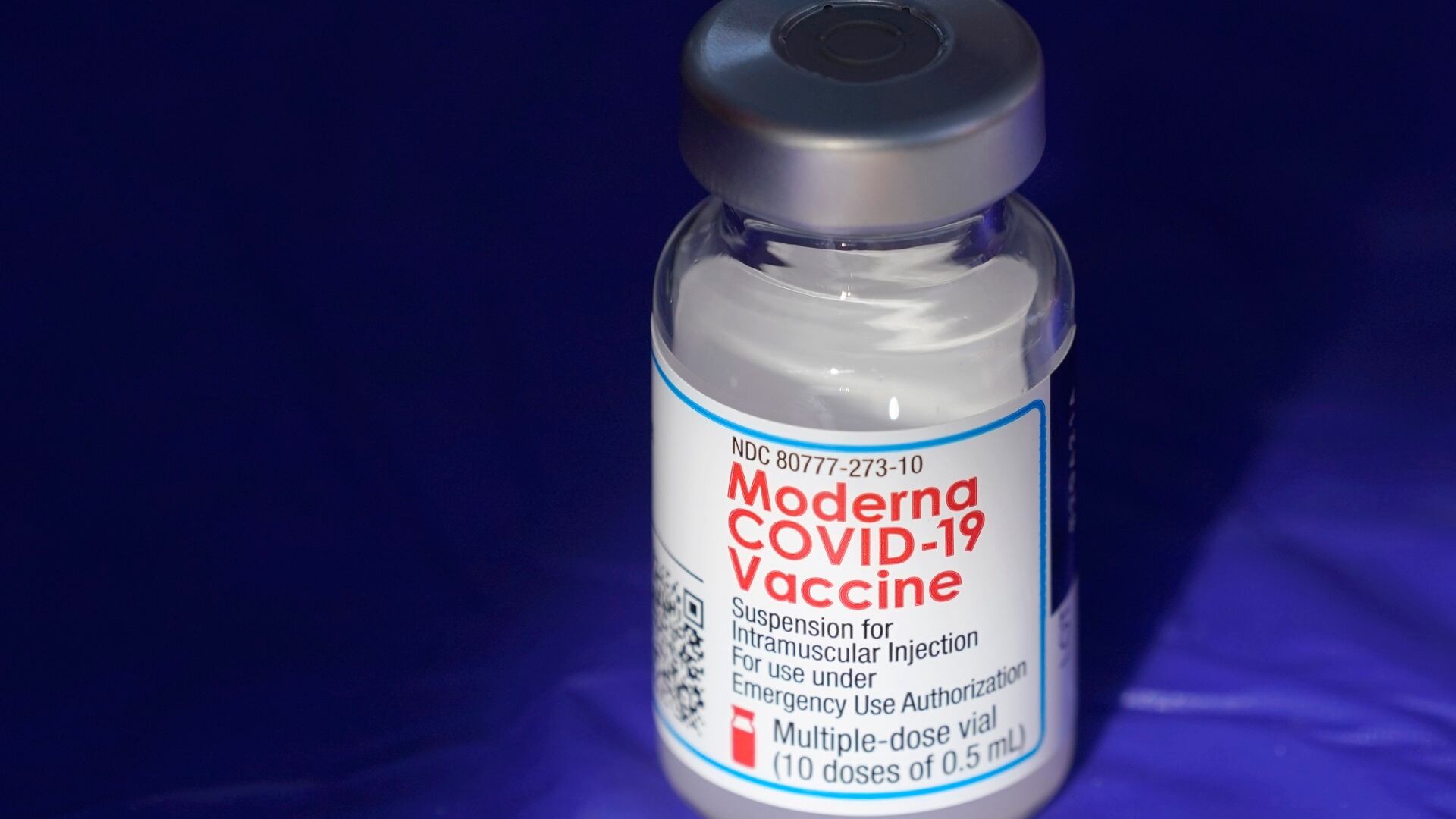
Moderna reported a massive miss on revenue in its Q3 earnings, taking in $5 billion versus the expected $6.21 billion despite sales of the COVID-19 vaccine. The pharmaceutical giant's stock dropped sharply on the news.
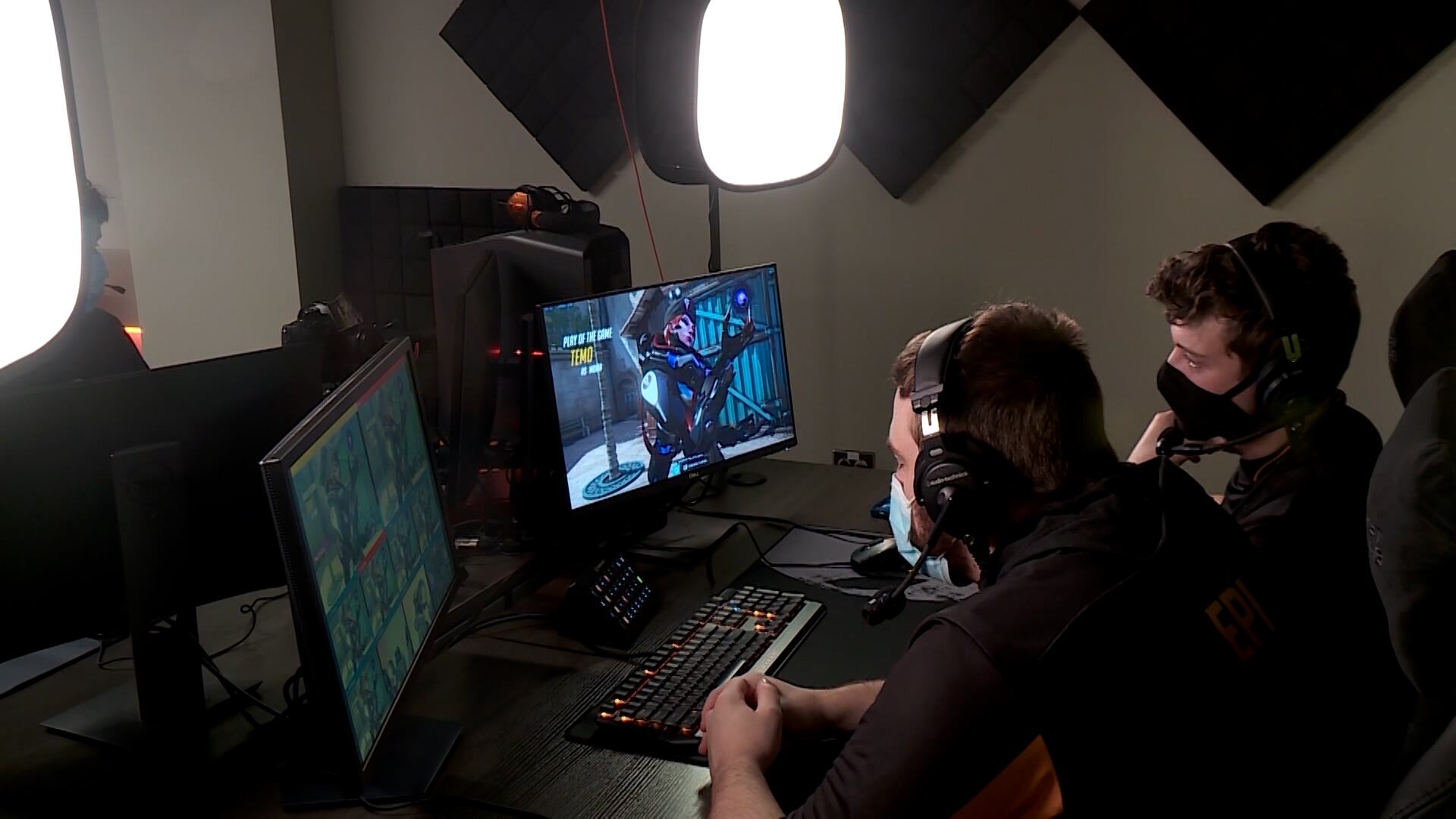
Joan E. Solsman, a senior reporter at CNET, joined Cheddar's "Opening Bell" to talk about Netflix moving to offer mobile video games for Android users as part of their subscription. She said this is likely one "baby step" for the streaming giant as it moves into the space. "You can see what Netflix wants to do eventually down the line is have these great ambitions to make their service be more than just passive TV, movies," she said. "They're moving more into merchandising, that they're moving more into in-person experiences. They're trying to broaden a way, which is a great thing to do when everyone keeps talking about metaverses."
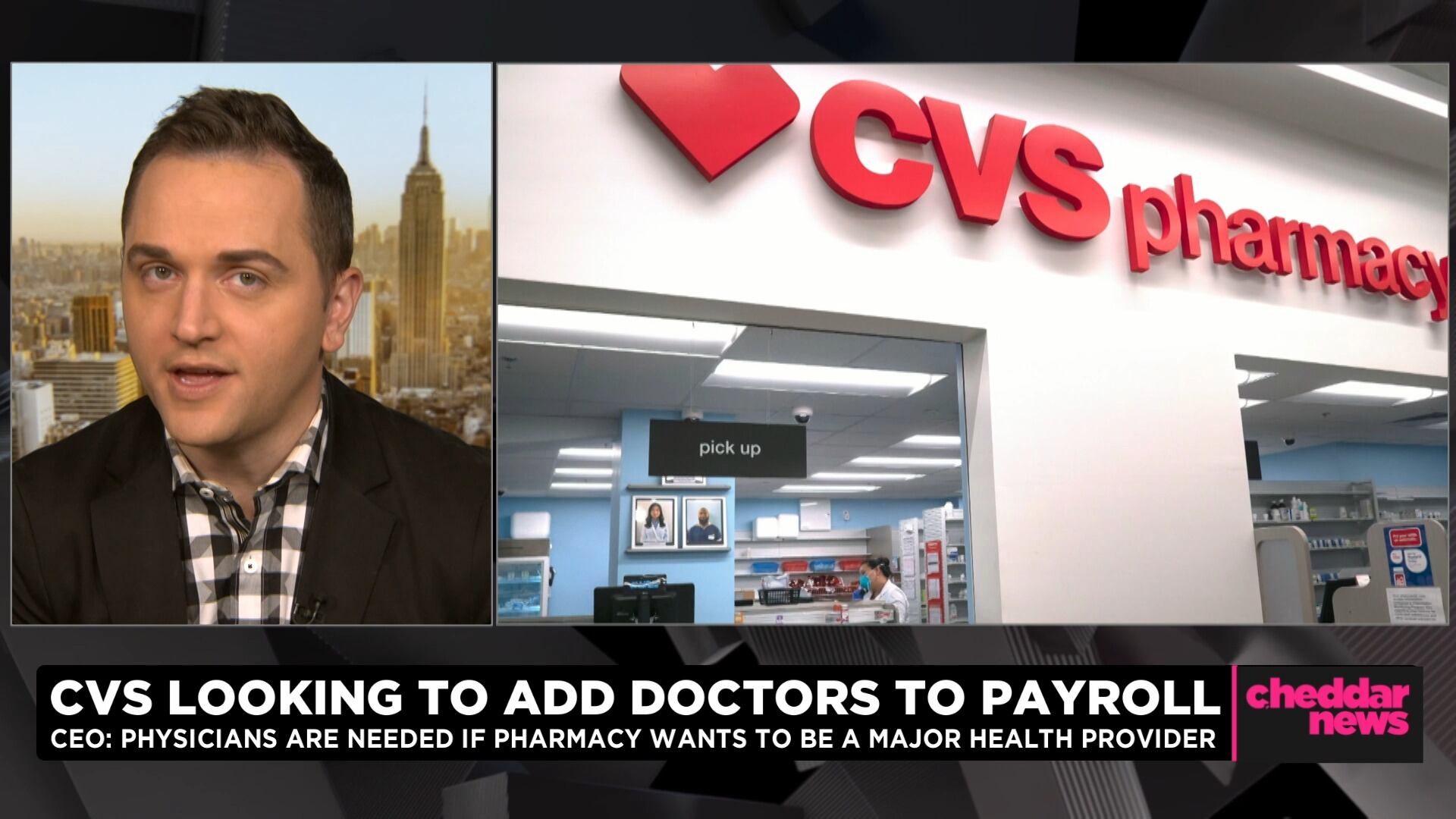
CVS is working to become a major health care provider as the pharmacy chain adds doctors to its payroll, following a trend among pharmacies like Walgreens integrating more primary health care services.
Insurance tech company Lemonade is now offering automobile coverage, and CEO Daniel Schreiber joined Cheddar to talk about the company's commitment to not investing in "coal or other pollutant industries." He noted that the new product was incentivizing car insurance in "an environmentally responsible way." Schreiber also discussed expanding coverage beyond pet, life, and home insurance, and how it has impacted business since going public.
Arpan Parikh, psychiatrist and senior director of clinical experience for Ro Mind, joins Cheddar News to discuss
the new digital mental health platform for anxiety and depression.
Tuna Amobi, Director and Senior Equity Analyst at CFRA Research, joined Wake Up With Cheddar to break down the big takeaways from Roku's Q3 earnings report, as the company warns of further supply chain issues in the coming months.