While the coronavirus pandemic forced many media companies to slow down production and forced athletics to grind to a halt, Barstool Sports adapted and CEO Erika Nardini says the company was able to capitalize on a slew of non-sports-related content.
Now Barstool Sports' priority is to show buyers at the company's first appearance at the NewFronts marketing conference that it can still be profitable even without the return of North American pro leagues.
"We wanted to show, not only the showcasing of what we're creating -- so, all of the brands we're developing and running -- but also how we're performing for advertisers," she said.
Barstool's success during the shutdowns, Nardini explained, is not only attributable to the team's ability to "create content that's authentic" but also its commitment to creating content that fans want to engage with.
"We're building some of, if not, the very biggest brands on the internet," she said. "I think that during quarantine, most media companies stopped making content. They either had production challenges, they weren't able to gather in studios. We took the opposite approach."
Barstool's growth on social media platforms like TikTok and Instagram has also allowed the company's "brands the ability to play ball with those audiences" where they otherwise might not have had access, according to the CEO.
"Every single brand that's created at Barstool is programmed and produced for the internet, which means that we naturally attract what you would call 'young viewers,'" she said.
Even with the success of the non-sports content, Nardini said the company will not abandon its newfound format despite the imminent return of the pros, but will instead marry the new content with Barstool's core programs.
"What we've found is when you have eyes for the internet, and you're making content for the internet, that stuff can last," she noted.
Jason Fudin, CEO of WhyHotel, joined Cheddar's On the Job: The October Jobs Report to break down what the next few months could look like for the travel and hospitality sectors, which were hit hard by the pandemic.
The Federal Reserve finally announced its taper plan on Wednesday saying that it planned to scale back on bond purchases as growth slows, and would not rush to raise interest rates. Ross Mayfield, Investment Strategy Analyst at Baird spoke on whether or not a decrease in inflation could be in the country’s future amidst comments made by Fed chairman Jerome Powell. Baird also broke down ADP jobs numbers ahead of the Labor Department's October jobs report.
Joseph Gordon-Levitt, CEO and co-founder of HitRecord, and Jared Geller, president and co-founder of HitRecord, join Cheddar News to discuss the platform's 'Class Projects'. Gordon-Levitt also talked about playing Jiminy Cricket in Disney's live-action 'Pinocchio.'
One e-commerce company is putting diverse beauty brands first. 'thirteen lune' was launched last year and carries 100 brands, 90% percent of which are founded by Black, indigenous, people of color (BIPOC). The company has grown tremendously within the past year and just landed a $3 million funding round led by Fearless Fund, a venture capital firm created by women of color, for women of color. Nyakio Grieco, co-founder of thirteen lune joins Cheddar News to talk about the new funding.
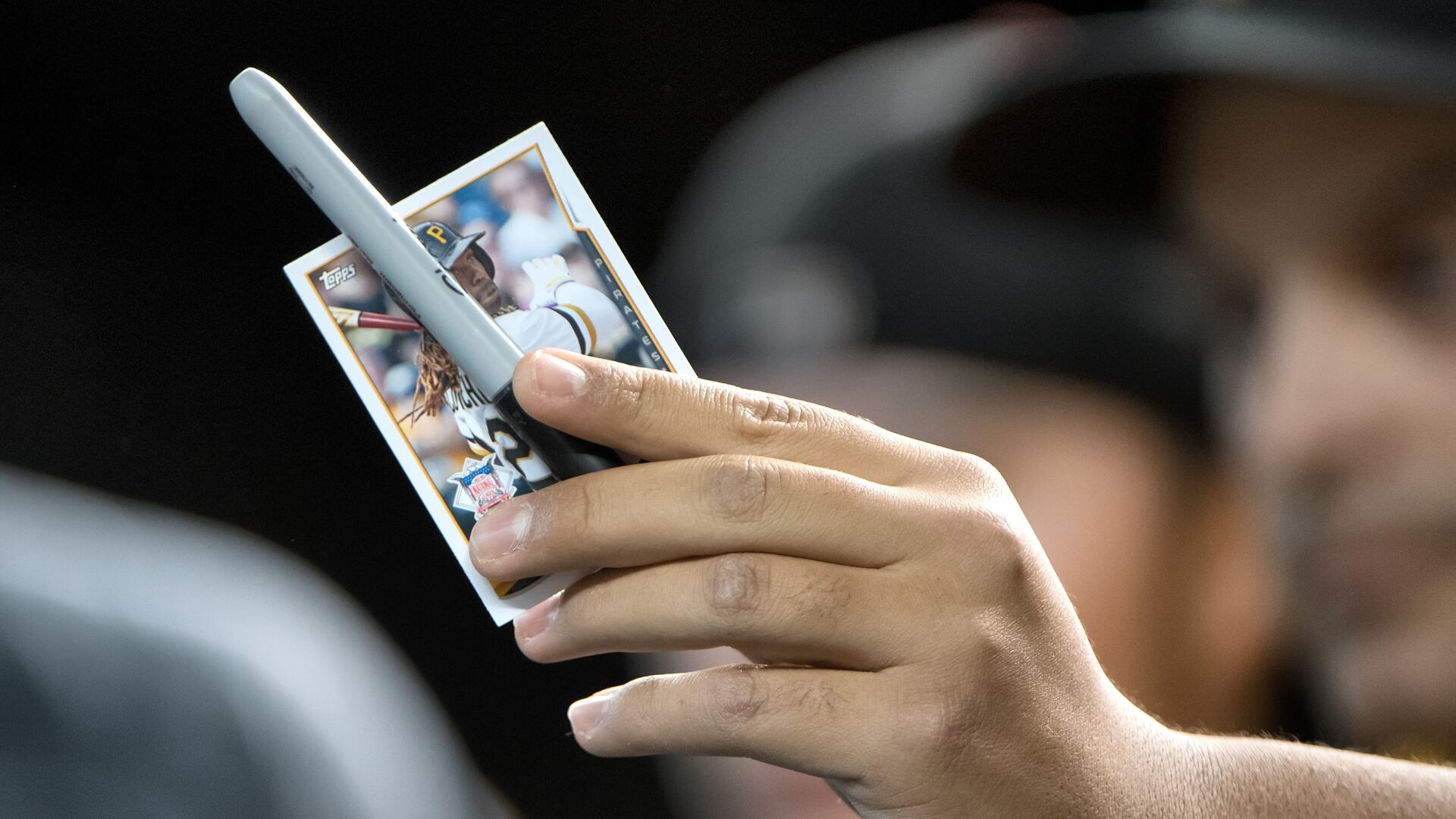
Evan Vandenberg, the founder and CEO of Dibbs, a sports card trading platform, joined Cheddar to break down how his company allows sports fans to buy and sell fractions of sports cards. The physical trading cards are typically held in a vault while fans are provided with a digital representation of that card that they can go on to sell or even buy more fractions of the item. Vanderberg also talked about the company's $13 million Series A funding round and investments from major sports figures like the NBA's Chris Paul and NFL's DeAndre Hopkins.