While the coronavirus pandemic forced many media companies to slow down production and forced athletics to grind to a halt, Barstool Sports adapted and CEO Erika Nardini says the company was able to capitalize on a slew of non-sports-related content.
Now Barstool Sports' priority is to show buyers at the company's first appearance at the NewFronts marketing conference that it can still be profitable even without the return of North American pro leagues.
"We wanted to show, not only the showcasing of what we're creating -- so, all of the brands we're developing and running -- but also how we're performing for advertisers," she said.
Barstool's success during the shutdowns, Nardini explained, is not only attributable to the team's ability to "create content that's authentic" but also its commitment to creating content that fans want to engage with.
"We're building some of, if not, the very biggest brands on the internet," she said. "I think that during quarantine, most media companies stopped making content. They either had production challenges, they weren't able to gather in studios. We took the opposite approach."
Barstool's growth on social media platforms like TikTok and Instagram has also allowed the company's "brands the ability to play ball with those audiences" where they otherwise might not have had access, according to the CEO.
"Every single brand that's created at Barstool is programmed and produced for the internet, which means that we naturally attract what you would call 'young viewers,'" she said.
Even with the success of the non-sports content, Nardini said the company will not abandon its newfound format despite the imminent return of the pros, but will instead marry the new content with Barstool's core programs.
"What we've found is when you have eyes for the internet, and you're making content for the internet, that stuff can last," she noted.
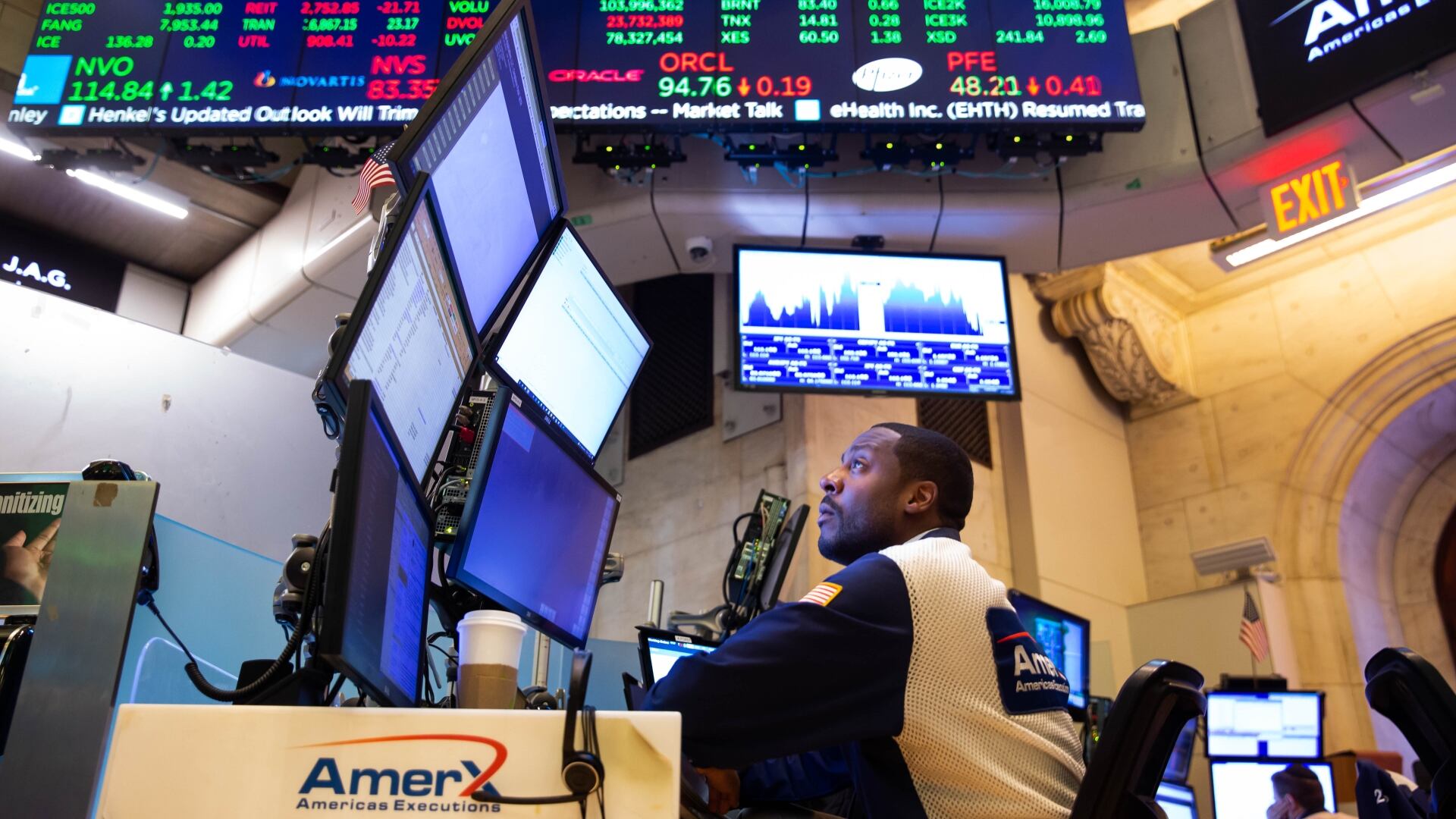
This week's inflation data showed that consumers are not imagining higher prices at the register - prices jumped 6.2% in October, the biggest inflation surge in 30 years. Both the S&P 500 and Nasdaq felt the impact of that data, but today recovered after a sell-off. Sean O'Hara, President at Pacer ETFs, joins Cheddar News' Closing Bell to discuss today's market close amid this week's hot inflation data, and third-quarter earnings season.
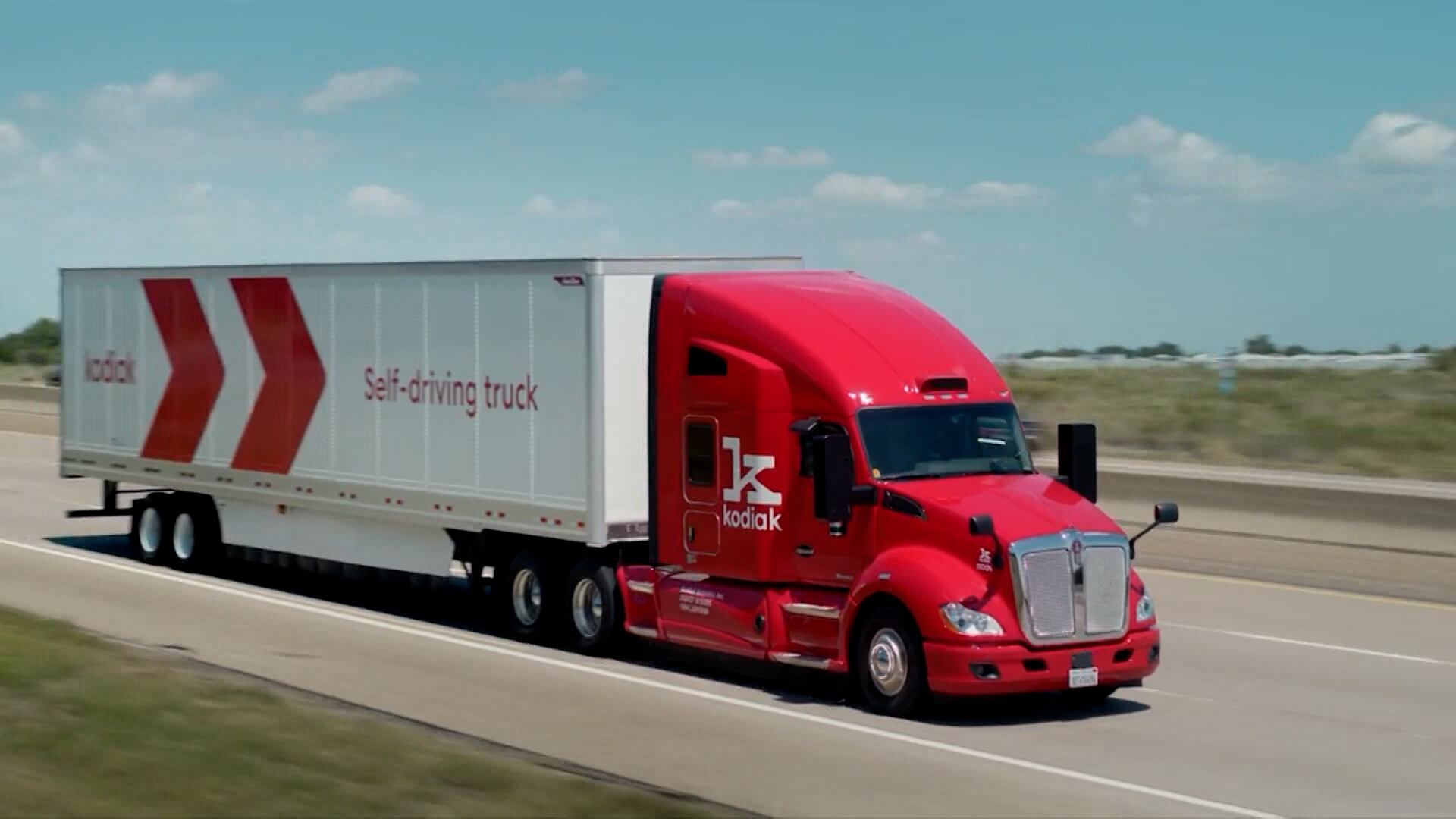
Self-driving truck startup Kodiak Robotics recently announced a $125 million funding round as the trucking industry is facing major challenges, including growing shipping demand and driver shortages. Kodiak says its autonomous technology can help businesses move goods faster, safer, cleaner, and more efficiently. Kodiak Robotics founder and CEO Don Burnette joined Cheddar News' Closing Bell to discuss.
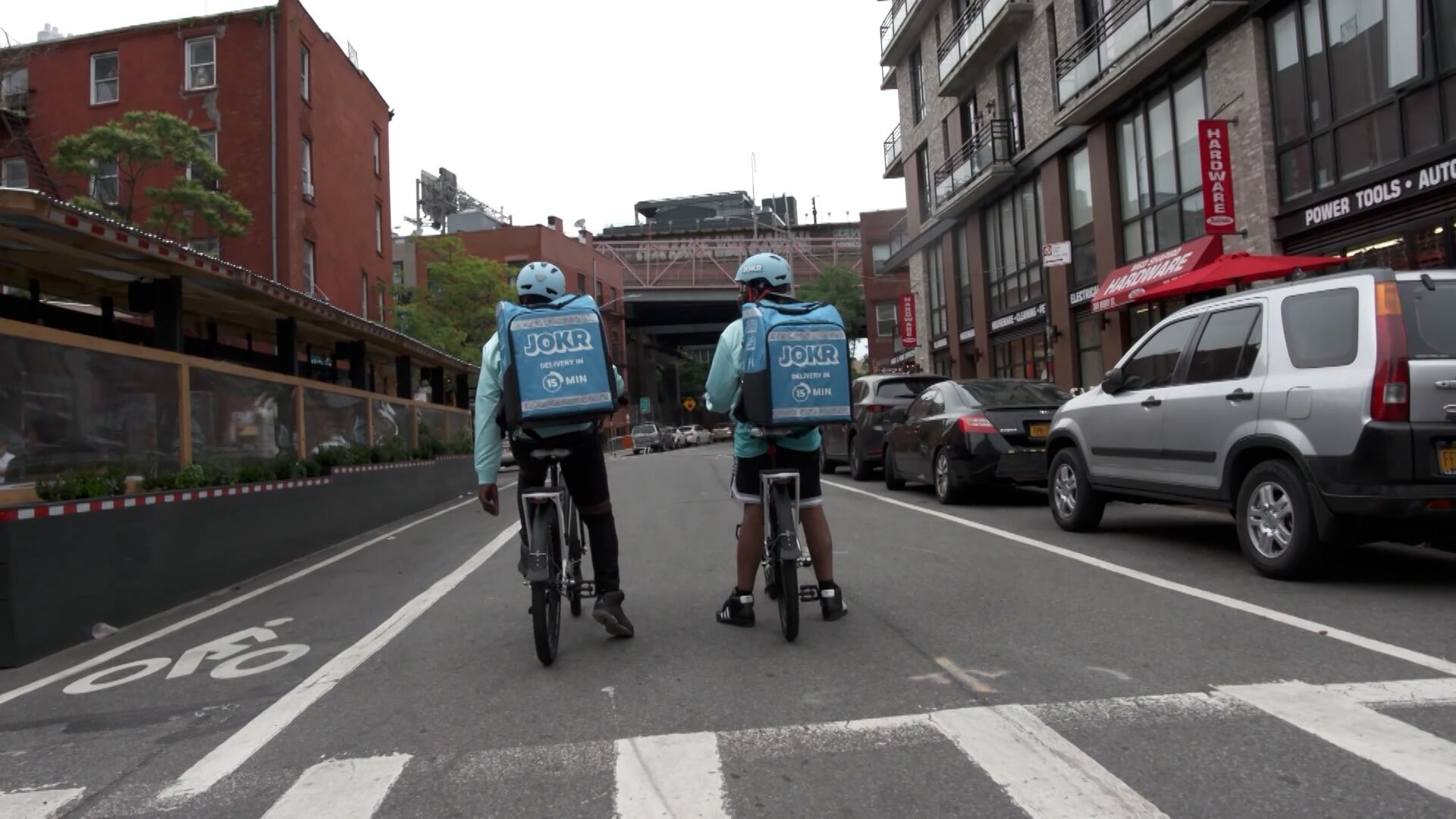
Francisco Marte, Founder of the Bodega and Small Business Association, joined Cheddar to discuss the recent boom in ultrafast delivery services and what it means to bodegas and mom & pop shops in New York City.
Damian Mason, a farm owner, Agricultural Economist and Author of 'Food Fear,' joined Cheddar to discuss the rising prices of food as we approach the holiday season.
Meta, the parent company of Facebook, turned heads on Tuesday when it announced it will block some ad-targeting, specifically those of a political and religious nature.
This is one of the most direct moves the company has made in order to minimize ad-targeting by advertisers on its platforms. Hastie Afkhami, Head of Digital at S-3 Group, joins Cheddar News to discuss the impact of this move.
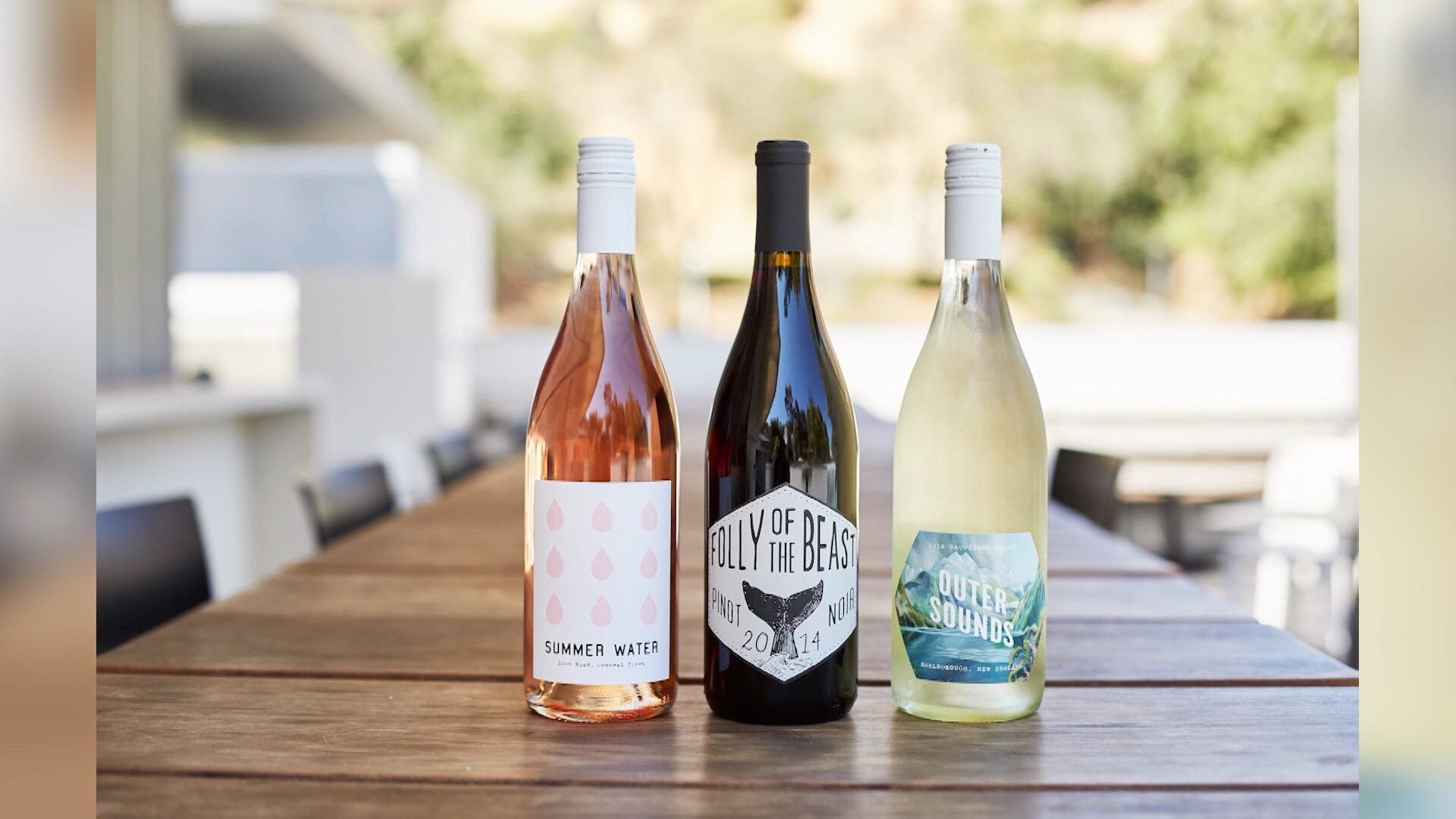
Wine subscription service Winc is officially a publicly-traded company after debuting on the New York Stock Exchange. CEO Geoff McFarlane and President Brian Smith joined Cheddar to talk about the decision behind the public offering and noted that its service goes beyond just subscriptions. "We're an omnichannel platform, so the subscription is a great way for us to really generate a ton of data from our customers, launch new products, and market our portfolio," McFarlane said. "But ultimately when we find great products that our customers really love, we want them to be everywhere." He went on to point to distribution partners like Whole Foods, Walmart, and Trader Joe's.
Roy Banks, CEO of Weave Communication, a cloud-based software company for small businesses, joined Cheddar to talk about the company's New York Stock Exchange debut. Banks broke down just how his company helps small businesses manage relationships with their customer base and also laid out how the funds raised will be used to grow the business and its short and long term goals.