While the coronavirus pandemic forced many media companies to slow down production and forced athletics to grind to a halt, Barstool Sports adapted and CEO Erika Nardini says the company was able to capitalize on a slew of non-sports-related content.
Now Barstool Sports' priority is to show buyers at the company's first appearance at the NewFronts marketing conference that it can still be profitable even without the return of North American pro leagues.
"We wanted to show, not only the showcasing of what we're creating -- so, all of the brands we're developing and running -- but also how we're performing for advertisers," she said.
Barstool's success during the shutdowns, Nardini explained, is not only attributable to the team's ability to "create content that's authentic" but also its commitment to creating content that fans want to engage with.
"We're building some of, if not, the very biggest brands on the internet," she said. "I think that during quarantine, most media companies stopped making content. They either had production challenges, they weren't able to gather in studios. We took the opposite approach."
Barstool's growth on social media platforms like TikTok and Instagram has also allowed the company's "brands the ability to play ball with those audiences" where they otherwise might not have had access, according to the CEO.
"Every single brand that's created at Barstool is programmed and produced for the internet, which means that we naturally attract what you would call 'young viewers,'" she said.
Even with the success of the non-sports content, Nardini said the company will not abandon its newfound format despite the imminent return of the pros, but will instead marry the new content with Barstool's core programs.
"What we've found is when you have eyes for the internet, and you're making content for the internet, that stuff can last," she noted.
Grab, a Southeast Asia-based ride sharing, e-wallet, and delivery service, made its public debut on the Nasdaq via SPAC merger. CFO Peter Oey joined Cheddar's Brad Smith to talk about the IPO and why it was an ideal time for the company to go public. Oey noted that while Grab operates in 465 cities in eight Southeast Asian countries, there is still more opportunity to grow and expand while balancing profitability and growth.
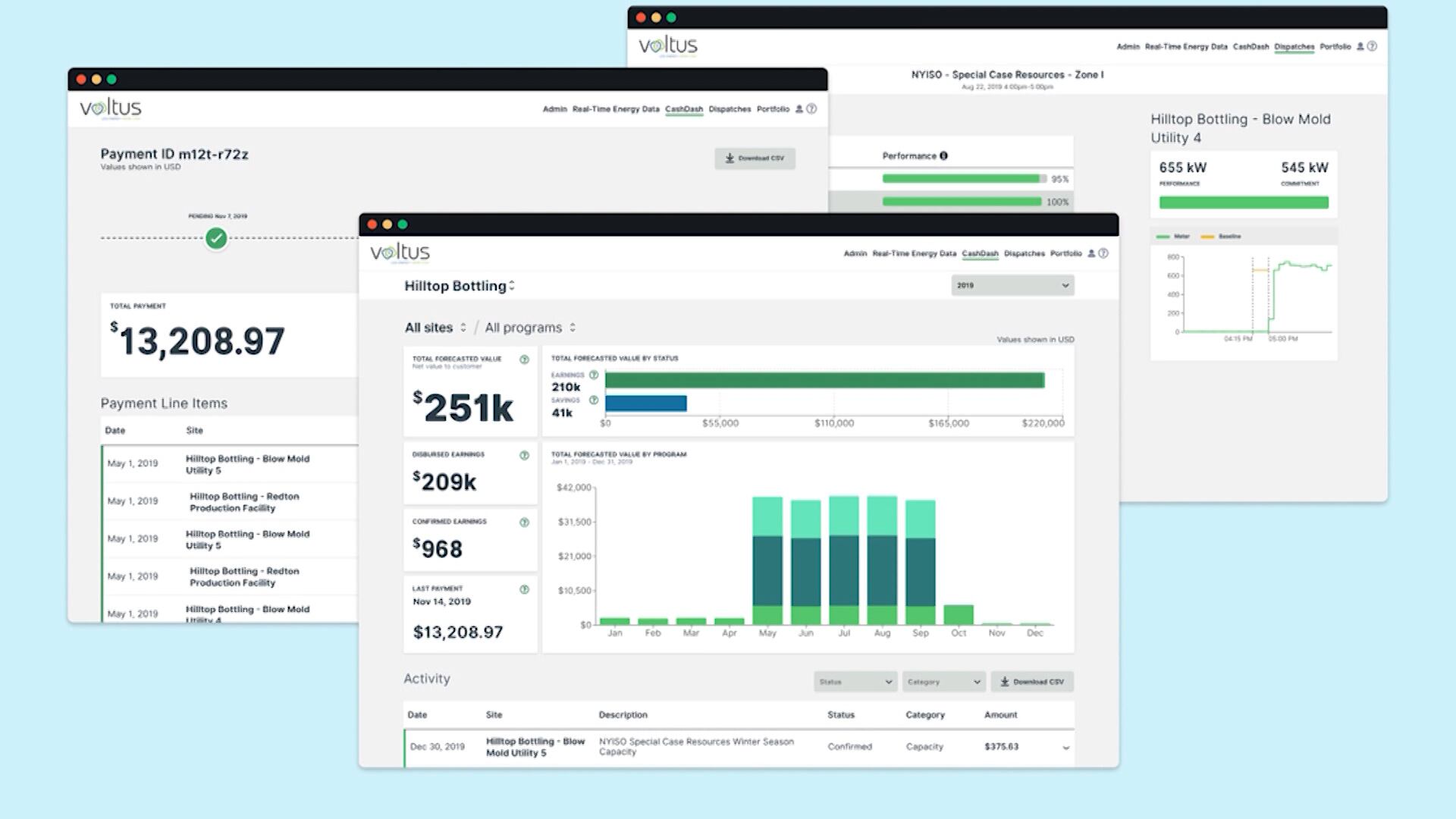
Voltus is going public by combining with a special purpose acquisition company, Broadscale Acquisition Corp., in a deal that values the electricity market technology startup at about $1.3 billion dollars. The company aims to deliver less expensive, more reliable, and more sustainable electricity to its more than 600 customers, including Home Depot, Coca-Cola, and Simon Property Group. Gregg Dixon, co-founder and CEO of Voltus and Andrew Shapiro, chairman and CEO of Broadscale Acquisition Corp., joined Cheddar News to discuss the deal.
Fintech company Square, led by the now-former Twitter CEO Jack Dorsey, will undergo a name change to Block as it expands its product offerings and goes beyond just a payment processing platform into blockchain and crypto spaces.
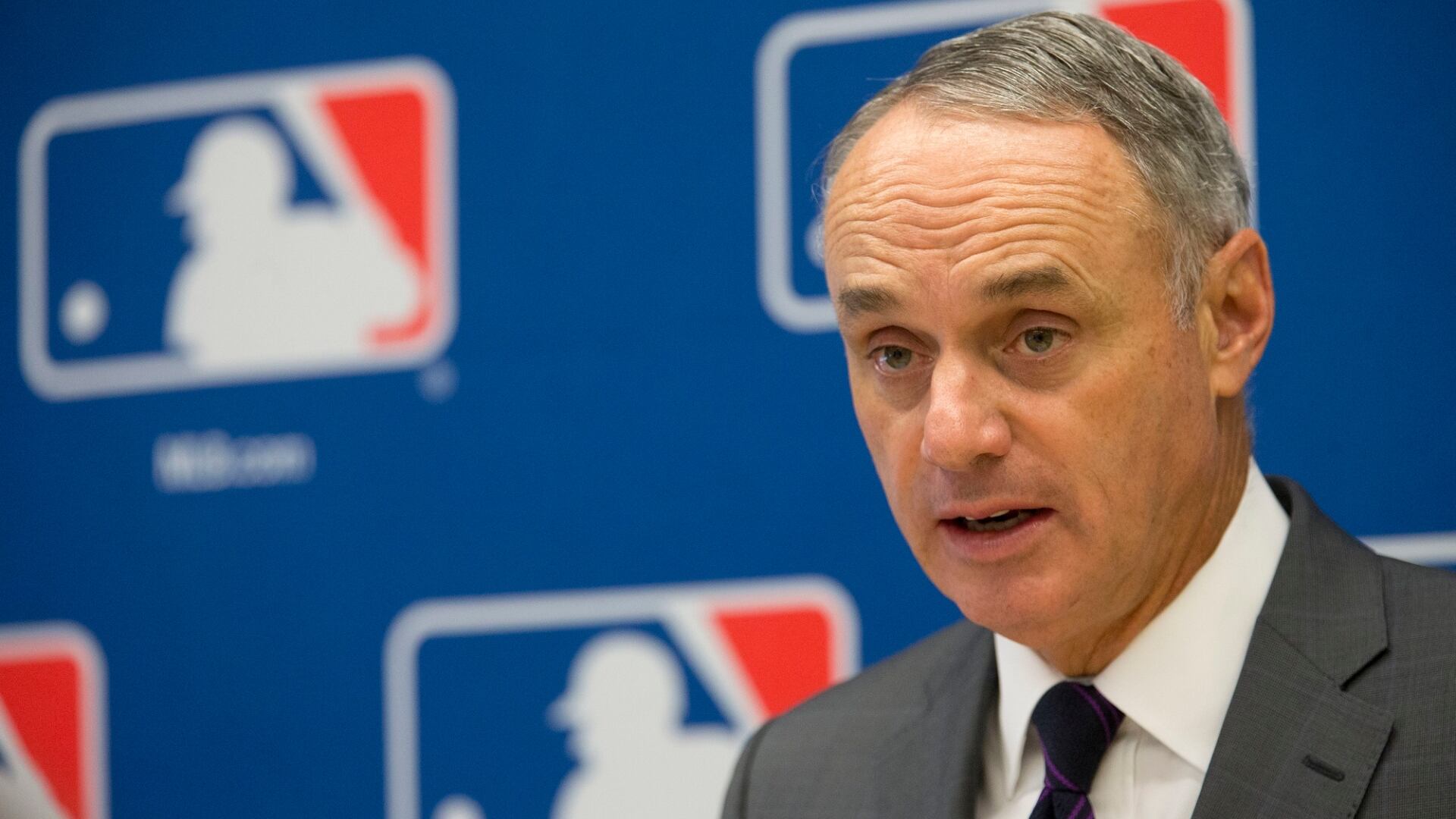
Major League Baseball entered its first owner implemented lockout in nearly 30 years after the league and the player's association were unable to come to an agreement on a new labor deal.
The Institute for Supply Management released its monthly manufacturing PMI report on Wednesday, showing growth in the manufacturing sector but demand continues to outpace production. Deborah Byers, EY Americas Industry Leader, joins Cheddar to discuss takeaways from this month's report, and what companies across industries are prioritizing going into 2022.
Jill and Carlo discuss what appears to be the beginning of the end of Roe v. Wade, another victim dies following the school shooting in Michigan, Omicron in the U.S., Trump's Covid chronology and more.