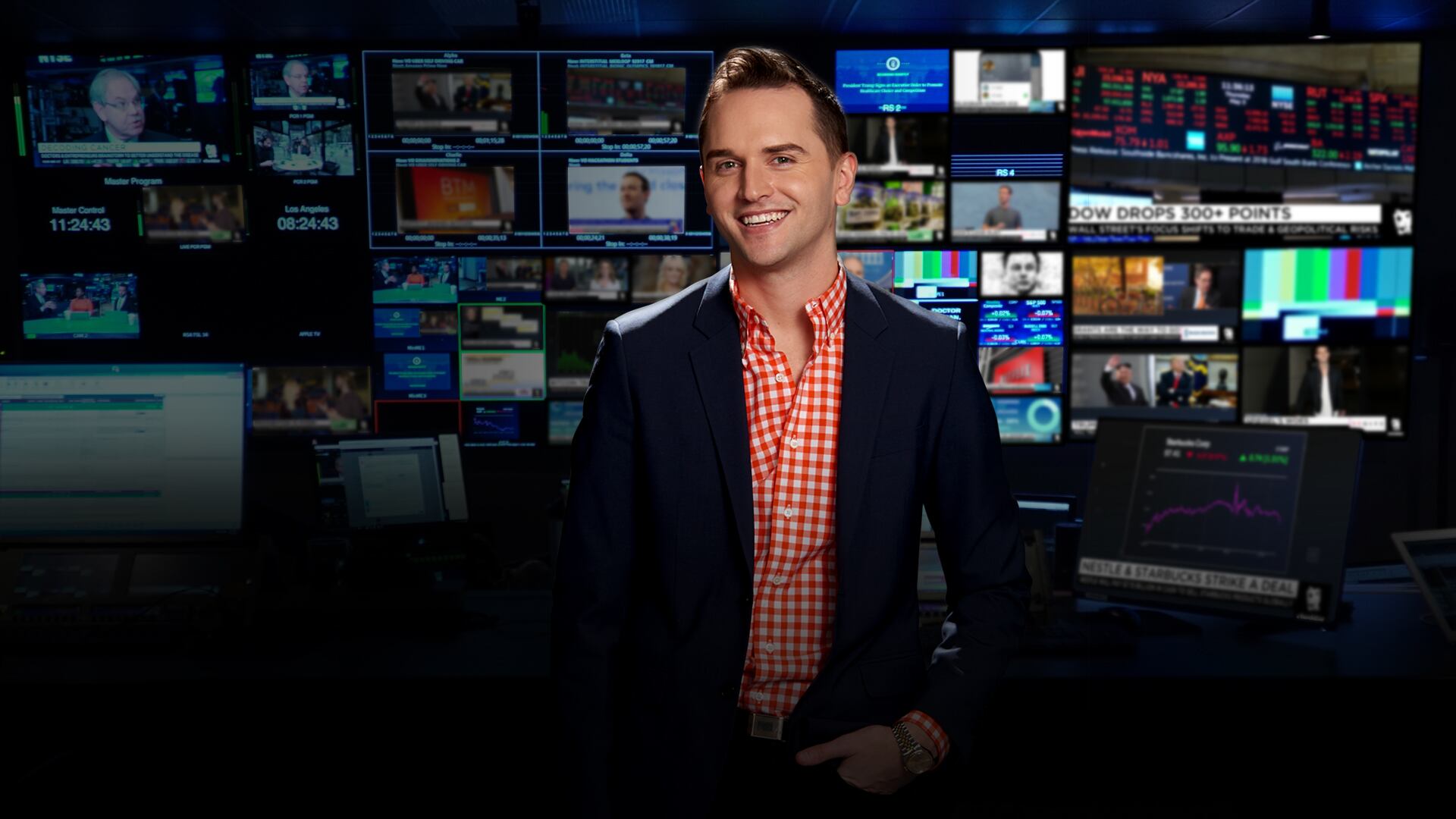
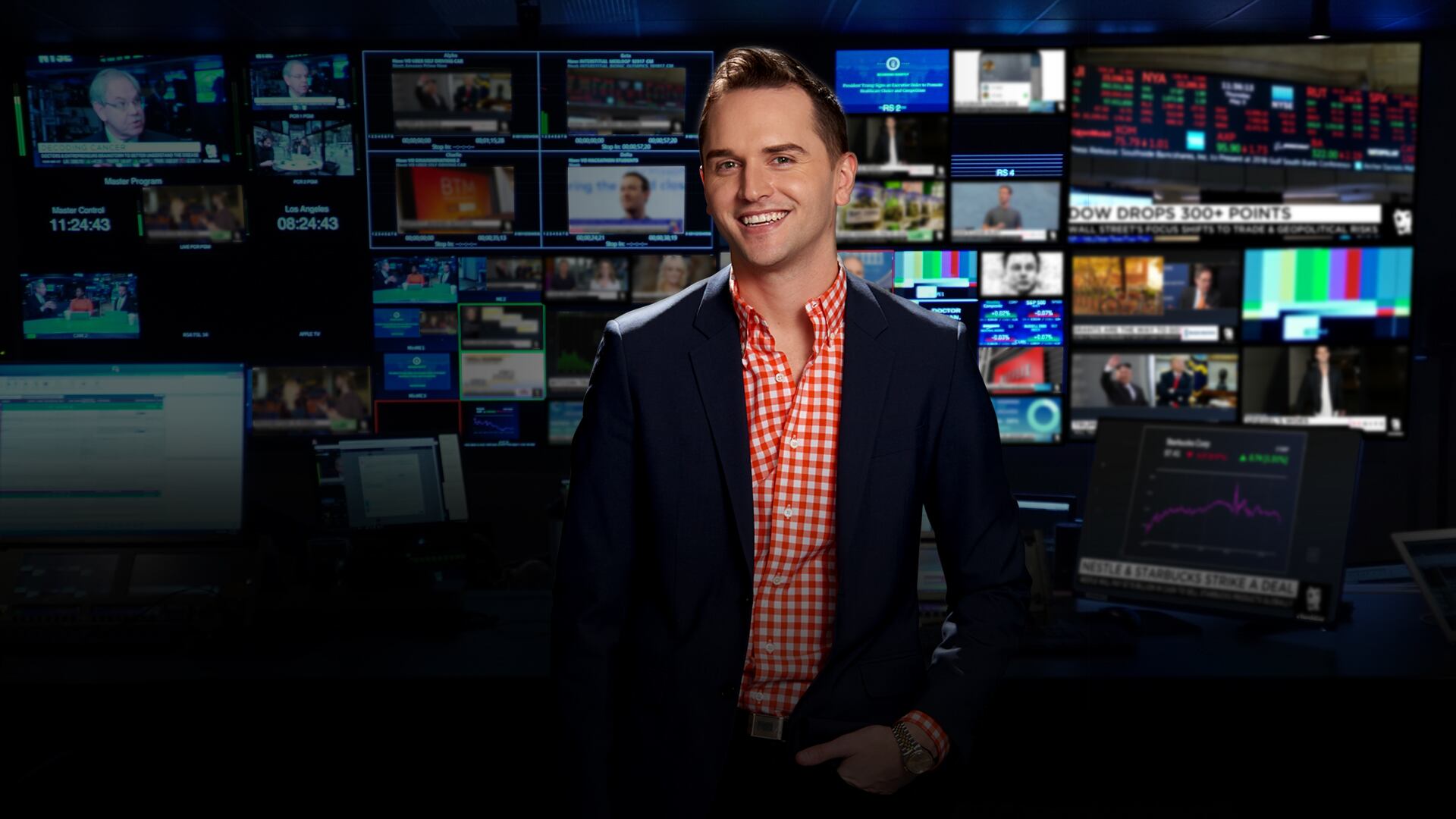
While the coronavirus pandemic forced many media companies to slow down production and forced athletics to grind to a halt, Barstool Sports adapted and CEO Erika Nardini says the company was able to capitalize on a slew of non-sports-related content.
Now Barstool Sports' priority is to show buyers at the company's first appearance at the NewFronts marketing conference that it can still be profitable even without the return of North American pro leagues.
"We wanted to show, not only the showcasing of what we're creating -- so, all of the brands we're developing and running -- but also how we're performing for advertisers," she said.
Barstool's success during the shutdowns, Nardini explained, is not only attributable to the team's ability to "create content that's authentic" but also its commitment to creating content that fans want to engage with.
"We're building some of, if not, the very biggest brands on the internet," she said. "I think that during quarantine, most media companies stopped making content. They either had production challenges, they weren't able to gather in studios. We took the opposite approach."
Barstool's growth on social media platforms like TikTok and Instagram has also allowed the company's "brands the ability to play ball with those audiences" where they otherwise might not have had access, according to the CEO.
"Every single brand that's created at Barstool is programmed and produced for the internet, which means that we naturally attract what you would call 'young viewers,'" she said.
Even with the success of the non-sports content, Nardini said the company will not abandon its newfound format despite the imminent return of the pros, but will instead marry the new content with Barstool's core programs.
"What we've found is when you have eyes for the internet, and you're making content for the internet, that stuff can last," she noted.
If 2021 is any indication, 2022 will be a big year for social media. TikTok reached 1 billion users this year and is expected to grow even bigger. We got our first look at the Metaverse, NFTs soared in popularity, and the crypto craze starting hitting its stride - just to name a few fads. Mark Douglas, CEO and Founder of MNTN, joined Cheddar to discuss if these trends could continue, or if we'll see some surprises in the year ahead.
2021 was a big year for big tech, but it was also a wake-up call for the government. Lawmakers are still struggling to figure out how to regulate big tech companies as they grow bigger and get even more powerful. Evan Greer, director of the digital rights organization Fight for the Future, joined Cheddar to discuss key takeaways from the year, as well as what we can expect for big tech and regulation in 2022.
Bumble users are remaining active on the dating app and still linking up with potential matches despite the emergence of the omicron variant of COVID-19. CEO Whitney Wolfe Herd noted that no matter what is happening in the world, people will always need to connect.
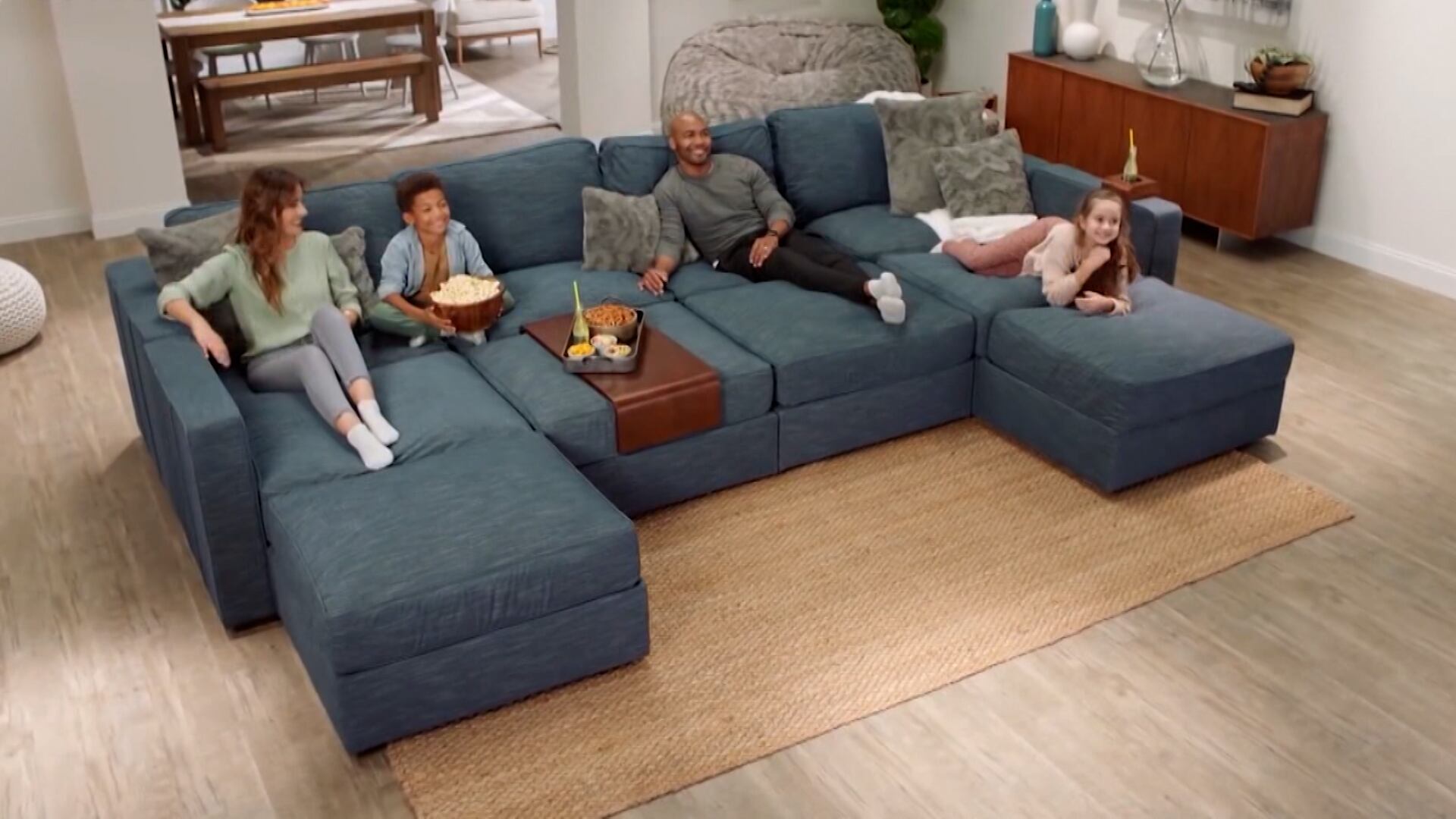
Lovesac Founder & CEO Shawn Nelson joined Wake Up With Cheddar to discuss the company's Q3 earnings report and what the future holds, as it continues to combine advanced technology with practical designs.
Google reportedly has announced that its employees must declare their vaccination status by January 18 or face a loss of pay, administrative leave, and eventual termination.
Roger Park, EY Americas Innovation Officer, joins Cheddar to discuss what factors are shaping the future of innovation, the top areas companies are investing in, and what it means to build a culture of innovation.
Carlo and Baker cover the latest data showing the Omicron wave has likely started, Pfizer's Covid pill, Jan. 6 and a box office rescue attempt courtesy of Spider-Man.