While the coronavirus pandemic forced many media companies to slow down production and forced athletics to grind to a halt, Barstool Sports adapted and CEO Erika Nardini says the company was able to capitalize on a slew of non-sports-related content.
Now Barstool Sports' priority is to show buyers at the company's first appearance at the NewFronts marketing conference that it can still be profitable even without the return of North American pro leagues.
"We wanted to show, not only the showcasing of what we're creating -- so, all of the brands we're developing and running -- but also how we're performing for advertisers," she said.
Barstool's success during the shutdowns, Nardini explained, is not only attributable to the team's ability to "create content that's authentic" but also its commitment to creating content that fans want to engage with.
"We're building some of, if not, the very biggest brands on the internet," she said. "I think that during quarantine, most media companies stopped making content. They either had production challenges, they weren't able to gather in studios. We took the opposite approach."
Barstool's growth on social media platforms like TikTok and Instagram has also allowed the company's "brands the ability to play ball with those audiences" where they otherwise might not have had access, according to the CEO.
"Every single brand that's created at Barstool is programmed and produced for the internet, which means that we naturally attract what you would call 'young viewers,'" she said.
Even with the success of the non-sports content, Nardini said the company will not abandon its newfound format despite the imminent return of the pros, but will instead marry the new content with Barstool's core programs.
"What we've found is when you have eyes for the internet, and you're making content for the internet, that stuff can last," she noted.
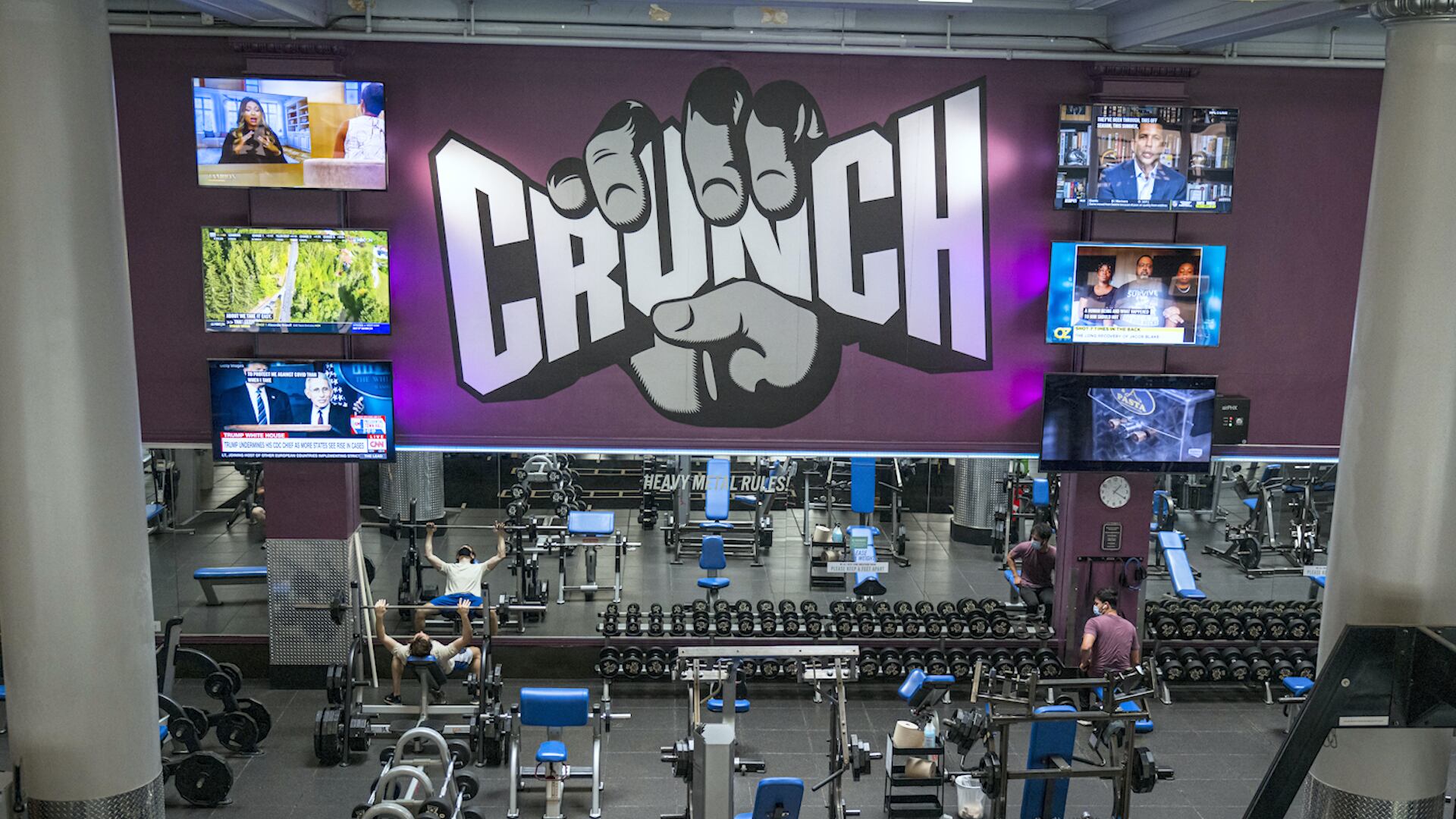
Despite the pandemic and the home workout revolution, many brick and mortar fitness companies have been able to stay afloat. Some even increased their membership during the pandemic, including Crunch Fitness. The Crunch franchise is celebrating 128% growth from pre-COVID membership levels as its 400th club enters pre-sale. Ben Midgley, CEO of Crunch Franchise, joined Cheddar to discuss how the company has been able to succeed during this time.
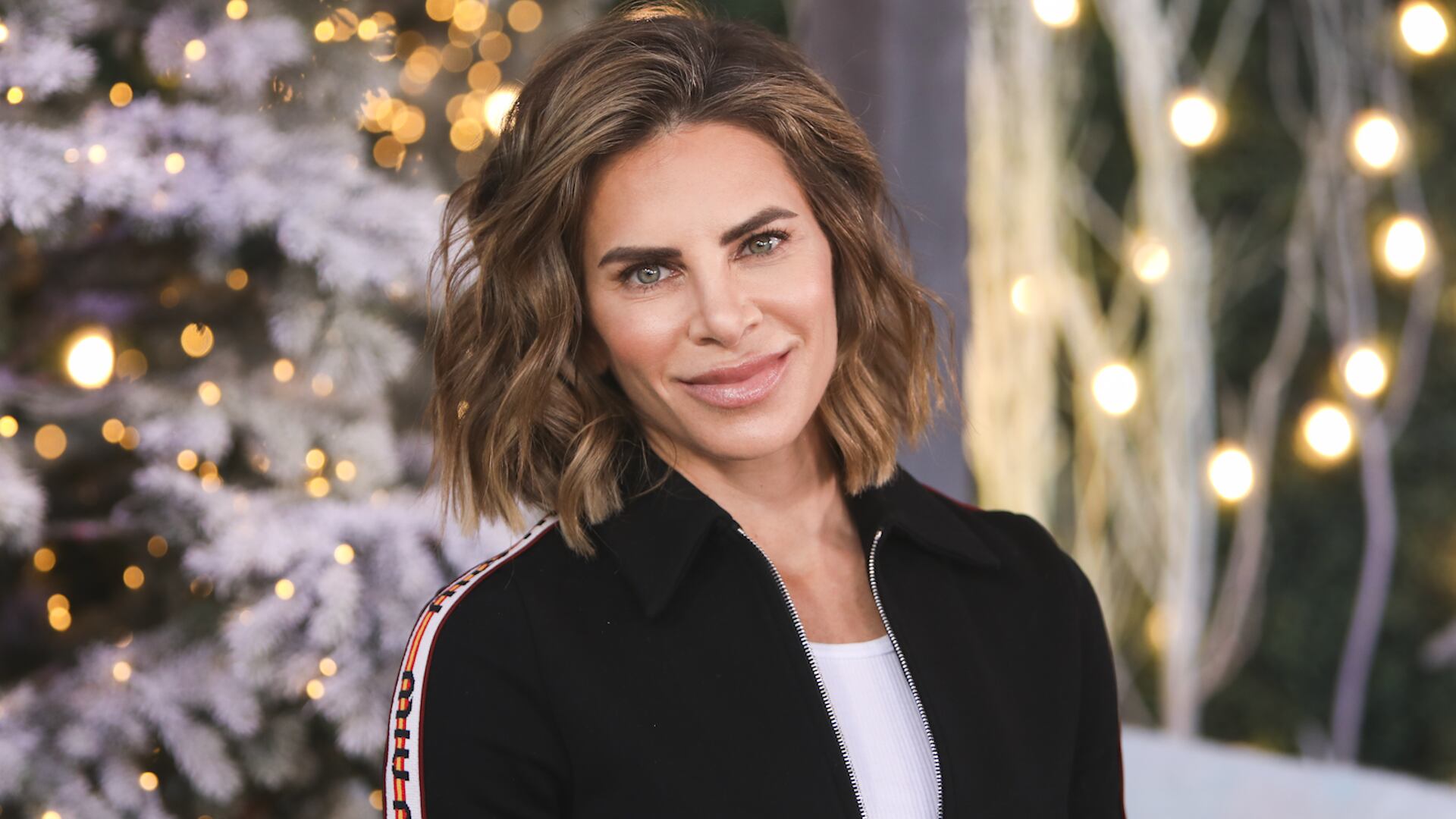
The pandemic prompted a shift toward personalized at-home workouts, and made health and wellness even more of a priority. In the early months of the pandemic, sales for fitness equipment, shoes and apparel skyrocketed as people adapted to working out in the solitude of their own homes. Even as gyms have reopened, some of these trends have stuck around. Jillian Michaels, personal trainer and creator of The Fitness App by Jillian Michaels, joined Cheddar to discuss the home workout revolution and give her advice on how to stick to your 2022 fitness goals.
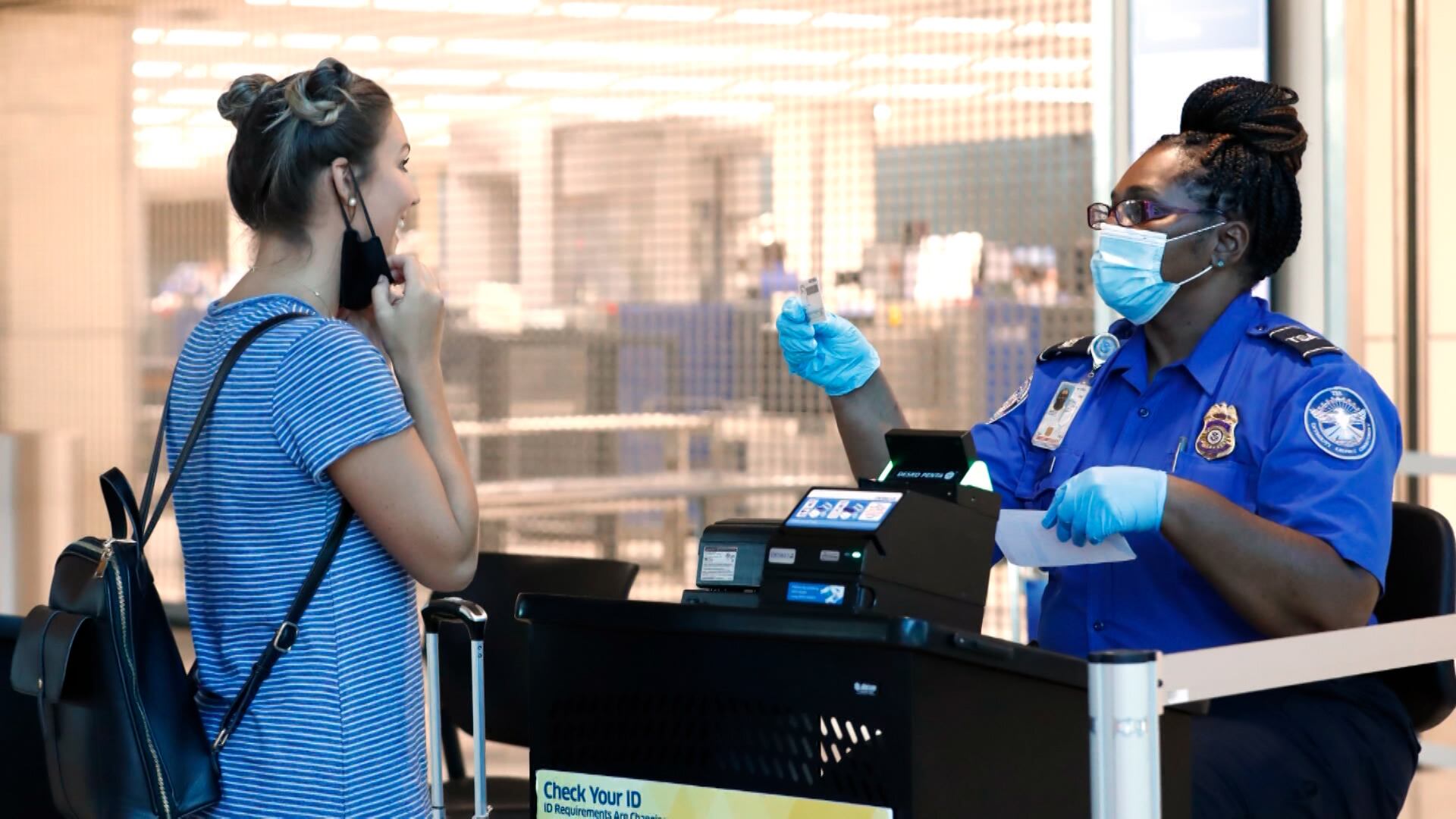
Dr. Bayo Curry-Winchell, Regional Clinical Director at Carbon Health and Member of the Governors Medical Advisory team in Nevada joins Cheddar News to discuss the Omicron Covid variant amid the holiday travel season.
Carlo and Baker preview President Biden's address to the nation as Omicron becomes the new dominant Covid strain. Plus, Trump gets booed for getting his booster and the White House gets a new puppy.
Michele Schneider, Partner and Director of Trading Research & Education for MarketGauge.com, joins Cheddar News' Closing Bell, where she says the spread of the Omicron variant and Jerome Powell's comments following the latest Fed decision are spooking investors heading into the weekend.
Andrew Hawkins, transportation editor at The Verge, joins Cheddar News' closing Bell, where he breaks down FedEx's EV truck delivery from GM's BrightDrop Company while also discussing the shipping giant's strategy following its latest earnings report.